


campusnaturaleza@udec.cl
Concepción, Chile
Campus Naturaleza UdeC
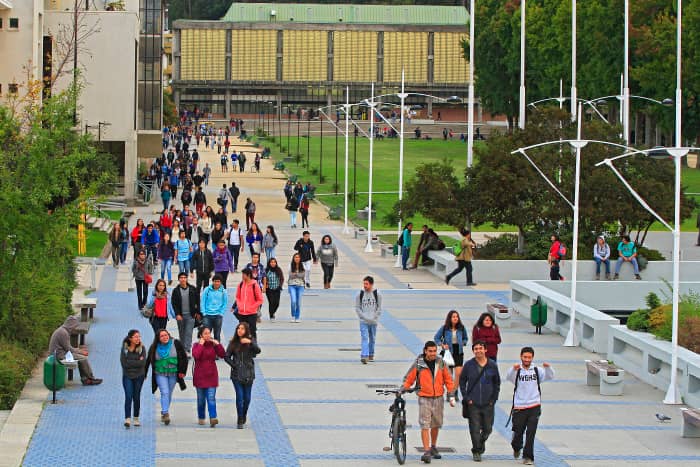
Campus Naturaleza embodies the University of Concepción’s commitment to sustainable development, biodiversity conservation and human wellbeing.
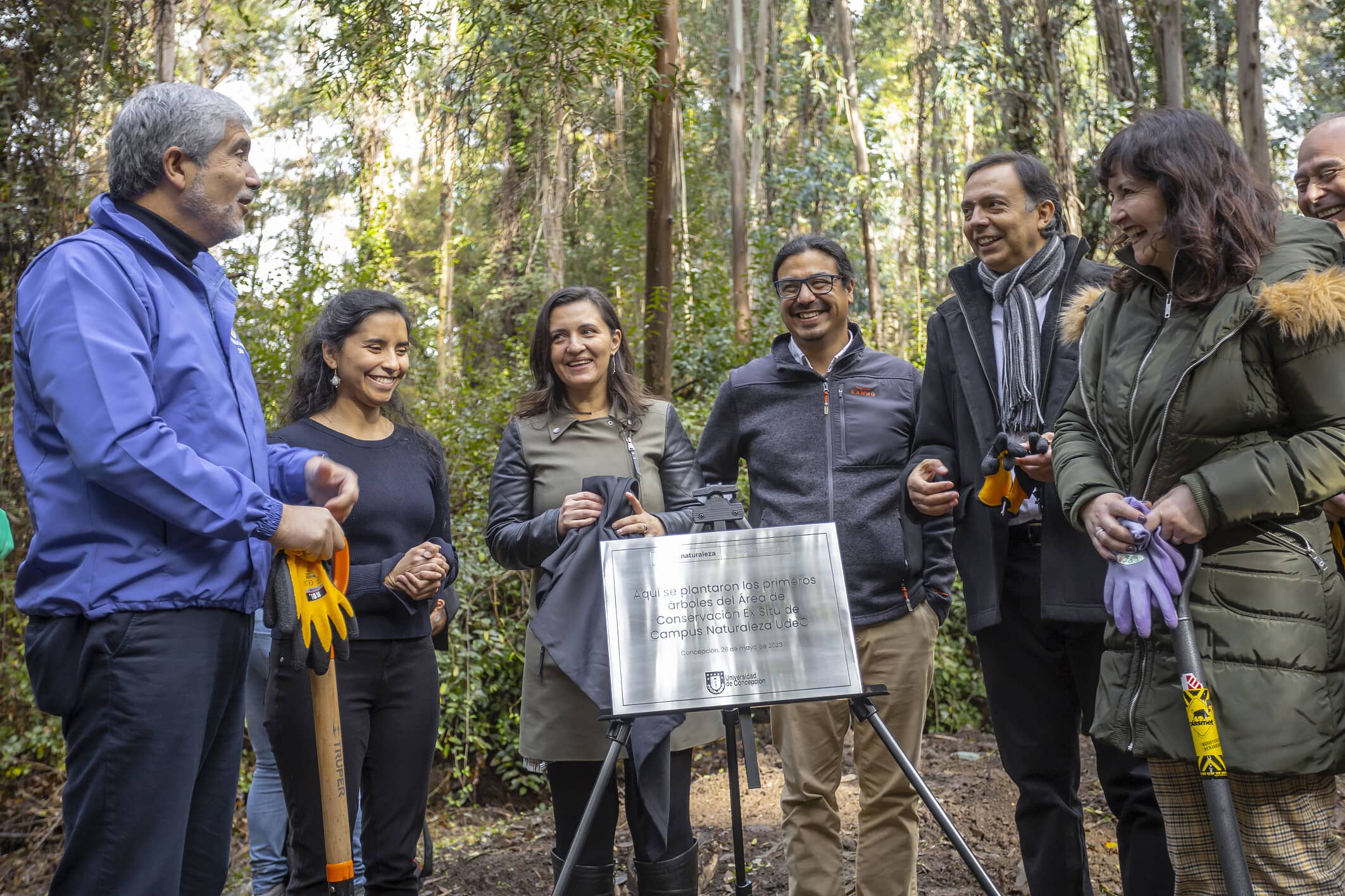
On the land situated in the hills and ravines surrounding the Concepción Campus, the University is driving a strategic initiative that integrates conservation, restoration, science, education and community engagement to regenerate the relationship between people and nature.
Mission
To conserve and restore ecosystems of high ecological and biodiversity value, generate interdisciplinary scientific knowledge, and promote transformative education and human wellbeing.
To this end, Campus Naturaleza brings together the university community and society in an ethical, sustainable and evidence-based relationship with nature.
Vision
Campus Naturaleza UdeC aspira convertirse en un referente nacional e internacional en conservación y restauración de la biodiversidad, y bienestar humano. Mediante la integración de la ciencia, educación y participación ciudadana, busca regenerar el vínculo profundo entre la sociedad y la naturaleza.
Our Purpose
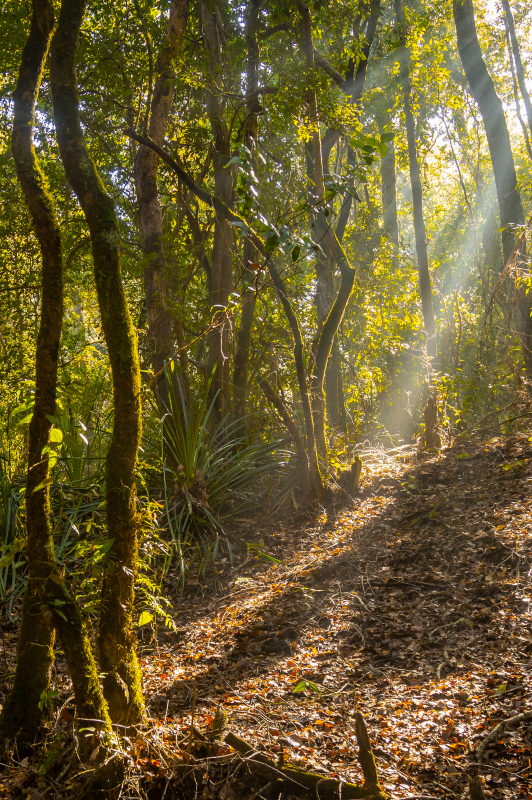
Campus Naturaleza transforms a university campus into a biocultural legacy for future generations. From Concepción (Chile), it seeks to demonstrate that biodiversity conservation, ecosystem regeneration and human wellbeing can advance hand in hand.
PRINCIPLES
Evidence-based conservation
We make decisions based on scientific knowledge, monitoring and adaptive learning.
Coordination between the University, the local area and society
We bring together academic, institutional and community capacities to address socio-ecological challenges.
Interdependence between nature and wellbeing
We recognise that people’s health depends on healthy and functional ecosystems.
Participation and collaboration
We promote dialogue between communities, public bodies, the private sector and scientific networks.
Commitment to future generations
We protect and restore our natural heritage as a common good and a biocultural legacy.