Teachers Visit Campus Naturaleza Project Grounds
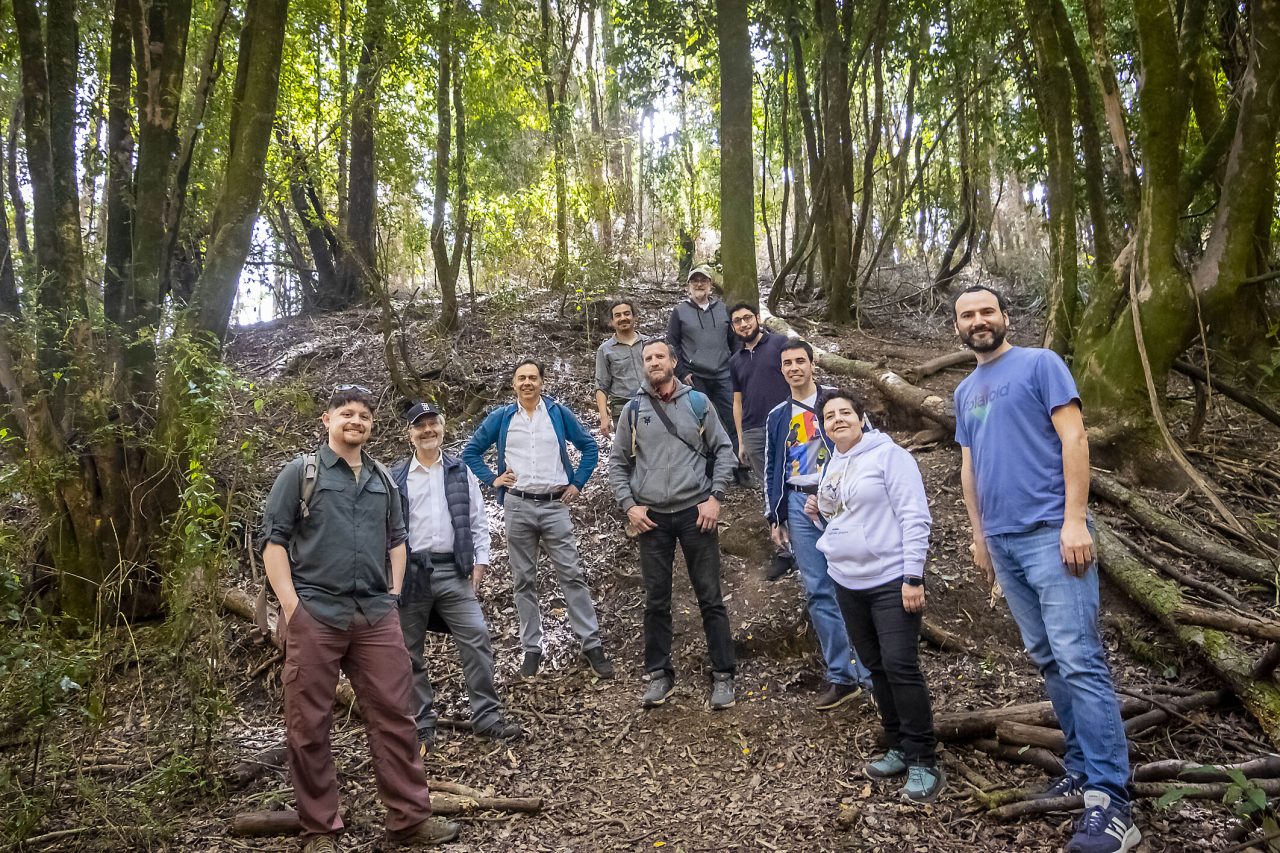
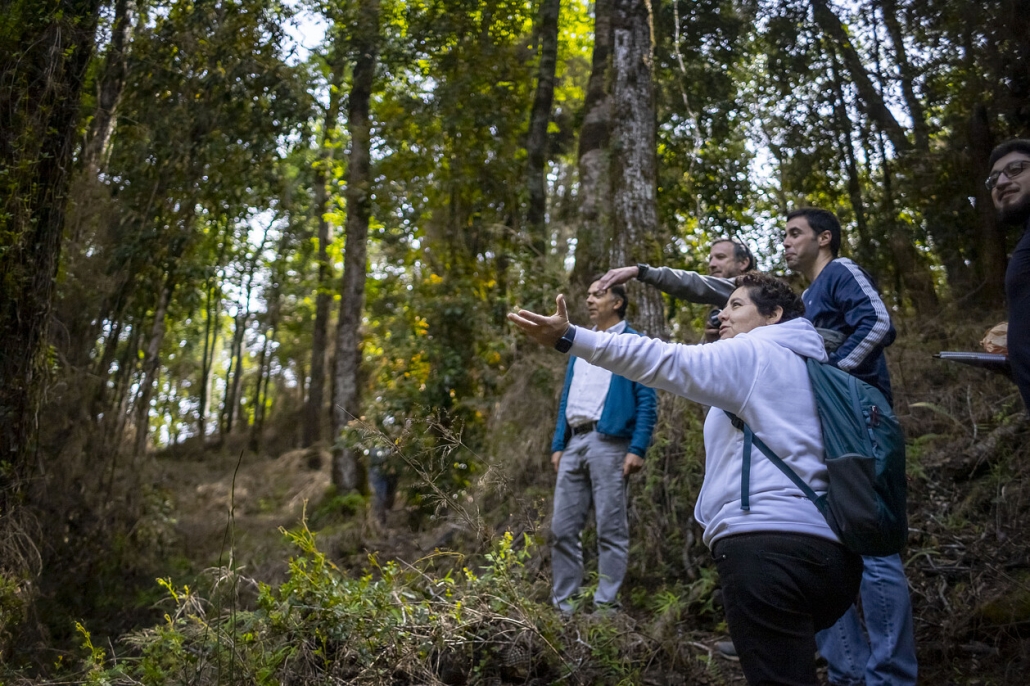
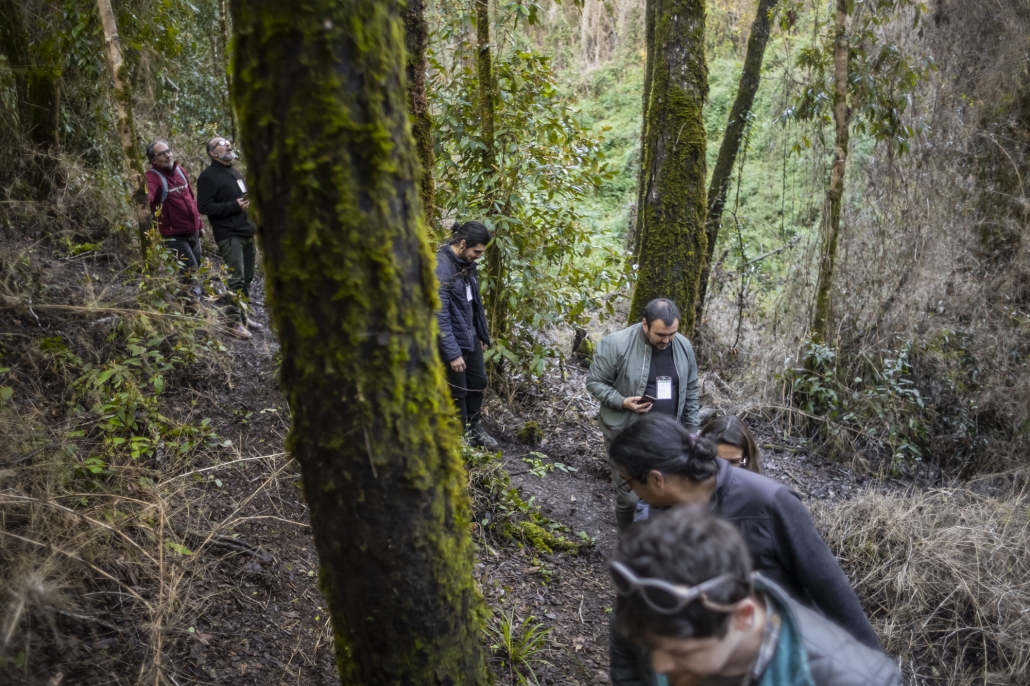
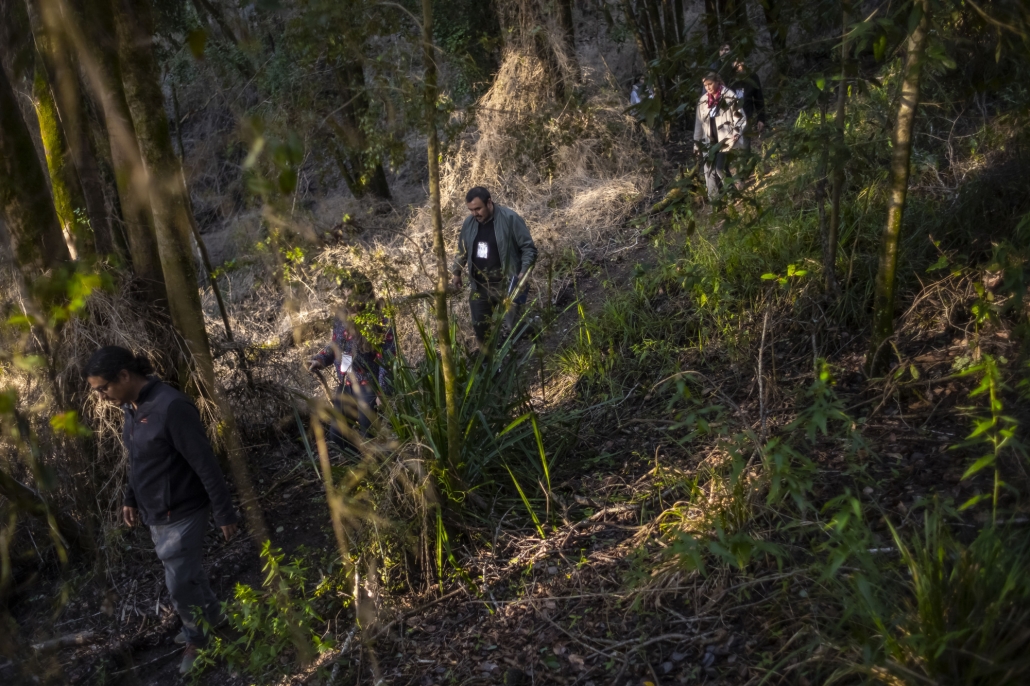
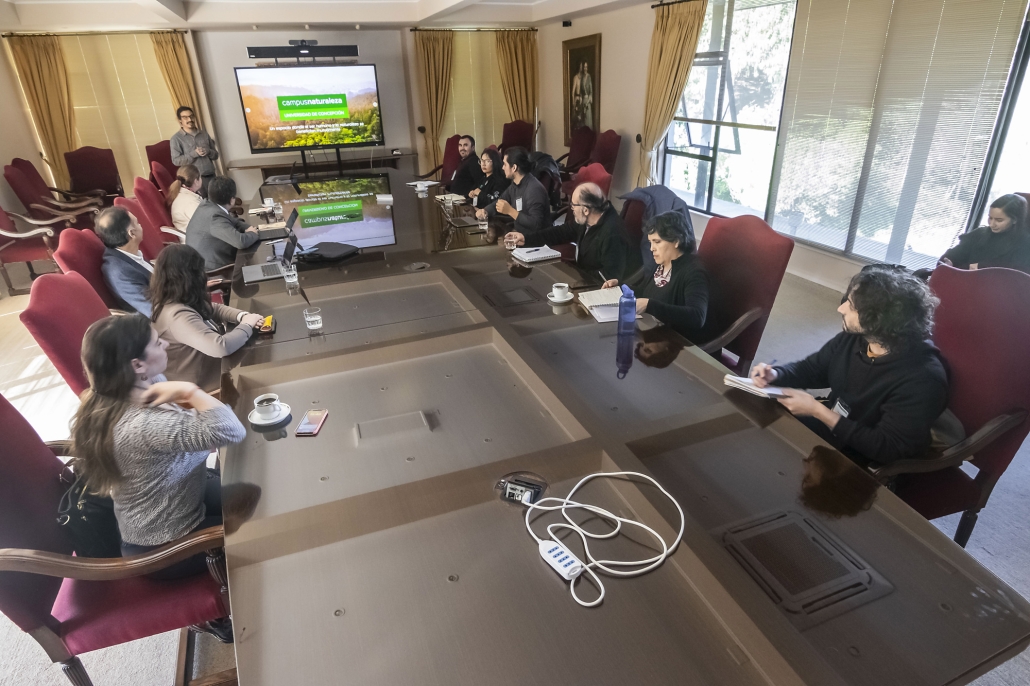
An insight from direct experience in the native forest was what academics from the University of Concepción took away. Professionals from various fields of university knowledge were convened as part of the Technical Advisory Committee, a body that will provide support and technical assistance on various research topics included in this unprecedented national initiative.


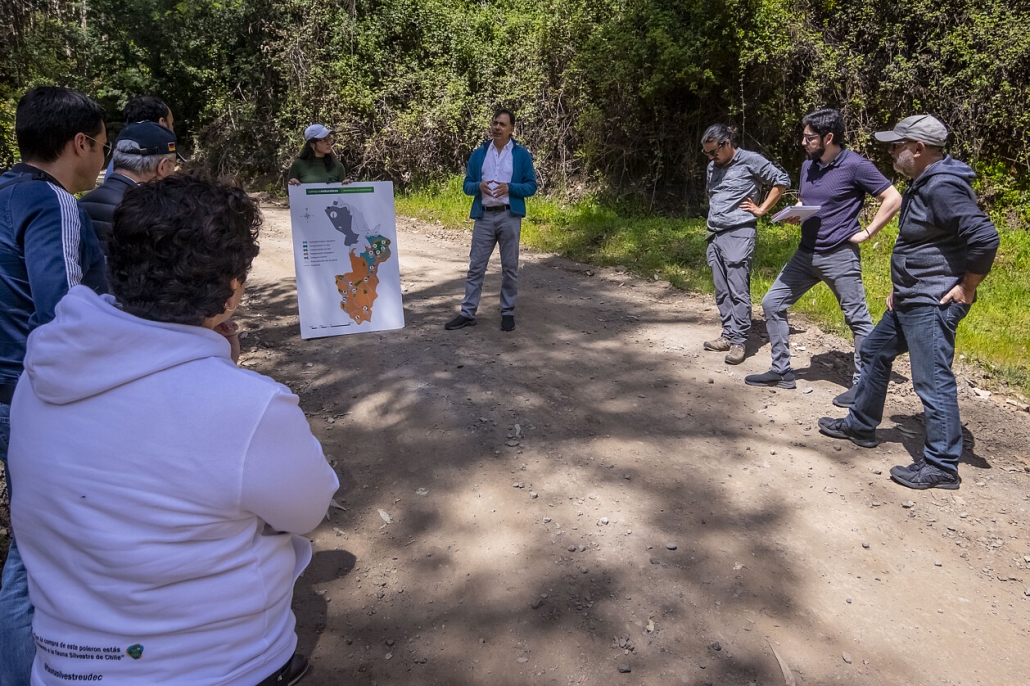
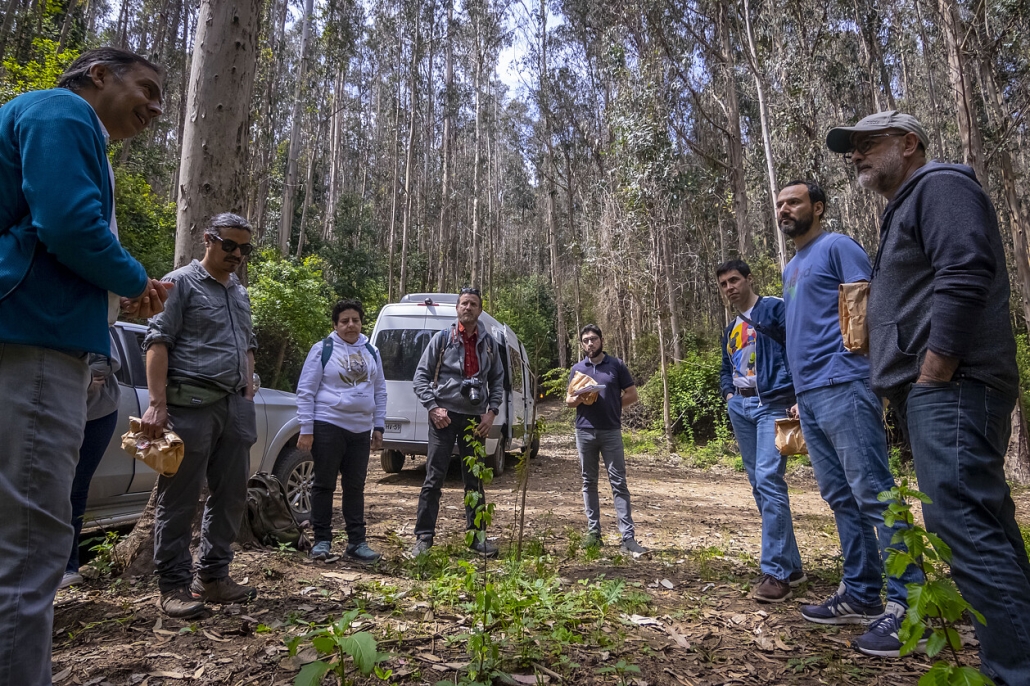
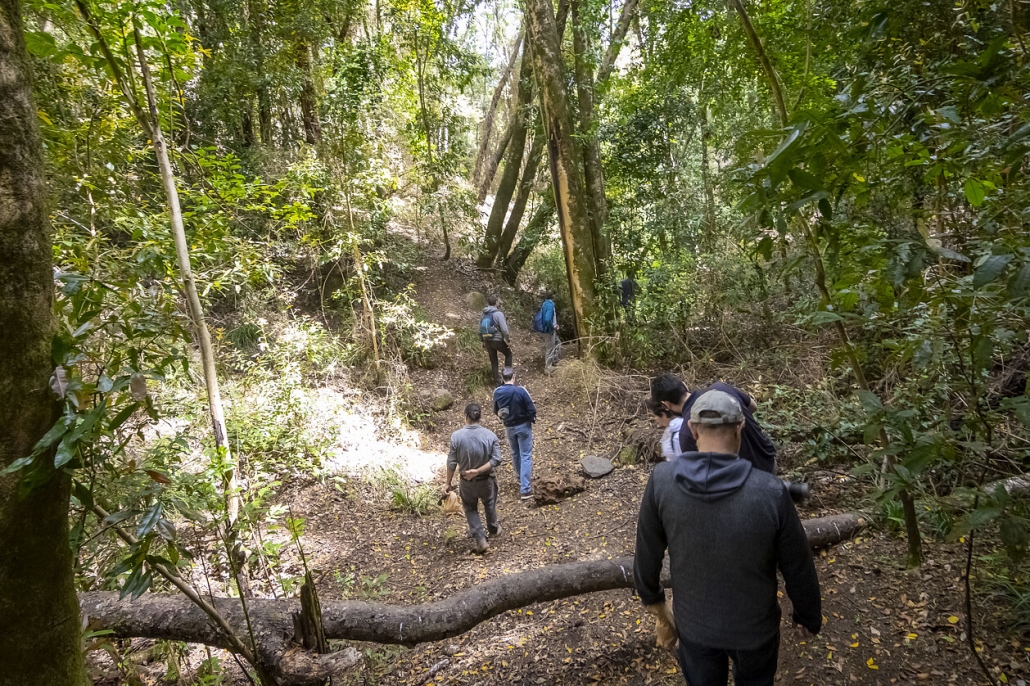
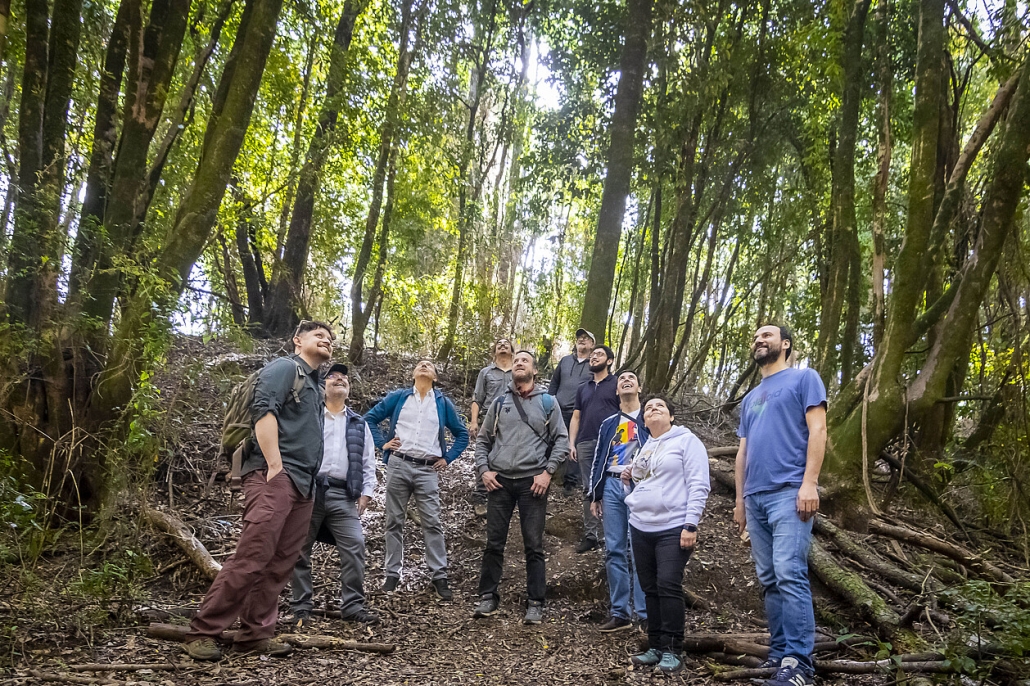
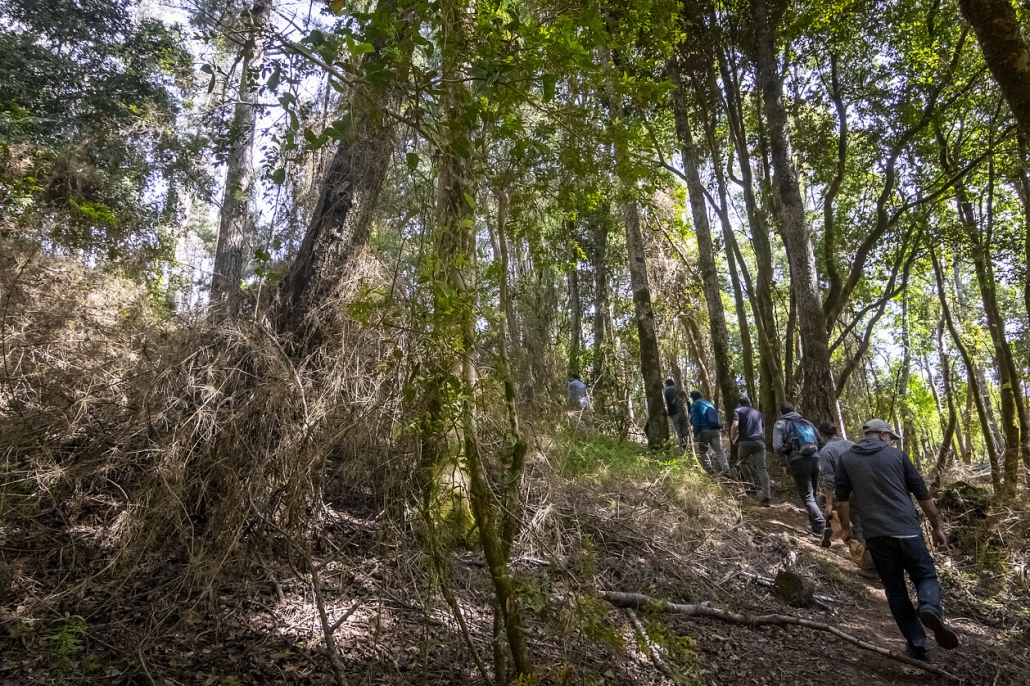
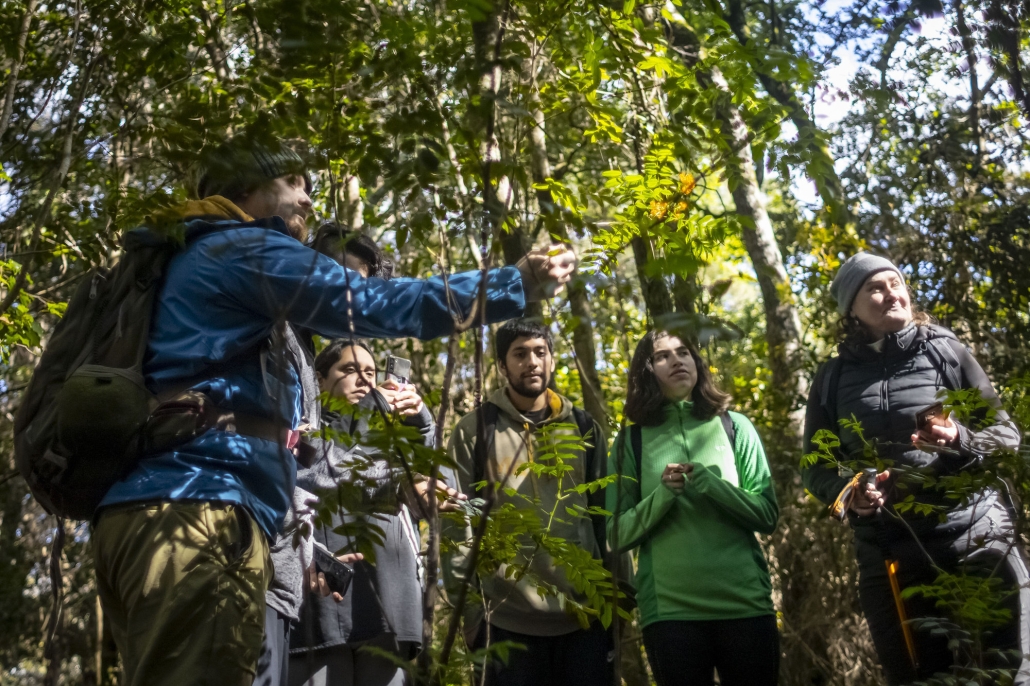
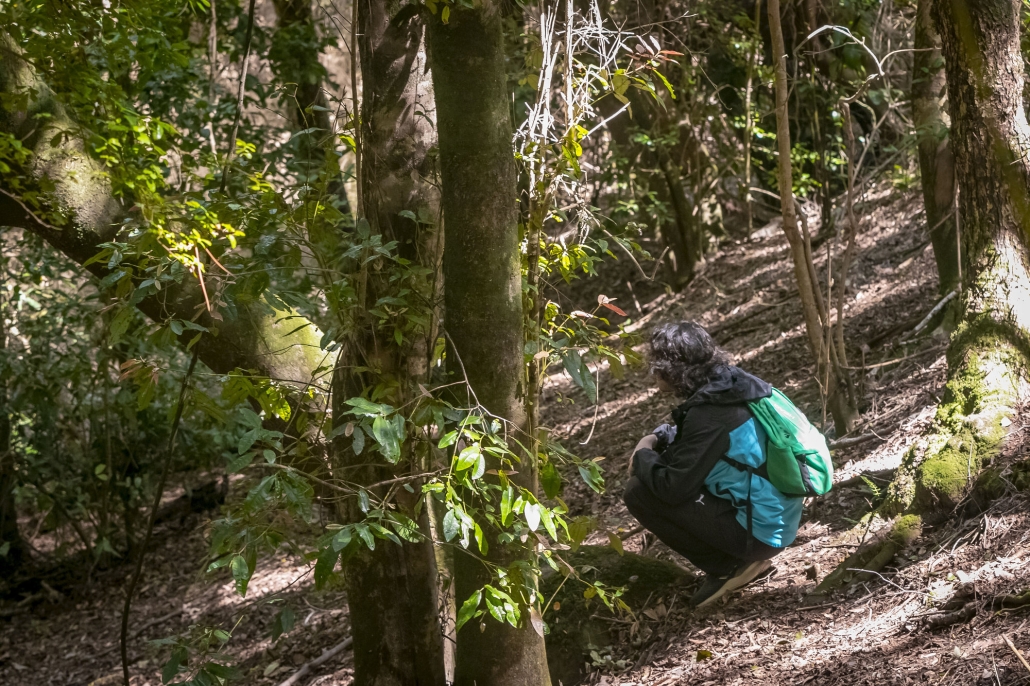
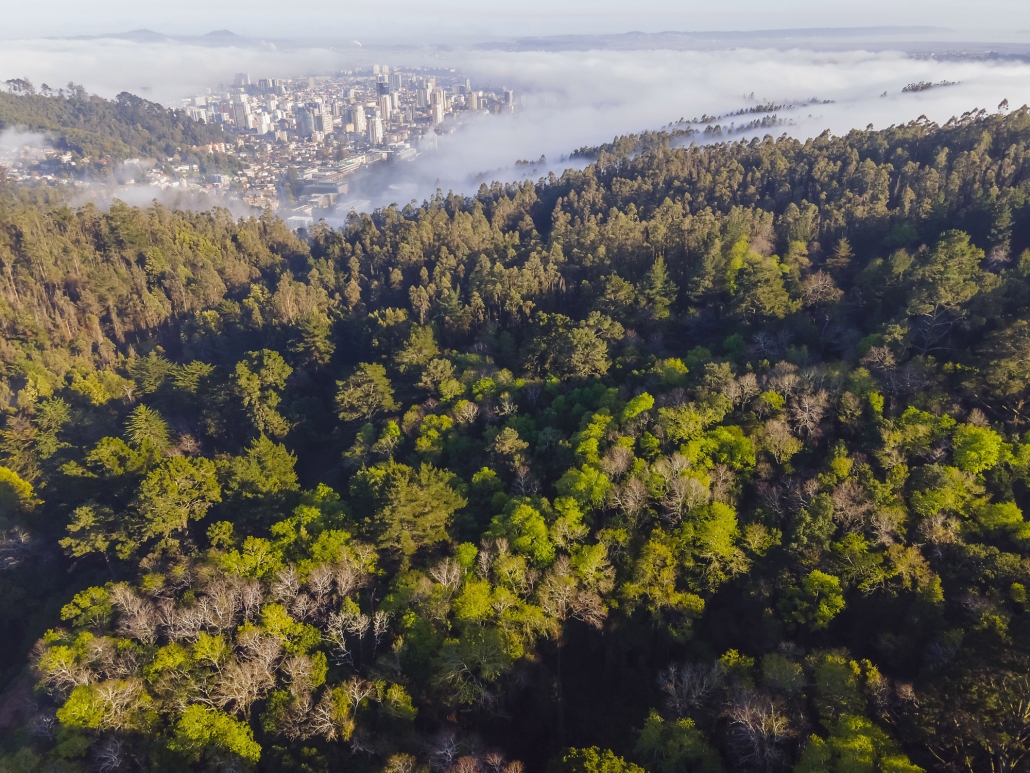
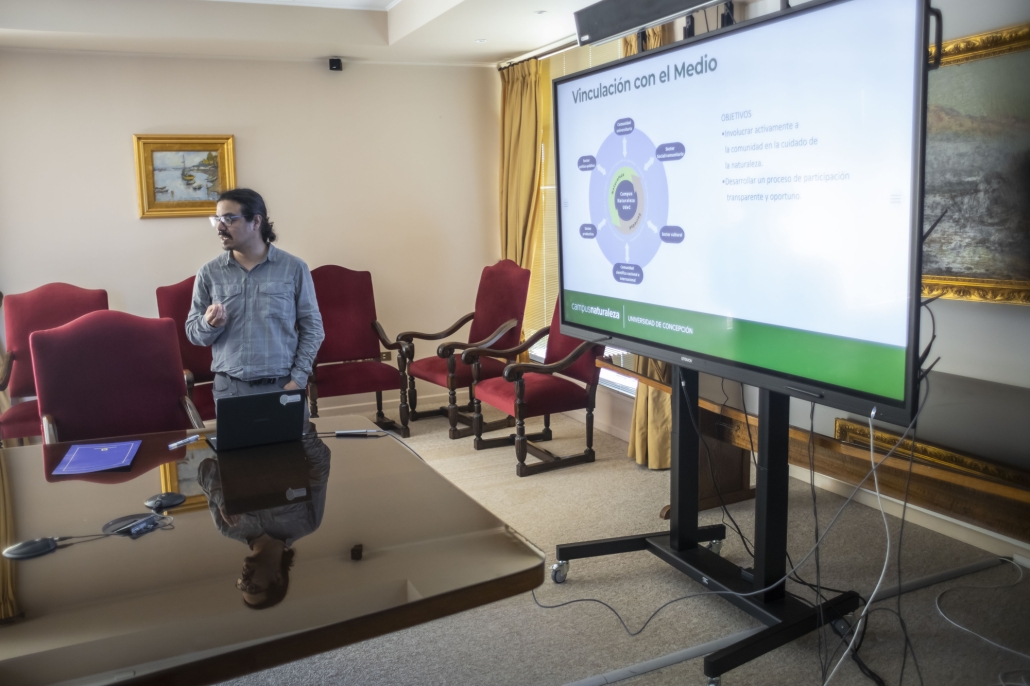
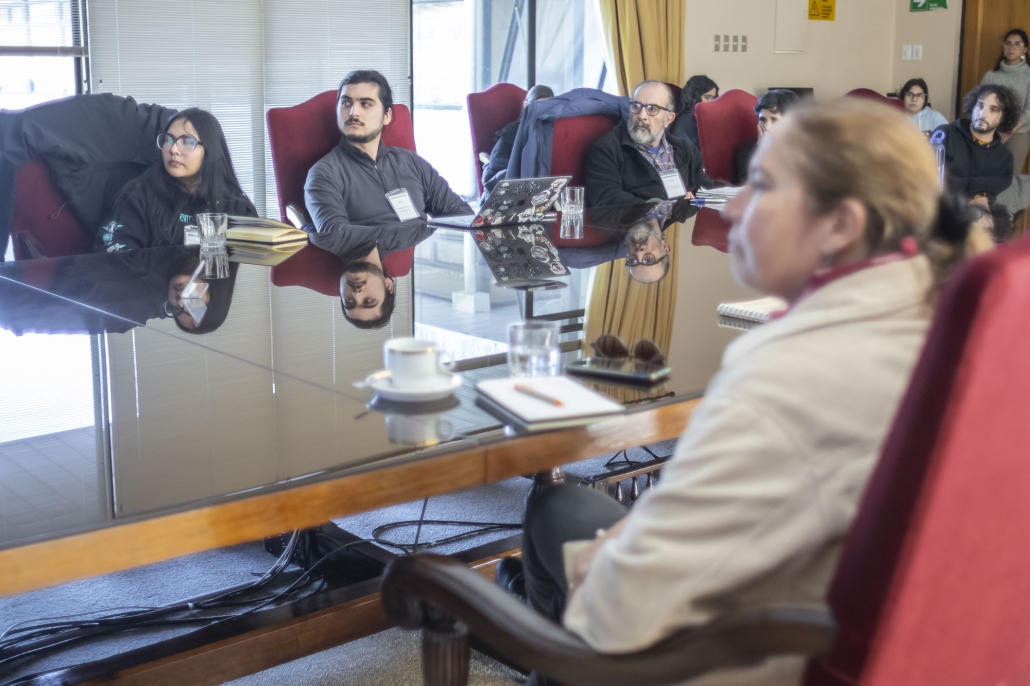
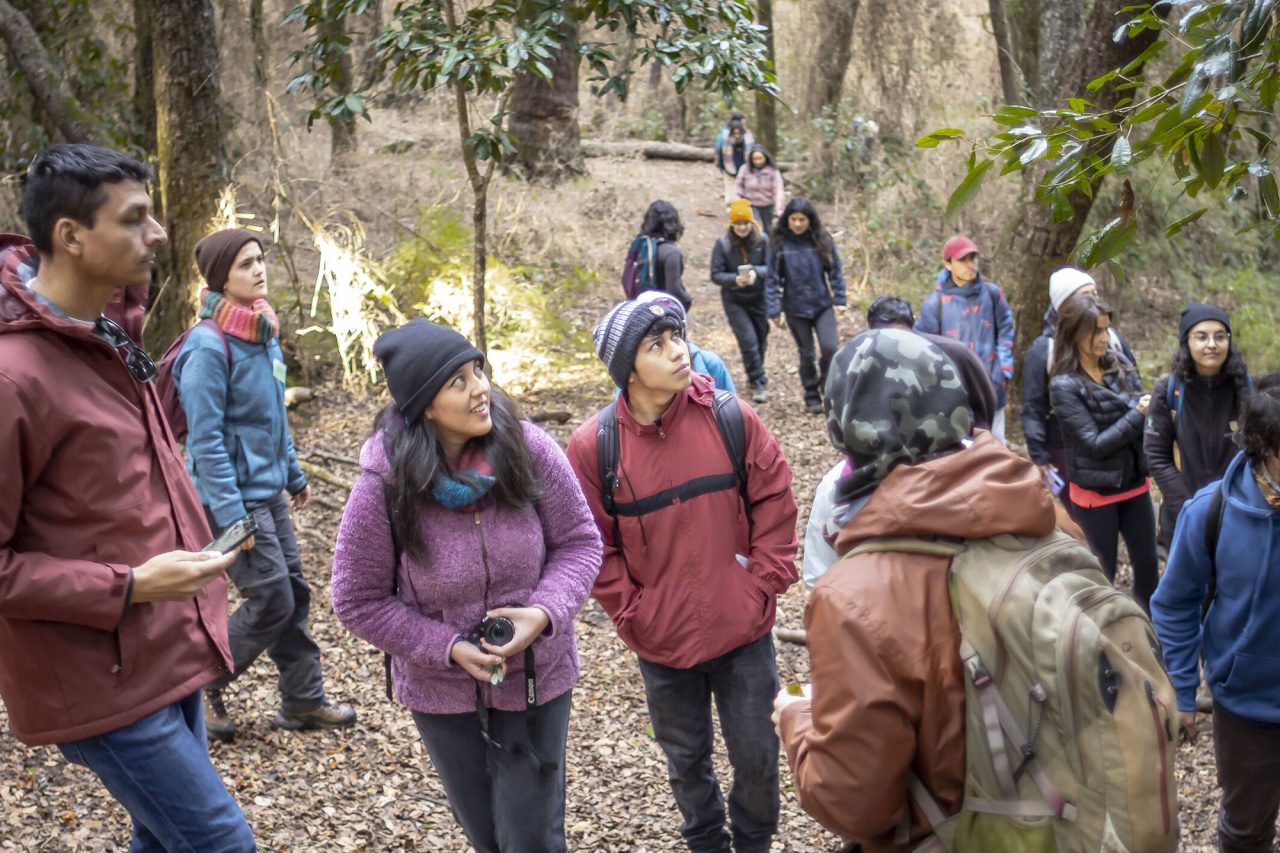
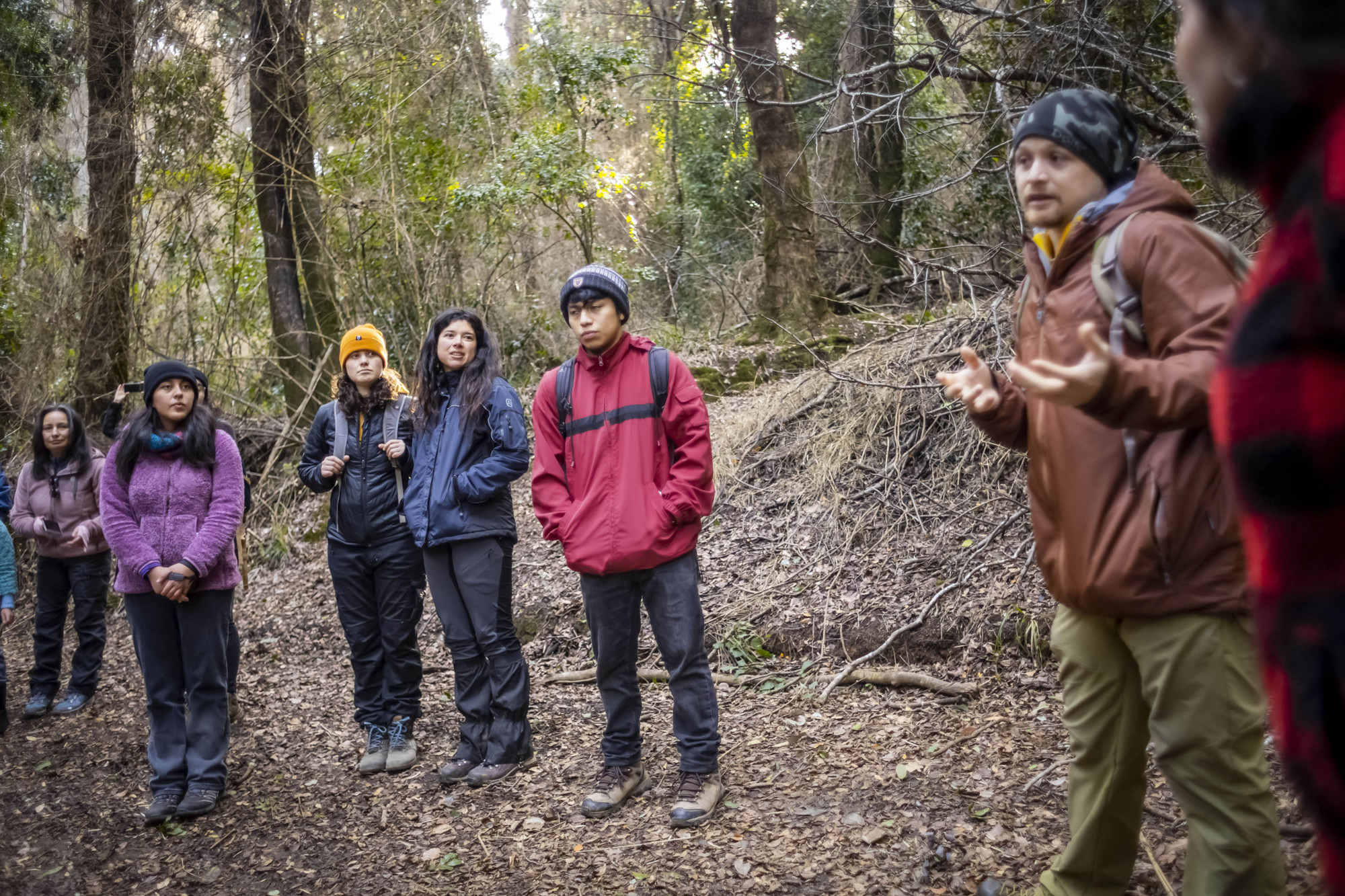
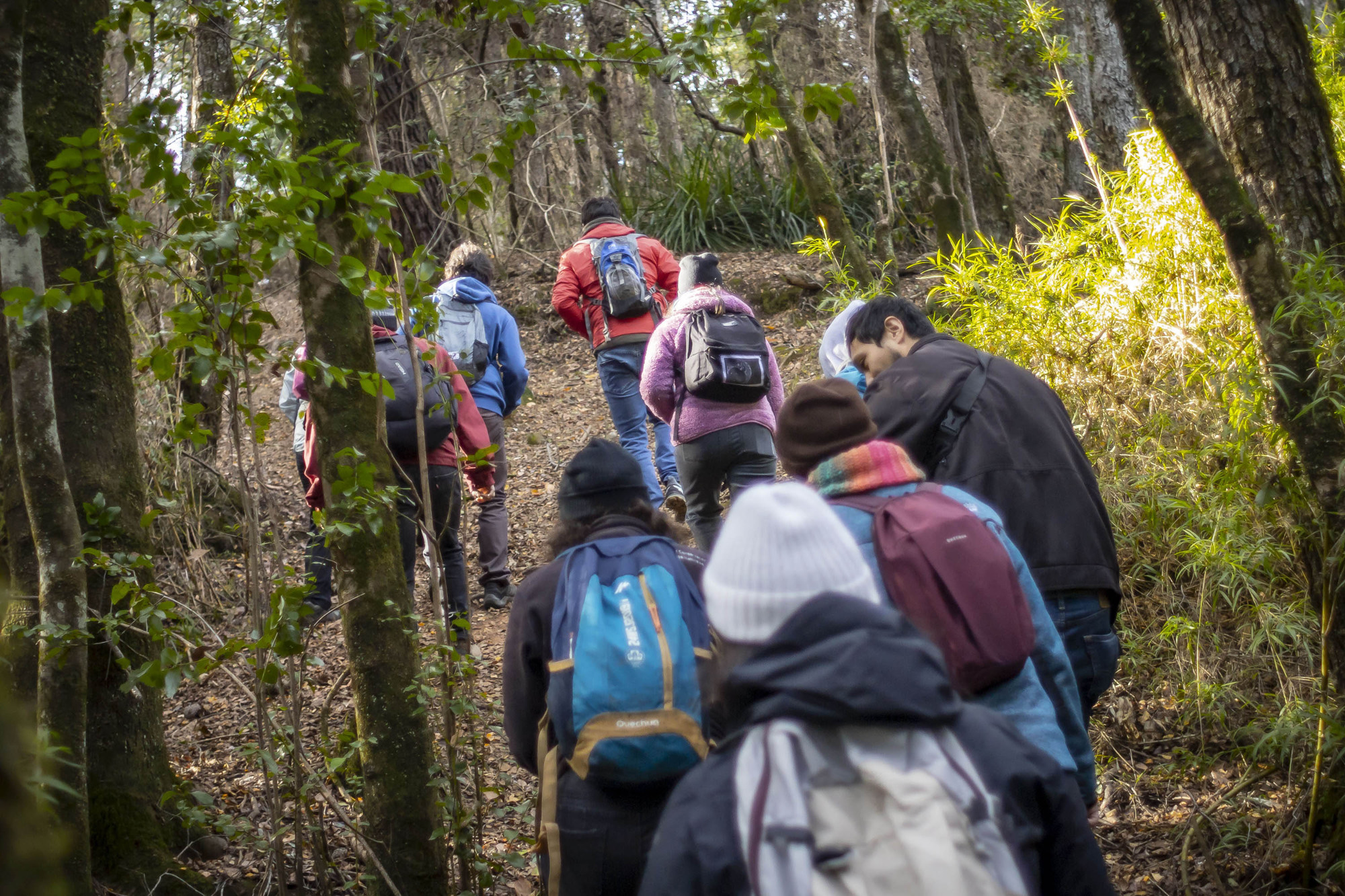
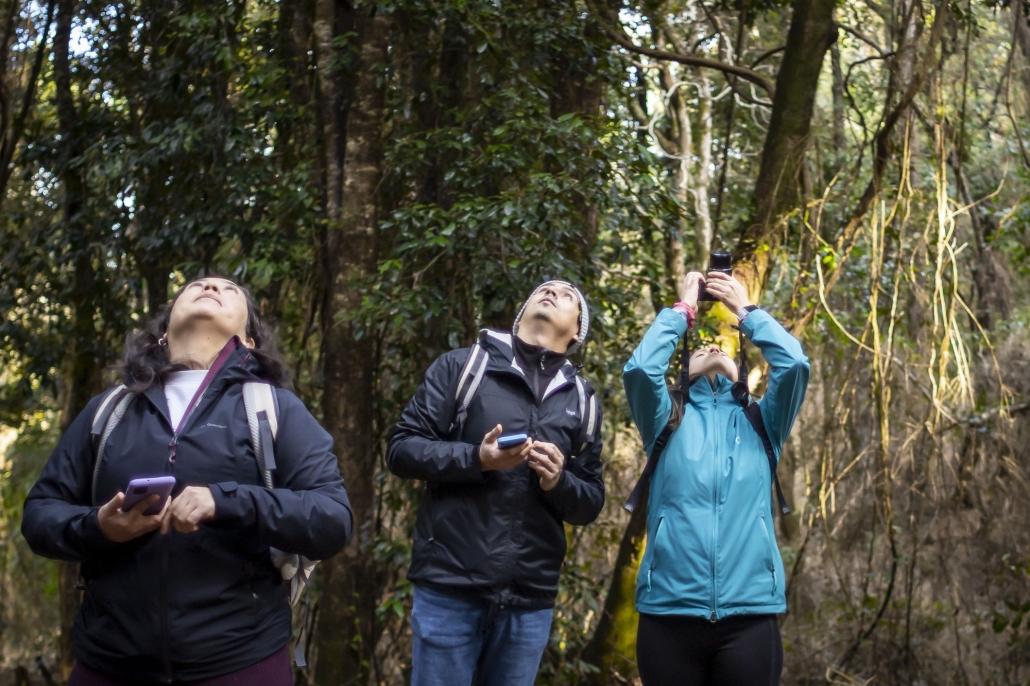
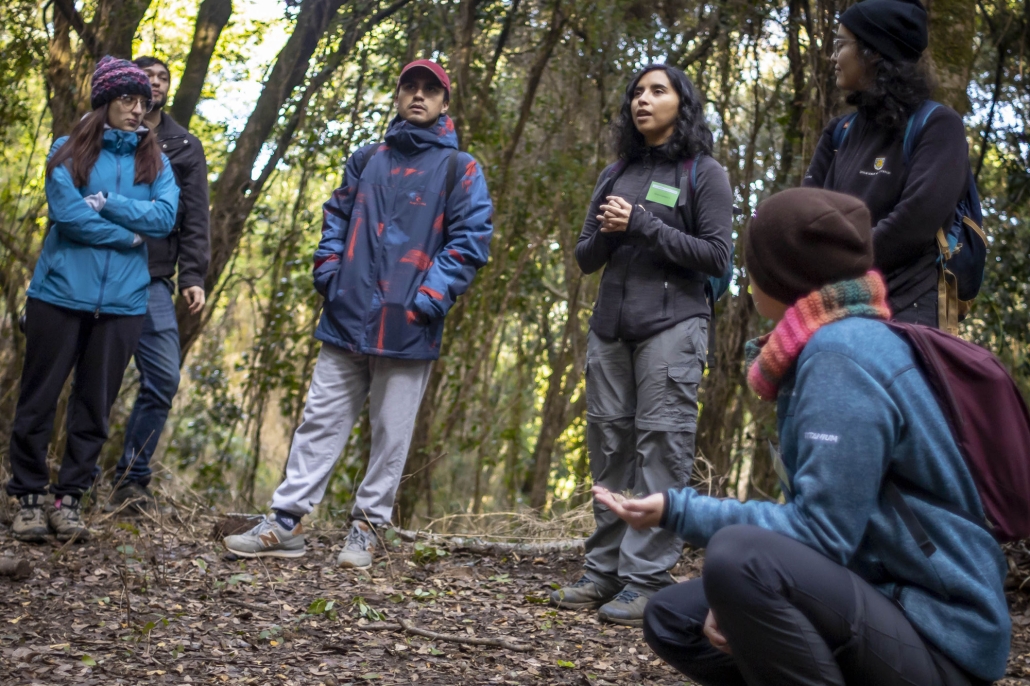
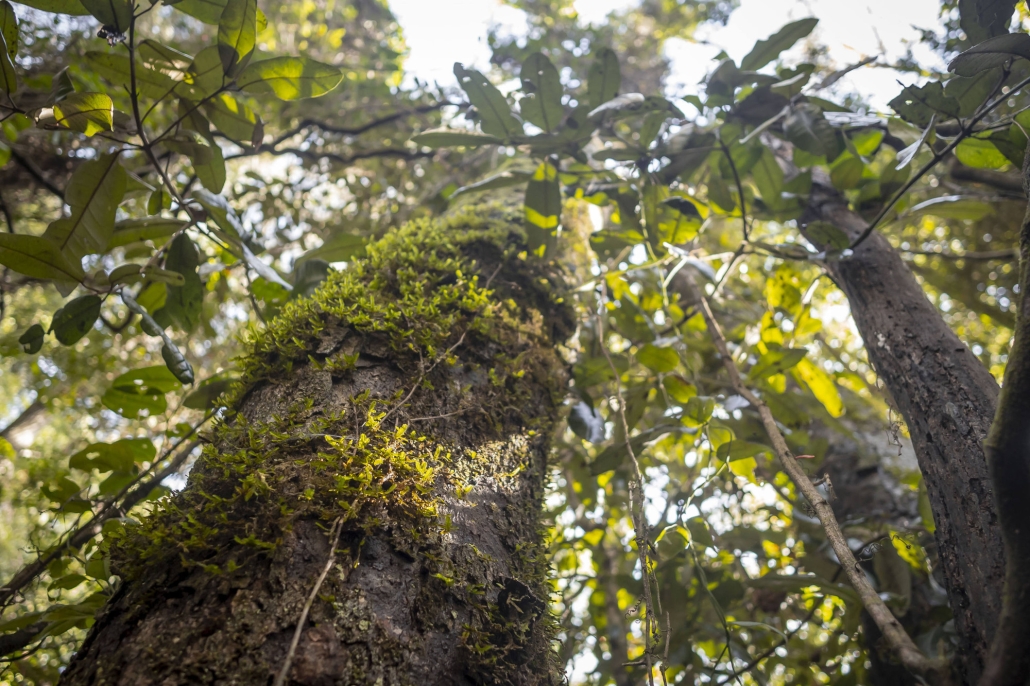
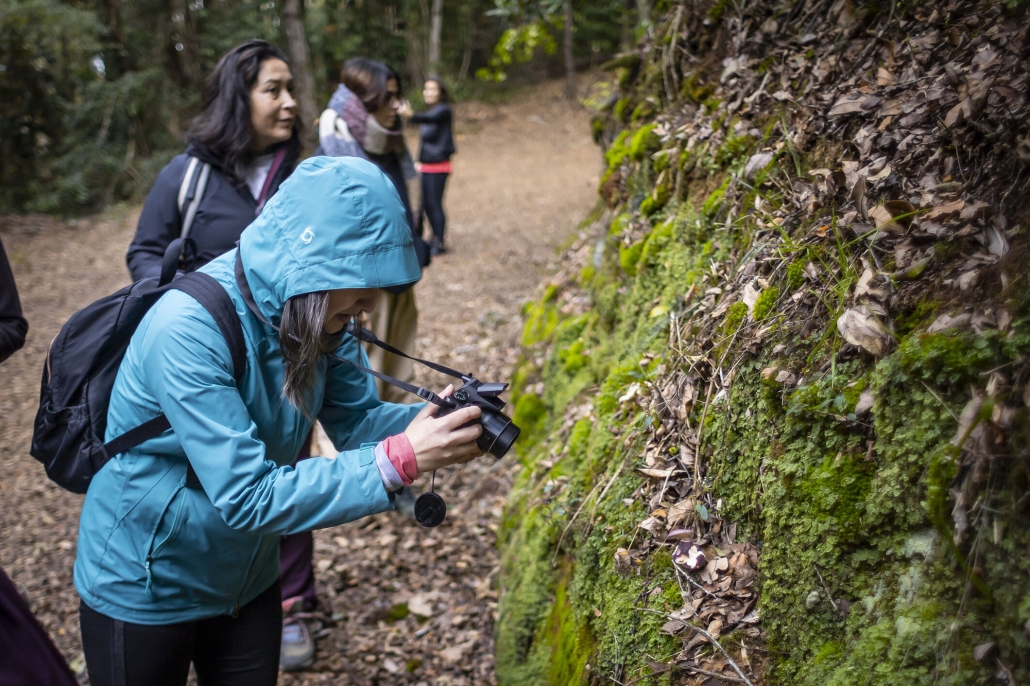
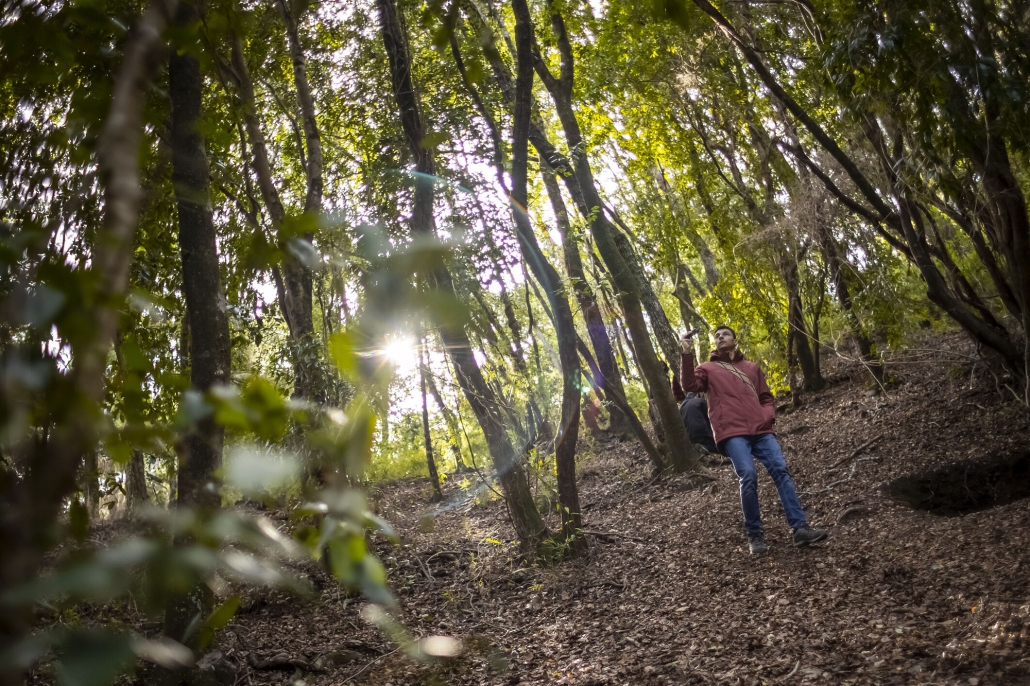
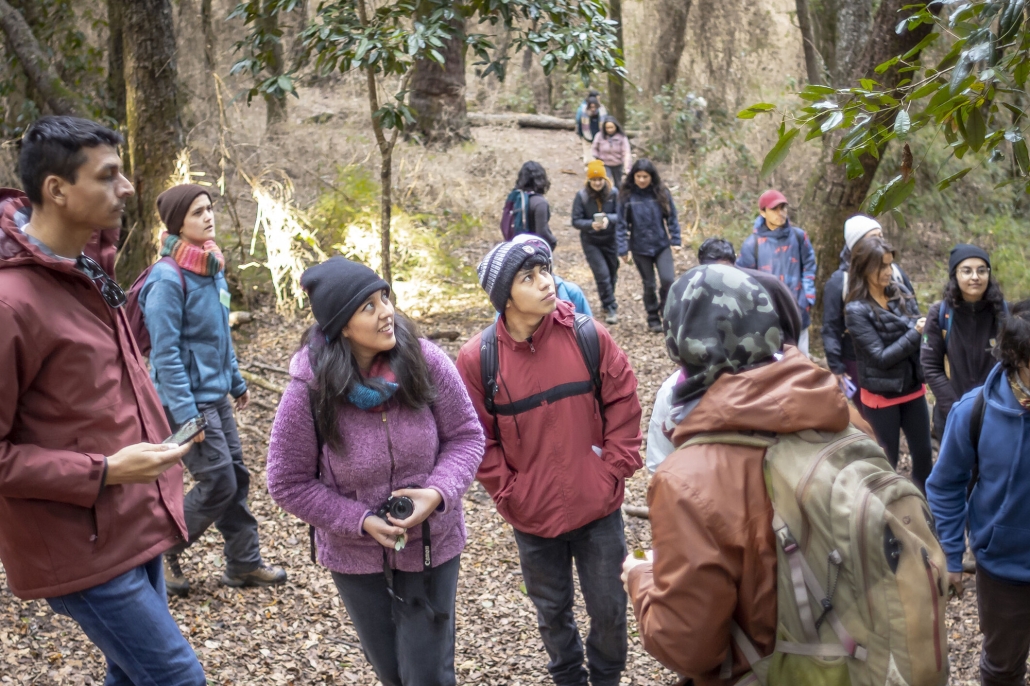
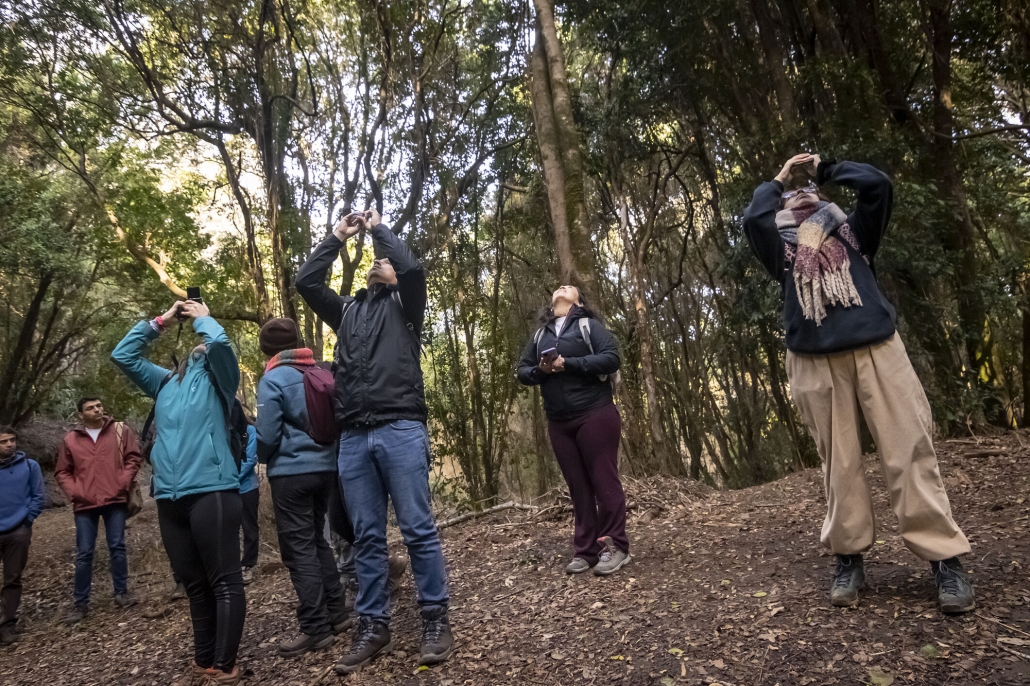
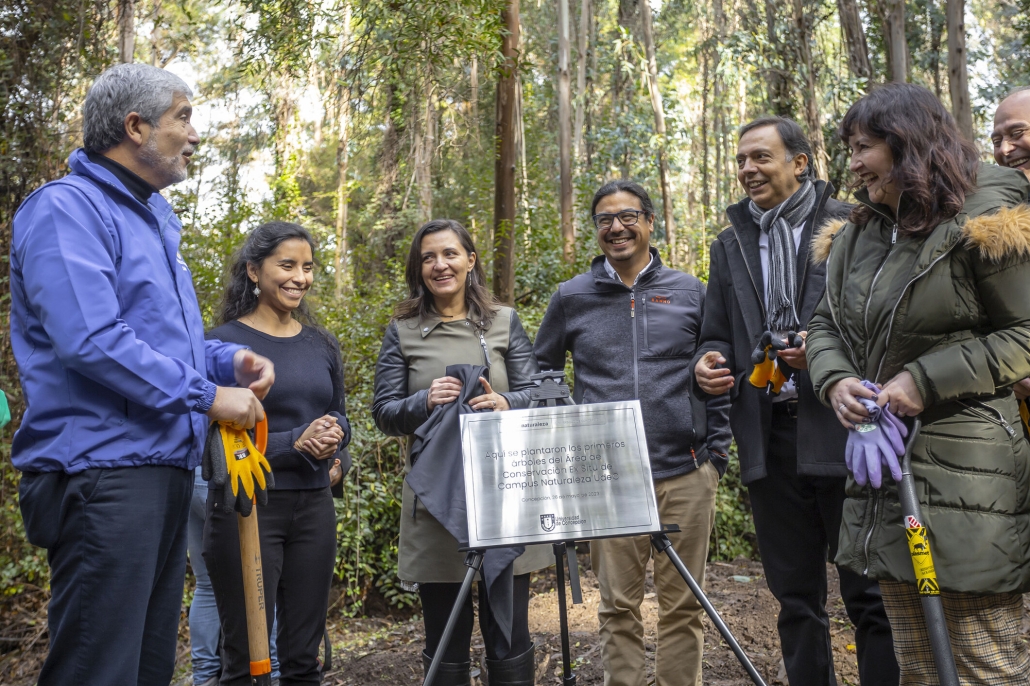
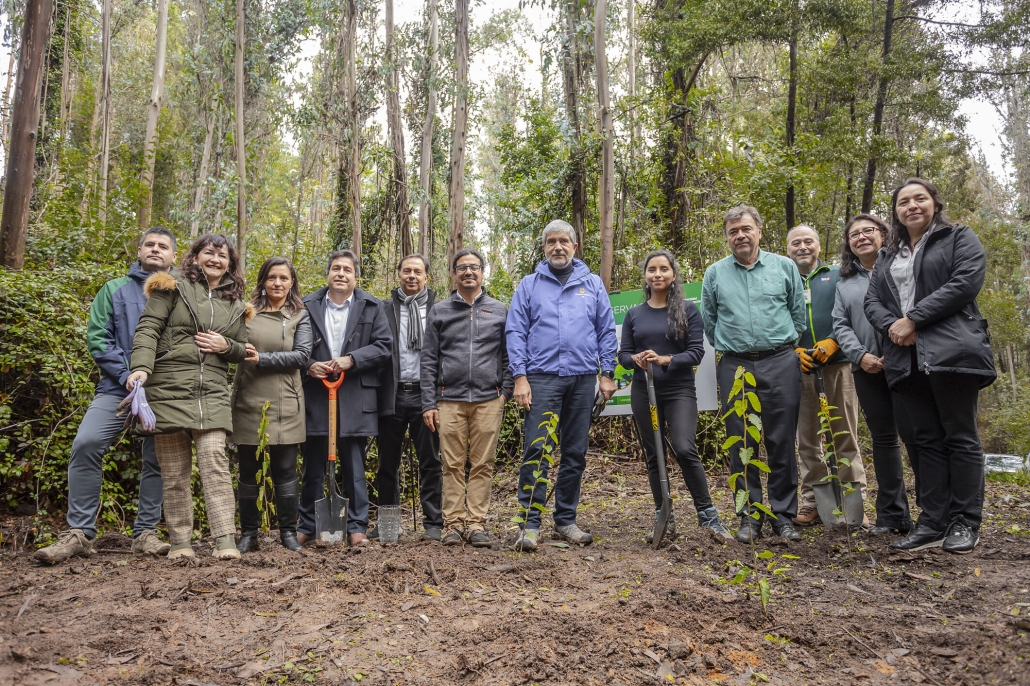
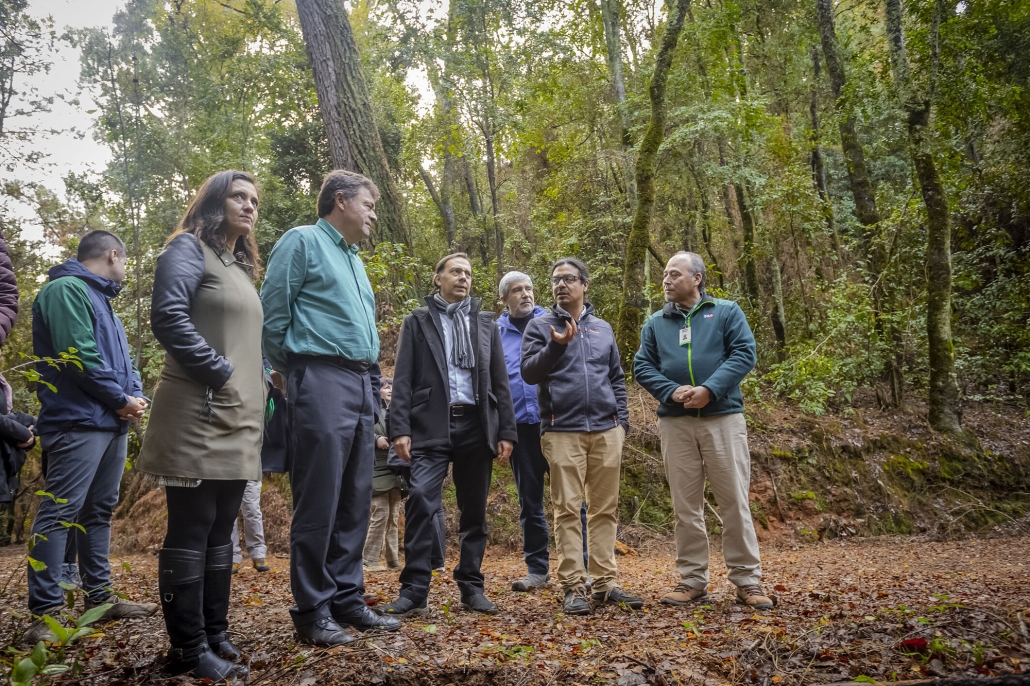
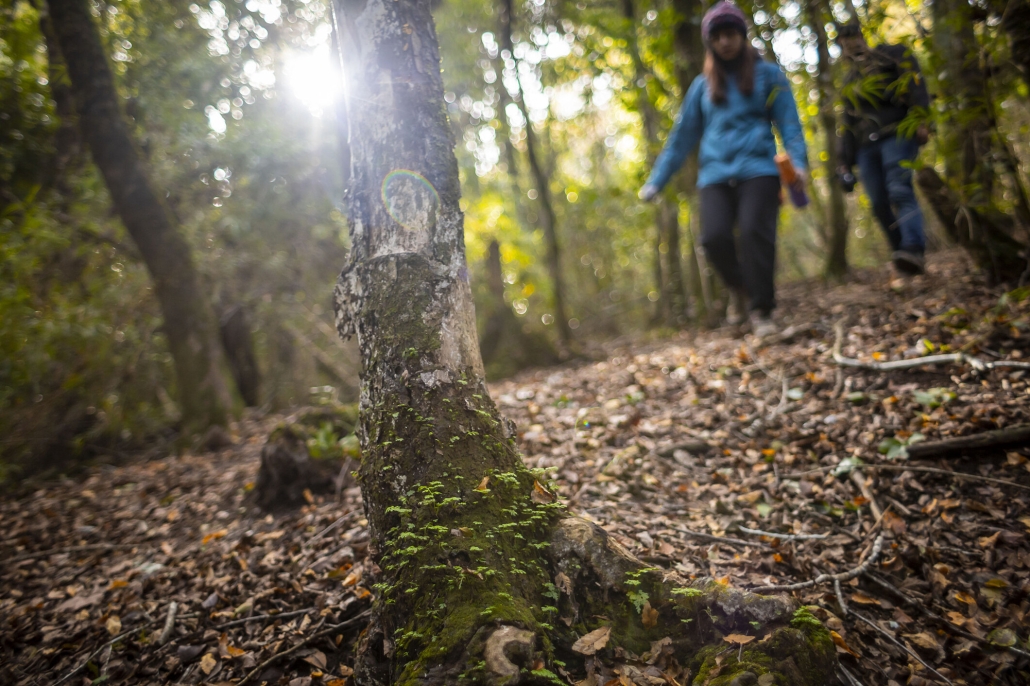
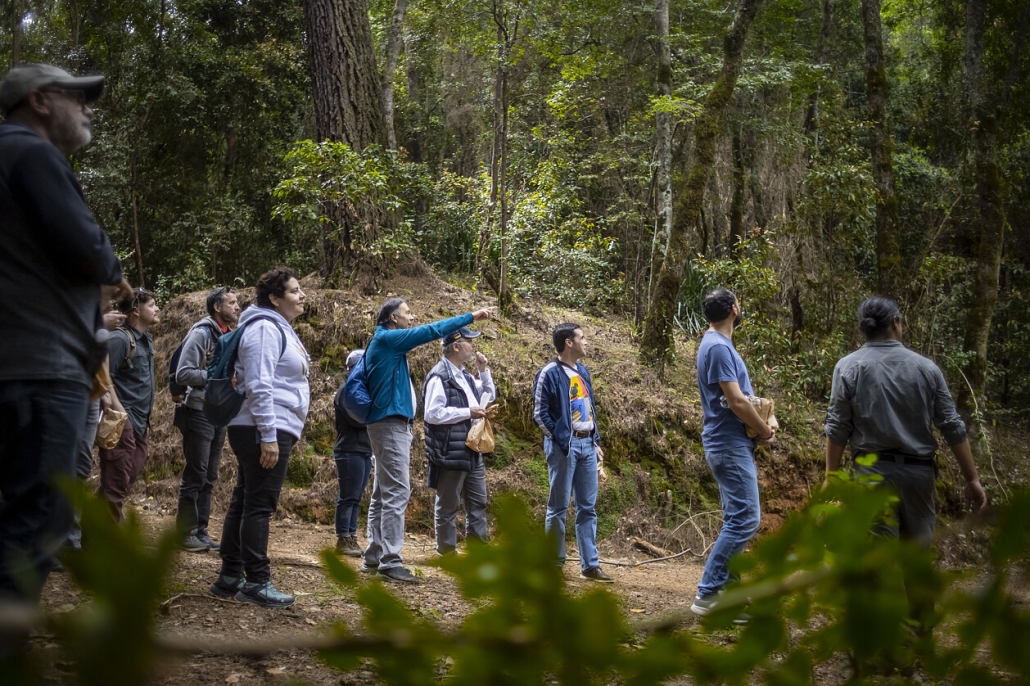
Appreciating and experiencing firsthand the native forest was the objective of the Technical Advisory Committee's visit to the grounds where the Campus Naturaleza Universidad de Concepción project will be implemented. Academics and experts from different fields of university knowledge were able to understand the implications of this unprecedented project in Chile, which will focus on nature conservation, ecological restoration, human well-being, and mental health, among other areas.

The Technical Advisory Committee represents faculties and academic units that will provide support on research topics and technical assistance for this University of Concepción initiative. "This visit is very significant because the invited academics will be able to convey to their respective groups what we have as a university community and what they can contribute from their respective disciplines," says Dr. Cristian Echeverría L., Director of the Campus Naturaleza project.

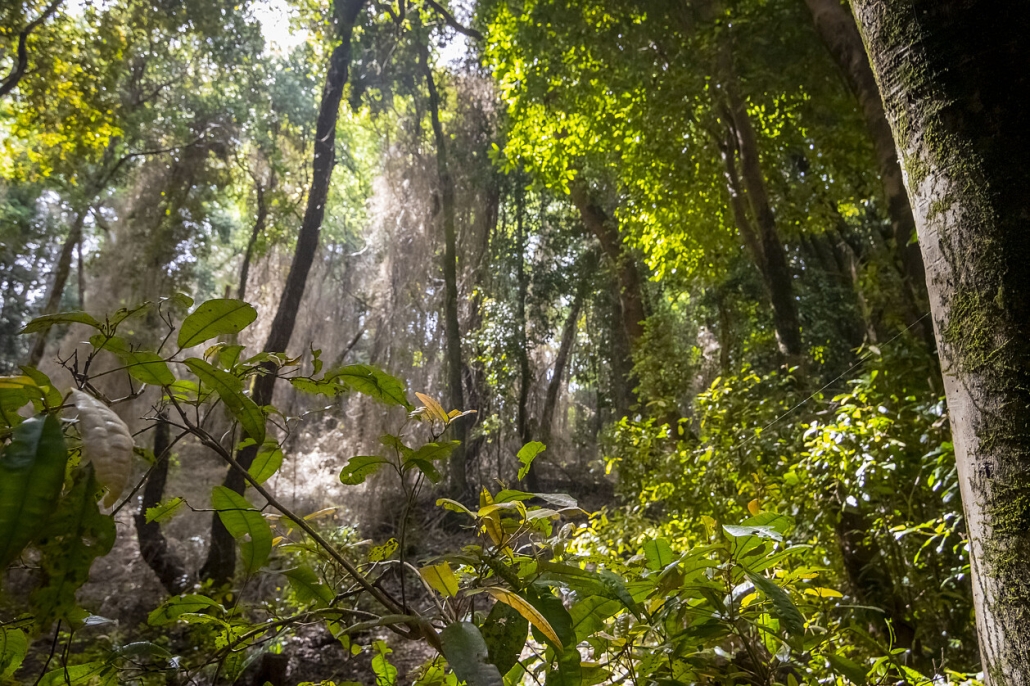
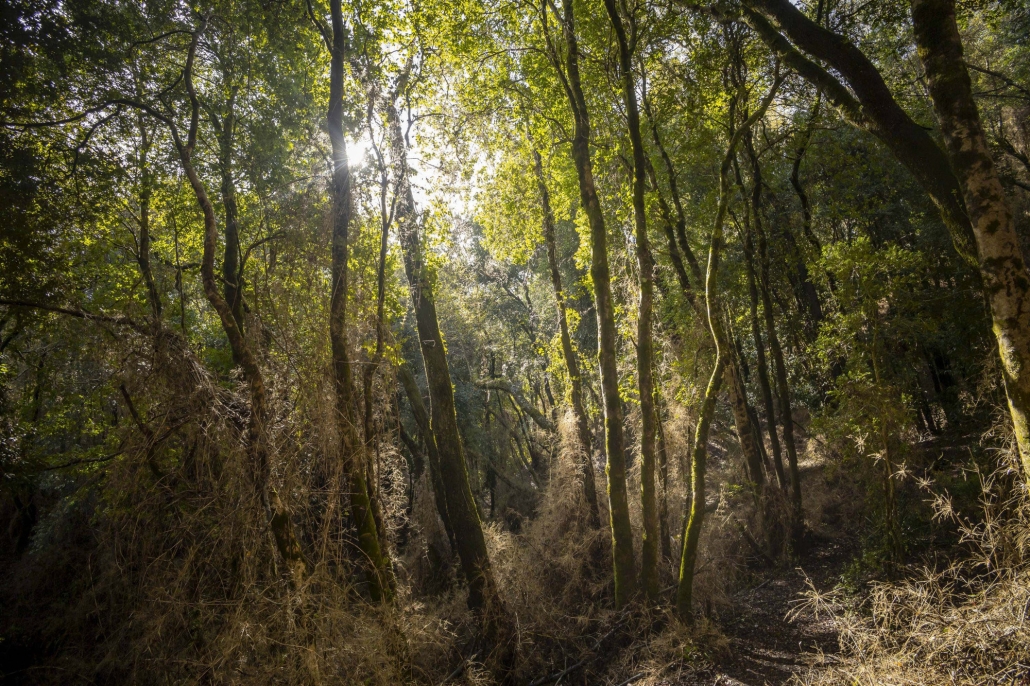
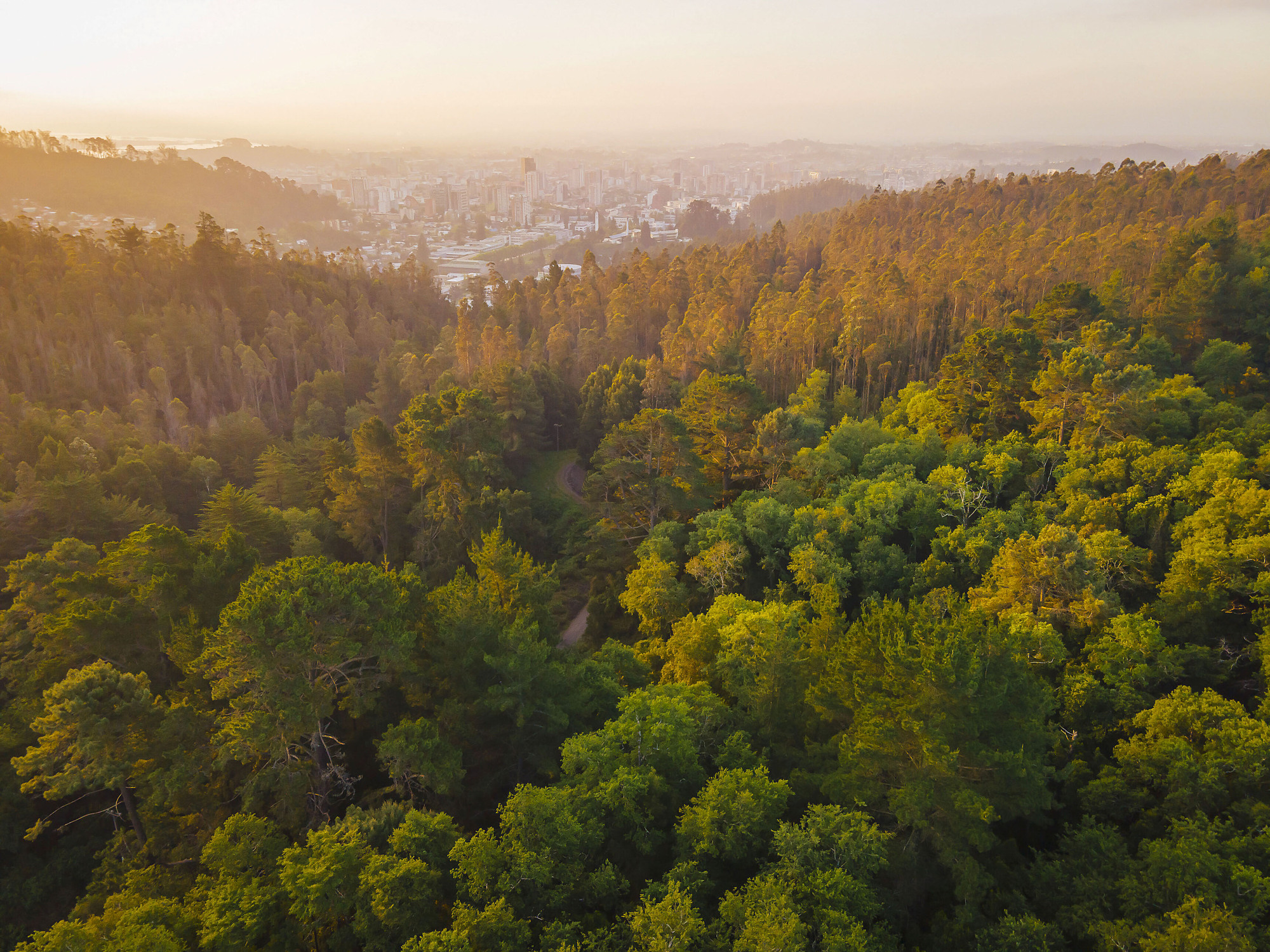
In this regard, he adds, "It was a progress activity for our project, in which we expressed the purposes of the initiative and how it aligns with the university's strategic plan. The important thing is that the Technical Advisory Committee was able to firsthand experience what the project is about, through a tour of the heart of Campus Naturaleza, which is the remnants of native coastal forest that survive here, just minutes from the university," points out the UdeC academic.
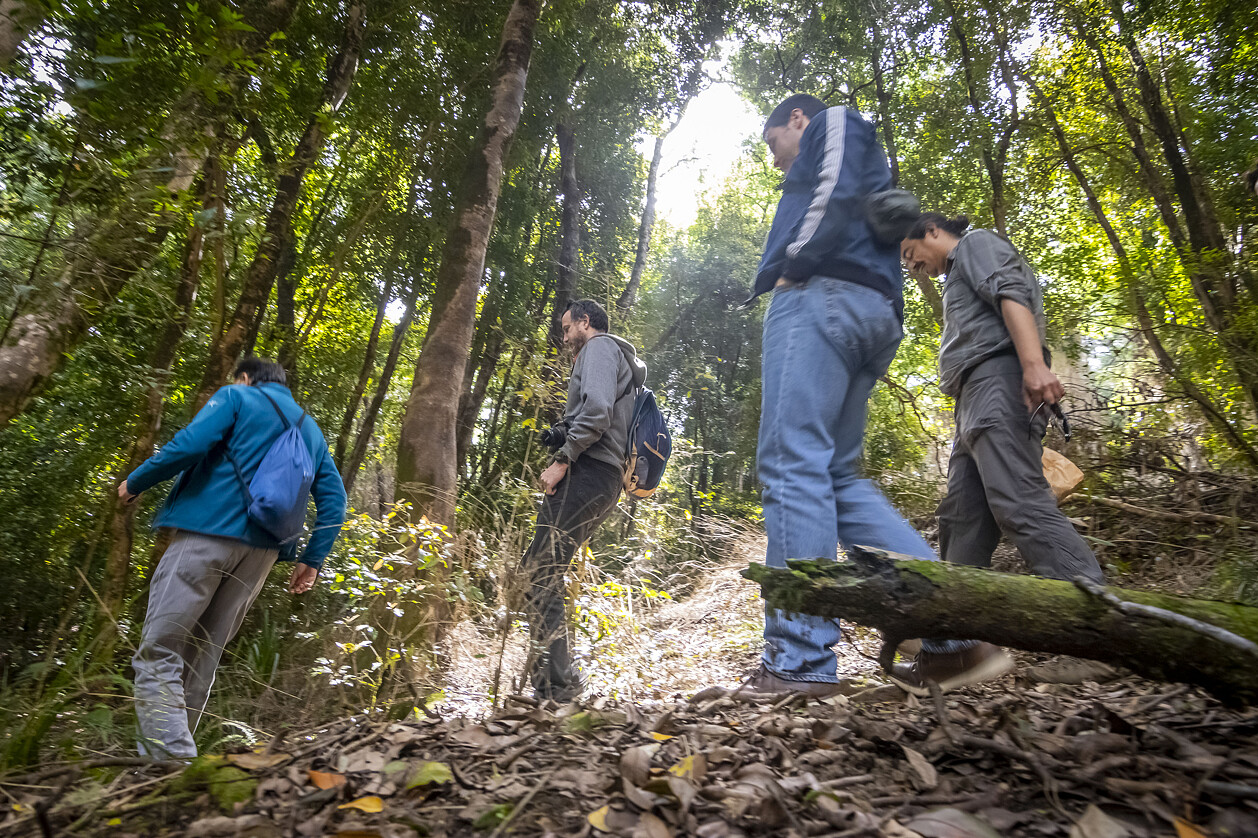
Likewise, as part of the activity, Dr. Paula Aravena A., Veterinarian, Director of the Wildlife Rehabilitation Center at the University of Concepción, states that "I find this initiative and commitment very interesting because it involves many managers from different faculties and different perspectives, which is something that is not usually done in any instance at the national or international level. In general, decisions are made by some nuclei of professionals, but here there is an interactive link where we all work together to move this forward as what it is, a multidiverse ecosystem, from the soil to the animals, through all vegetation."

"Wildlife today has limitations for its mobilization and maintenance. Places like this that not only harbor native vegetation but also native wildlife are very important to maintain the ecosystem balance of the country and to withstand global climate change," adds the faculty member and researcher from the Faculty of Veterinary Sciences.

Natural Laboratory

Expressing his positive view of the activity, Dr. Ronald Mennickent C., Director of Research and Artistic Creation at the University of Concepción, says, "This is a project with great expectations for multidimensional development, which also touches on many aspects related to conservation, linking with the environment, research, and conservation of threatened native species at this time."

"This is a natural laboratory, an opportunity for the institution to project itself from now to 5, 10, 20 years ahead, with a great impact not only scientific, for its intrinsic value in research, but also with an impact on our natural and social environment, because the project can also educate new generations. So, that is of primary importance, as it is a heritage not only of the University of Concepción but of our region. I believe it is essential to incorporate complementary perspectives that allow making much more informed and comprehensive decisions, because nowadays we are much more aware that we have to coexist with nature in a wise way, thinking that we have a planet to inhabit sustainably," he emphasizes.

On the other hand, Ángel Oñate, academic from the Faculty of Biological Sciences, comments that although the project is just beginning, there are good intentions from the university towards the community by preserving these native forest areas within the grounds, which need to be cared for. "The good thing is that here, species that are endangered will be created and preserved," highlights the professional.

The Technical Advisory Committee is part of the technical consultation bodies of the Campus Naturaleza Universidad de Concepción project, included within its governance model. This body will provide academic support for the initiative and will materialize the support of experts in various fields of university knowledge.
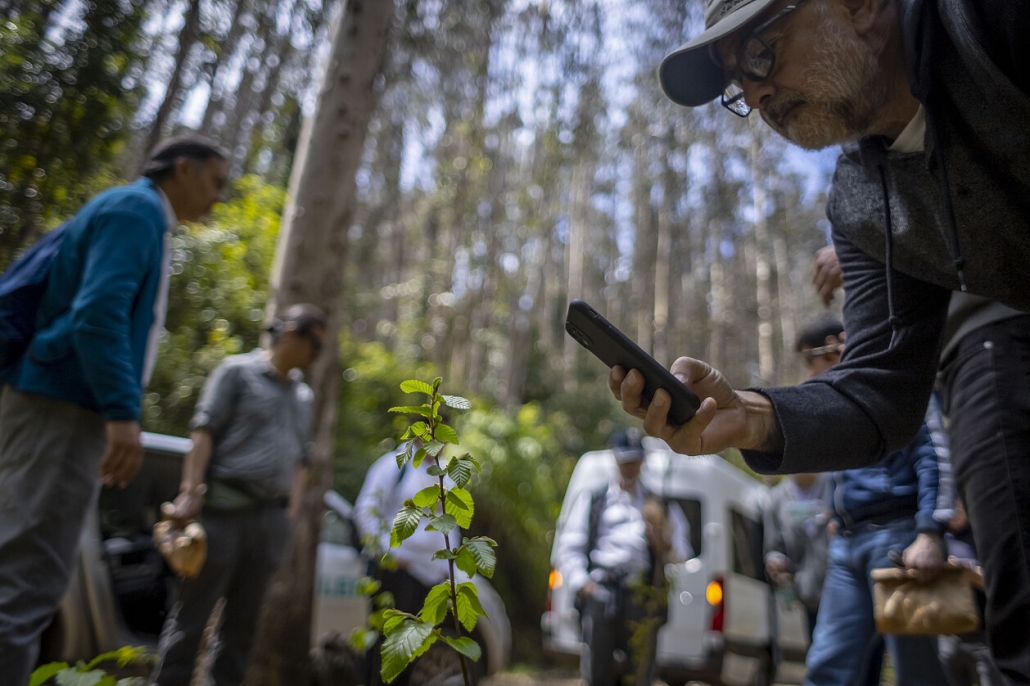
Spring Colors at Campus Naturaleza

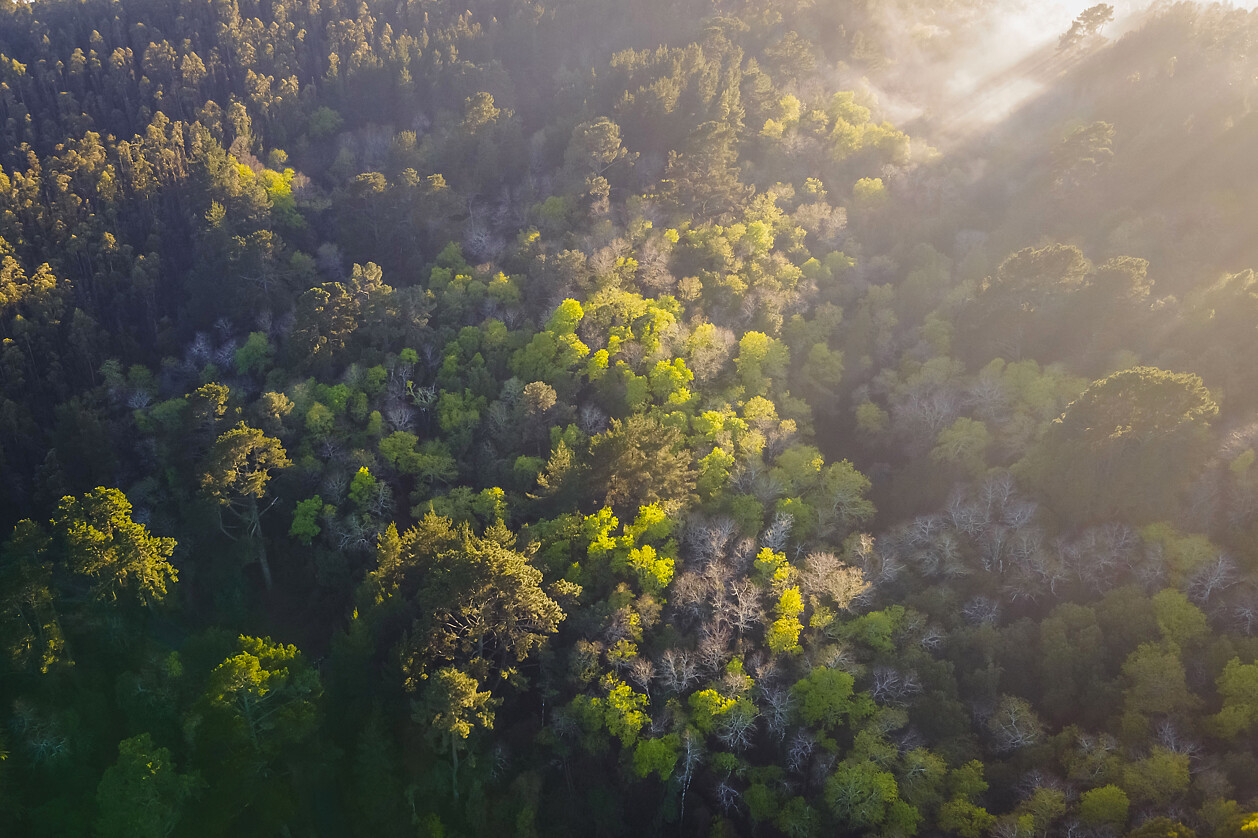
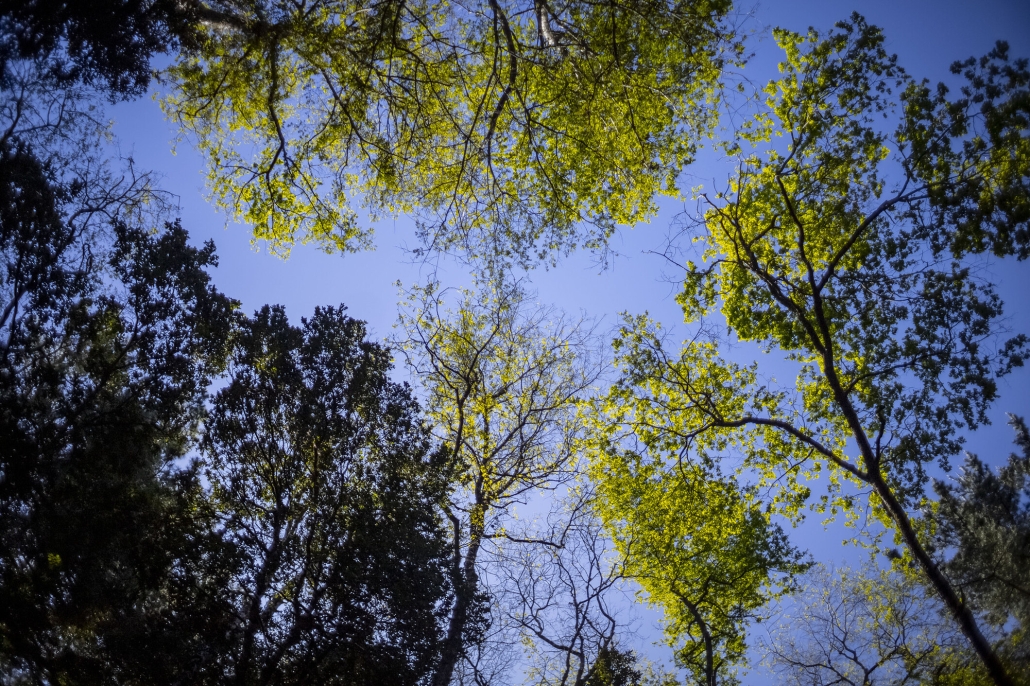
This time of year, characterized by its renewed hues and forms, is easily appreciable in the native forest and the areas where this unprecedented project in Chile will be implemented.


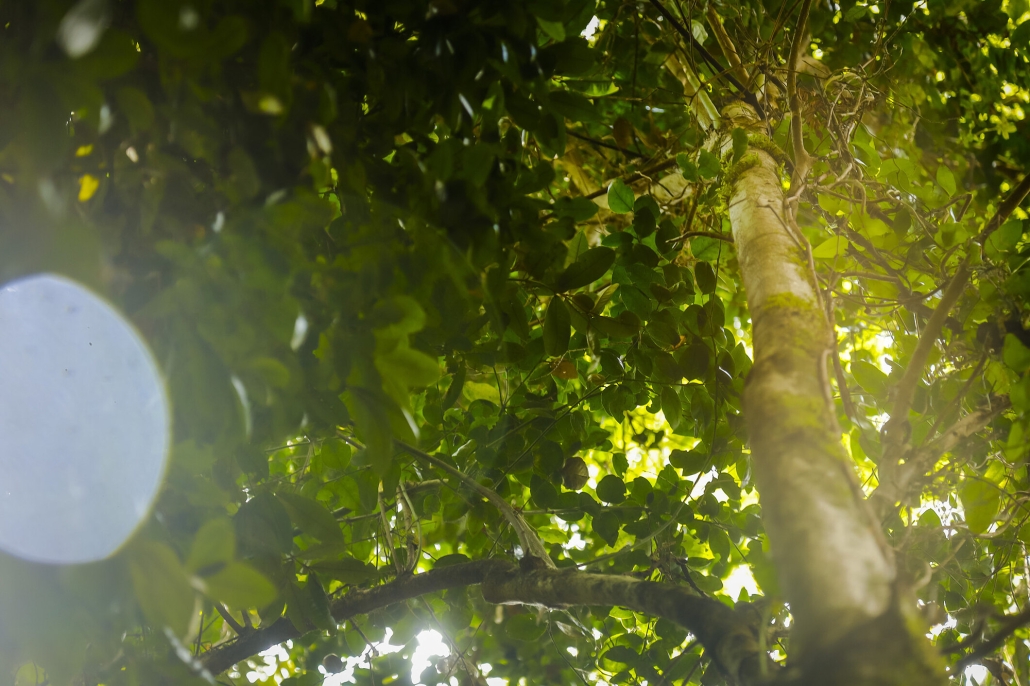
The song of the fiofío, a long-distance migratory bird, was heard for the first time on September 30. Throughout that month, Dr. Cristóbal Pizarro P., deputy director of the Campus Naturaleza Universidad de Concepción project, was on the lookout for the arrival of this bird, which travels between southern Brazil and Cape Horn. "It is not an easy species to see, but it is easy to hear. The peculiarity of this small bird is that it is one of the few long-distance migratory forest species we have in Chile. It is an insectivorous bird, but in south-central Chile, where it nests, it also feeds on the fruits of the canelo tree. Therefore, it is very closely associated with its flowering and has a very ancient evolutionary relationship with this tree species."
The UdeC academic highlights the intrinsic relationship between this and other animal species and the native forest present on the grounds where the Campus Naturaleza project will be implemented. This is a pioneering initiative in Chile, where the last remnants of native coastal forest, which survive in the hills and ravines surrounding the Heritage Campus of the university, will be protected. Additionally, through the project, conservation areas for threatened tree species of Chile will be implemented, ecological restoration surfaces will be established, and the benefits of permanent contact with the natural environment will be promoted.

Natural Reactivation

Dr. Cristian Echeverría L., Director of the Campus Naturaleza Universidad de Concepción project, indicates that there are subjective aspects of how people value this time of year, but it nevertheless "reminds us how alive and organized nature is, through a new cycle of life, in which birds and wildlife, in general, become active again. For example, the oak trees present at Campus Naturaleza, which lost their leaves in autumn, now in spring form their leaves again with intense tones and unique beauty."

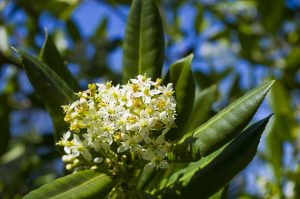
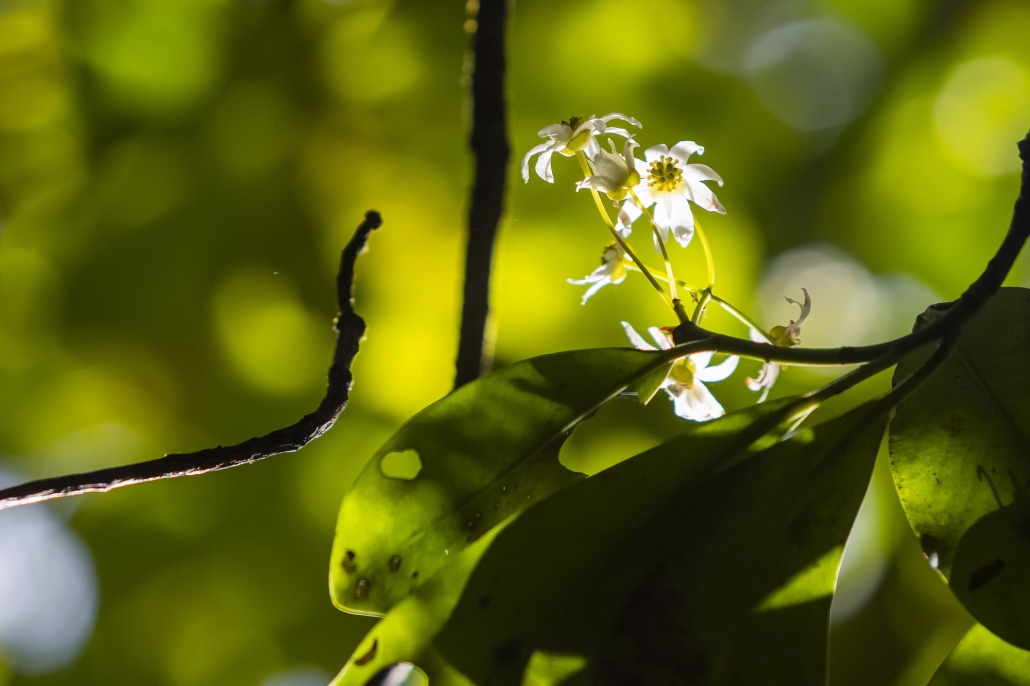
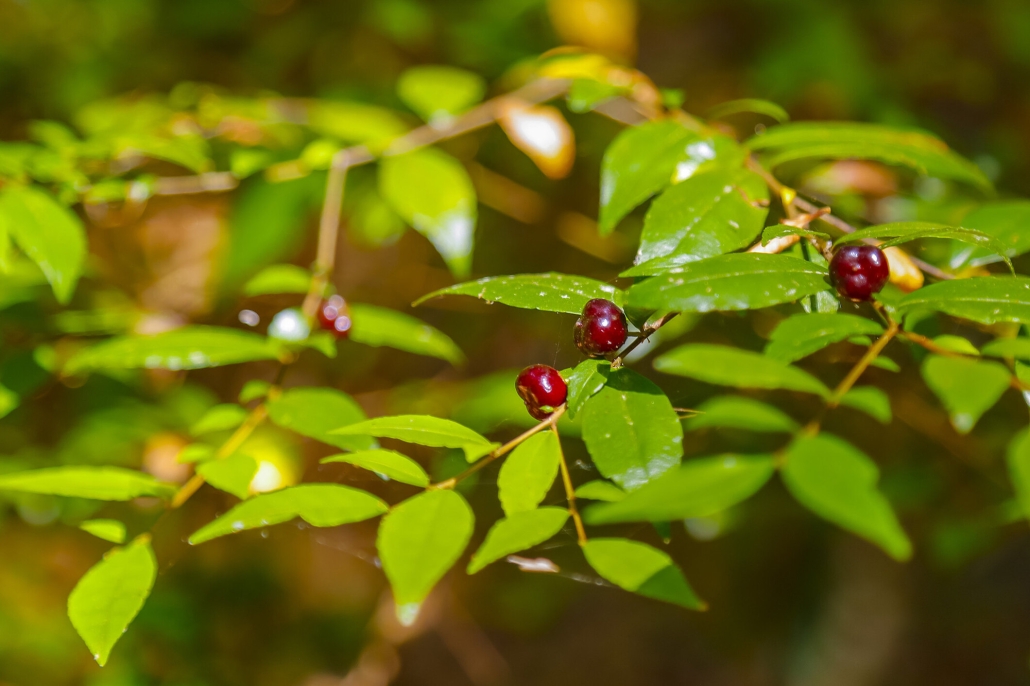
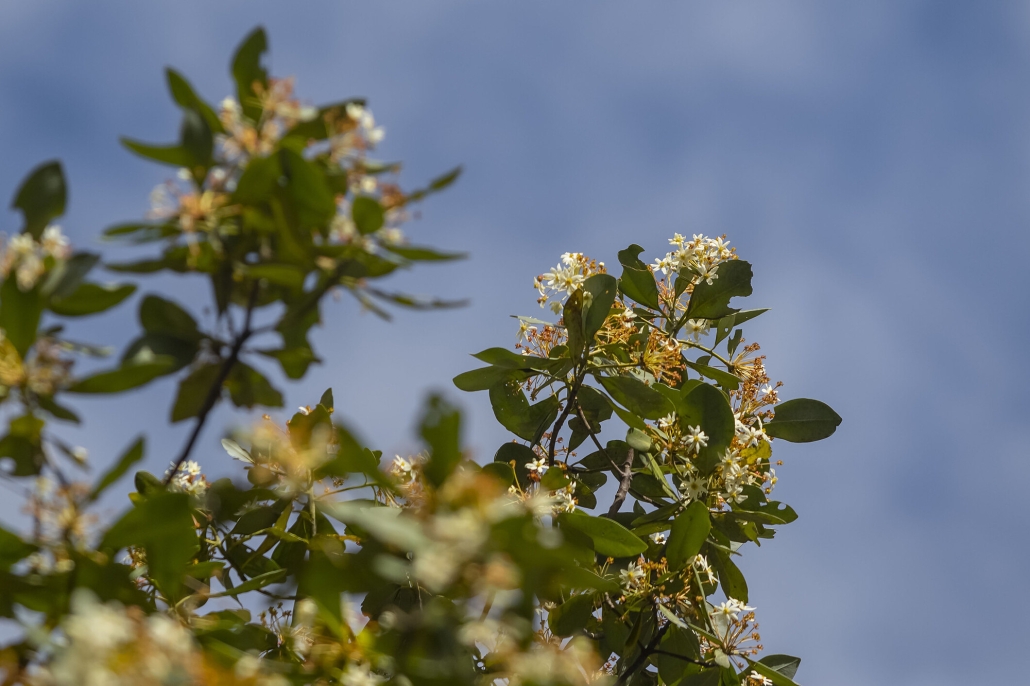
He adds that the pitao, an endangered species, forms flowers that very few people know, adorned with glossy leaves with a lemon scent; the Araucanian michay, another threatened and endemic species of the Biobío coast, also present at Campus Naturaleza, already forms its intensely colored flowers that will later give way to small fruits, edible and desirable by pudúes and other animals. On the other hand, the corcolén, a native species with beautiful yellow flowers, envelops the spaces with its soft vanilla-chocolate fragrance.

He emphasizes that it largely depends on us that nature continues its cycles without interruption. "Biodiversity is hierarchically organized into genes, species, ecosystems, and landscapes. Therefore, when unique and specific species and ecosystems are found, they immediately have high conservation value. This is a legacy, it is the last remaining for future generations to also contemplate the unique beauty that characterizes the local biodiversity, guarded by the Campus Naturaleza project."

Similarly, Ingrid Junge, a neighbor of the area and part of one of the latest guided tours, commented that she finds it incredible that a place of these characteristics is so close to the city. "That's what I find most incredible, that it's right next to it. I live here next to the University of Concepción. So, it's almost magical that this forest is here, almost in the city itself. I find it wonderful, especially considering the time of year, spring, the blooming trees, all of that invites people to come out to these spaces," she says.

The Campus Naturaleza Universidad de Concepción project will cover an area of approximately 180 hectares, which are owned by the university. In these grounds and in successive stages, the project will focus on biodiversity conservation, ecological restoration, and areas of human well-being and mental health, among other related objectives. Currently, the spaces where the project will be implemented have restricted access, with guided tours being the only way to access and learn about the native forest.

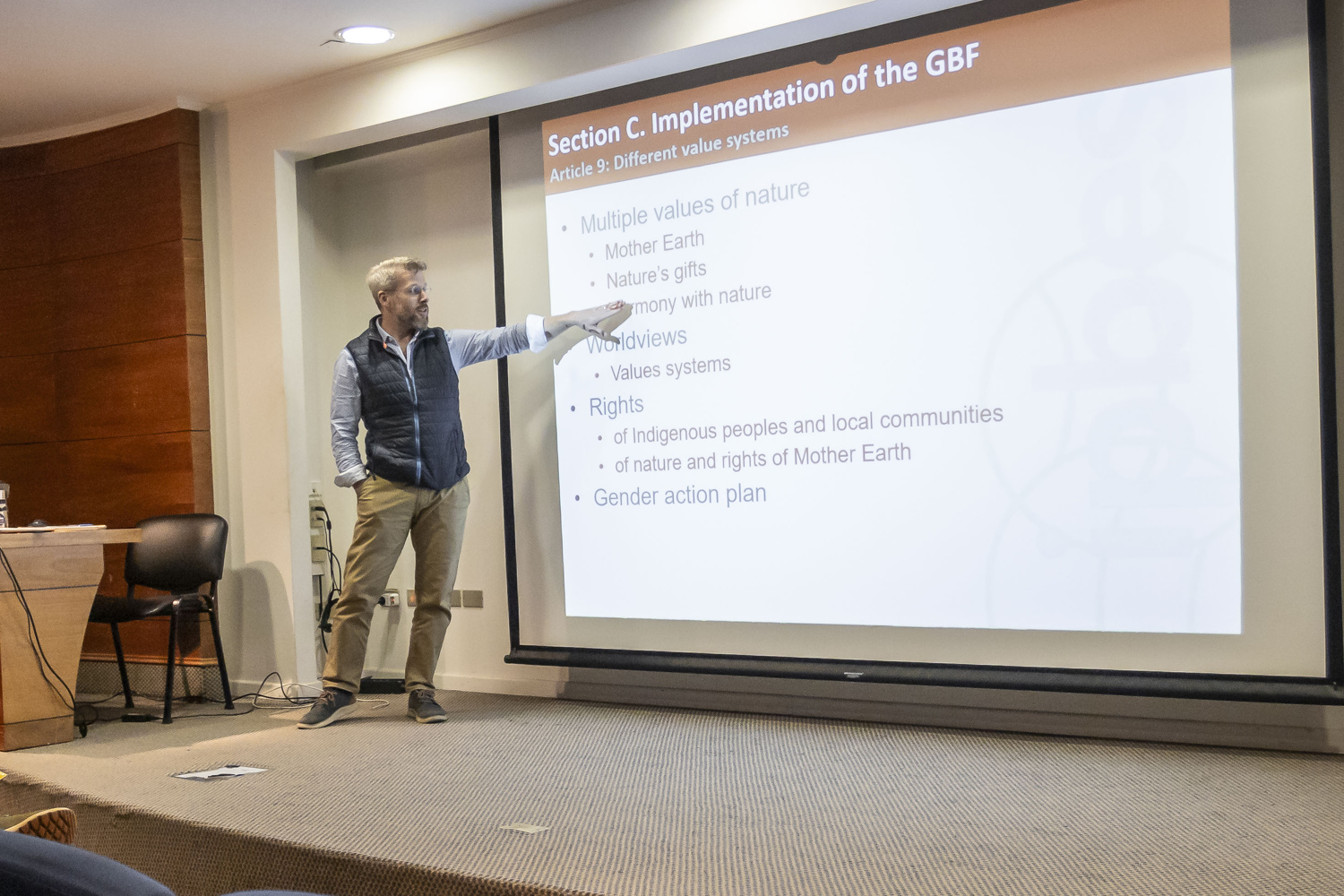
The paradigm shift does not occur solely within the spheres of decision-makers at the national or international level.

Christopher Anderson, IIBPES Associate Professor


“Las especies invasoras exóticas son uno de los cinco principales impulsores de la pérdida de biodiversidad”. La sentencia, hizo noticia hace unas semanas como parte del informe de la Plataforma Intergubernamental Científico-Normativa sobre Diversidad Ecológica y Servicios de los ecosistemas (IPBES).

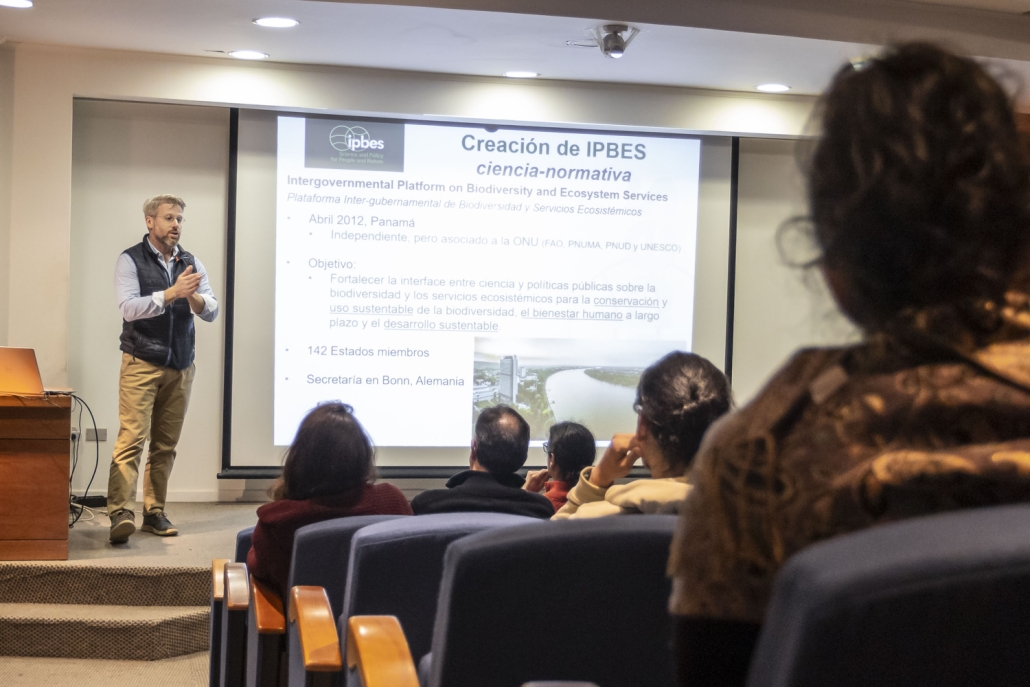
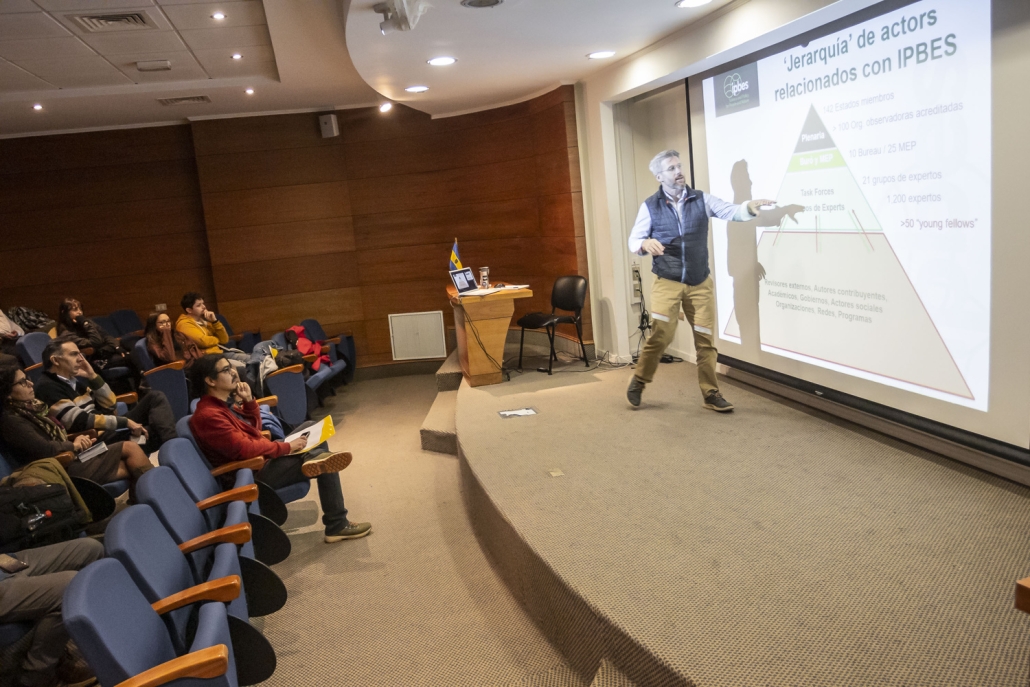
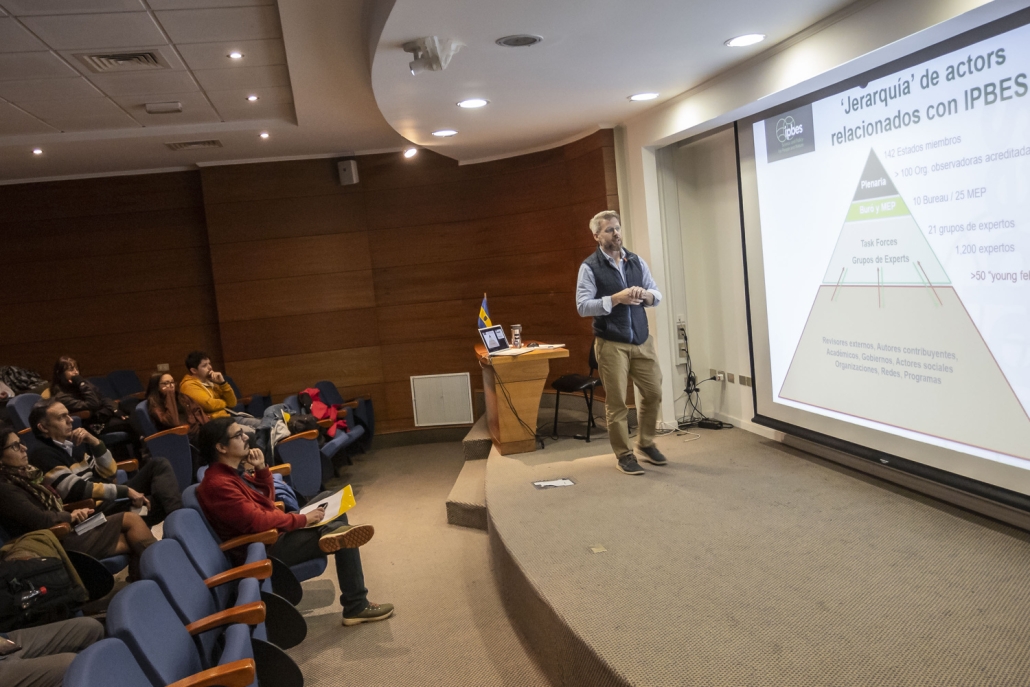
IPBES is a multilateral institution formed by governments. It was established in 2012 to bring together countries interested in addressing the relationship between knowledge and regulations regarding biodiversity and ecosystem services. It is a platform that connects countries and their needs through reports and actions, synthesizing and accumulating information to make it accessible.

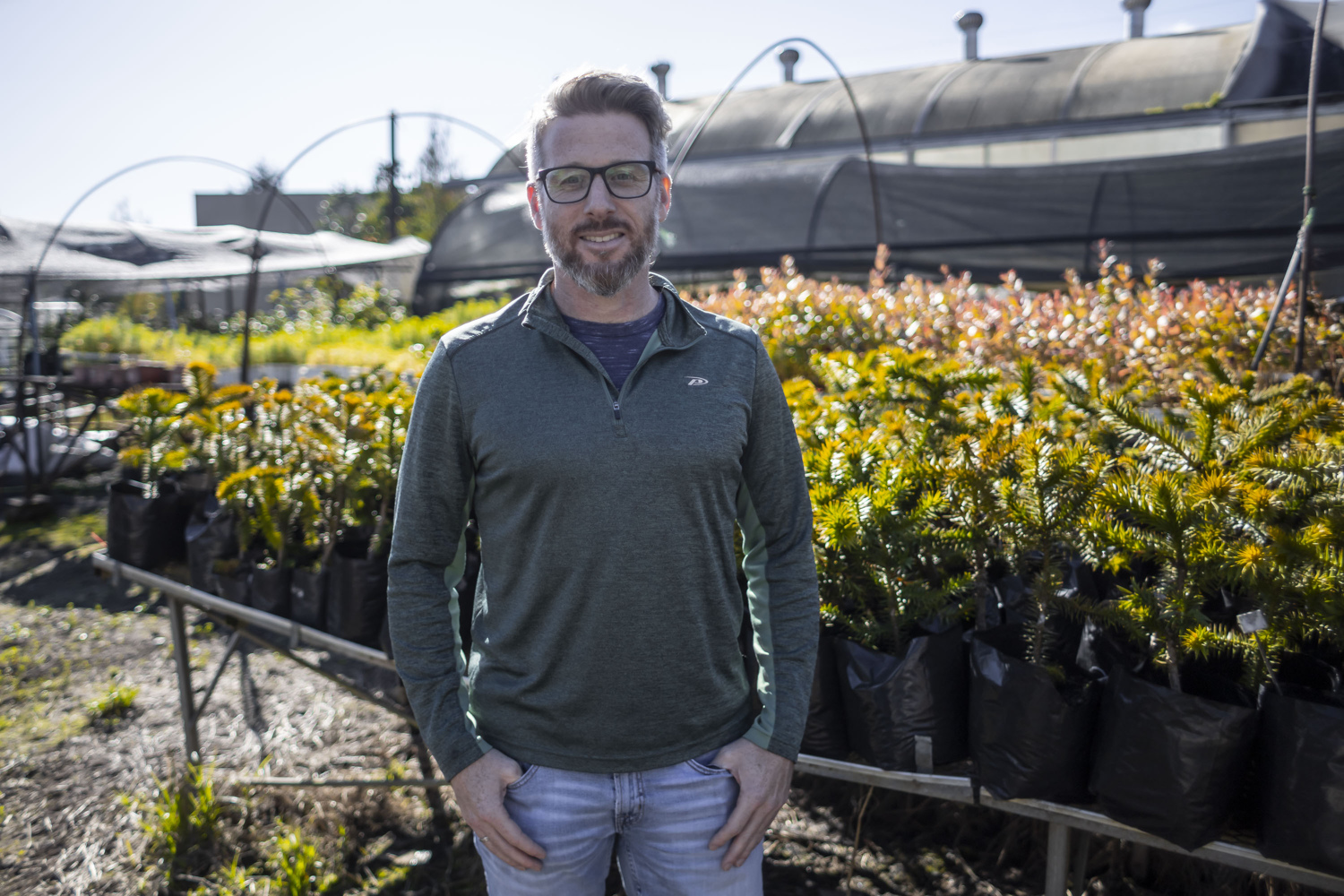
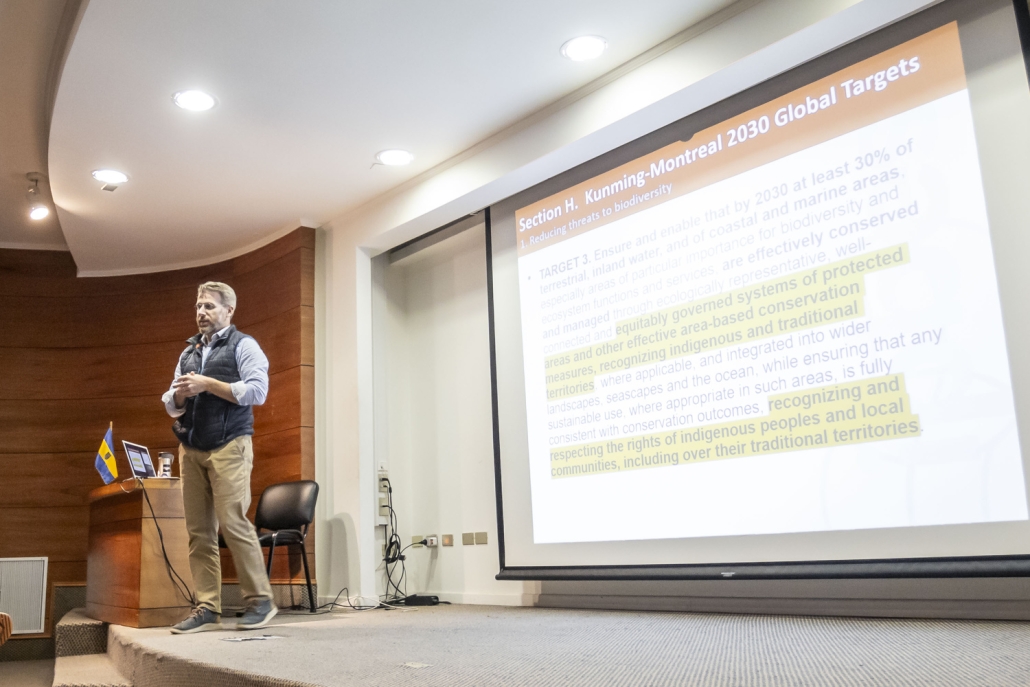
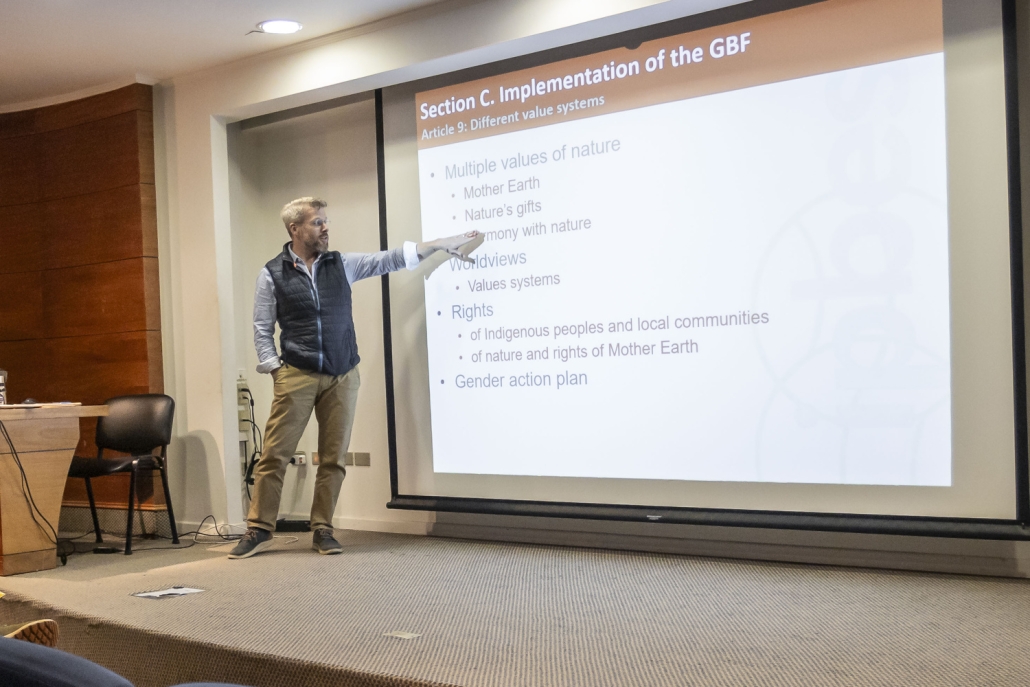
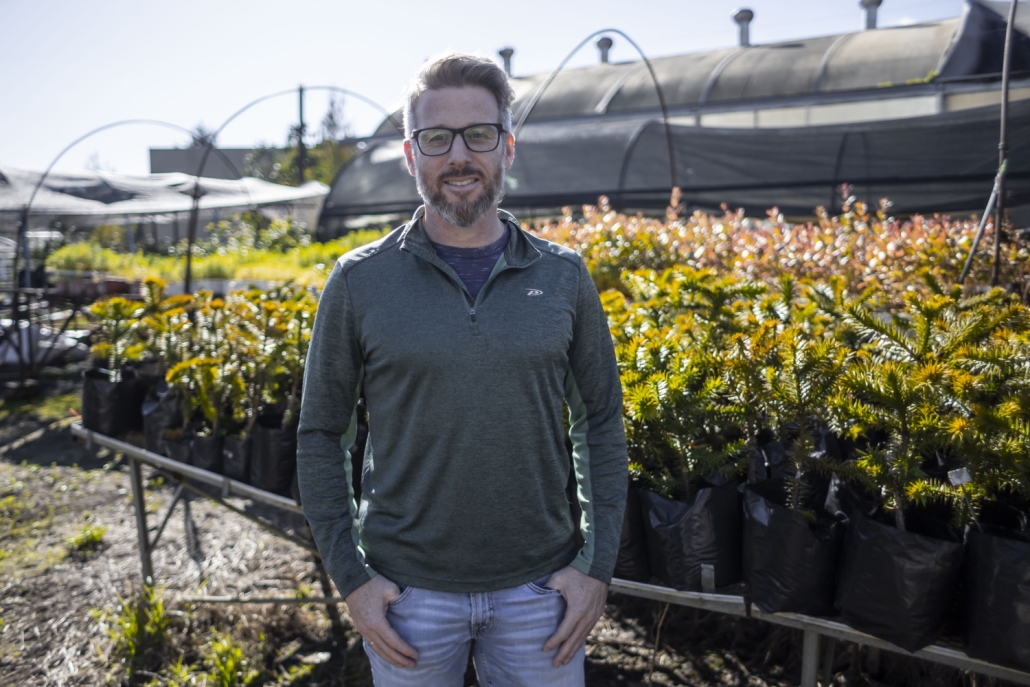
The Biologist and Doctor in Evolutionary Ecology, Christopher Anderson, is an associate of IPBES and 'comments that it was conceived as a platform to link science with decision-making, but in reality, it's knowledge, not just science. Science is a form of knowledge, and mechanisms have been rightly generated to value not only indigenous knowledge but also local knowledge, which encompasses ancestral practices and wisdom of their territories,' states the academic, who was invited within the framework of a Fondecy project led by Dr. Cristóbal Pizarro P., Deputy Director of the Campus Naturaleza Project at the University of Concepción and principal investigator at the Laboratory of Anthropocene Studies."

Paradigm shift

The flippers of a penguin are similar to those of a fish not because they share genetics, but because they solved the same problem in the same way; it's like evolution sometimes leads to the same solution through different lines." Convergent evolution is the concept Anderson uses to refer to how encouraging it is to identify the current paradigm shift occurring in different areas, one that integrates humans with the natural environment

This aspect hasn't always been this way. 'The paradigm shift is relatively new; even most of today's public conservation policies still conceive nature as something we have to protect but also exclude from humans. Even in a meeting a few years ago, the United States government, represented by the Trump administration, objected that when talking about biodiversity, social issues were also brought up, saying that social issues have nothing to do with it, why are we talking about social equity,' recalls the researcher from the National Scientific and Technical Research Council (CONICET) and the National University of Tierra del Fuego, both located in Ushuaia, Tierra del Fuego, Argentina.

After Your Arrival in Concepción, Do You Think the Campus Naturaleza Project Aligns with These New Paradigms You Mentioned Earlier?

"Yes, for me, it is totally consistent. In this case, it demonstrates that this paradigm shift is not just occurring among decision-makers at the national or international level, but also locally and not always for the same reasons. The integration of nature as part of the campus (Campus Patrimonial UdeC), as part of the city, or as part of health is a matter of unification that can be seen wherever one goes."

He adds, "It is a reconceptualization that nature is an aid to achieving goals and not a hindrance. And well, the same thing happens here. Wherever you go, you basically see this, and in all spheres, from economic to cultural; it is no longer just the simple vision of conservationists hugging trees, but knowledge that is being considered at all levels. For some, it is an economic matter, for others, health is increasingly relevant, or cultural vindication, but most importantly, decision-making is being democratized for different reasons."

Campus Naturaleza Universidad de Concepción is a unique initiative at the national level. In the current context of climate change, the project places nature as the compass of its actions.

The objective is the conservation of areas of high biodiversity value, where ecological restoration and scientific research actions will be carried out. In addition, in the future, the community will have a relevant role, participating in cultural, educational and recreational activities.

University of Concepción Establishes Mixed Advisory Council for Campus Naturaleza Project

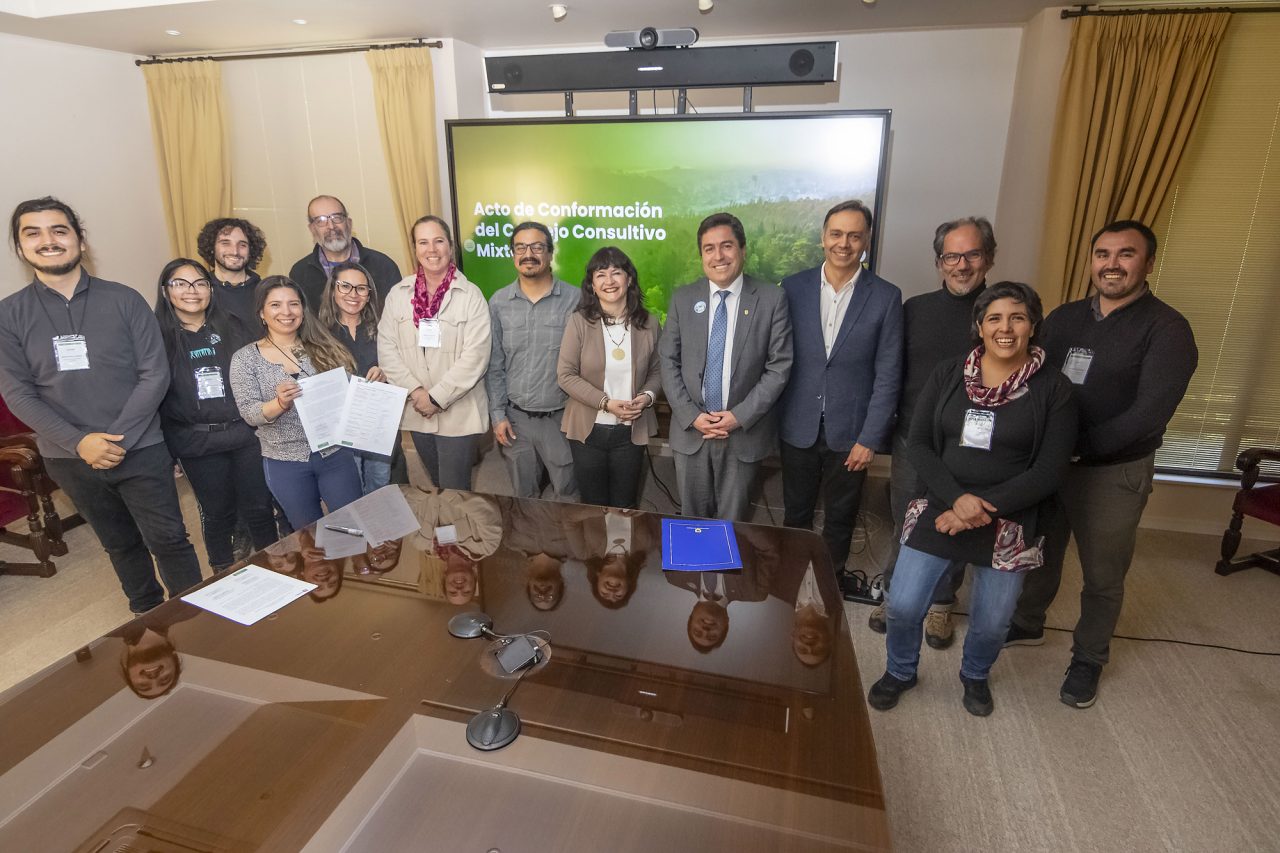
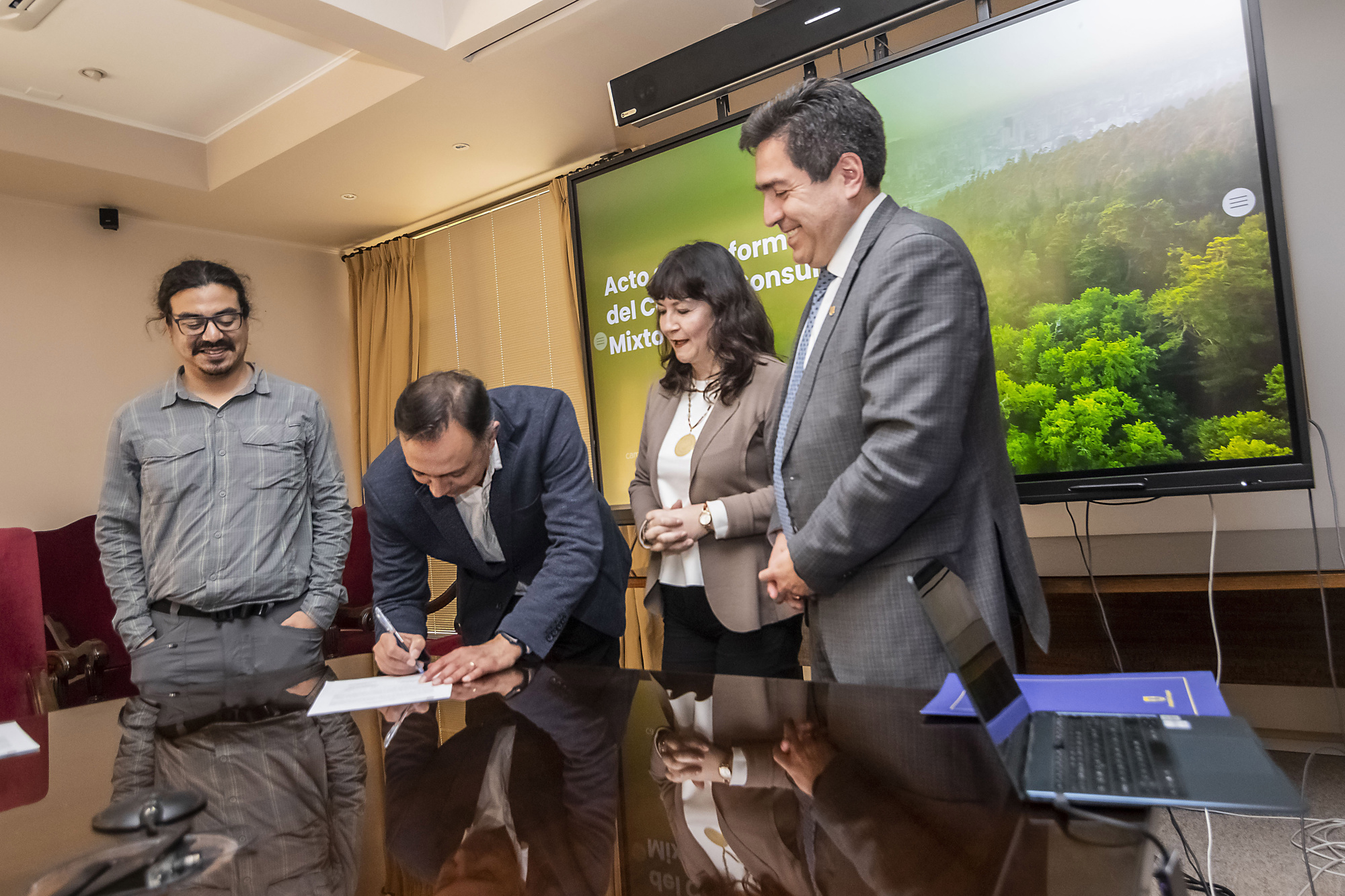
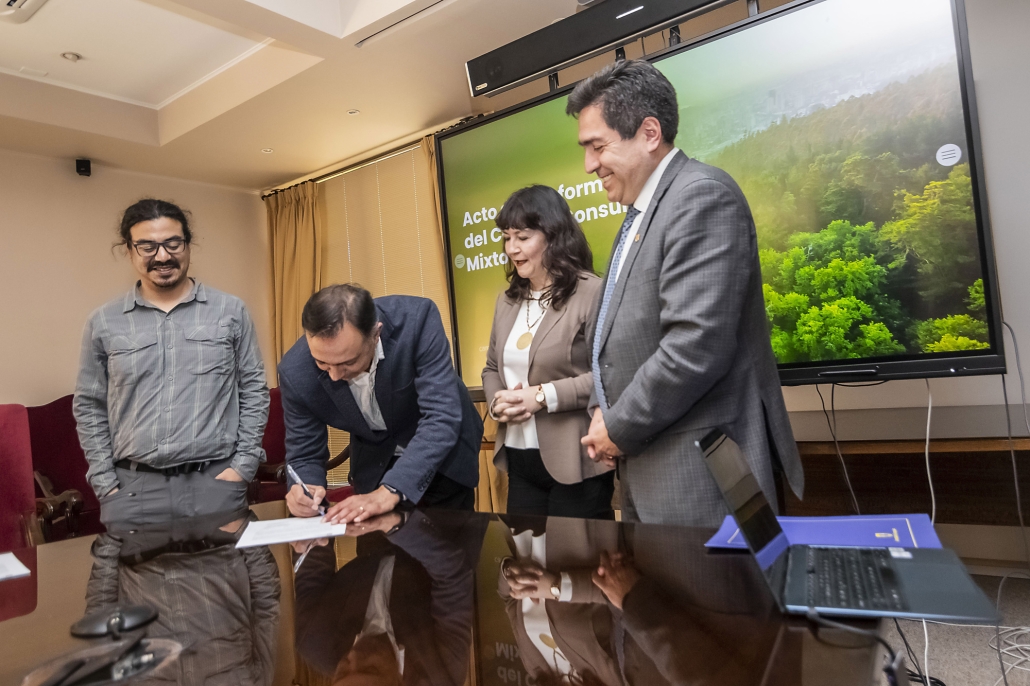
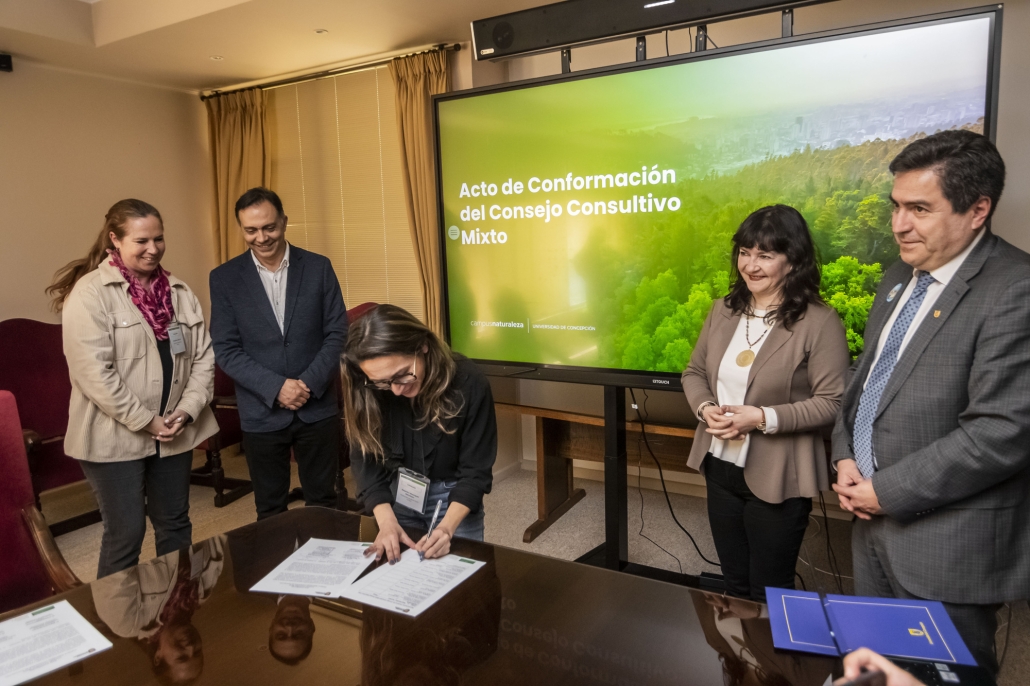
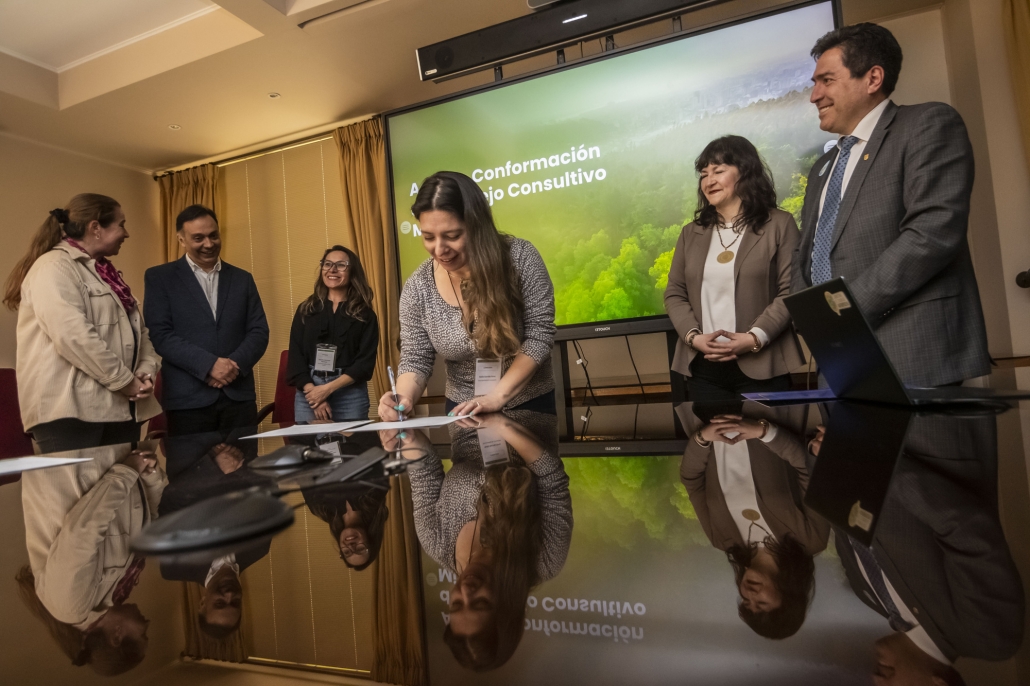
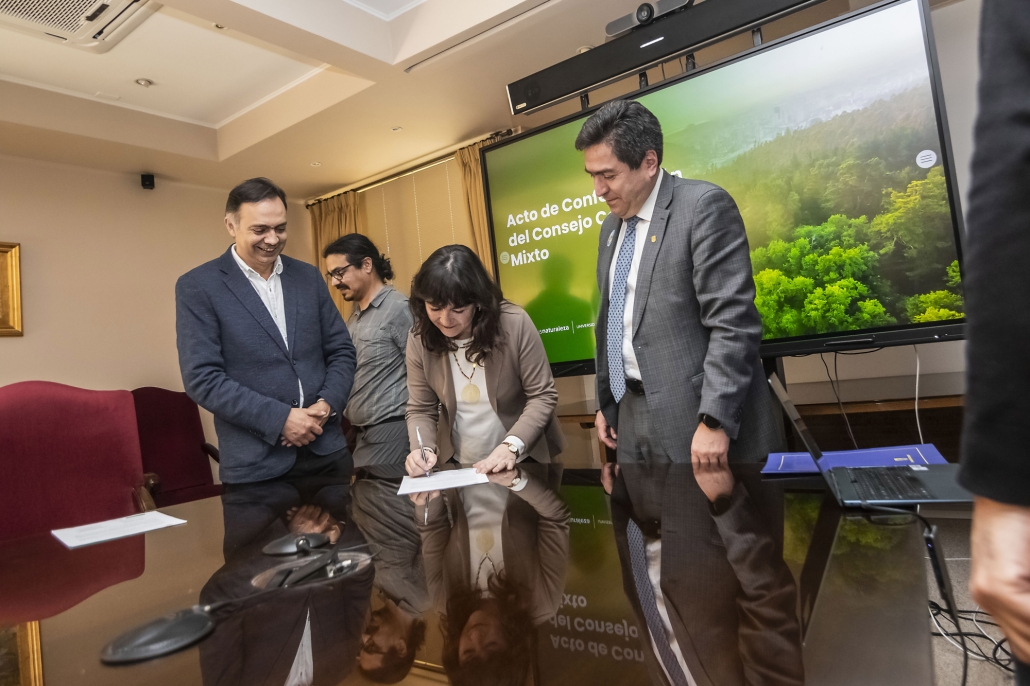
In what signifies a momentous step for the future, the milestone of forming the Mixed Advisory Council for the Campus Naturaleza project at the University of Concepción was achieved. This council is part of the governance model in this stage of the initiative's execution. It includes participation from the university community and representatives of civil society, who will inform about the various facets of the project and also gather suggestions and concerns from their respective sectors.

During the event, Dr. Miguel Quiroga Suazo, Vice-Rector of Administrative Affairs and institutional sponsor of Campus Naturaleza, emphasized the significance of the occasion: "With a highly symbolic act, both internal and external organizations were represented with great enthusiasm. Undoubtedly, everyone recognizes the importance of this legacy that the university is currently establishing, not only for the region or the country, but for humanity."

He also highlighted that "nature conservation fundamentally involves humans, and undoubtedly, the connection with these vibrant organizations is crucial for the project's success," emphasized the UdeC Vice-Rector.

Dr. Ximena Gauché Marchetti, Vice-Rector for Institutional Relations and Community Engagement, expressed gratitude for the attendees and underscored the importance of Campus Naturaleza as "a space where the University of Concepción's three mission pillars—education, research, and community engagement—come together."

She added, "In the current scenario of global climate crisis and the pursuit of biodiversity conservation, which is one of the objectives of this project, strong support is required from the entire institution and various actors in the community of Concepción. For this reason, a participatory governance framework has been established, with its fundamental pillars rooted in our university's Engagement Model and Policy."

Dr. Cristian Echeverría Leal, Director of the Campus Naturaleza project at UdeC, emphasized, "Today marks an important step in the governance of Campus Naturaleza. Conservation cannot succeed without society's participation. This advisory council represents a valuable contribution to the project, as it will be a space for civic participation, where different perspectives converge with the common goal of contributing to the long-term protection of our biocultural heritage."

He further stressed, "As custodians of unique ecosystems in the country, Campus Naturaleza will be a window to contemplate our irreplaceable biodiversity. With an equitable and long-term perspective, the project not only aims to create a space for local biodiversity conservation and restoration but also aims to raise awareness about how much we depend on a healthy and restored nature."

Dr. Cristóbal Pizarro P, Deputy Director of the initiative, added, "The Mixed Advisory Council reflects our firm belief in the importance of involving society at every step of the process."

He pointed out, "In this initial stage, during the design and development of the Master Plan, the Mixed Advisory Council is inclusively composed. It includes two representatives from the internal university community and three representatives each from the social-community, political-public, productive, and cultural/educational sectors. This ensures a wide range of perspectives that will enrich the decisions made regarding the project."

Sebastián Parra Cabrera, Director of the Corporación Cultural Actos Sinestésicos, emphasized, "This is definitely progress. It has been hopeful to be part of this initial meeting, where we get to know the people who will support the project based on what we do in our respective fields."

"All this knowledge exchange aims to propose solutions to an issue—a forest that has been overlooked, currently intervened. Therefore, it is necessary and urgent to act, and the university has taken on the responsible role of finally uniting this perspective to propose a multifaceted solution to a multifaceted problem," he added.

The first part of the activity took place in the Boardroom of the Vraea Building, symbolizing the solemnity of an act that constitutes a fundamental pillar of the Campus Naturaleza UdeC project. After signing the council's charter, attendees visited part of the project's involved lands, currently accessible only through guided tours.

"The Nature and Community Connection: Guided Tours Begin at Unprecedented Conservation Project in Chile"

Carrying out one of its priority axes, the biodiversity conservation initiative, unique in the country, began its guided tour program. This will be the only official way to get to know part of the project's land, which seeks to promote the benefits that permanent contact with nature generates for humans.


The welcoming call of the chucao bird greets visitors arriving from various places, not too far away; in fact, just 15 minutes separate the city of Concepción from one of the last remnants of native coastal forest still surviving in this region of the country.

Neighbors, representatives from environmental organizations, and the community at large are here as part of the outreach efforts of the Campus Naturaleza Universidad de Concepción project; a visit to the heart of a groundbreaking initiative in Chile, aimed at conserving the biodiversity of an area inhabited by naranjillos, pitao, and Araucanian michai, which also serves as home to the pudú deer, rose-colored frog, guiña cat, and tiger crab, among others. These 7 species, both arboreal and animal, are endangered.

Like the forests that take their time to grow at the pace of living ecosystems, Campus Naturaleza is a project to be executed in different stages over the years. After its implementation, this area adjacent to the Universidad de Concepción main campus will be made accessible to the community with high standards of protection, environmental education, and a network of established trails, among other aspects, fulfilling the objective set by the Concepción university; to propose a new form of interaction between humans and nature, transformed into a biocultural legacy, not only for the Concepción community but also for the country and the planet.

Ximena Gauché Marchetti, Vice-Rector for Institutional Relations and Community Engagement at Universidad de Concepción, notes, "One of the defined lines in the Institutional Strategic Plan of the Universidad de Concepción is Sustainable Development, an aspect that transcends the environmental to embed itself in every facet of the institution's activities. This, together with our public, civic, and centenary nature, which has promoted community engagement since the university's founding, encompasses all the mission areas of the institution, with Campus Naturaleza representing a new space to manifest this work."

She further adds, "The legacy proposed by the project is to find a responsible way to address the care, maintenance, and recovery of the environment and its biodiversity, all grounded in the collaboration of various university bodies and the Concepción community, with a participative model of good governance, ensuring an effective and synergistic connection for mutual benefit between the university and the region, projected not only towards Concepción," she emphasizes.

Biodiversity Conservation

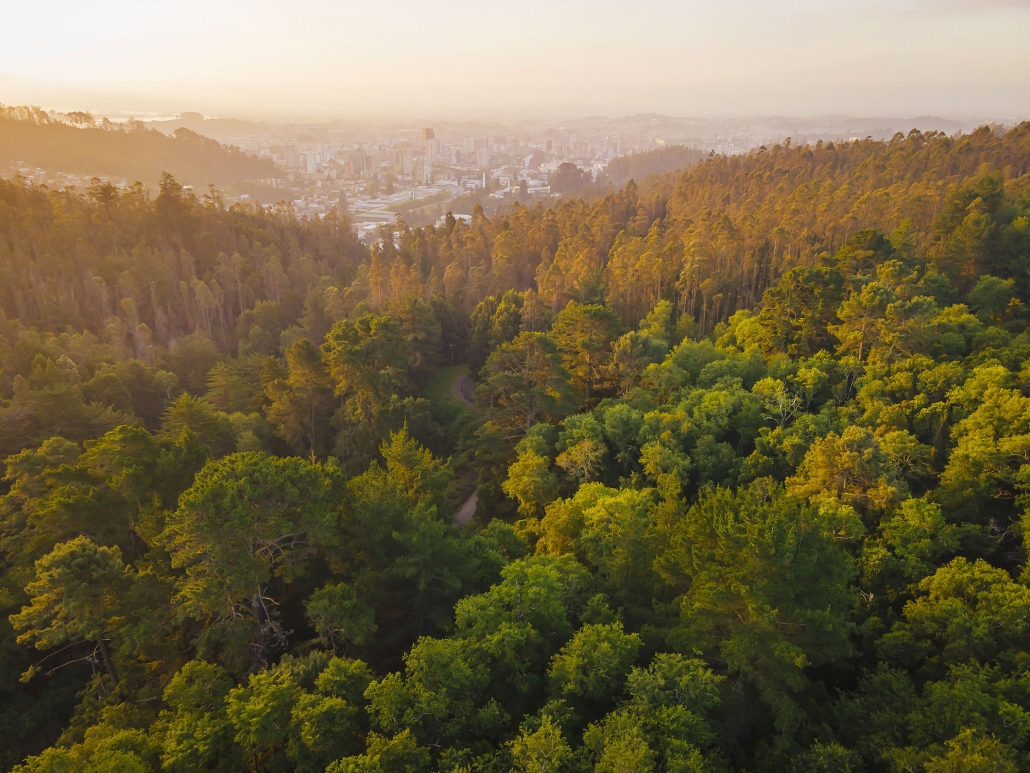
The tree species currently present on the project land correspond to the last vestiges of what was once the Concepción Deciduous Forest, a unique and irreplaceable ecosystem, a transition between the species that inhabit the central and southern areas of the country.

The initiative will not only conserve 25 hectares of these relict forests and 17 hectares of aquatic ecosystems but will also execute ecological restoration actions in areas covered by exotic species such as eucalyptus, pines, and acacias. eucaliptus, pinos y aromos.

Dr. Cristian Echeverría Leal, Director of the Campus Naturaleza project at Universidad de Concepción, states, "We are not only working to create a space for the conservation and restoration of local biodiversity but also to raise awareness among people about how much we depend on a healthy and restored nature. Currently, the stability of many of our socio-ecological systems is at stake. Our landscapes are moving away from resilience and from meeting current and future human needs."

"That's why having a unique window to contemplate our invaluable biodiversity through an initiative where science is the cornerstone and social connection the heart of the project is crucial," he emphasizes.

Among the project's key actions is the ex-situ conservation of biodiversity through the establishment of a botanical garden containing living collections of Chilean plants, following international standards. "We will begin by establishing the first living collection of the three endemic and endangered Nothofagus trees in South America, found only in Chile: ruil, hualo, and Santiago oak,"

Key Pillar

Similarly, Dr. Cristóbal Pizarro Pinochet, Project Co-Director, explains that the socio-environmental aspect is one of the priority axes. "It involves social connection and biocultural environmental education, where we aim to reconnect people with nature through educational, recreational, and healthy activities. All of this brings multiple benefits to people. Outreach activities are the human heart of Campus Naturaleza and must be conducted with ethical sense and respect, safeguarding fragile ecosystems that also need to be restored and cared for by the entire community. In this regard, we project that citizen science and art-science will support us in generating not only education but also awareness for their care."

He also highlights that "the initial approaches with the community give us an encouraging sign that we can count on the support and synergy of neighbors, educational centers, community organizations, socio-environmental entities, and government bodies. We are establishing progressive and transparent participation mechanisms to integrate the knowledge of different community actors who value this space and nature," concludes the UdeC academic.

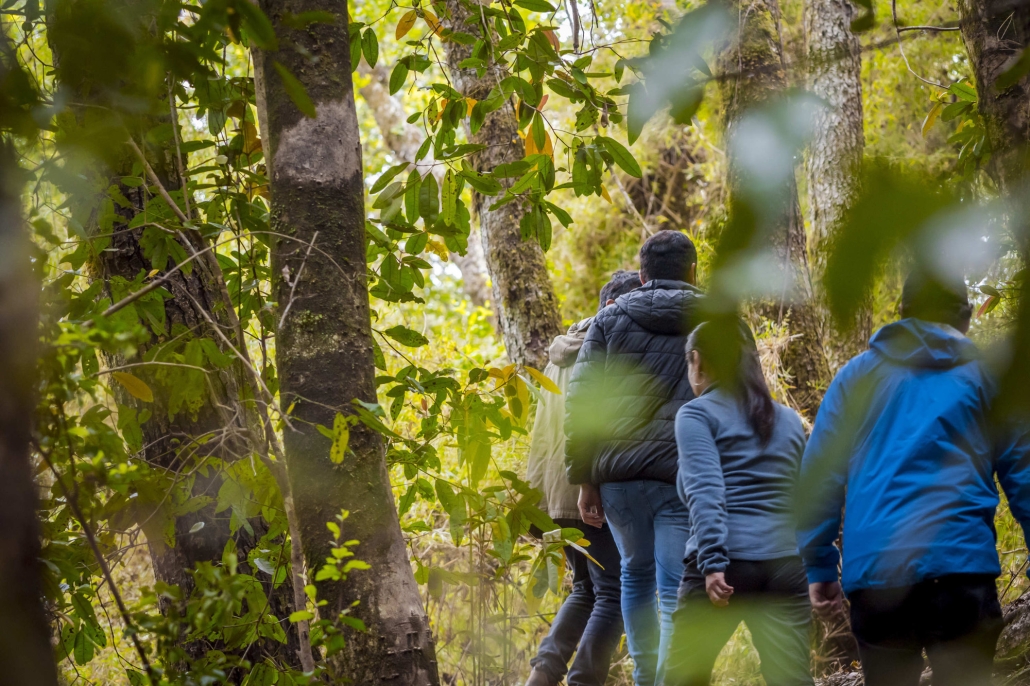
One of the concrete actions within these engagement mechanisms is guided tours. These activities will take place once a month, with approximately 20 spots available, aiming to take people to explore the relic coastal forest surviving on the grounds owned by UdeC.

While it is a private area, the forest and open-air environment have attracted cyclists, mountain runners, and individuals interested in fungi, birds, fauna, and biodiversity in general for years. Among this latter group is Francisca Pedreros, Environmental Engineer and member of the NGO La Escalera; after the activity, she commented that she learned about the project in May and finds it very necessary these days. "It's something that already exists, and it's very important that together we can manage this place properly, so it doesn't continue to erode and can be maintained over time, which is also the idea behind the project," she stresses.

All information about visits will be published on the social networks of the Campus Naturaleza Universidad de Concepción project @campusnaturalezaudec. It is important to consider that, due to the fragility of the ecosystems present in the place, visits with pets are not contemplated, since the presence of domestic animals can alter these habitats and the fauna that depend on them. Likewise, the areas will remain with restricted access, being, then, guided tours the only official way to get to know part of the project lands.

An unprecedented nature conservation project begins in Chile.

The university, within the framework of its 104th anniversary, undertakes an initiative of unique characteristics in the country, based on science and on the benefits that constant contact with nature provides to humans. This is the Campus Naturaleza Universidad de Concepción project.


"Olivillos, peumos, robles, and canelos, among others; foxes, monito del monte, guiña cat, and pudú, as representatives of animal species. What we are describing is not an ecosystem from Patagonia or the Valdivian rainforest. This is an environment that exists just a few kilometers from the city center and now takes center stage as Campus Naturaleza Universidad de Concepción.

You cannot inaugurate something that was already there: the last vestiges of what were once the great coastal native forests. However, you can elevate its status as an essential piece of a pioneering initiative in Chile, based on science and the benefits that continuous contact with nature provides to human beings.

The spirit of the project calls for it to become the new biocultural legacy for the community, the country, and the planet. The university, in the context of its 104th anniversary, begins a phased approach that will not only preserve this important natural heritage but also make it available to the community in various forms.

Under the imprint of scientific knowledge, areas of high biodiversity value currently existing will be preserved. Additionally, ecological restoration actions with native forests and scientific research will be carried out to help nature regain its functionality as an ecosystem.

Simultaneously, the project will engage with the community through various avenues; implementation, design, and other processes will begin to illuminate a space available for the community, serving environmental education, culture, and various forms of knowledge present in university activities.

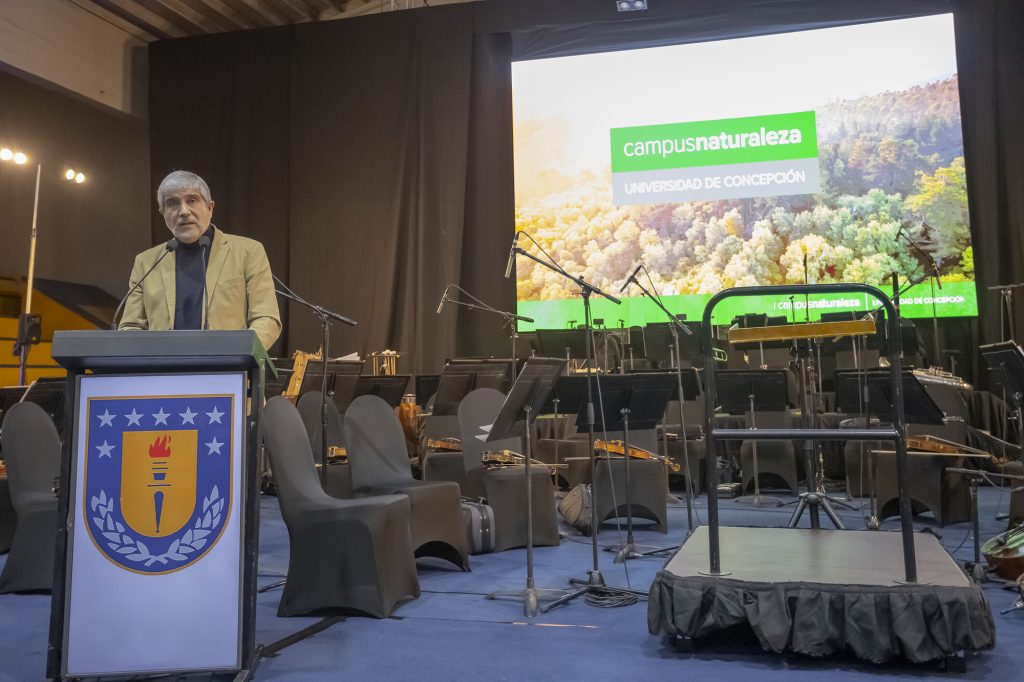
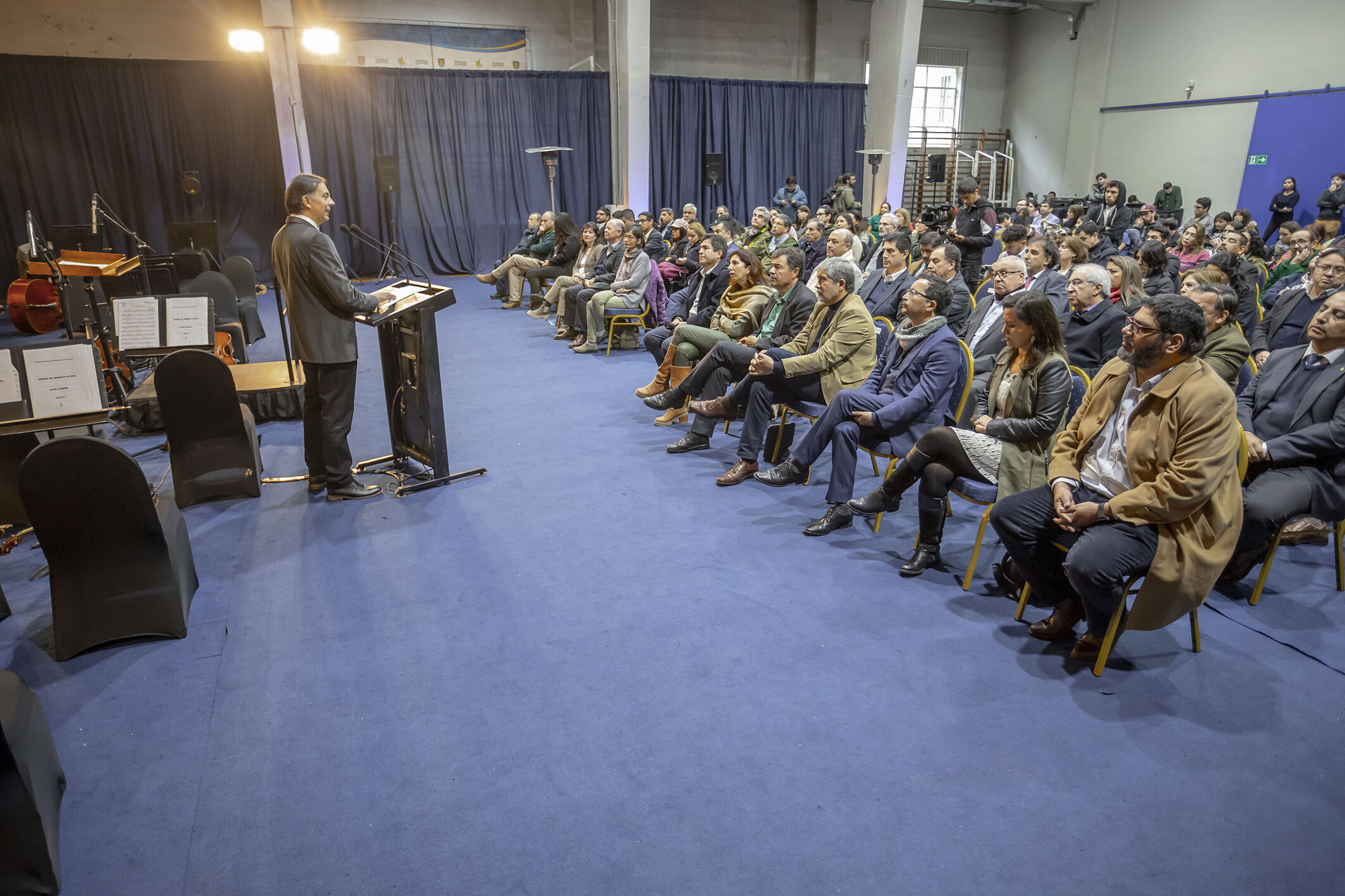
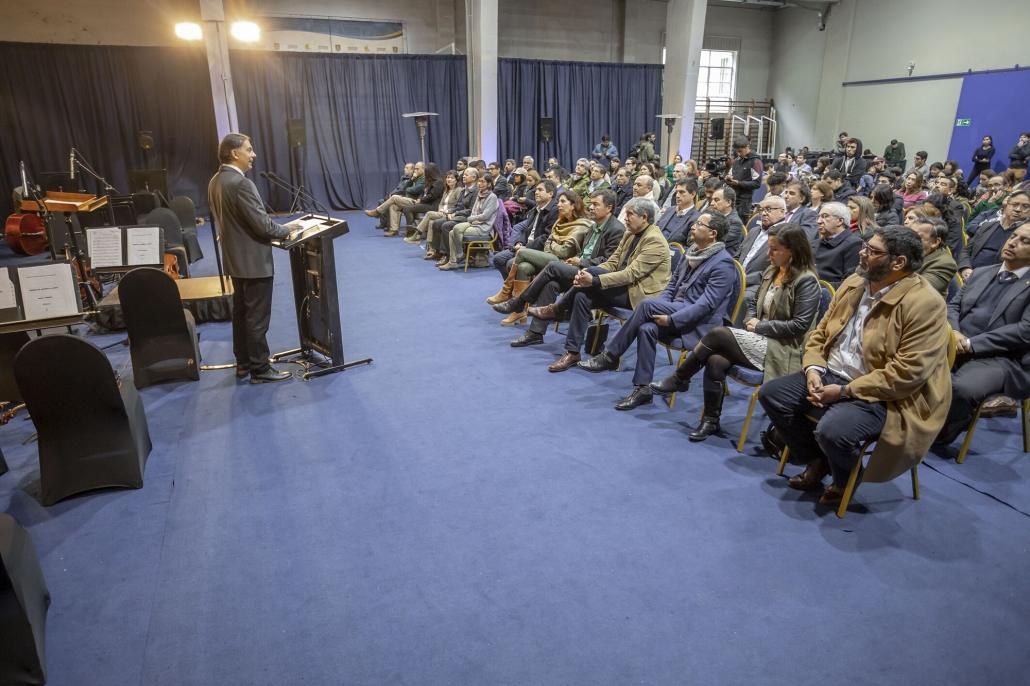
At the launch event, Dr. Carlos Saavedra Rubilar, Rector of the Universidad de Concepción, stated, 'In this space, the fundamental tasks of the Universidad de Concepción in educational processes can coexist, transforming it into a practical site for all students of the University and welcoming students from other institutions; participating in research processes, in the care of our biodiversity, and also in community engagement, while being a space for recreation and mental health for the city of Concepción.'

Meanwhile, Minister of Agriculture Esteban Valenzuela Van Treek highlighted the contribution of this unique and differentiating project in the country, where both nature preservation and city engagement coexist. 'President Boric sends all his greetings to the Universidad de Concepción and gratitude for this tremendous progress. Without exaggeration, it is like a new university reform, an eco-reform, incorporating nature as a fundamental part of conservation, knowledge, and spirit, a place for healing. Chile requires much inspiration, balance, and harmony, which are crucial in higher education,' noted the minister.

During the same event, held at the UdeC Sports House, Dr. Ximena Gauché Marchetti, Vice-Rector for Institutional Relations and Community Engagement, commented that the functioning of Campus Naturaleza was articulated through the UdeC Community Engagement Policy, involving faculty members, undergraduate and postgraduate students from different faculties, 'as well as a committee and involvement of external organizations to the university - whether environmental, educational, or health-related - which will allow us to gradually implement a governance model unprecedented in a project like this, enabling citizens to embrace it and feel it as a gift from the Universidad de Concepción, not only to the city, the country, and the region, but to the world.'

Initiative in the Context of an Environmental Crisis

At the same event, Dr. Cristian Echeverría Leal, Project Director of Campus Naturaleza Universidad de Concepción, explains that the stability of many of our socio-ecological systems is at stake. Our landscapes are far from being resilient and meeting human needs, both current and future. He emphasizes that we are heirs to unique ecosystems and species from our country and the planet, and in that sense, 'Campus Naturaleza will be a window to contemplate our unique and invaluable biodiversity. With an equitable and long-term perspective, the project not only aims to create a space for the conservation and restoration of local biodiversity but also to raise awareness among people about how much we depend on a healthy and restored nature.'

'There has never been another time in history when biodiversity and human well-being have been so relevant to public policy and decision-makers. For a long time, nature determined our survival, but now we determine its survival,' he emphasizes.

Furthermore, Dr. Cristóbal Pizarro Pinochet, Deputy Director of the Project, highlights that 'as a university, we are delighted to see Campus Naturaleza as an initiative that connects people around the conservation of nature. As an academic, I am proud and celebrate that our university makes available all areas of university work to restore the biodiversity of forests and wetlands, right from our own place of work and territorial engagement in Greater Concepción. I feel it is a firm signal of what the environment means to our institution. I am also deeply moved by having clear and transparent participation mechanisms, thereby integrating the knowledge of members of the Penquista community who value this space and nature.'

He adds that after an initial phase of engagement with the community, 'it is encouraging to see the support and synergy from educational centers, neighbors, and social and environmental organizations in our region,' he comments.

Being a peri-urban area, i.e., an environment adjacent to the city, special emphasis will be placed on aspects that may be common in streets but are sensitive in fragile, biodiverse ecosystems. Silvana Campos Villavicencio, Conservation Manager of Campus Naturaleza, says, 'There are activities that are incompatible with the conservation of these places, for example, the transit of people with pets, as this directly and indirectly affects local biodiversity, even if they are vaccinated, leashed, or well-behaved.'

The specialist explains that these domestic animals can transmit diseases or their mere presence and scent alters the behavior of native wildlife; added to this is the risk of direct attacks on various species. 'In this regard, we have seen many cases in the region of pudús being attacked by dogs, or foxes with distemper or fleas, to mention some cases that we want to prevent from happening in these ecosystems. Additionally, thanks to camera traps, we have been able to identify the presence of packs in the same sites used by wild fauna, and in some cases, these are the same dogs accompanying people who enter and then roam the forest,' she comments.

Campus Naturaleza Universidad de Concepción will implement an in-situ conservation area for fragile native ecosystems of high biodiversity value over an area of 180 hectares. It will also include areas for ecological restoration and ex-situ conservation through the establishment of living collections of Chilean flora species.

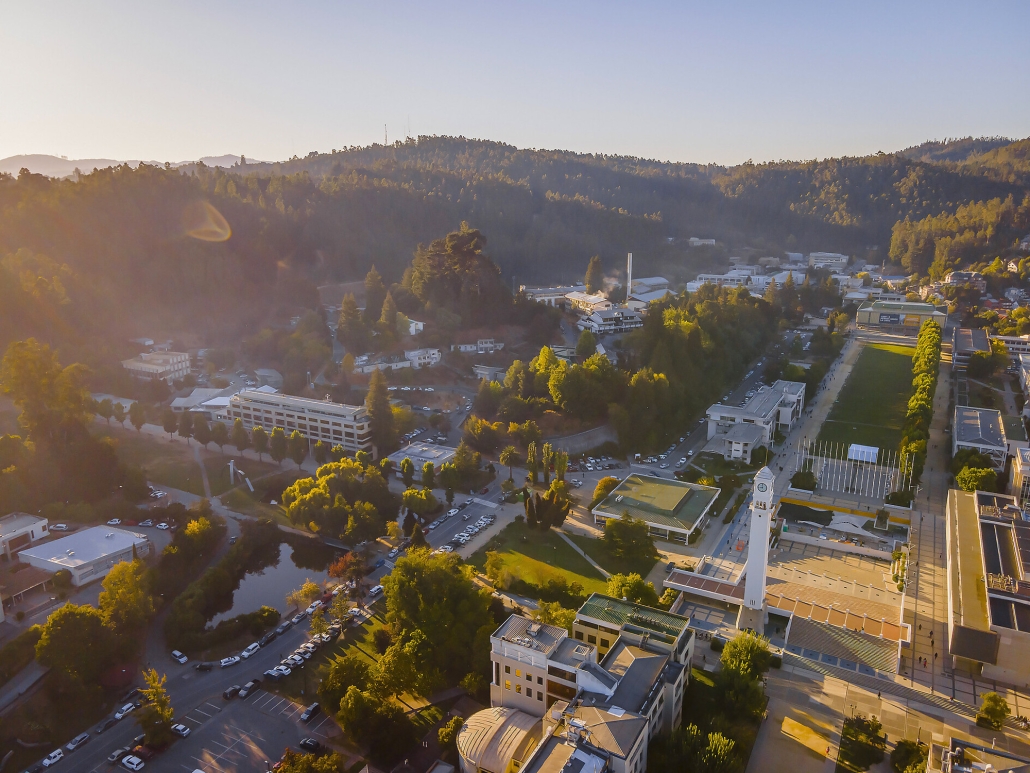
The hills surrounding the central campus of the Universidad de Concepción contain ravines, slopes, and territories with high biodiversity, yet equally susceptible to human intervention. Because of this, and because the university needs everyone to maintain a natural heritage that will be a source of pride for future generations, access to these spaces will remain restricted during the project's implementation.

Images owned by the Campus Naturaleza project, University of Concepción
EN