Progress in Site Preparation for the Future Botanical Garden at UdeC
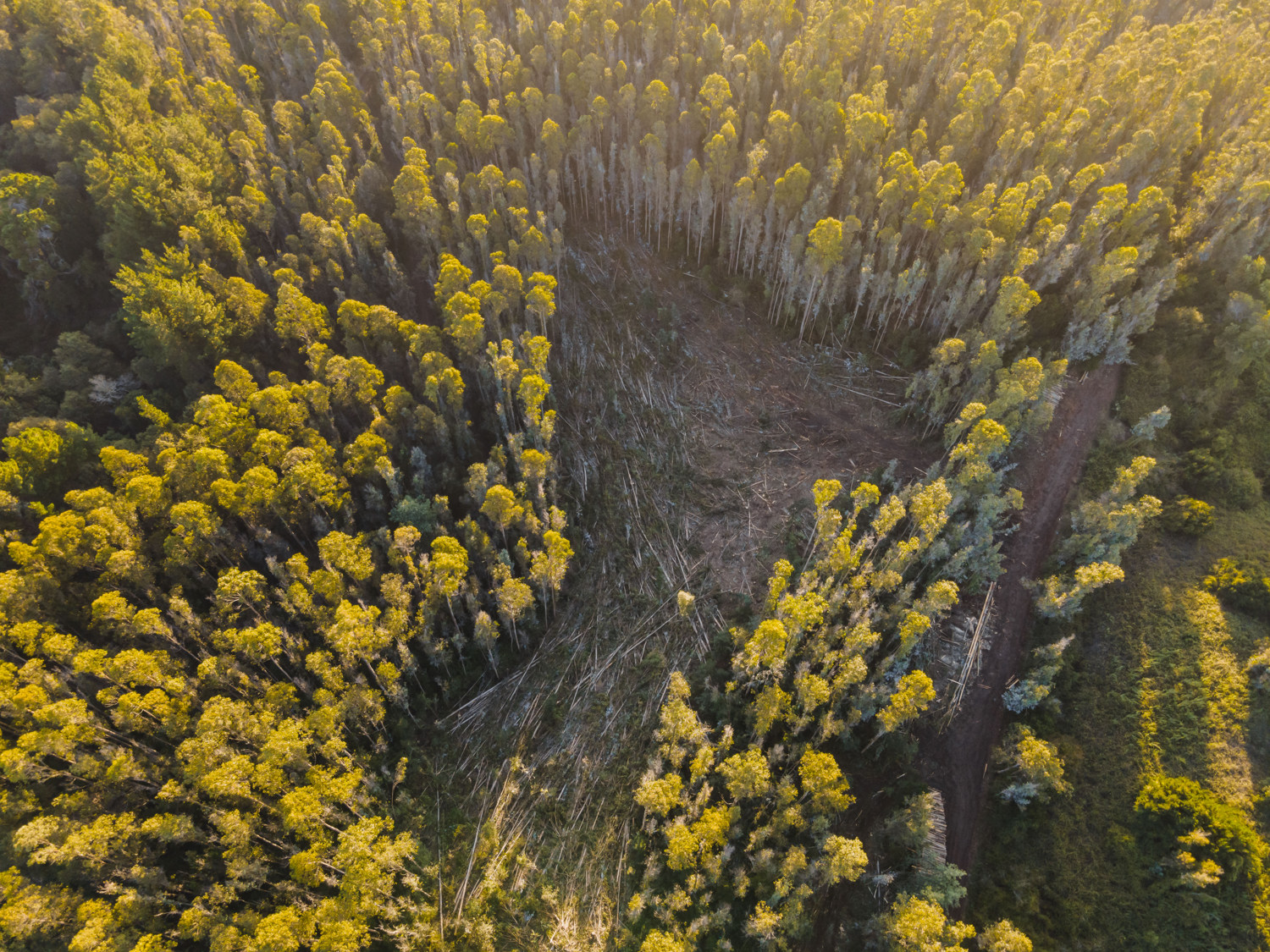
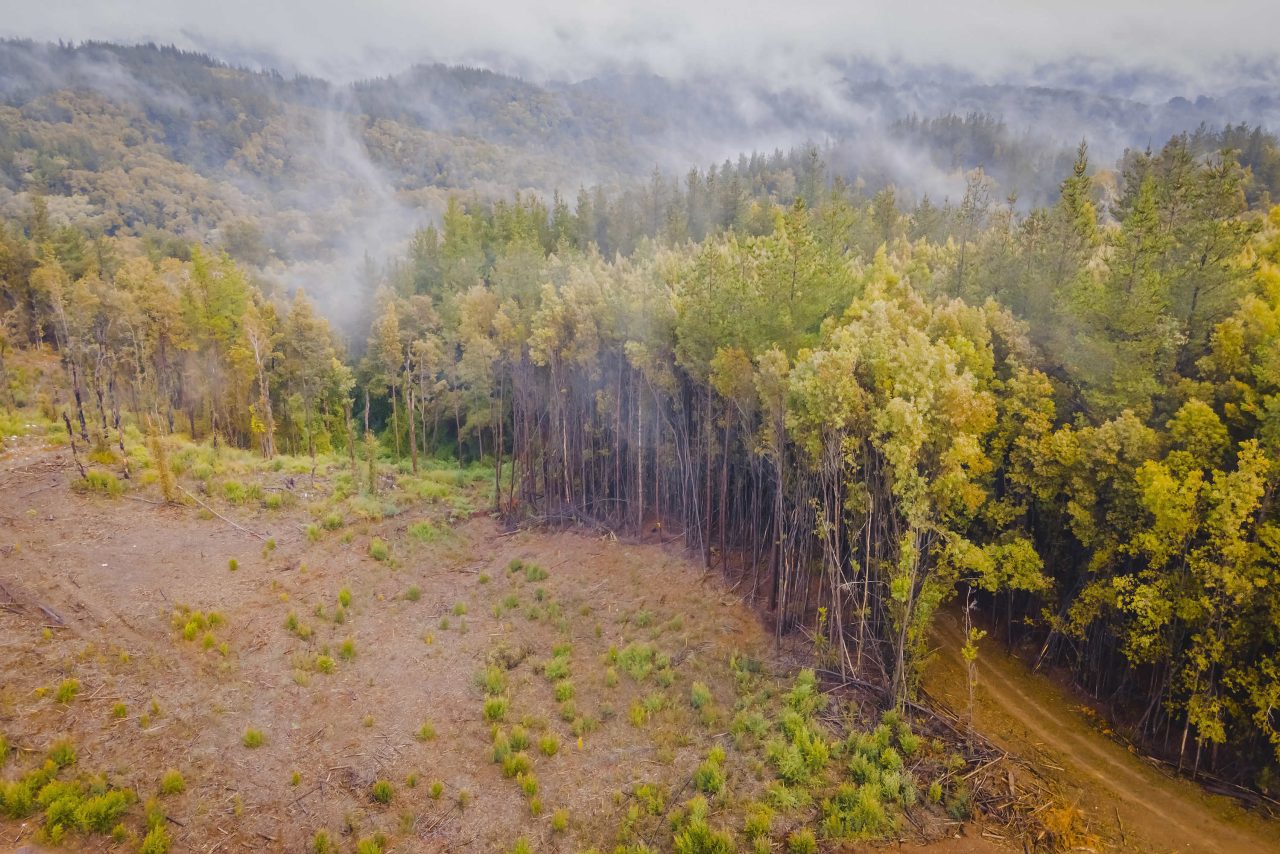
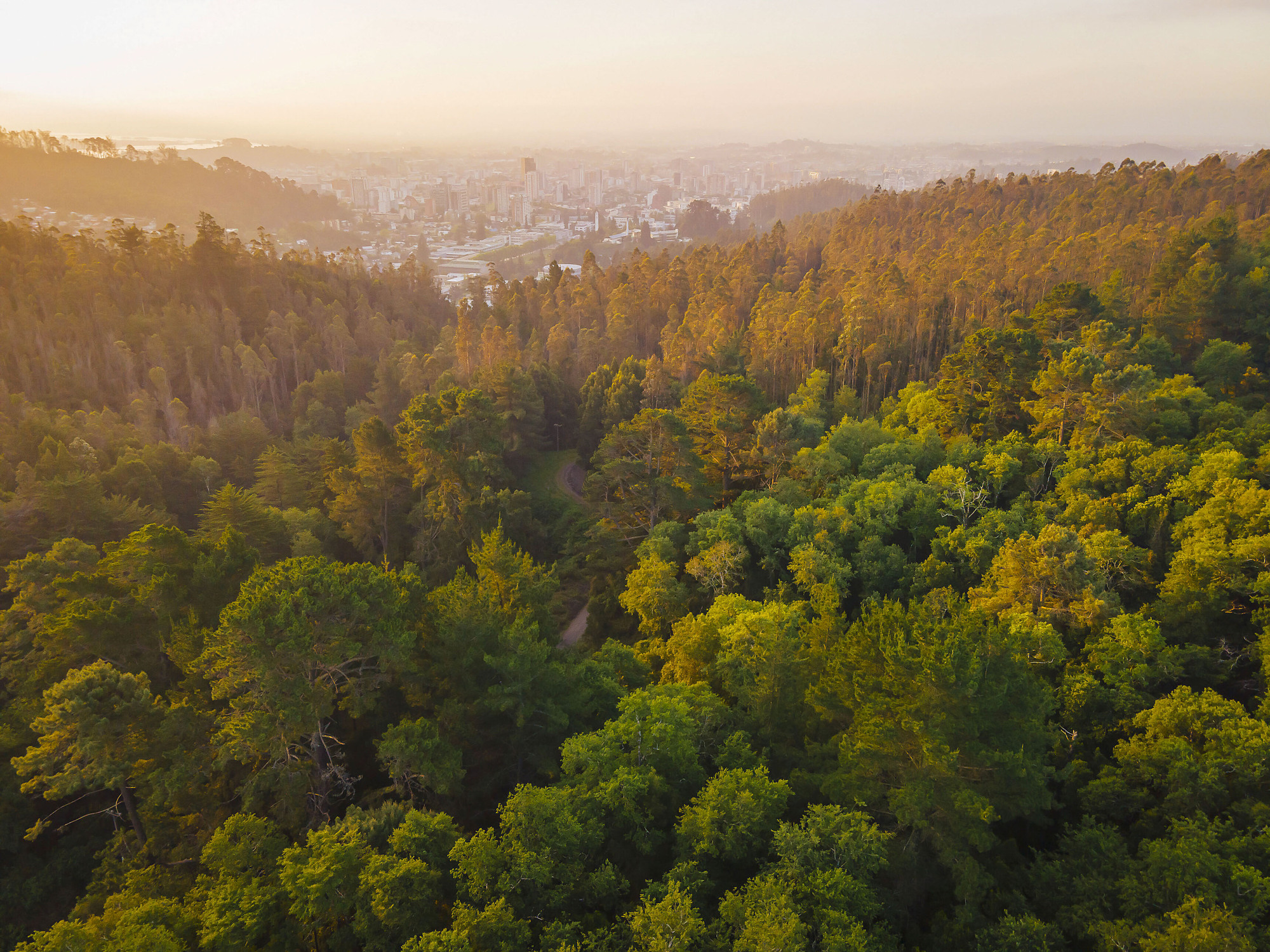
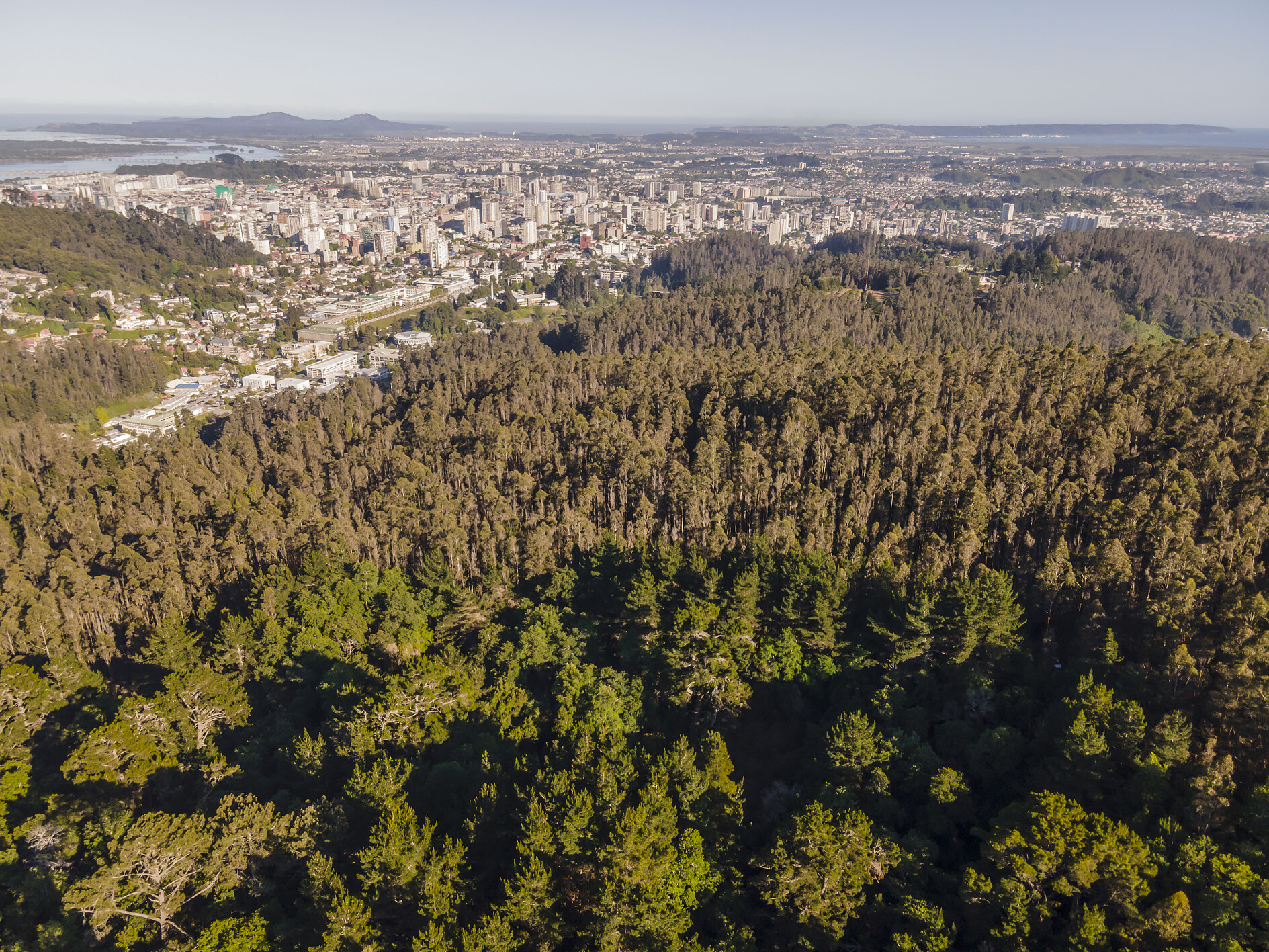
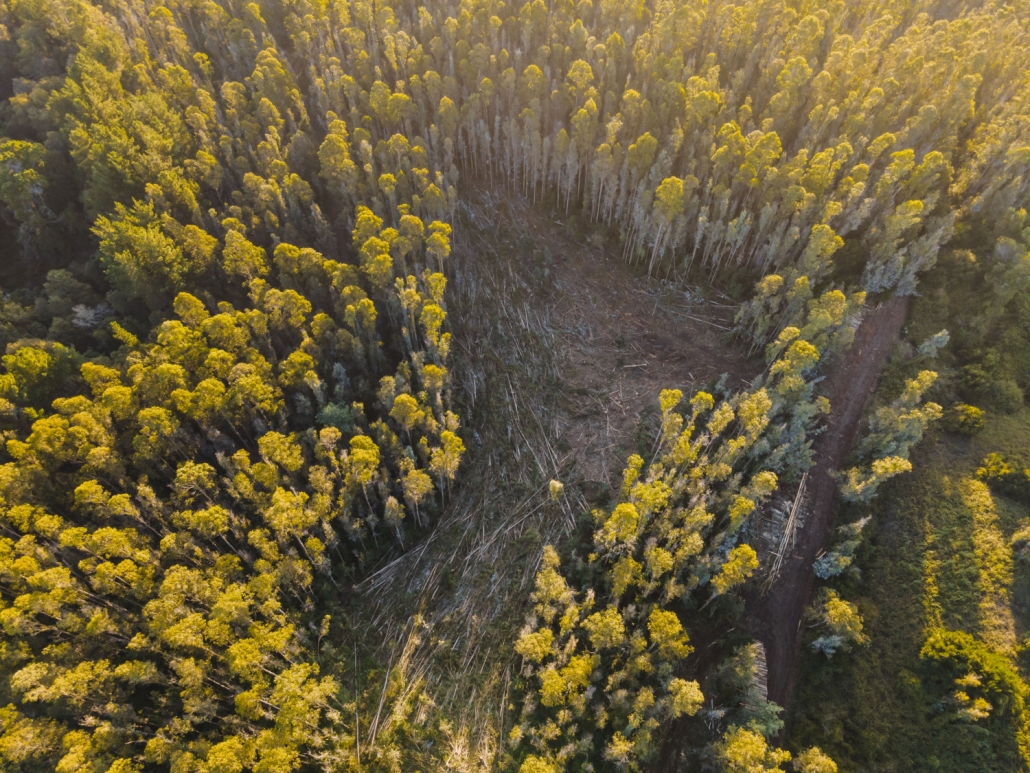
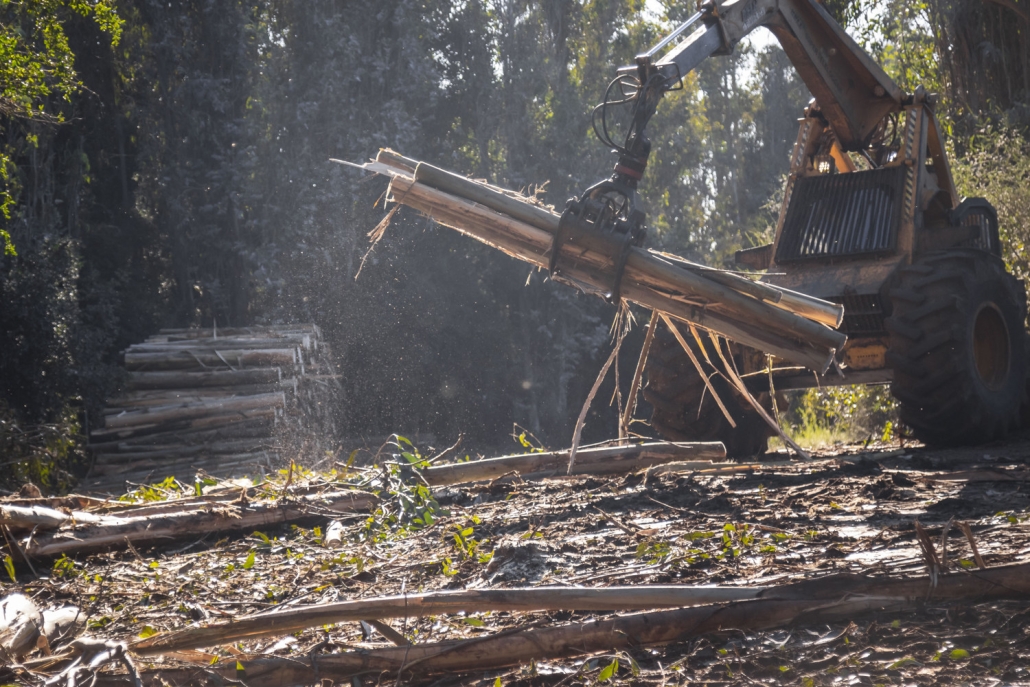
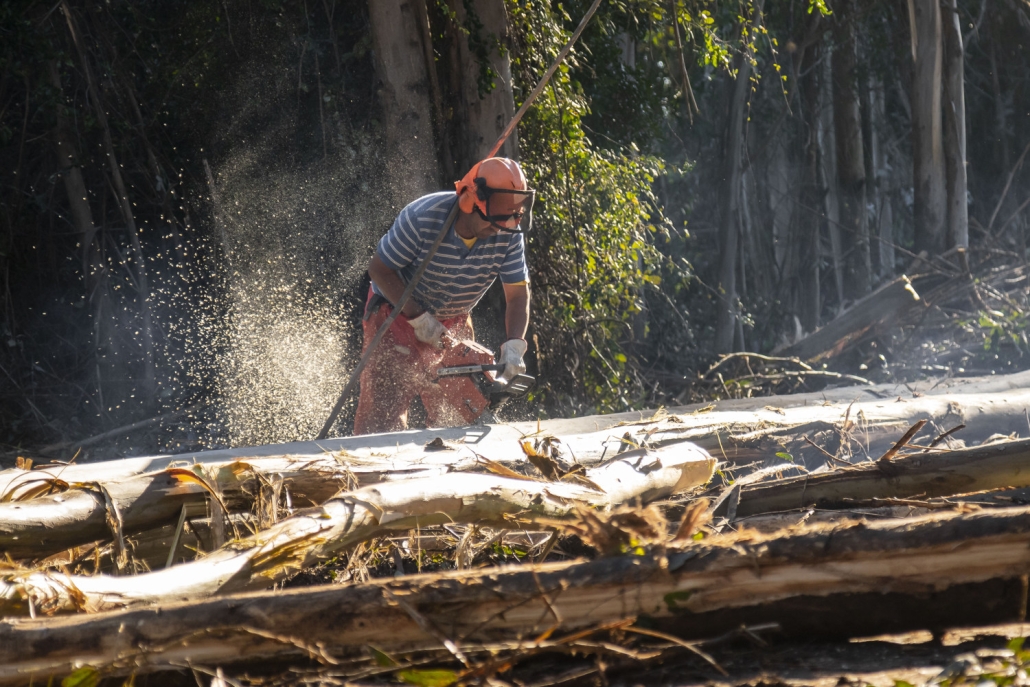
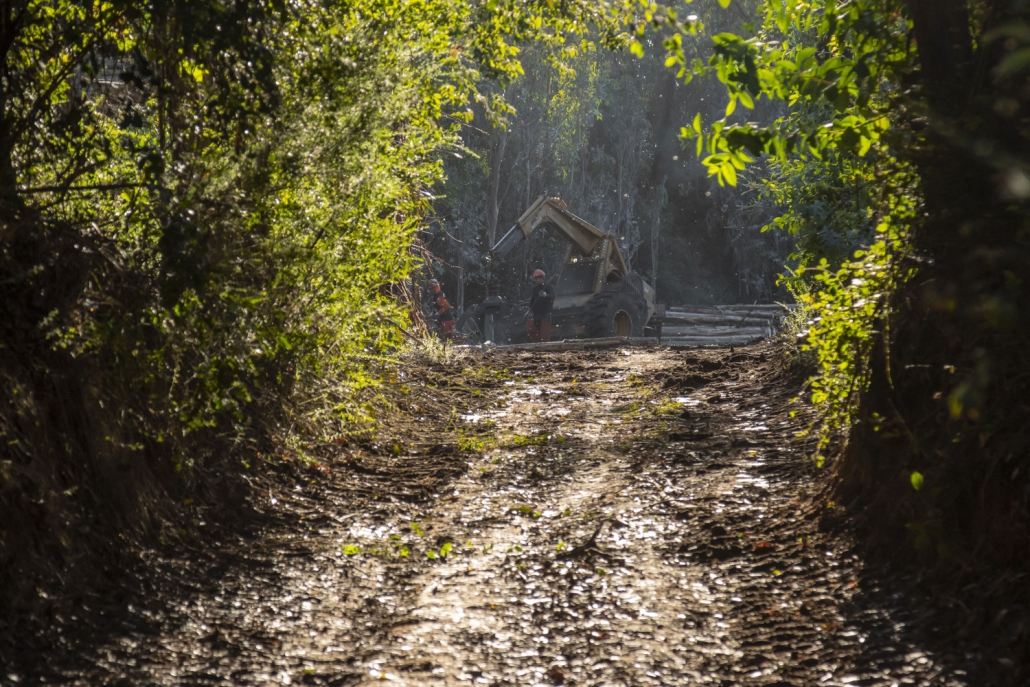
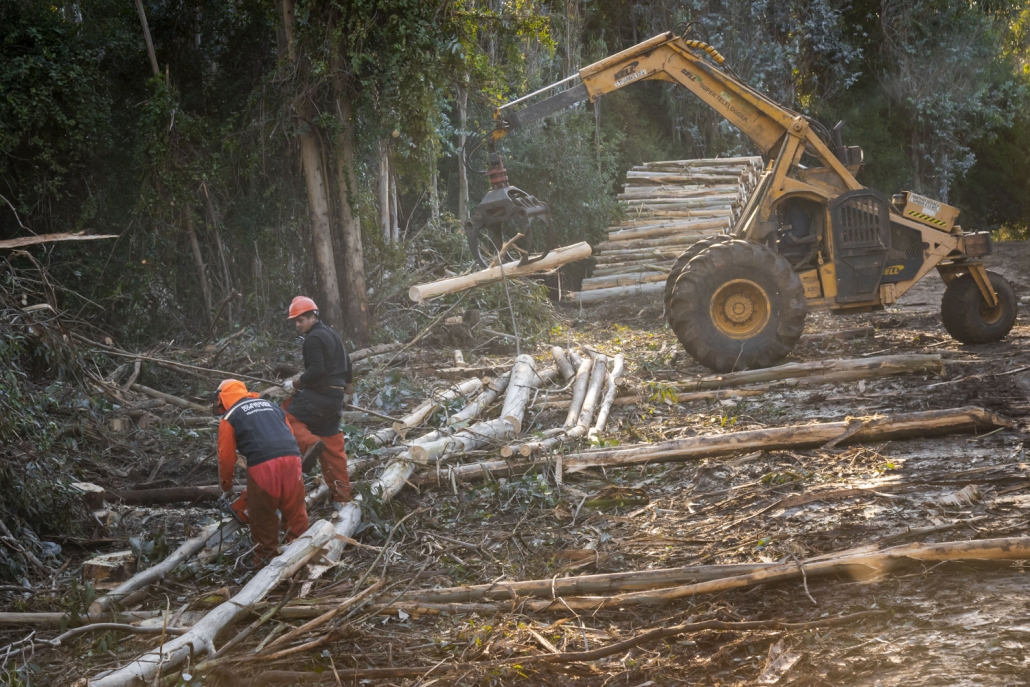
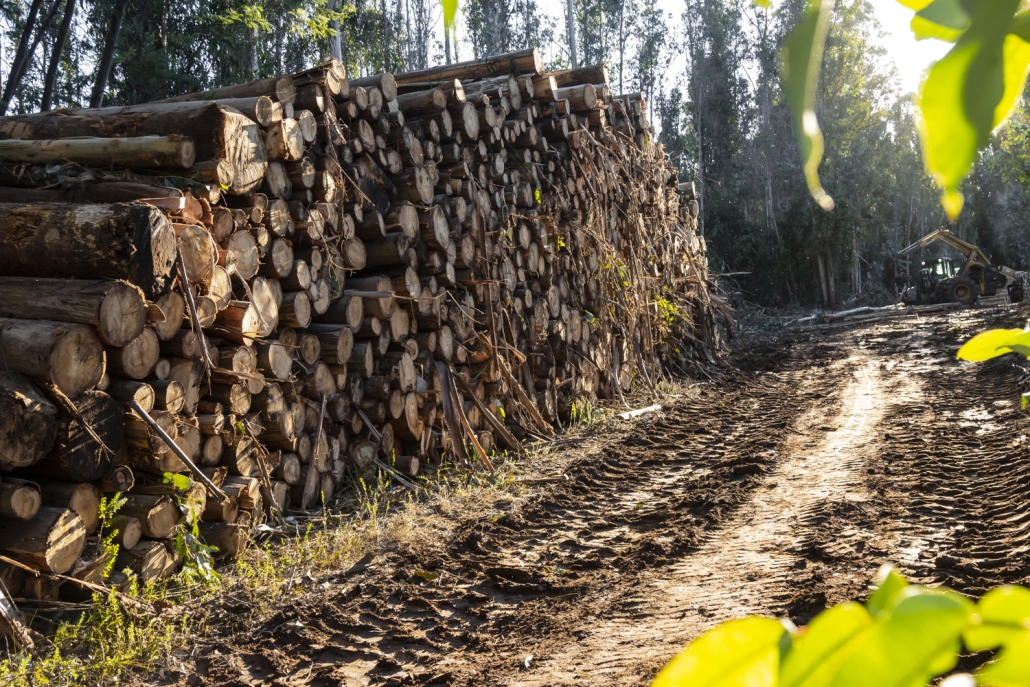
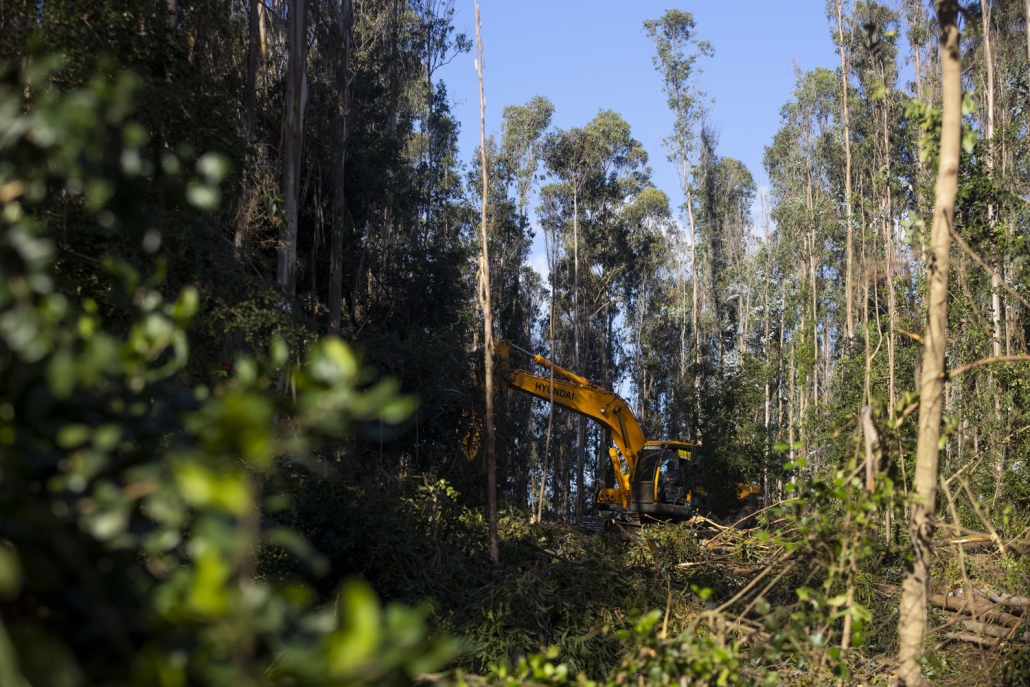
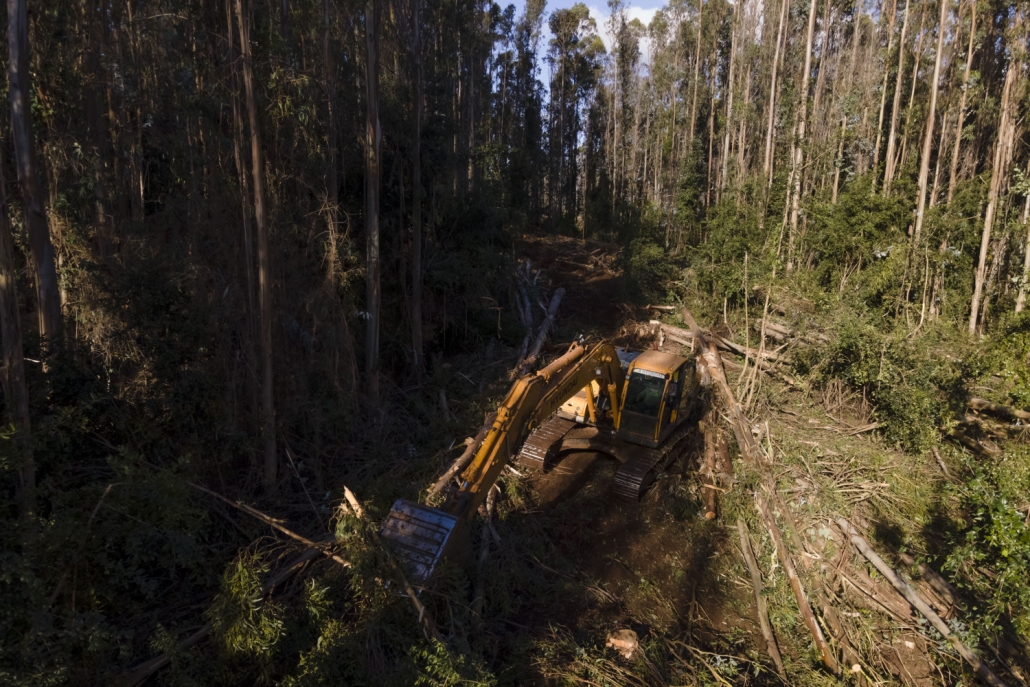
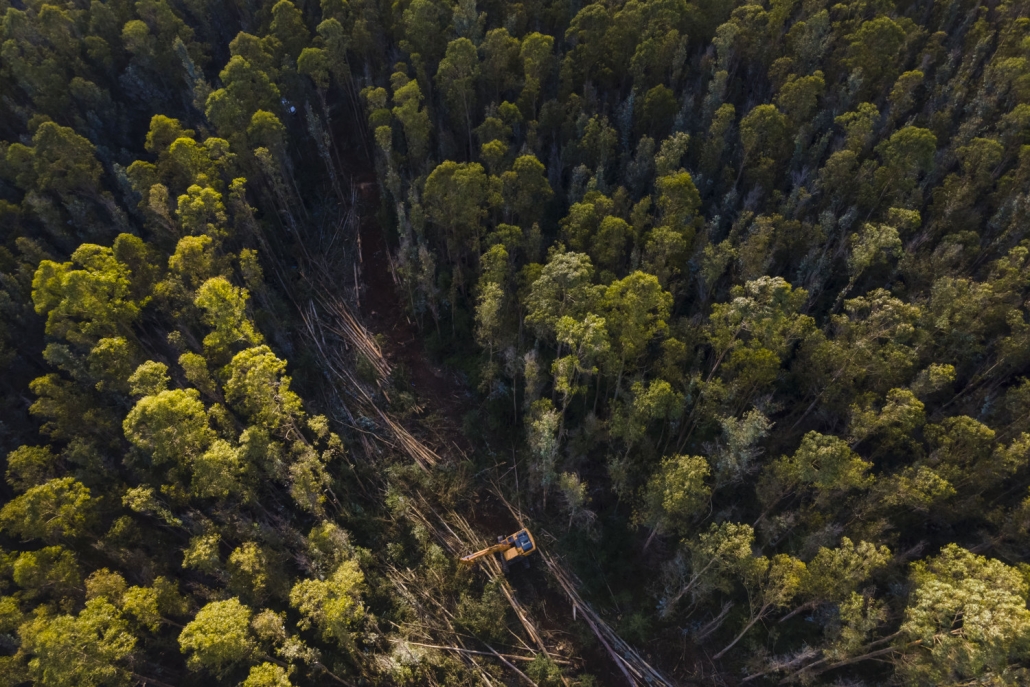
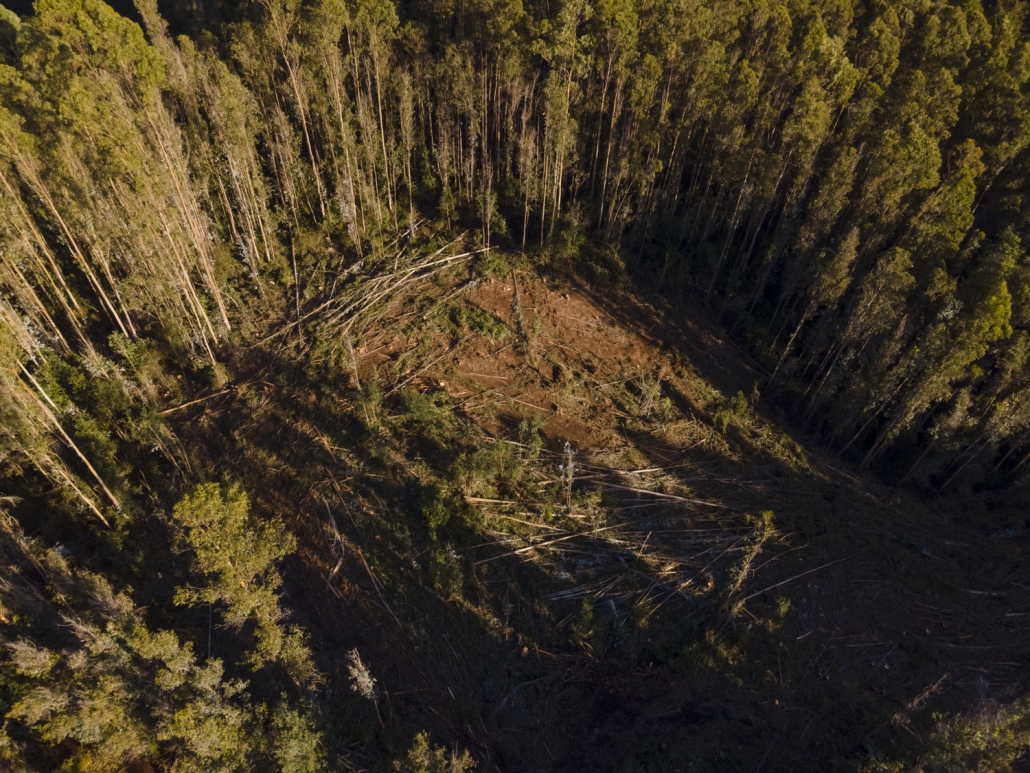
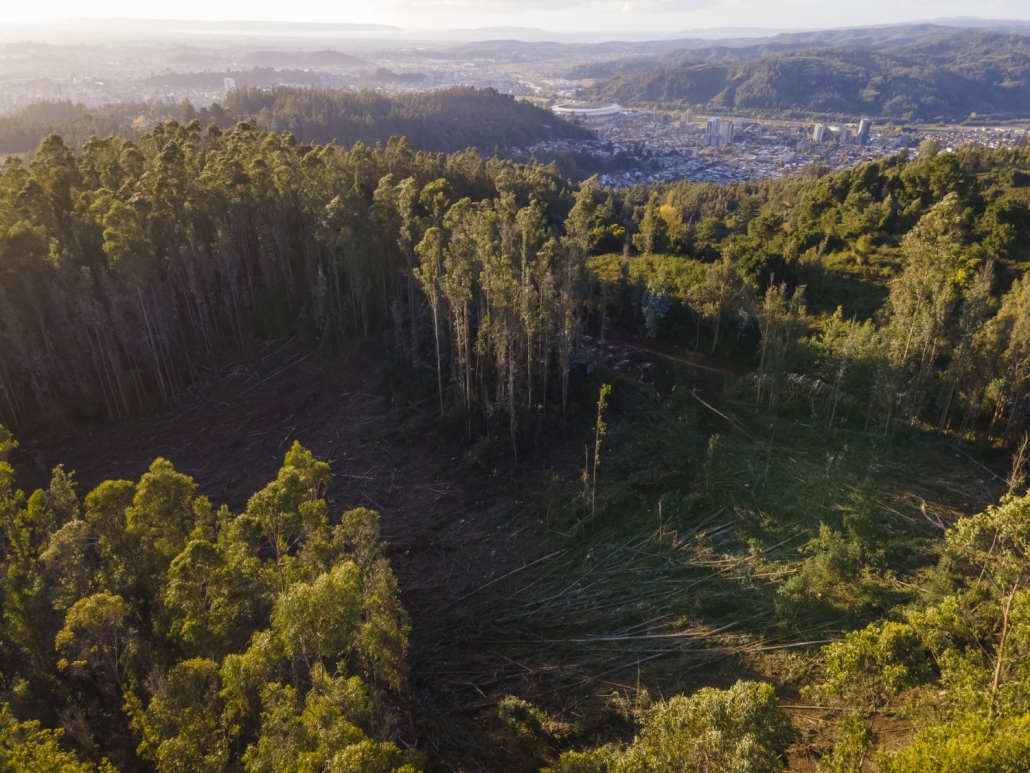
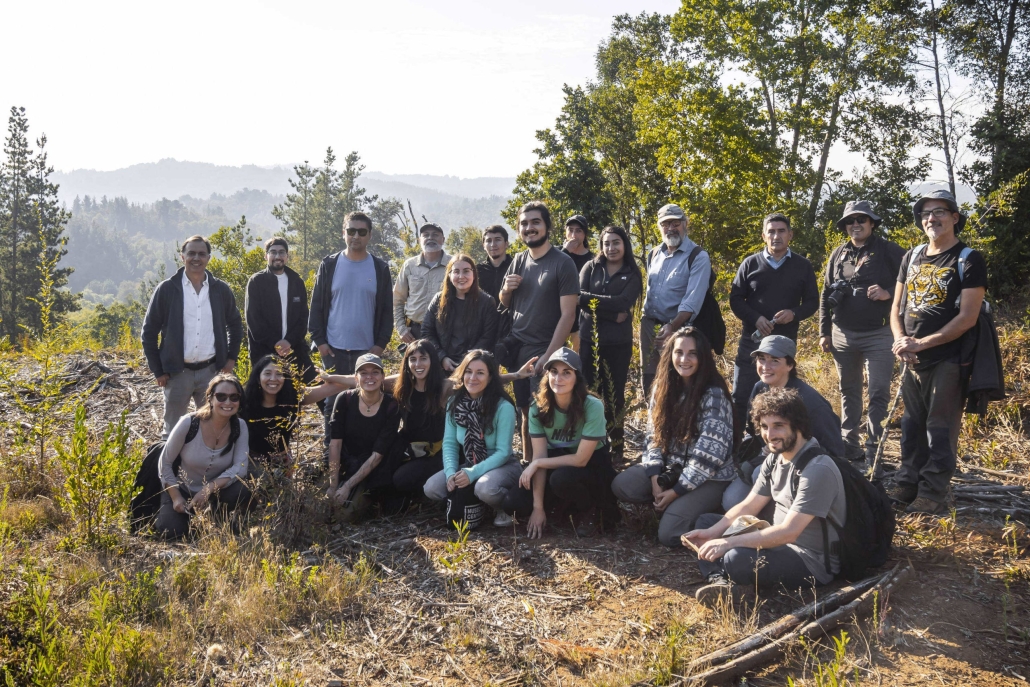
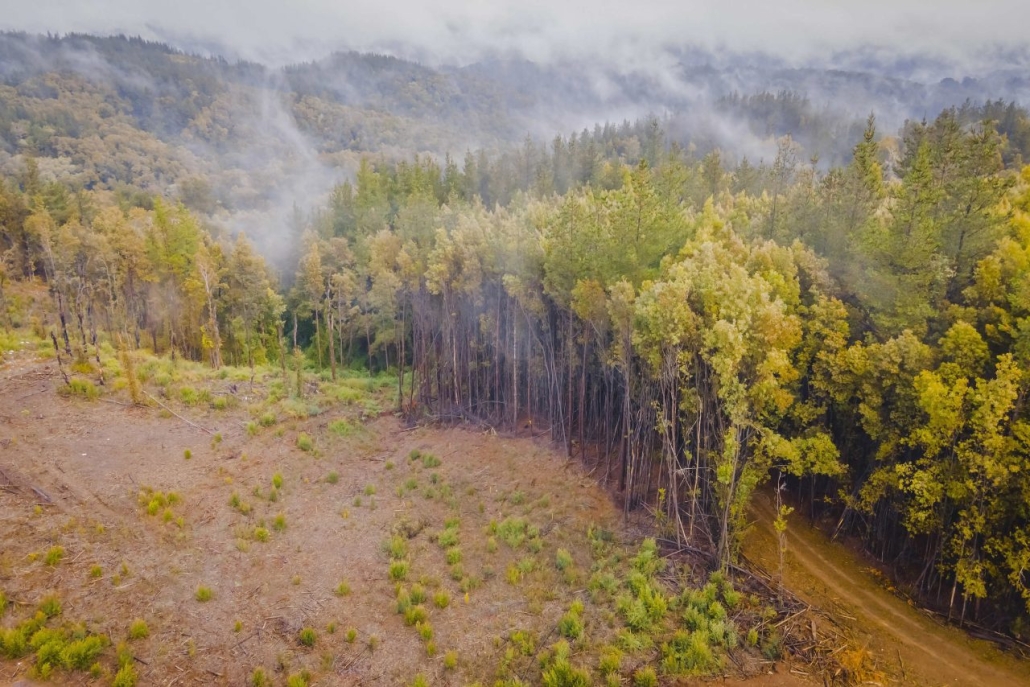
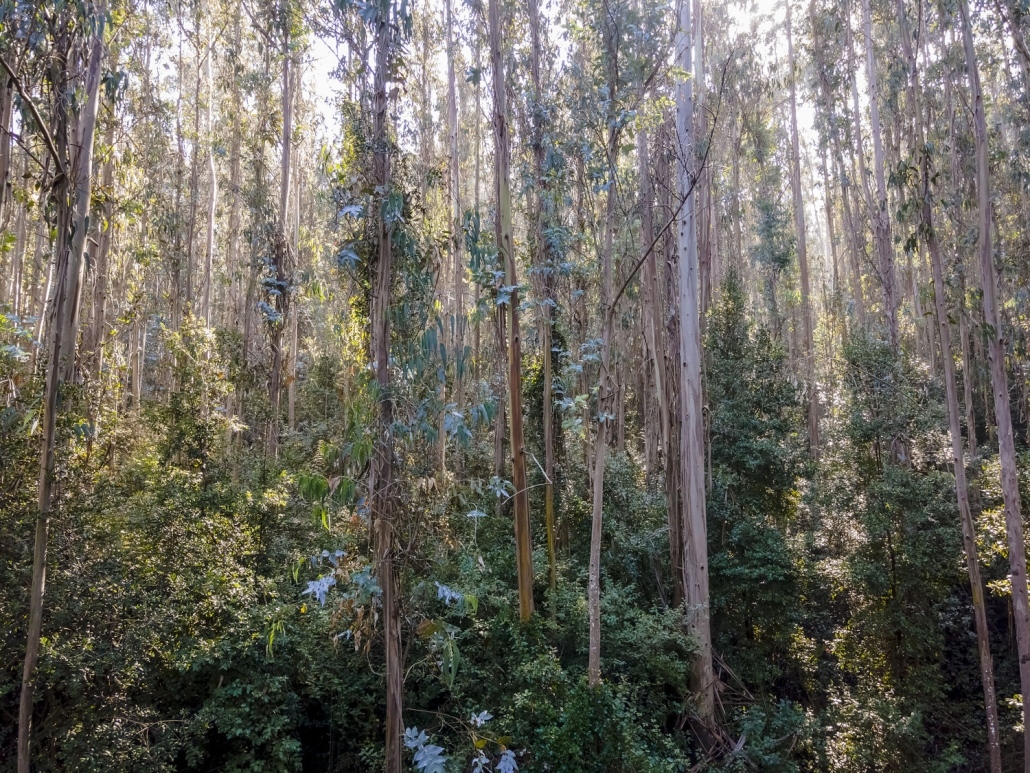
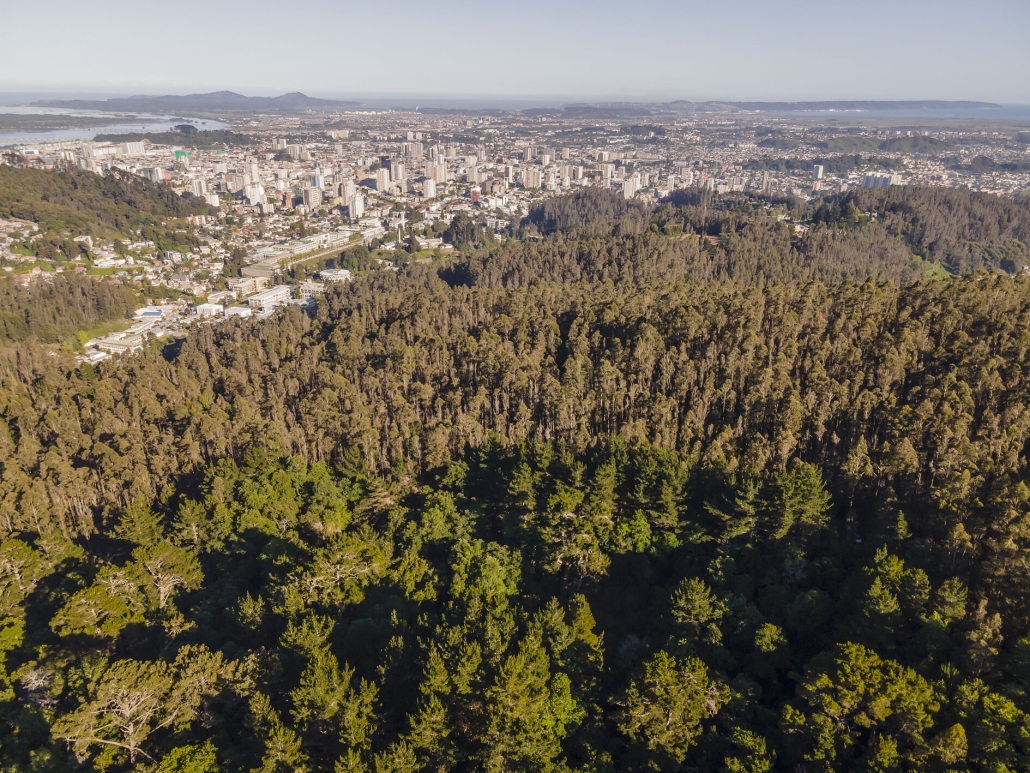
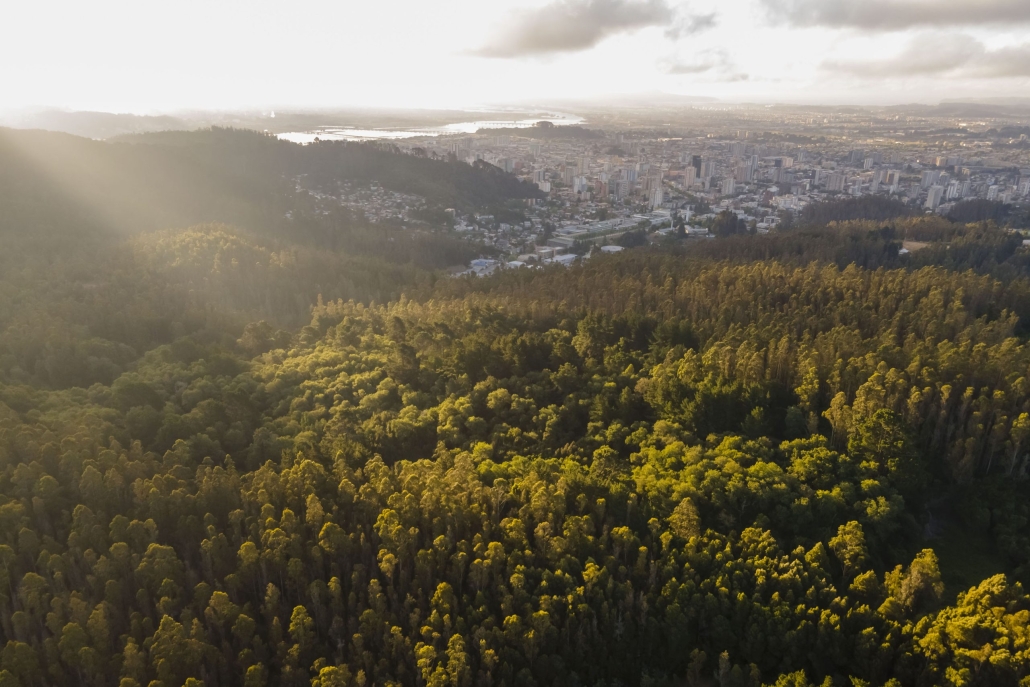
The timber harvesting of exotic tree species continues these days on the hills adjacent to the University of Concepción. The harvest will cover around 6 hectares and is a crucial action that will provide areas for the first botanical garden at UdeC as part of the ex-situ conservation line of the Campus Naturaleza project, a modality aimed at promote the conservation of species (flora, fauna, fungi) outside of its natural distribution.


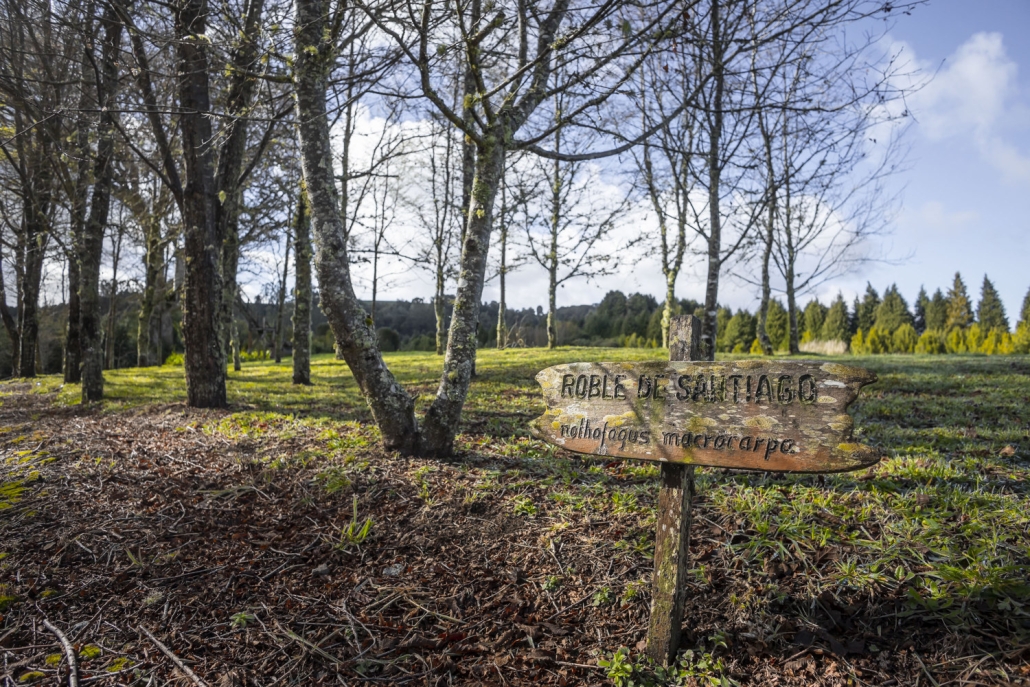
Dr. Cristian Echeverría Leal, director of the Campus Naturaleza UdeC, comments, “This was done to maintain them (native species) after the harvest in order to help the establishment of native trees that will be part of the ex-situ collection of threatened Chilean Nothofagus. Various scientific studies, in some of which we have participated, agree that the climate crisis and human-induced alterations could seriously impact the survival of the three species of this genus in South America and endemic to Chile, which are Nothofagus alessandrii (ruil), endangered, N. glauca (hualo) and N. macrocarpa (Santiago oak), both of them vulnerable. These states of threat and vulnerability urge us to put our greatest efforts into conserving these species, in this case, outside their natural distribution between the Metropolitan and Maule regions,” explains the UdeC academic.

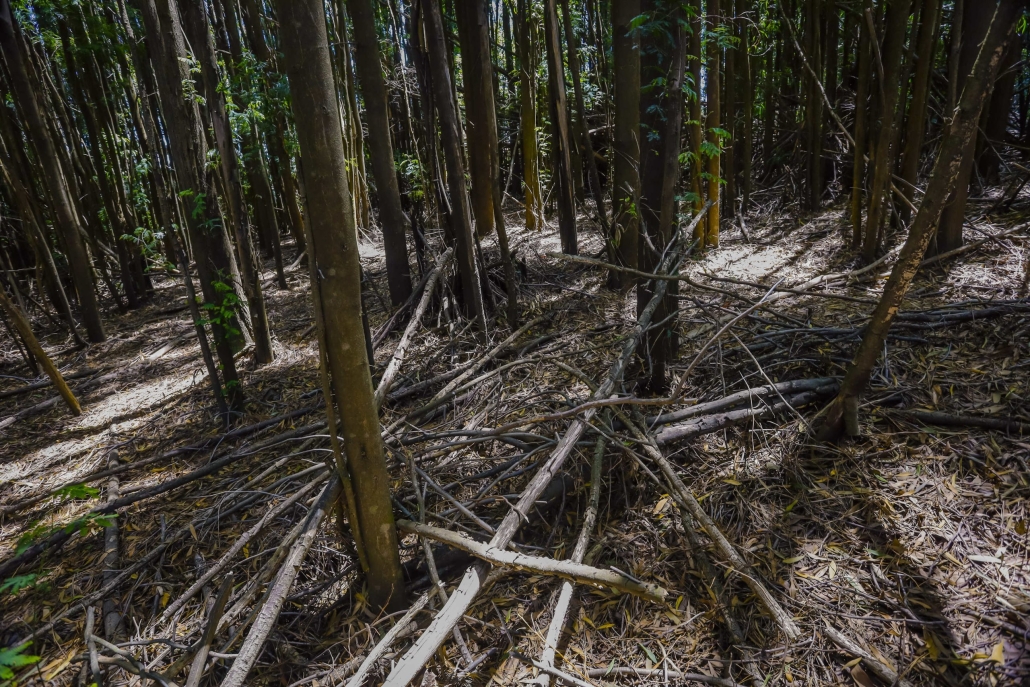
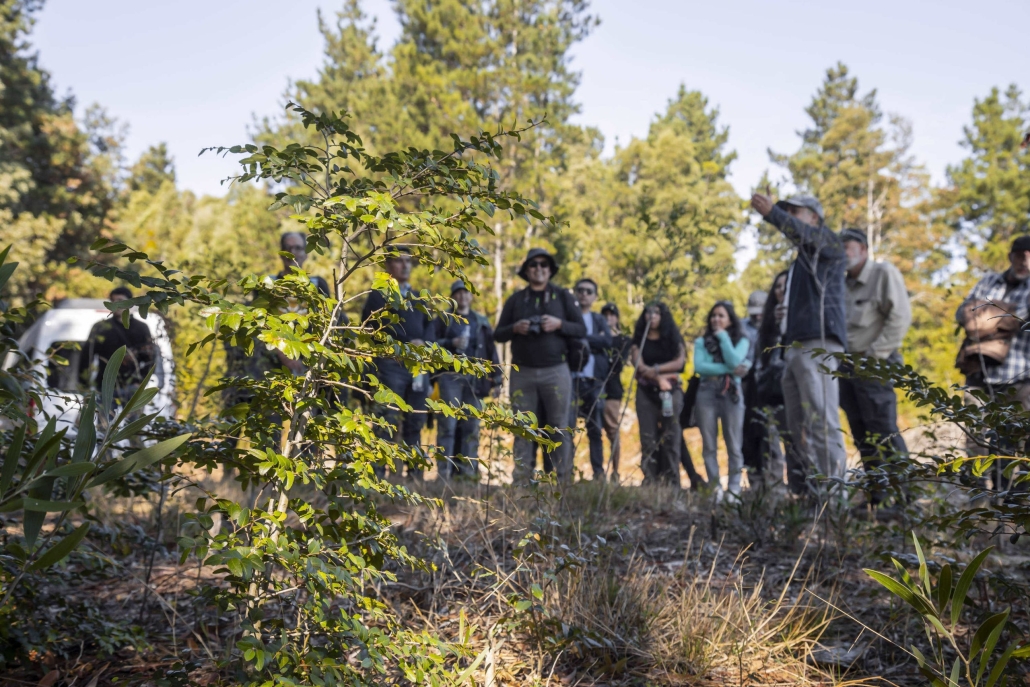
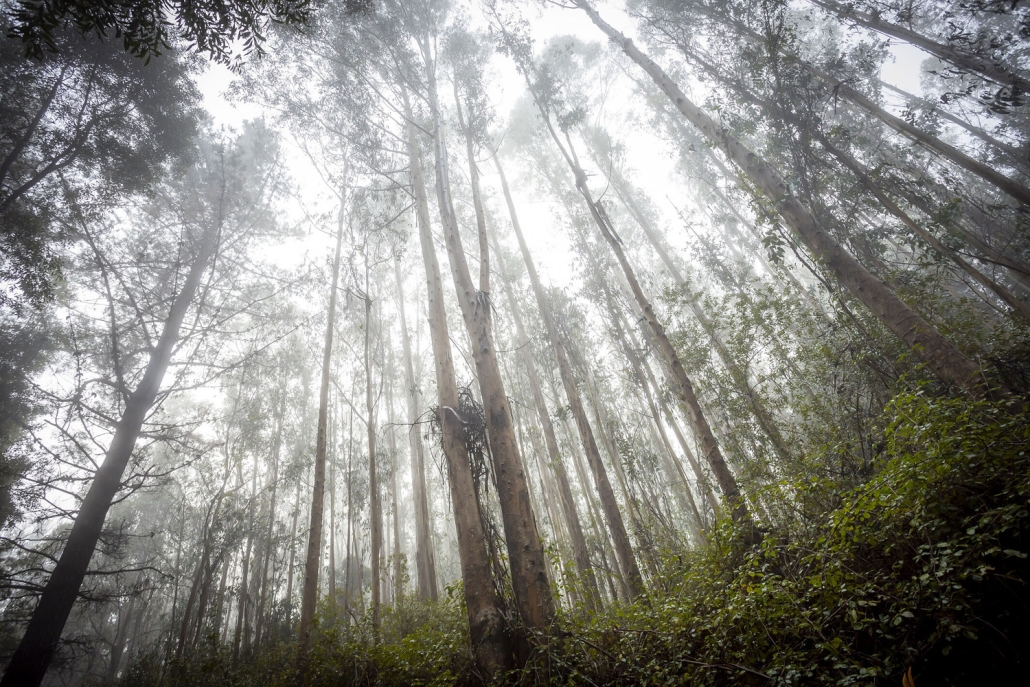
Prior to the start of harvesting activities, the presence and distribution of small groups of native trees and shrubs that still survive under the eucalyptus, the dominant species in the area, were identified. This was a voluntary measure established by the university, which complements the Management Plan approved by CONAF in March 2024.

The director of the Campus Naturaleza project at the University of Concepción, Dr. Cristian Echeverría Leal, comments “that this was done in order to maintain them (native species) after the harvest and that they can help establish the native trees that will be part of the ex – situ collection of threatened Chilean Nothofagus. Various scientific investigations, some of which we have participated in, agree that the climate crisis and the alterations produced by humans could seriously impact the survival of the three species of this genus in South America and endemic to Chile, which are Nothofagus alessandrii (ruil), in danger, N. glauca (hualo) and N. macrocarpa (Santiago oak), in a vulnerable state. These states of threat and vulnerability urge us to put our greatest efforts into the conservation of these species, in this case, outside their natural distribution which is between the Metropolitan and Maule regions," explains the UdeC academic.
Nothofagus are Growing

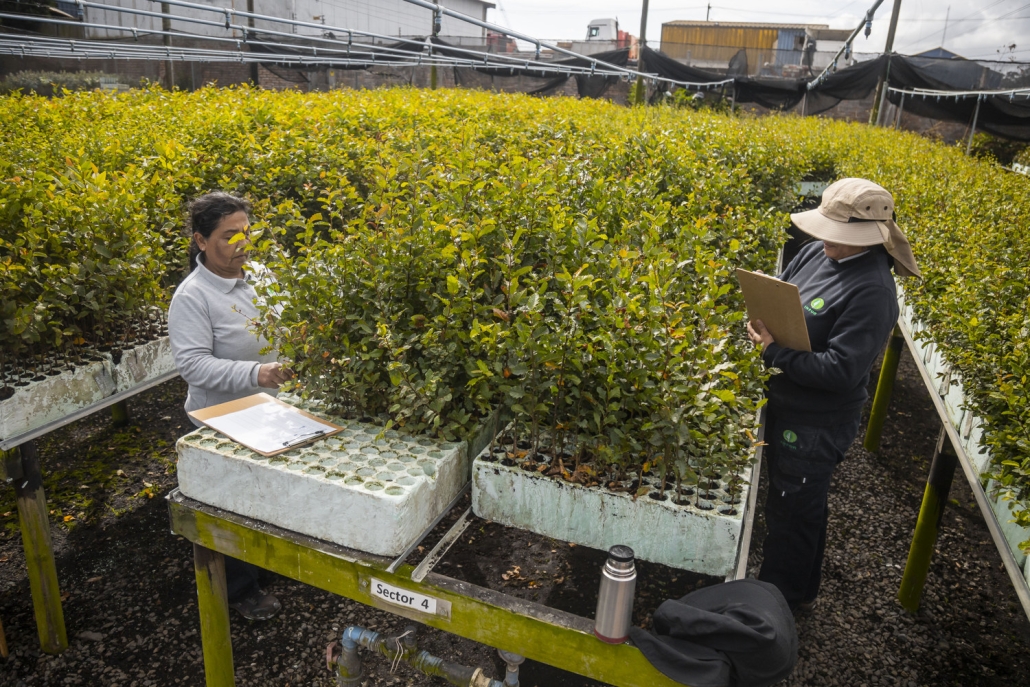
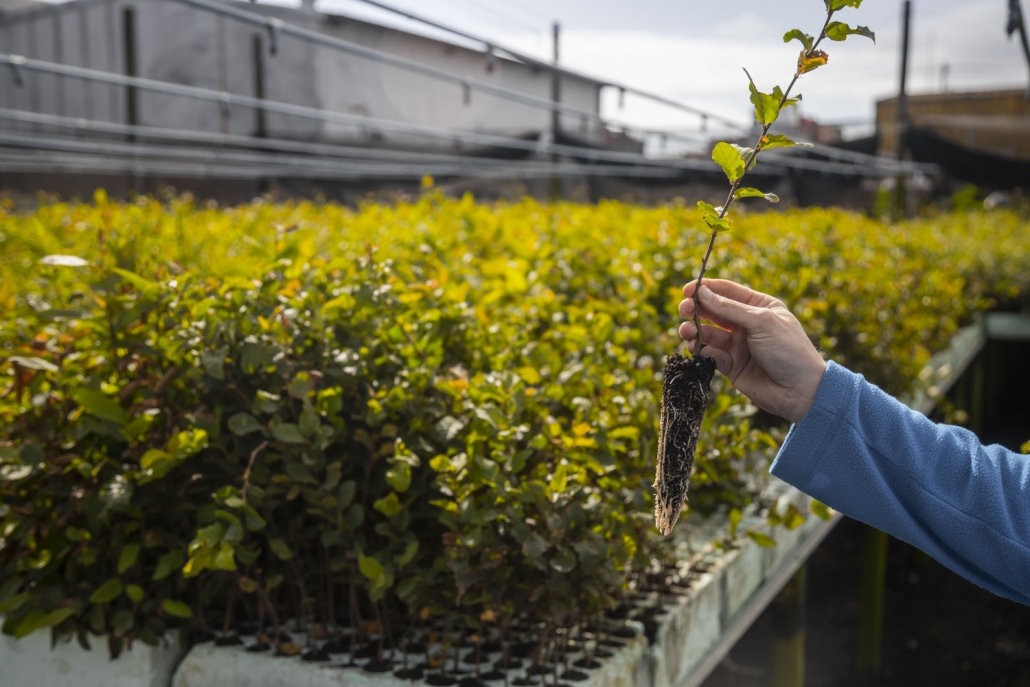
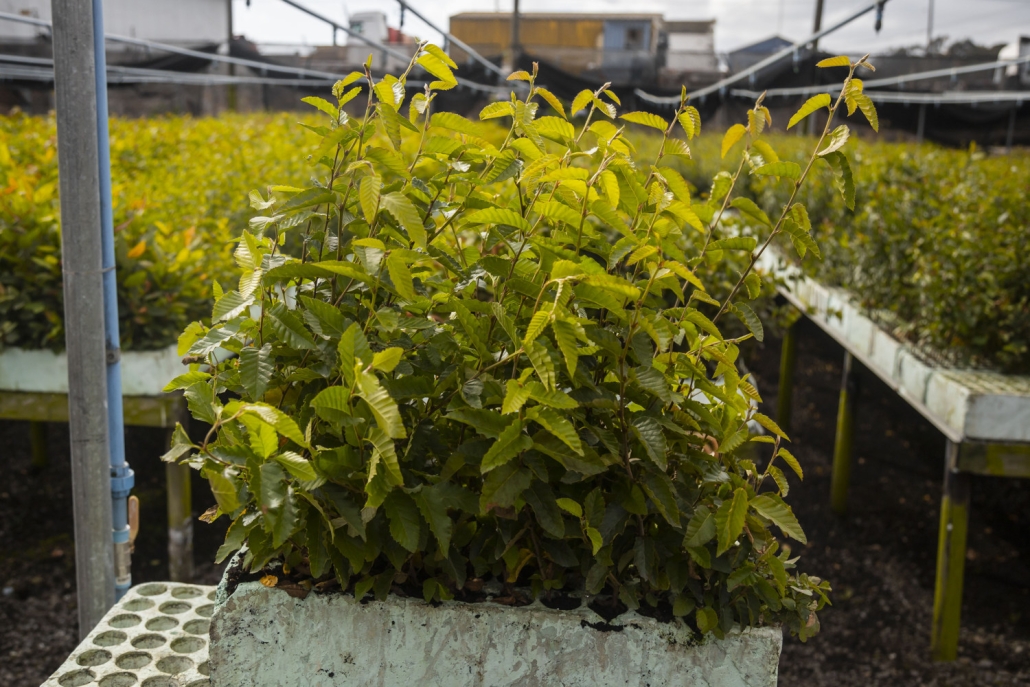
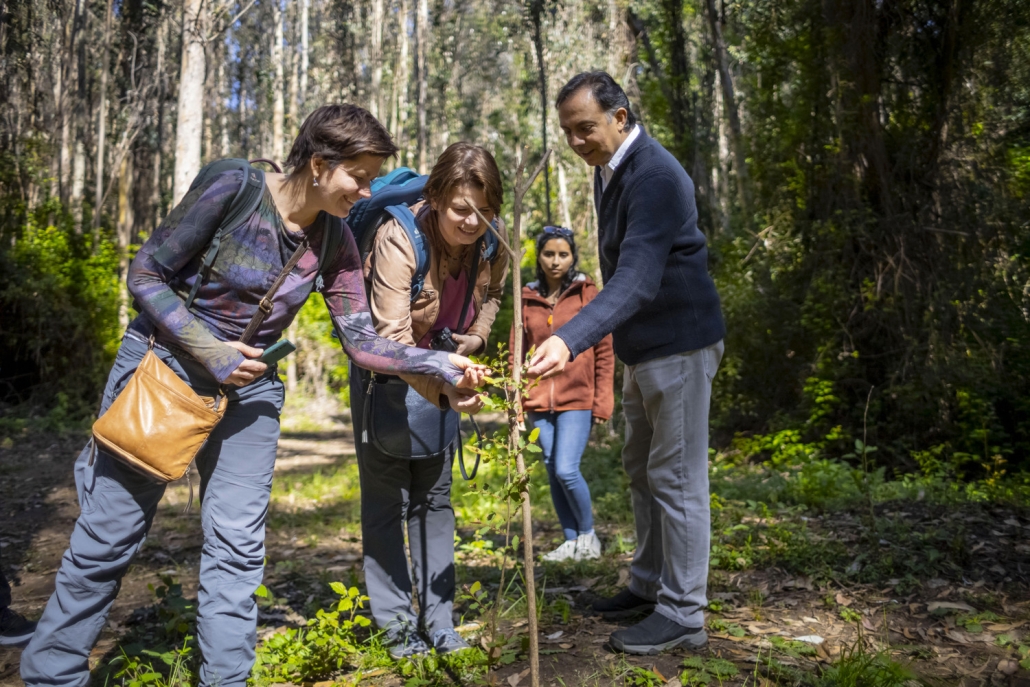
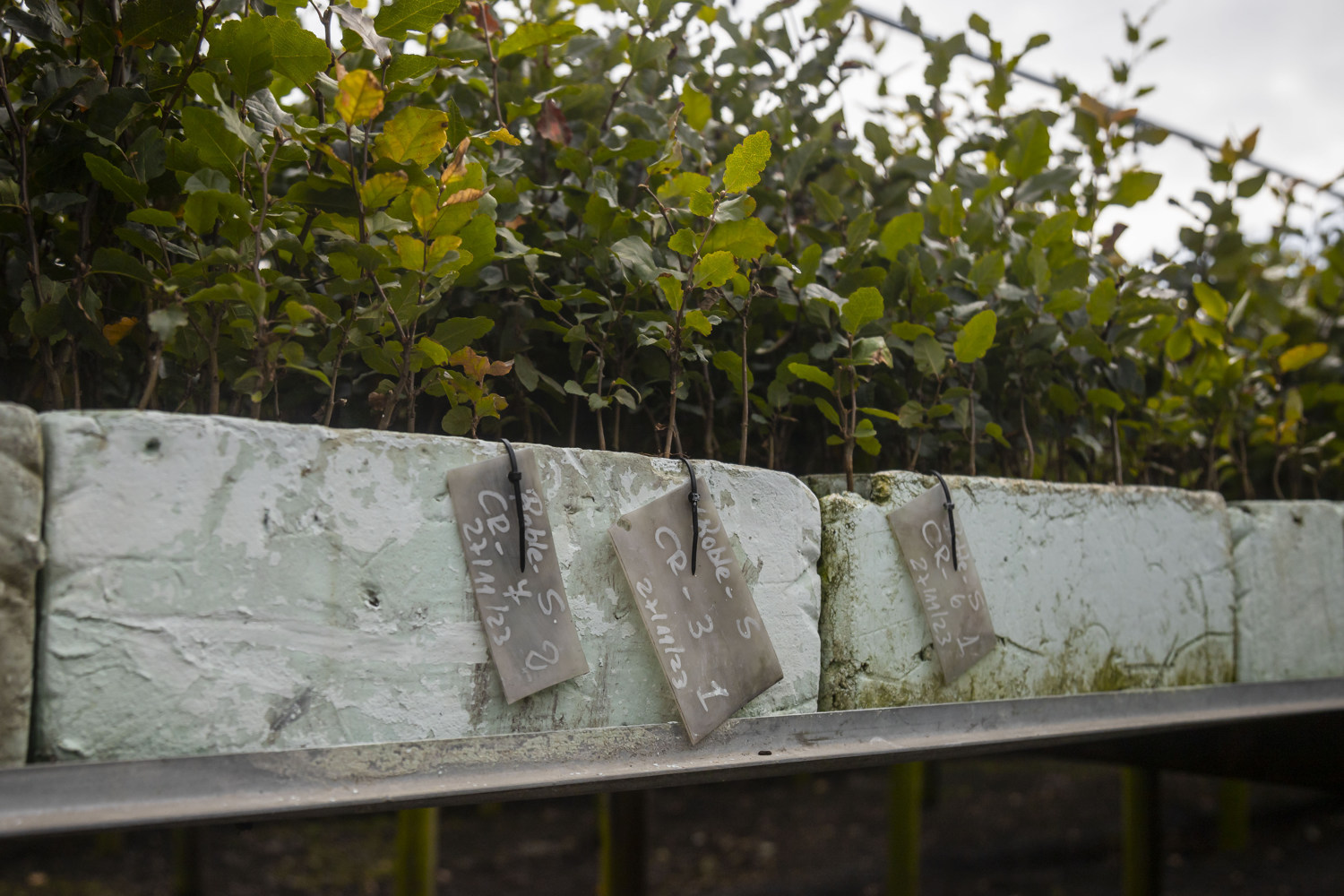
Although timber harvest is the first action of the ex-situ conservation of Campus Naturaleza project, the process started much earlier. Today, the Nothofagus that will arrive and populate the hectares starting in July of this year are growing in the Forest Institute (INFOR) nursery. For this, seeds were collected throughout the natural distribution of these species, a task that involved professionals of each institution that is leading the “Conservation and Restoration of Threatened Nothofagus Species in South America” project.

This initiative, funded by the Franklinia Foundation from Switzerland and led by the University of Concepción through the Landscape Ecology Laboratory, highlights the international scientific concern for the conservation of these iconic southern hemisphere tree species.

In this context, Manuel Acevedo Tapia, researcher at INFOR, one of the partner institution in the Nothofagus conservation project, explains that one of the central aspects is to avoid the crossing of related individuals (trees), that is, from the same site. This increases the chances of survival success for the plants.

“The production of plants is carried out considering the location where the seeds were collected. The idea is to consider the “mother plants” from the seed source to avoid inbreeding processes which occur when establishing individuals from the same mother in a common site. Therefore, the goal is to produce plants keeping a record, to later take them to Campus Naturaleza based on monitoring according to seed sources and places of origin.”

Site Preparation for Ex-situ Conservation

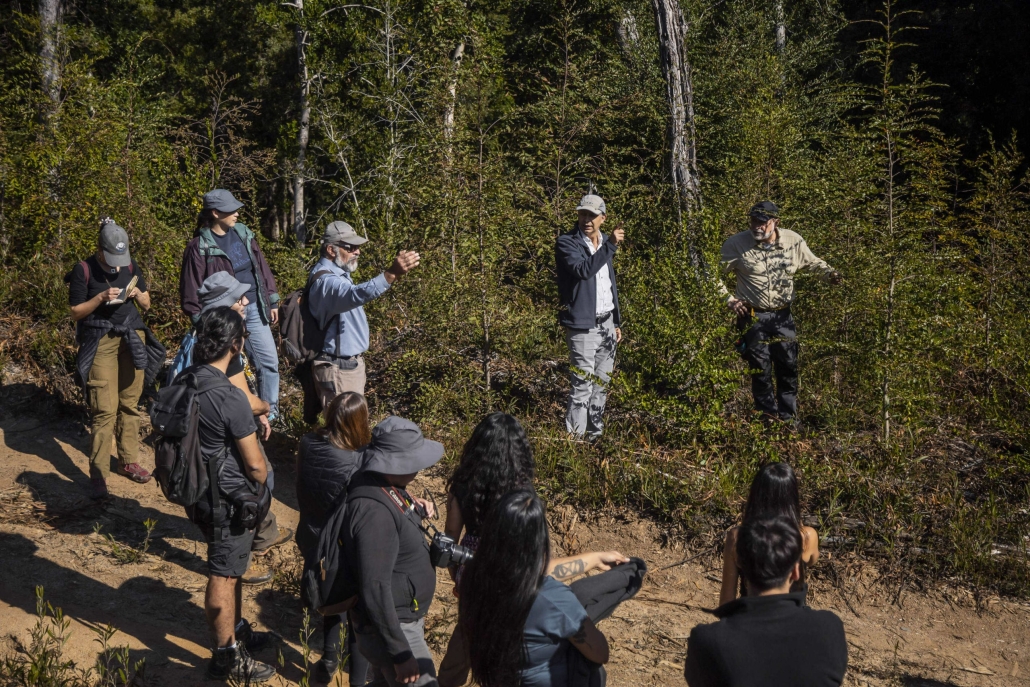
Timber harvesting activities are carefully carried out considering the native species existing in the area, comments Juan Emilio Espinoza, Head of Properties and Forest Management at the University of Concepción. “To date, there is approximately half a hectare of surface to be harvested, considering that the tasks will be performed in two stages, the second of which will begin when weather conditions improve. In this case, the native species we have are mainly boldo (Peumus boldus), litre (Lithraea caustica), and peumo (Cryptocarya alba), and therefore we are doing everything possible to protect them. No native species have been cut; the idea is to leave as many of them as possible and somehow support the process to be implemented in the sector.”

In addition to the harvesting tasks, he adds that the workers were trained, and it was established in the bidding terms that the maximum number of native species should be keep. “Now, there will always be some alteration because we are talking about felling trees that are between 20 to 30 meters tall, so it is very likely that some native vegetation will be damaged; however, we are trying to prevent that”.

The area where harvesting activities are been done is private property (owned by the University of Concepción). Nevertheless, it is well known to be used for recreation and sports by the local community. In this context, the University makes a special call not to transit through these areas and to take safety measures to avoid accidents.
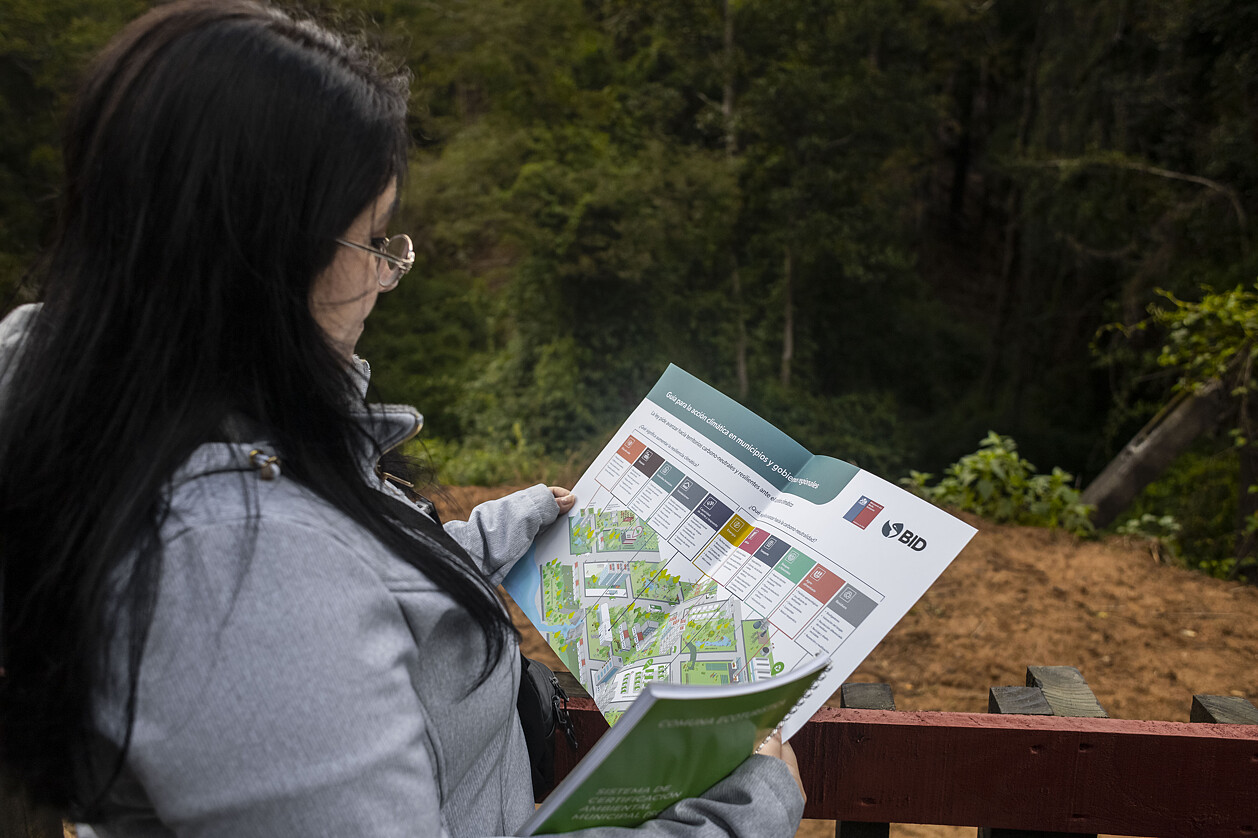
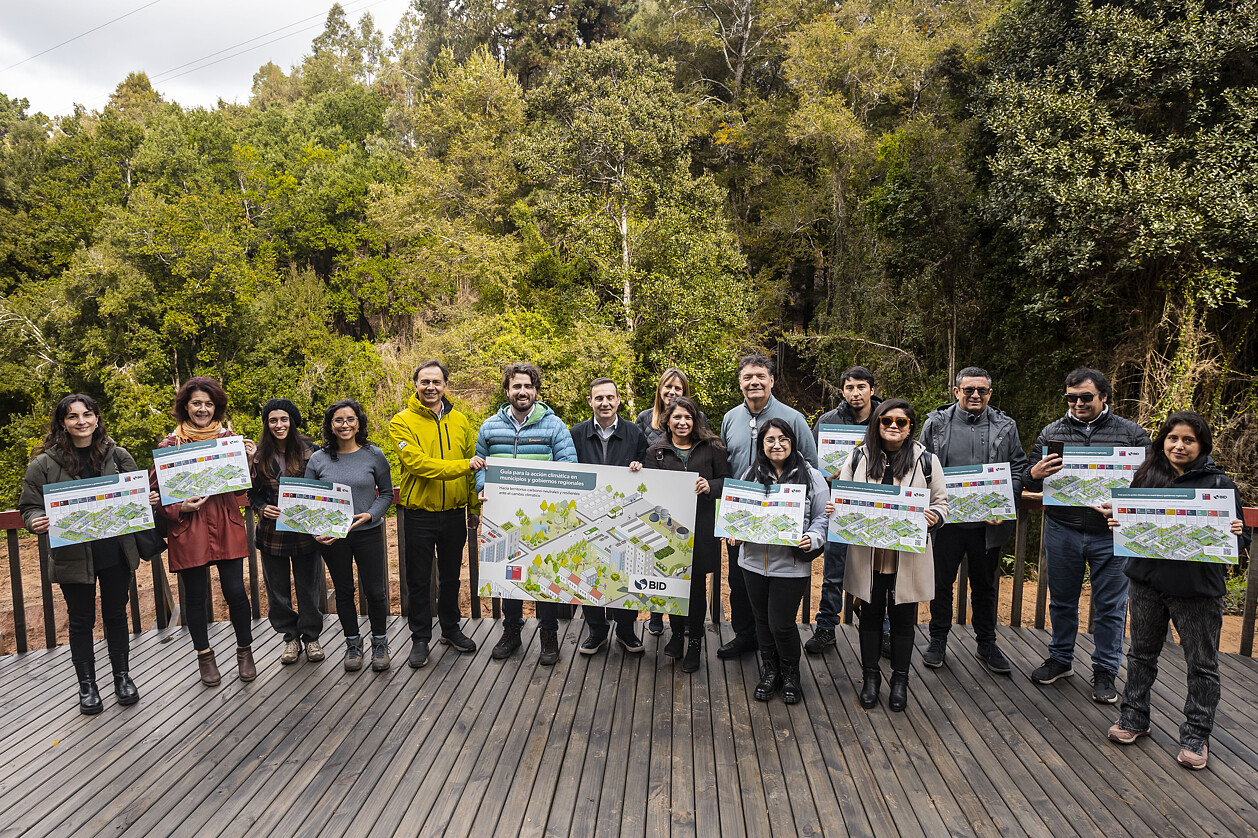
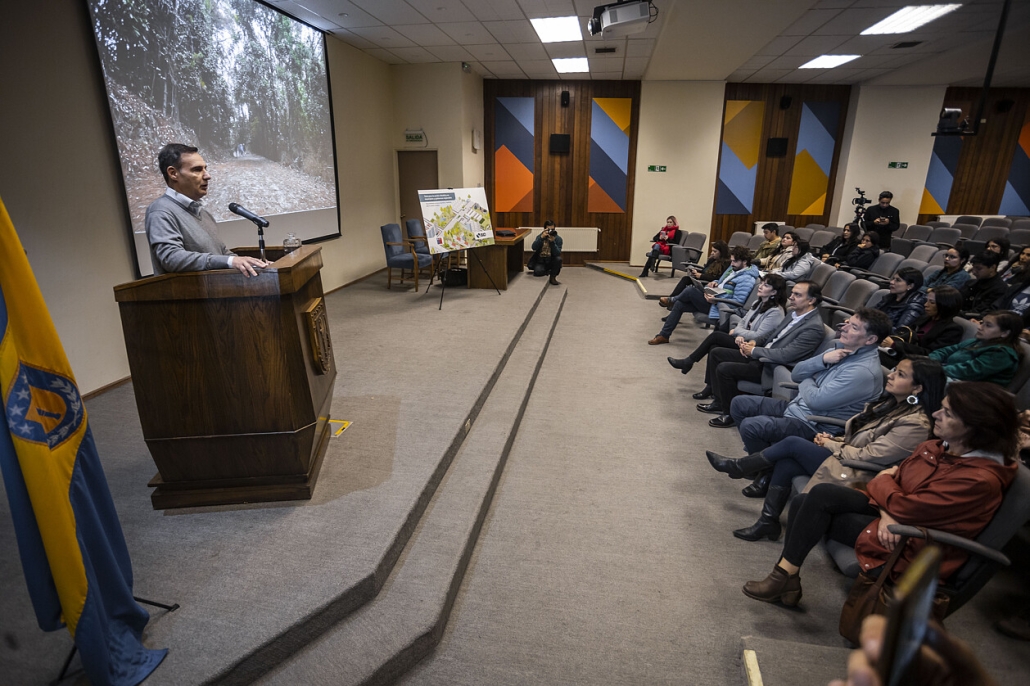
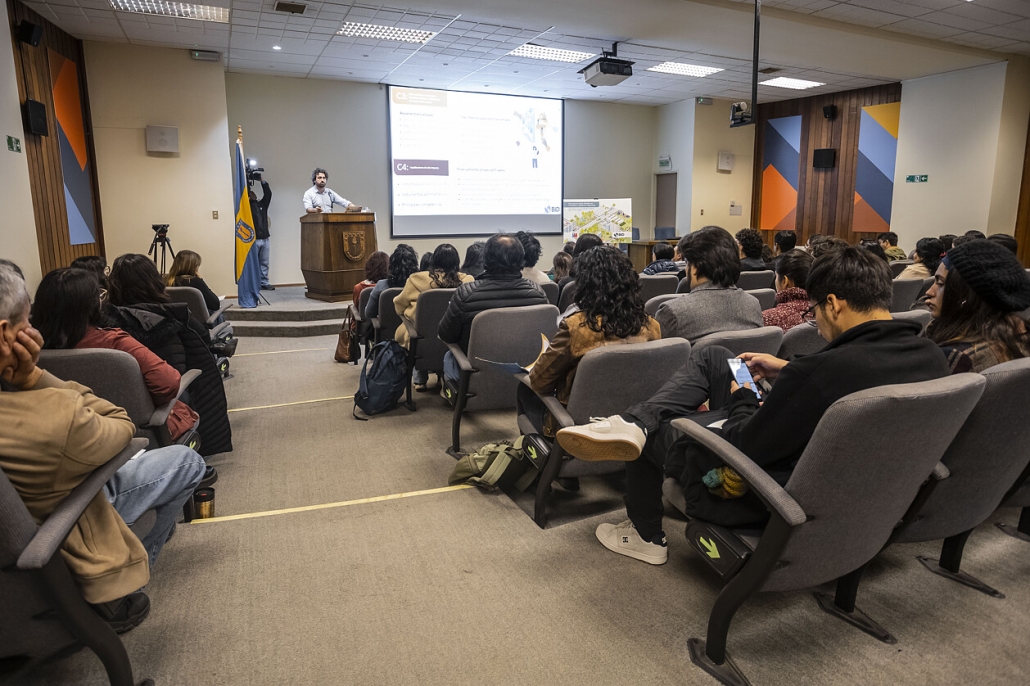
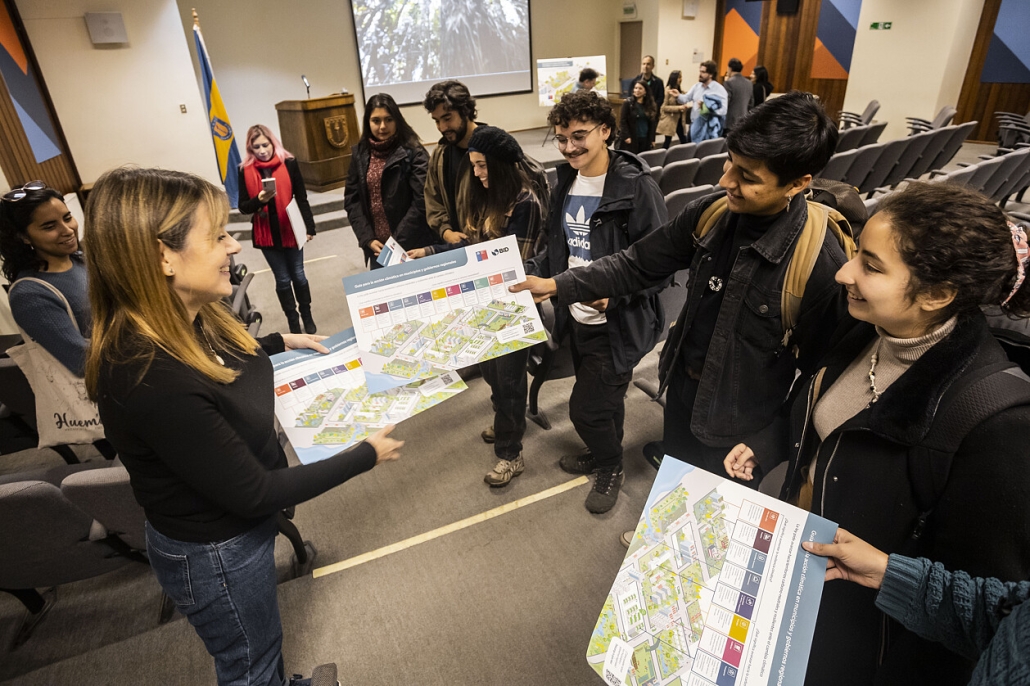
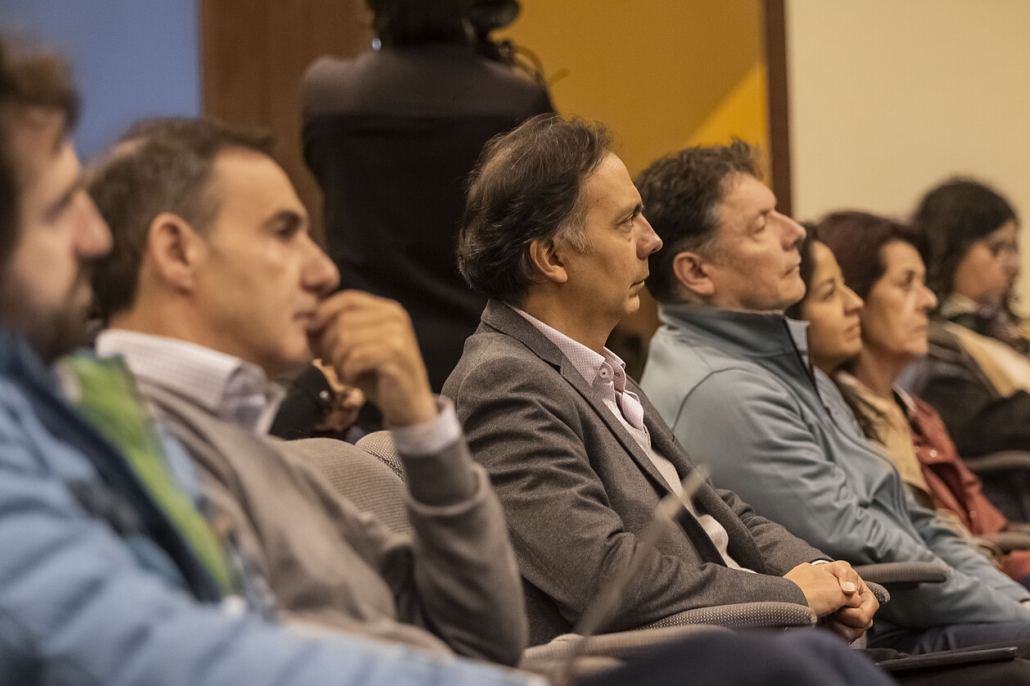
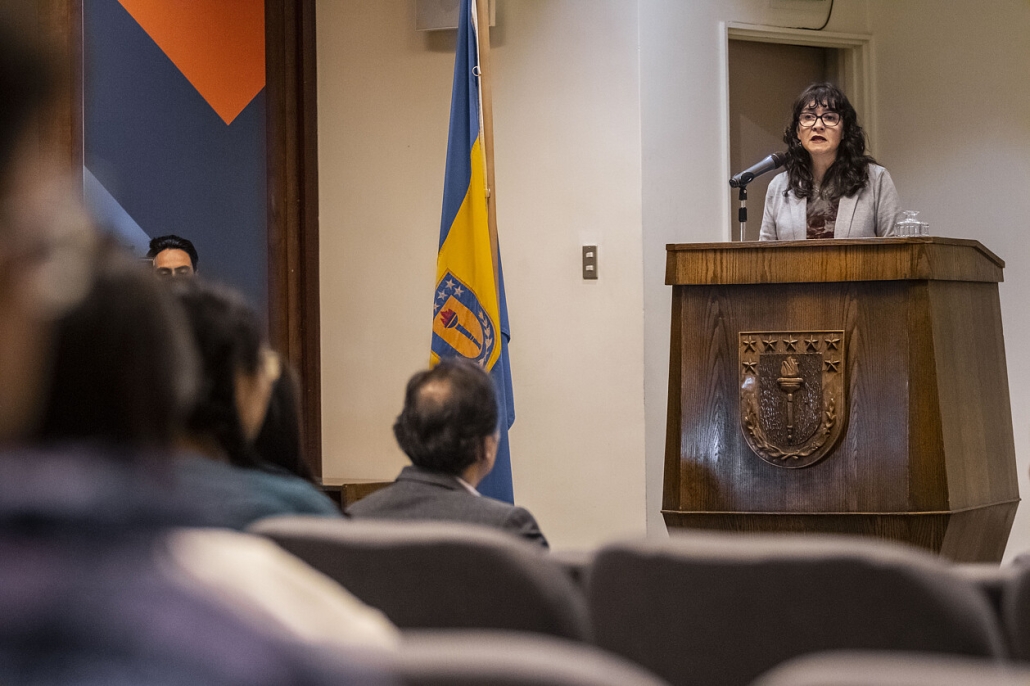
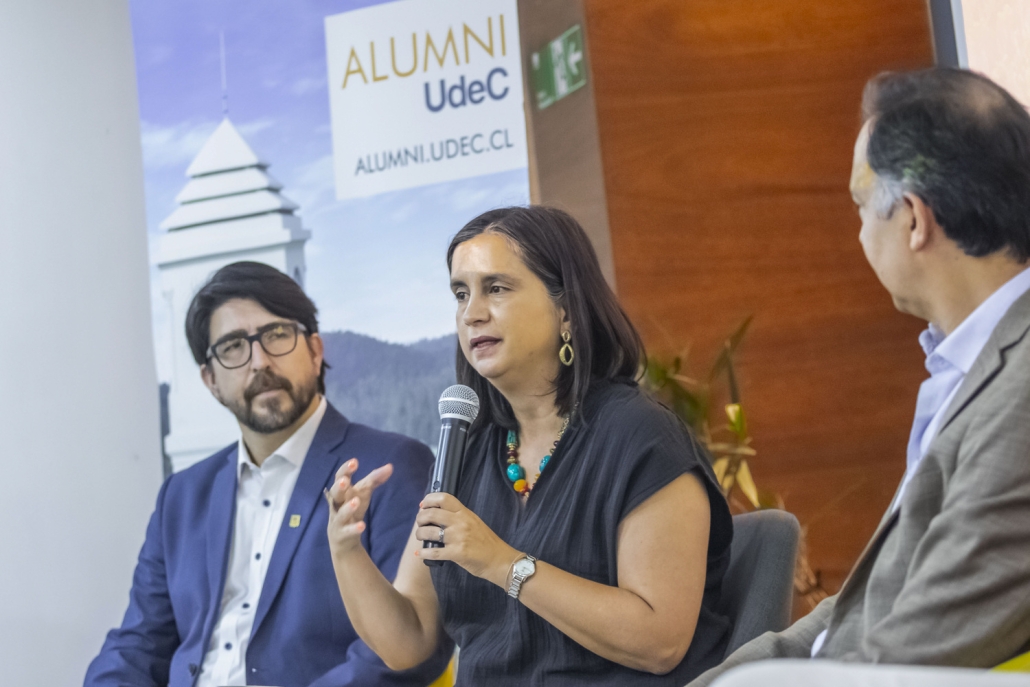
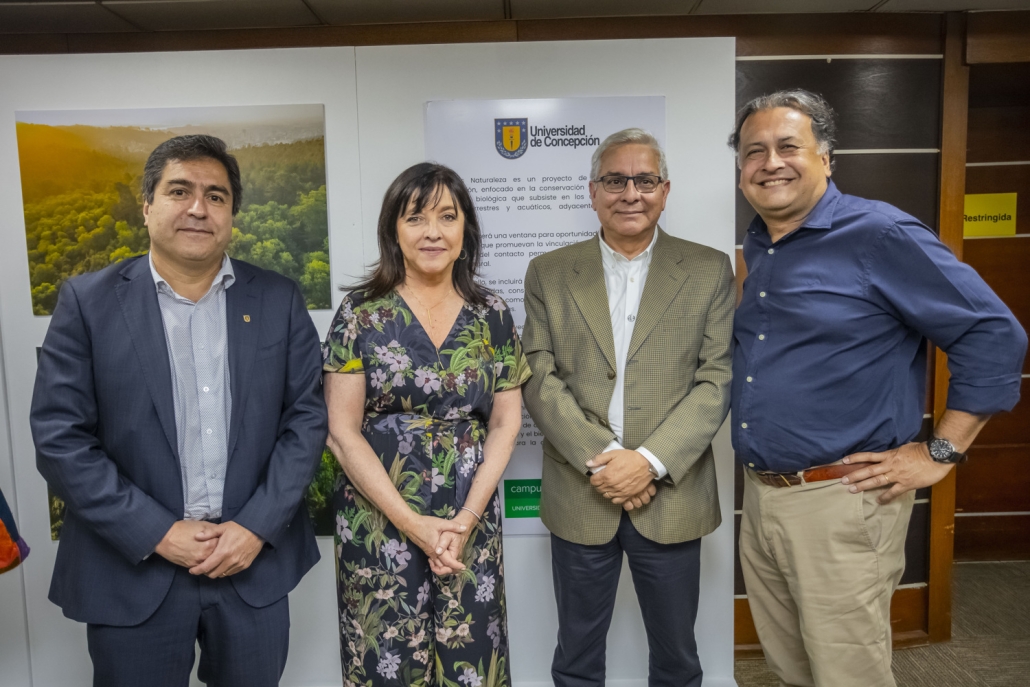
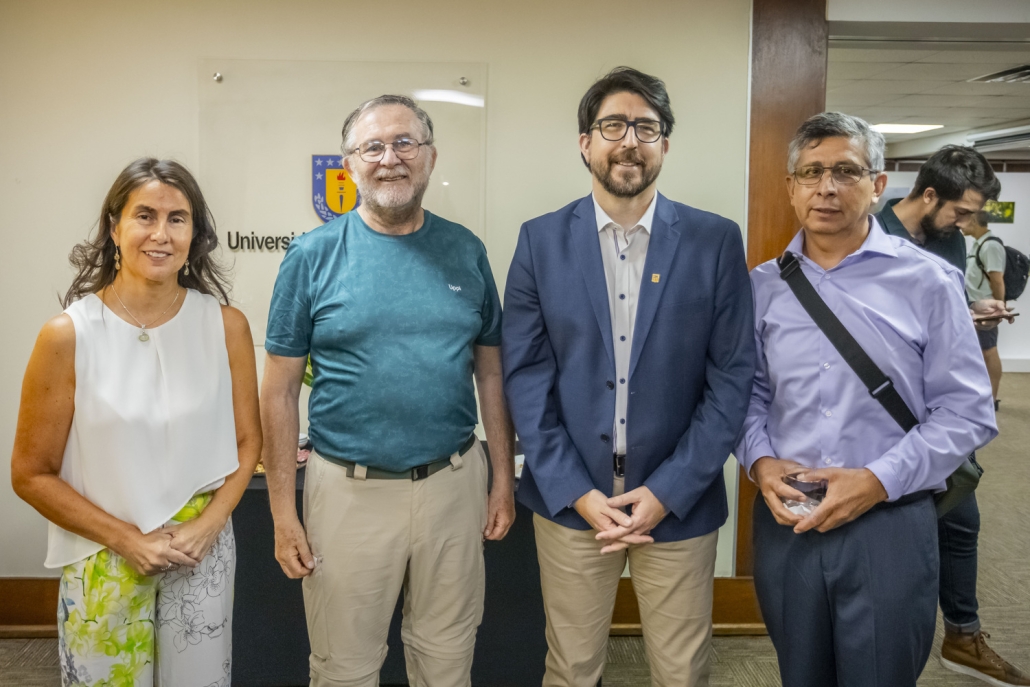
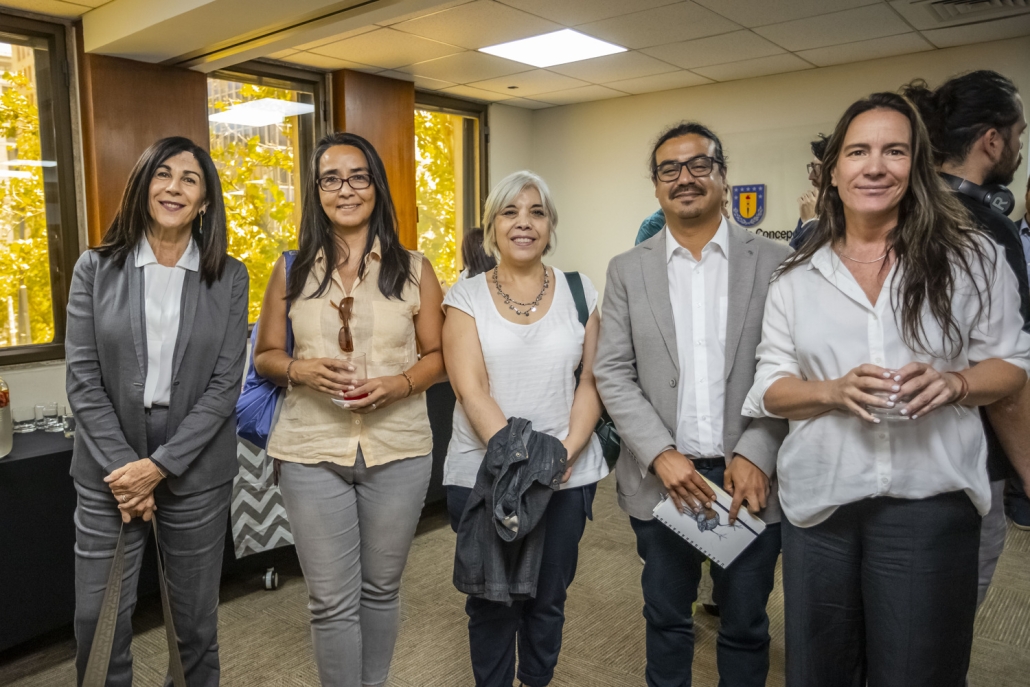
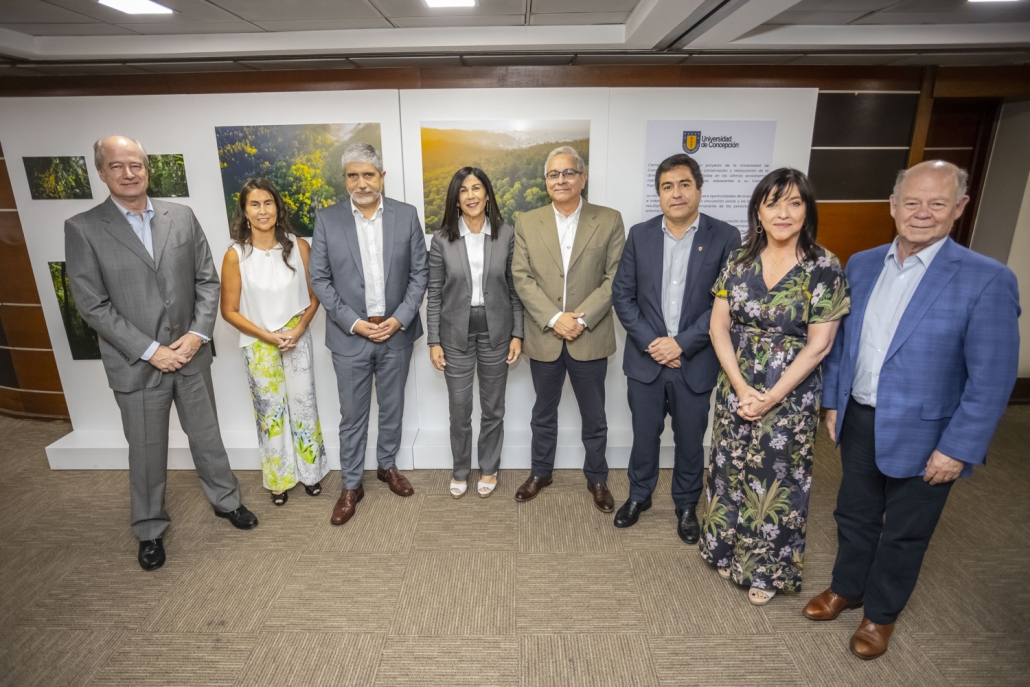
University of Concepción and the Inter-American Development Bank (IDB) Launch Climate Action Guide

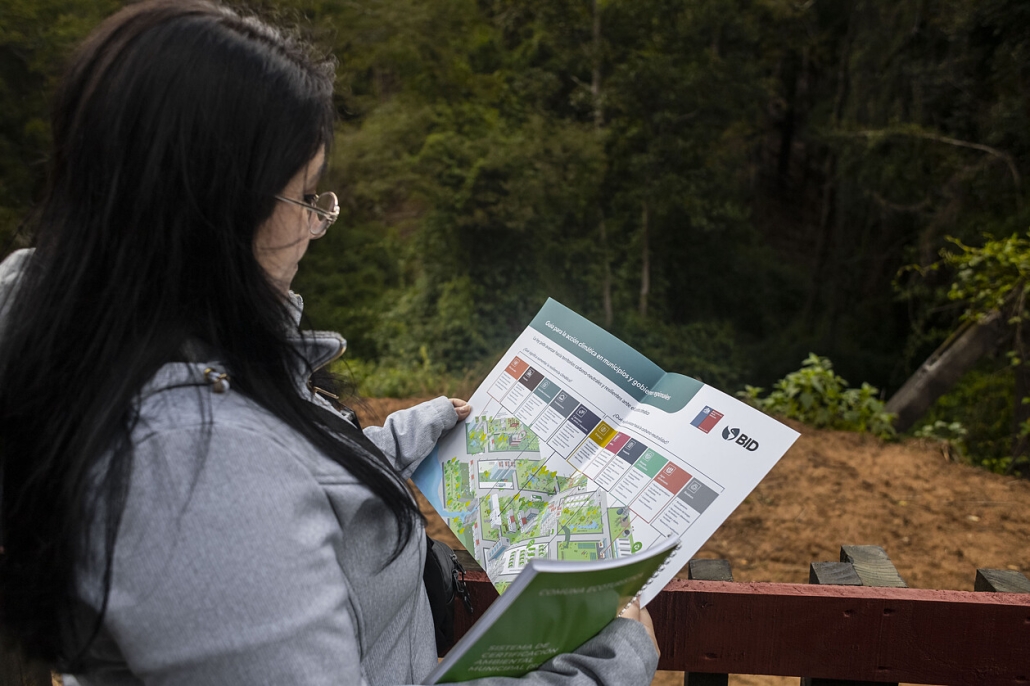
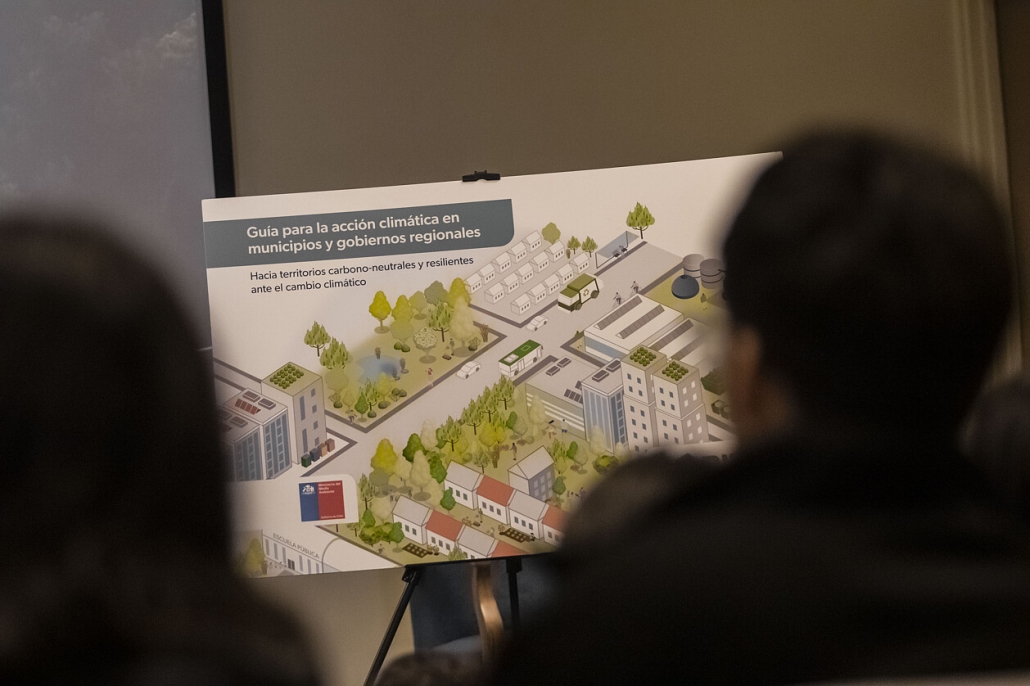
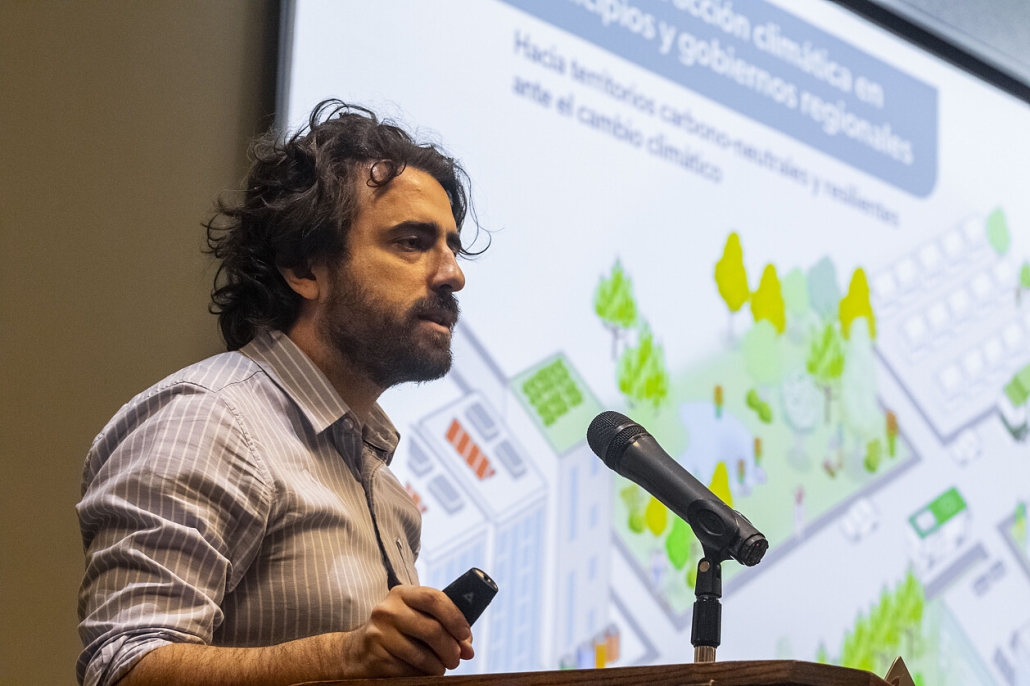
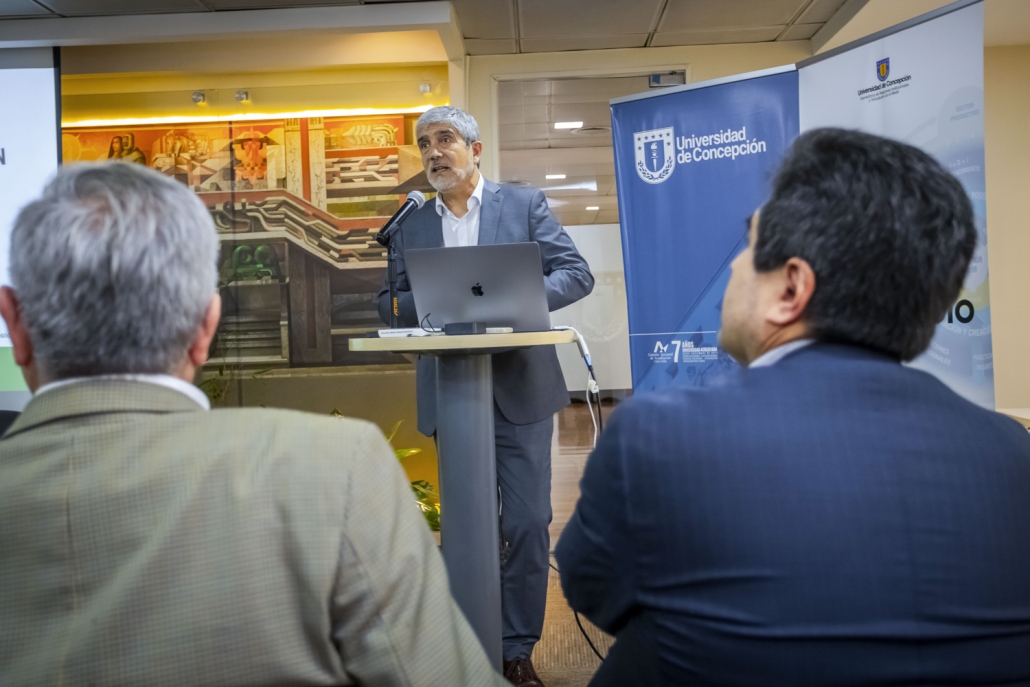
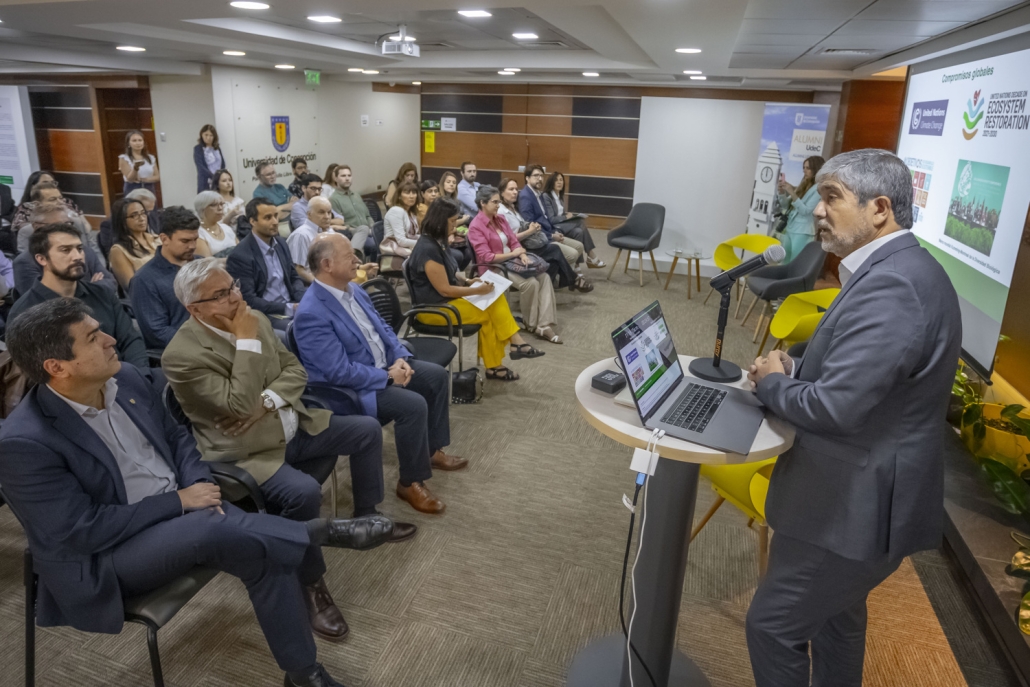
The climate crisis and environmental challenges require concrete measures increasingly urgent to address them. In this context, the University of Concepción and the Inter-American Development Bank (IDB) present the "Guide for Climate Action in Municipalities and Regional Governments: Towards Carbon-Neutral and Resilient Territories," a publication that proposes 22 concrete and achievable measures for local governments to address climate change.

The guide was prepared by the Inter-American Development Bank (IDB) and the Ministry of the Environment. Similarly, the activity organized by the Campus Naturaleza project, UdeC + Sustainable, and the Communications Department is part of the Earth Day commemorations.

The document's objective is to empower regional and local leaders to act decisively in the fight against climate change. It also identifies the transformations for a carbon-neutral and resilient future, along with the climate actions to implement this change, overcoming barriers, and inspiring their communities. The document was developed from workshops with key stakeholders at the national, regional, and local levels, as well as literature analysis and review of experiences in the region.

The Vice-Rector for Institutional Relations and Community Engagement, Ximena Gauché Marchetti, comments that “it was a great coincidence to do this activity precisely on International Earth Day. We know that this is a topic that concerns and worries the community, not only in this region but across the country. Thus, the initiative connects with the concerns and commitments that the University of Concepción has been assuming, not only in the area of community engagement but also, and in a transversal way, for the environment and for biodiversity conservation, through a very concrete action, such as the Campus Naturaleza project.”

"This initiative was launched almost a year ago and aims to become a legacy for future generations, which is also important to highlight because this is not just a matter for those of us living today, but for those to come. Therefore, from that perspective, having the country equipped with a guide like the one presented today in this joint effort between the IDB and the Ministry of the Environment is a particularly interesting contribution to the regions, aligning with our university's strong regional relevance in Ñuble, Biobío, and Concepción."

Campus Naturaleza

Dr. Cristian Echeverría Leal, director of the Campus Naturaleza project at the University of Concepción, explains that the guide provides guidance on the difference climate actions that can be implemented in order to have more resilient cities and urban systems. “In particular, Campus Naturaleza is already materializing these actions through its various action lines. One of them is the ecological restoration of native forest, which is also part of advancing towards carbon neutrality. Also recovering areas invaded by exotic species, restoring and converting them as native forests and protecting terrestrial and aquatic ecosystems through in-situ conservation actions.”

“For us, it is a great opportunity that the Inter-American Development Bank has considered Campus Naturaleza to showcase the guide, as they recognized in us and in our action lines, how aligned we are with the goals pursued by the IDB in relation to supporting climate actions.”

He also highlights the alignment between words and actions, stating, "Launching the climate action guide in a place where such actions are already in motion, including firebreak zones, restoration, and ecosystem conservation—particularly in areas crucial for human well-being—is very coherent."

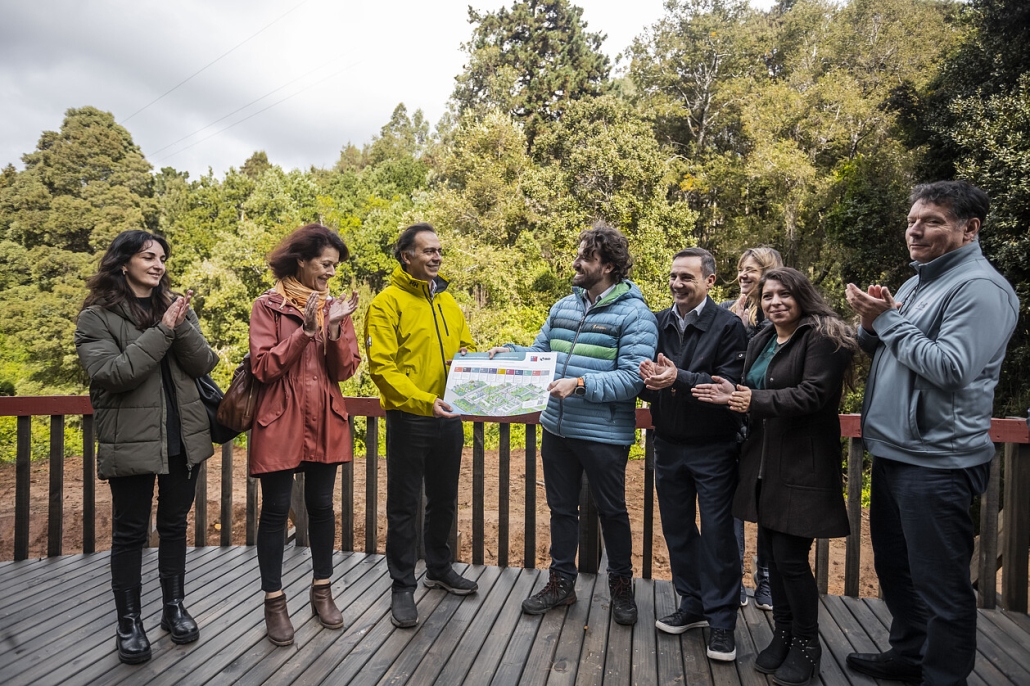
Pablo Angelelli, head of Operations at the IDB, comments that “the guide, formulated with the support of the Ministry of the Environment, aims to be a compass tool for regional and municipal governments, providing them with concrete and relevant measures to act swiftly and achieve a significant high impact in climate mitigation and adaptation.”

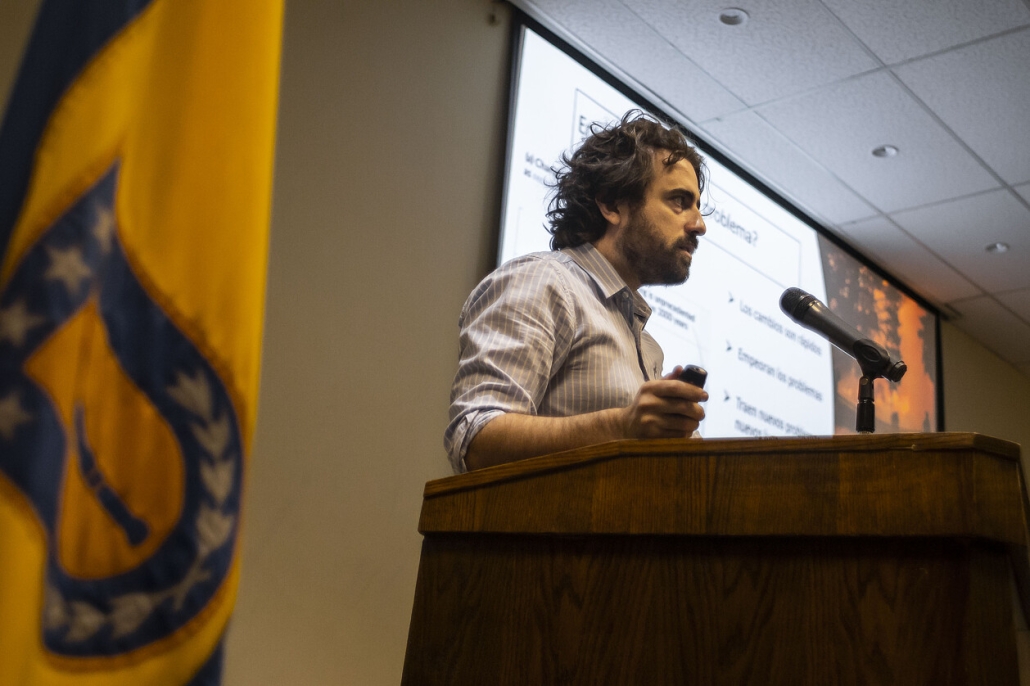
In the same way, Hipólito Talbot Wright, one of the authors of the document and who works in the Climate Change Division of the IDB, states that “climate action requires that local governments and municipalities also do their part. Many of the competencies to achieve climate action are there, and the Framework Law on Climate Change requires them to have climate action plans at both the regional and local levels. So, the idea of this book is not to tell them what to do, but it is a kind of list of actions that they could implement to achieve their climate goals in their regions and communities. We are trying to create information and knowledge, in order to make that knowledge available, but also specifically for municipal and regional government issues.”

He adds, "This location exemplifies what the guide itself recommends. It's not just a conservation project; it's integrated within the urban fabric, providing substantial environmental and cultural benefits to the city. It serves as an excellent model for fostering climate mitigation and adaptation efforts in Chile."

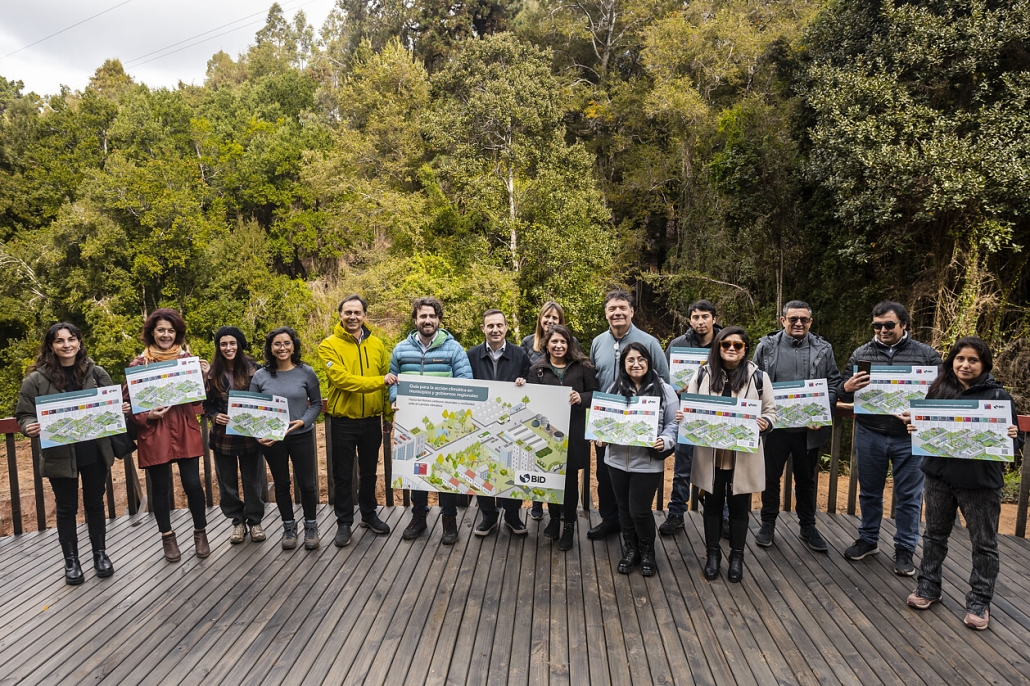
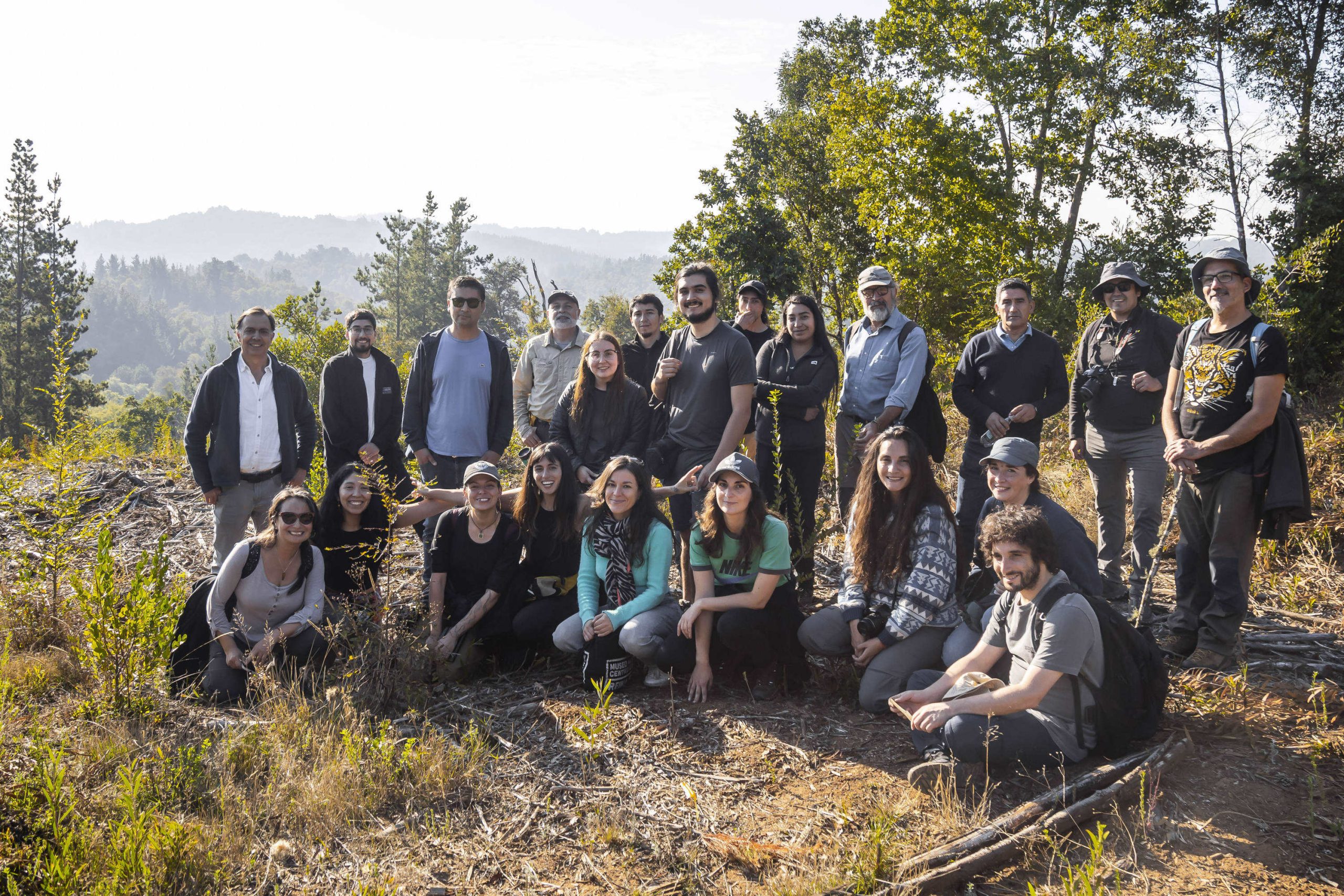
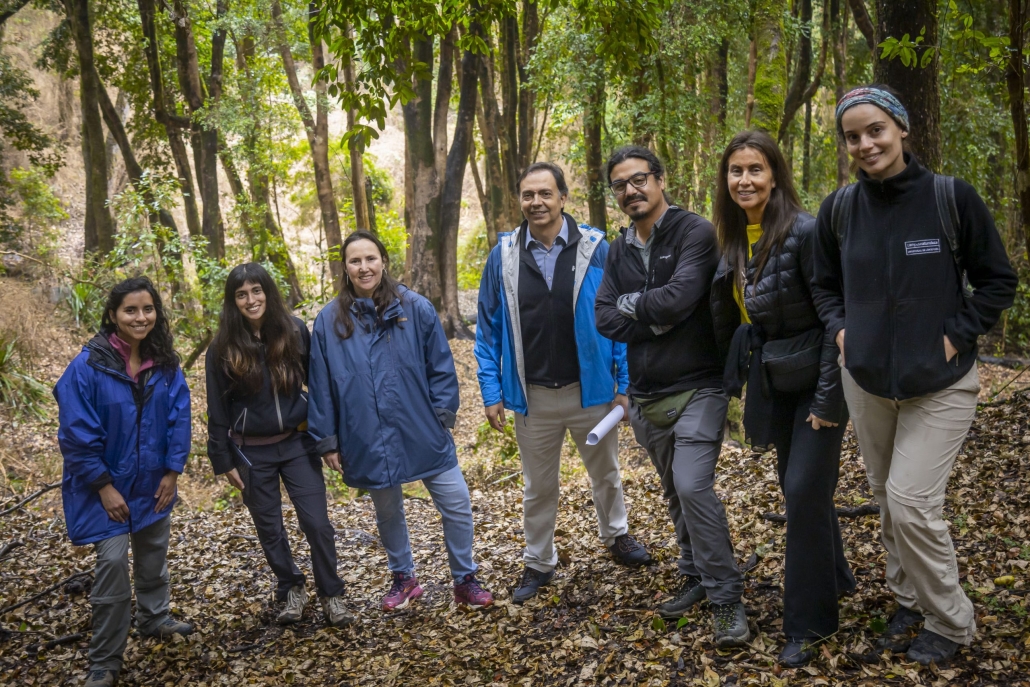
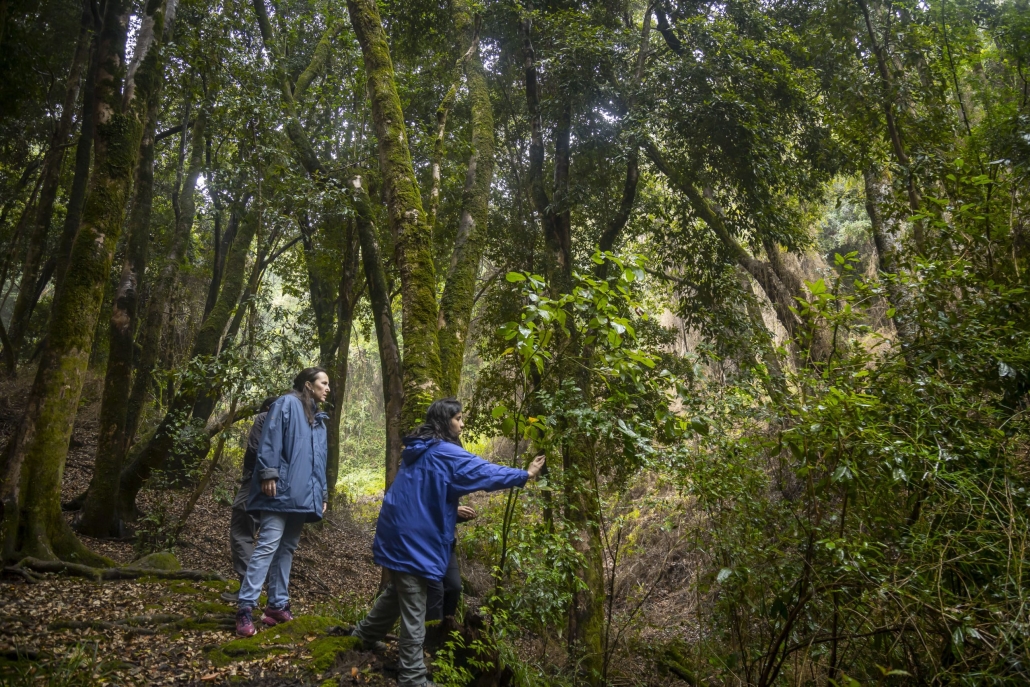
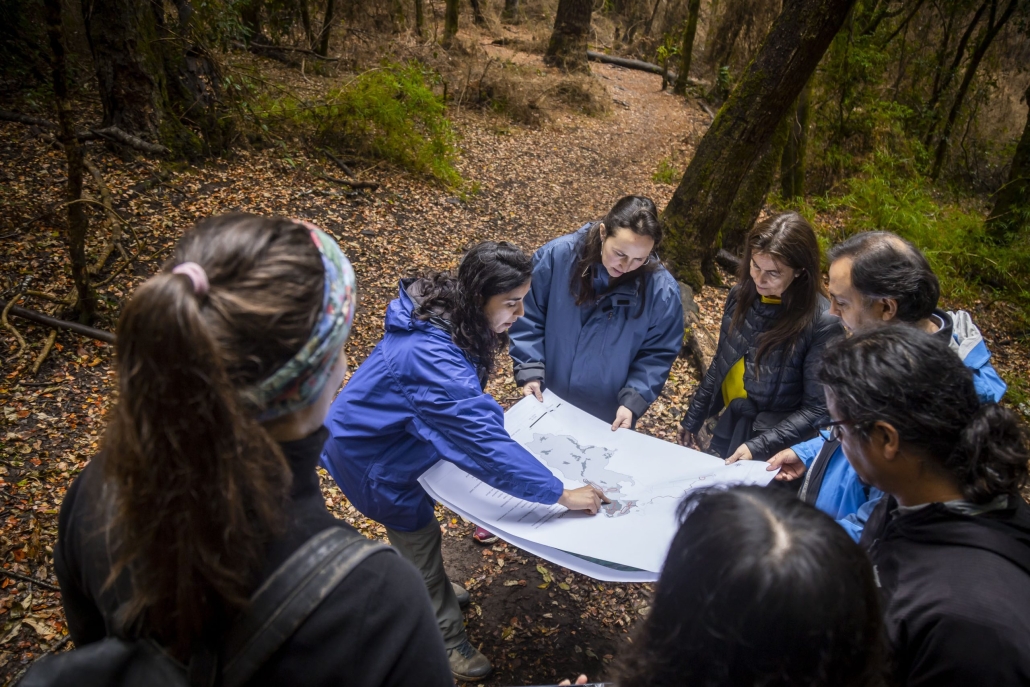
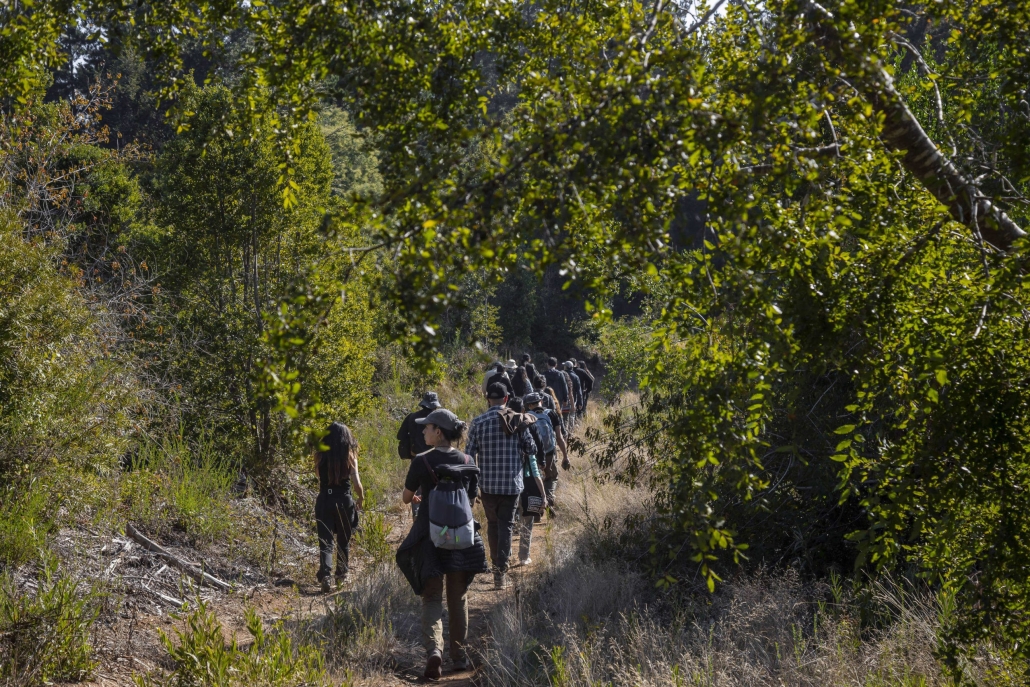
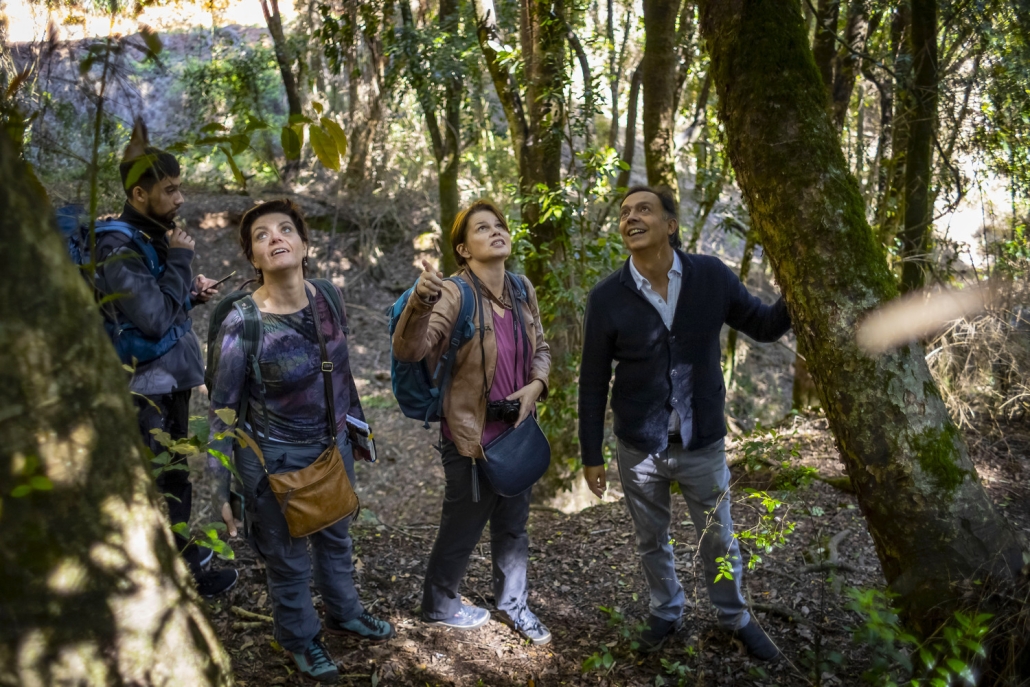
The activity concluded with a visit to the Campus Naturaleza project with members from different municipalities, whom were symbolically given the guide.

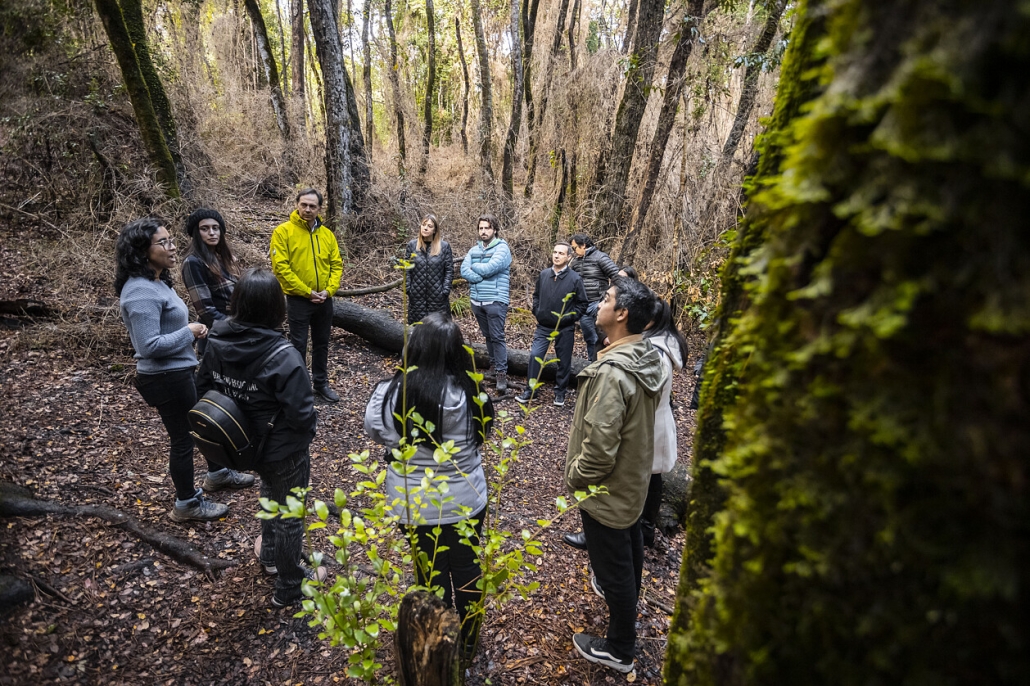
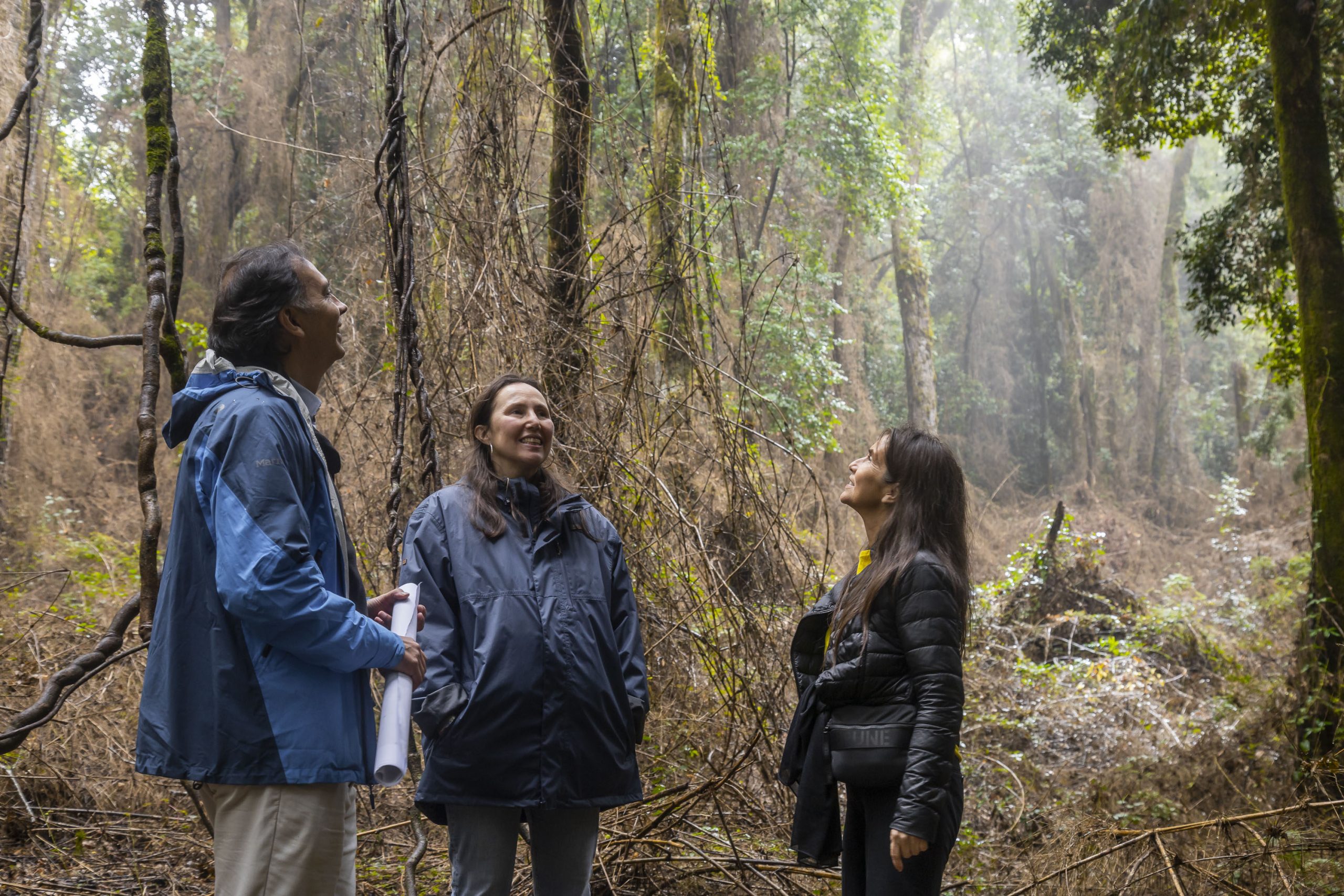
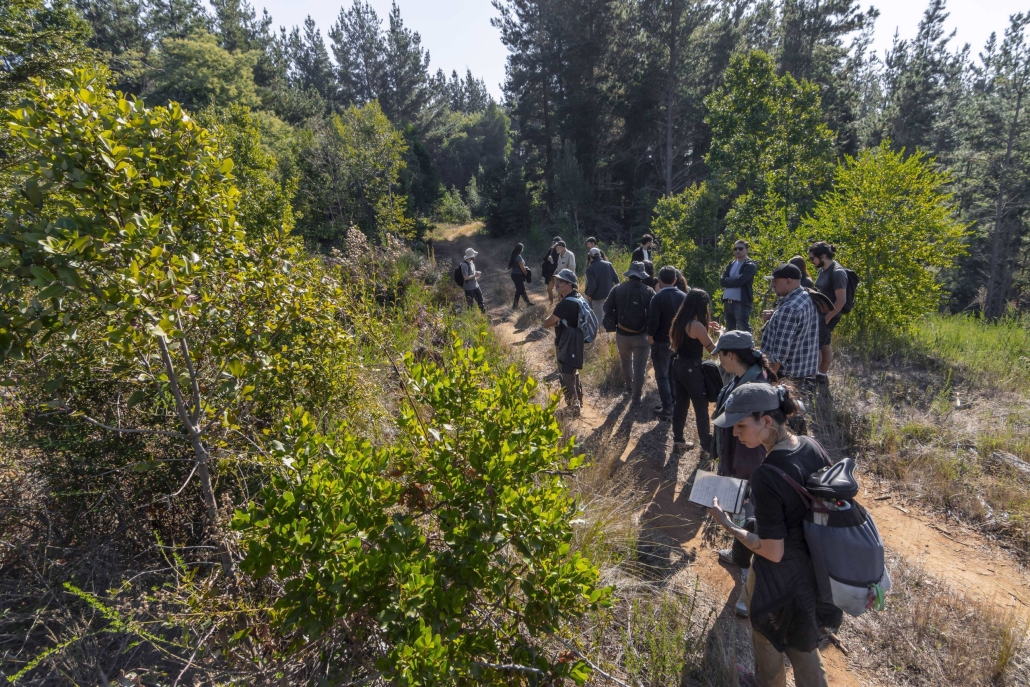
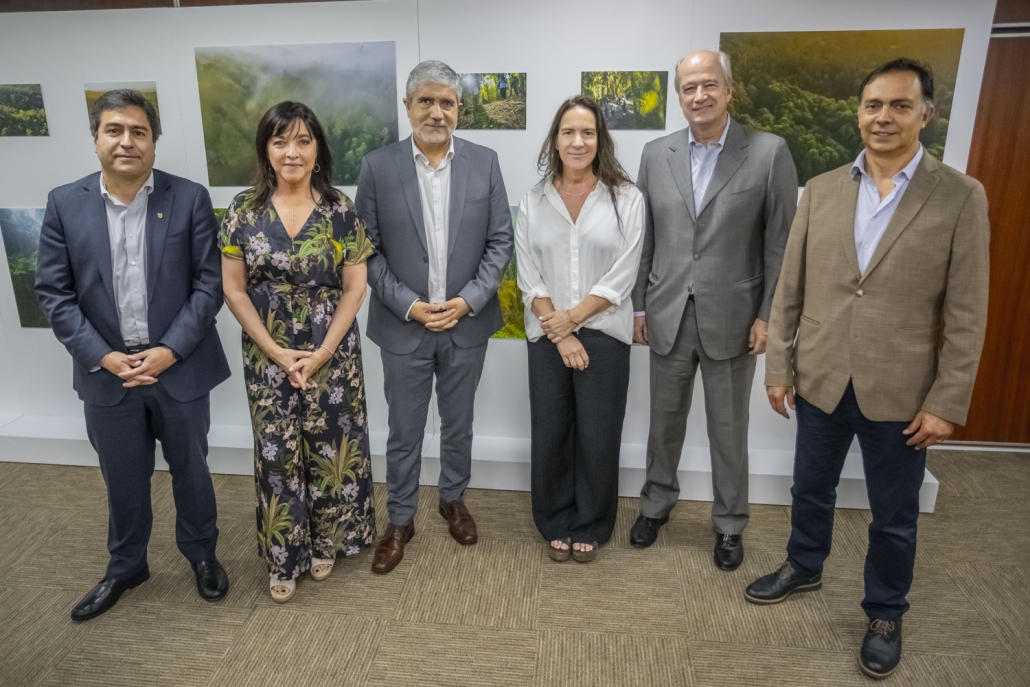
Campus Naturaleza Mixed Advisory Council Visits Ecological Restoration Experience in Nonguén National Park

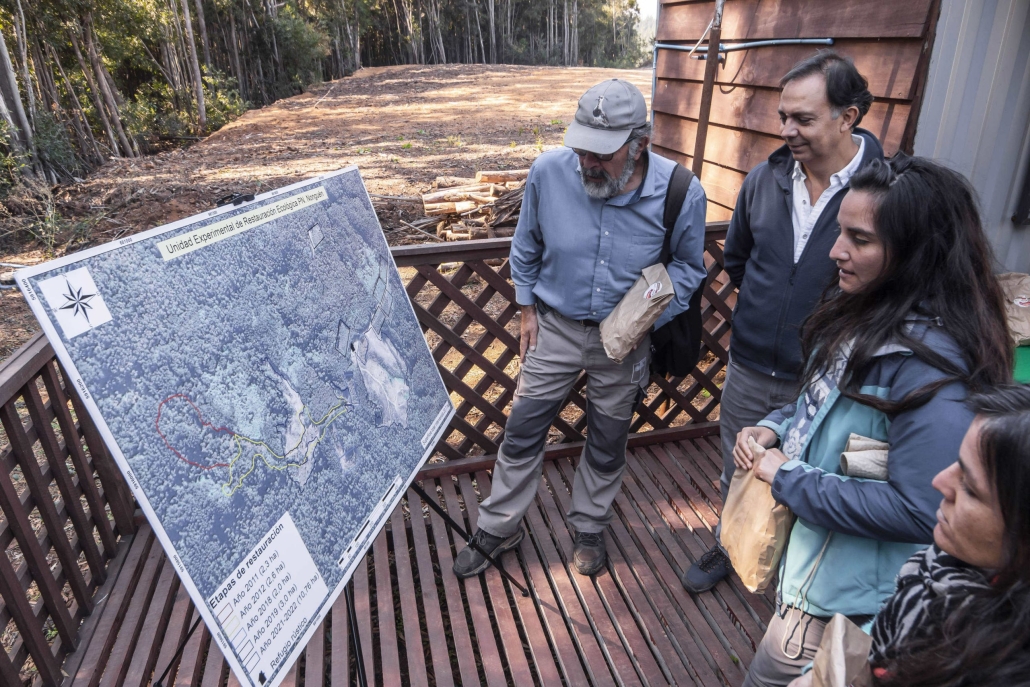
Thirteen years ago, this sector located in the south of what is now the Nonguén National Park looked very different. A forest fire in 1999 split an important fragment of native forest in two, causing significant harm to both biodiversity and humans. Radiata pine (Pinus radiata) and Australian wattle (Acacia melanoxylon) then invaded the area. In 2011 the Landscape Ecology Laboratory at the University of Concepción started a project to restore these degraded areas, replacing invasive exotic species with native species and assisting nature in its recovery process.

Pinus radiata and Acacia melanoxylon invaded the area. That changed in 2011 when the Landscape Ecology Laboratory at the University of Concepción started a project to restore these degraded areas, replacing invasive exotic species with native species from the region and assisting nature in its recovery process.

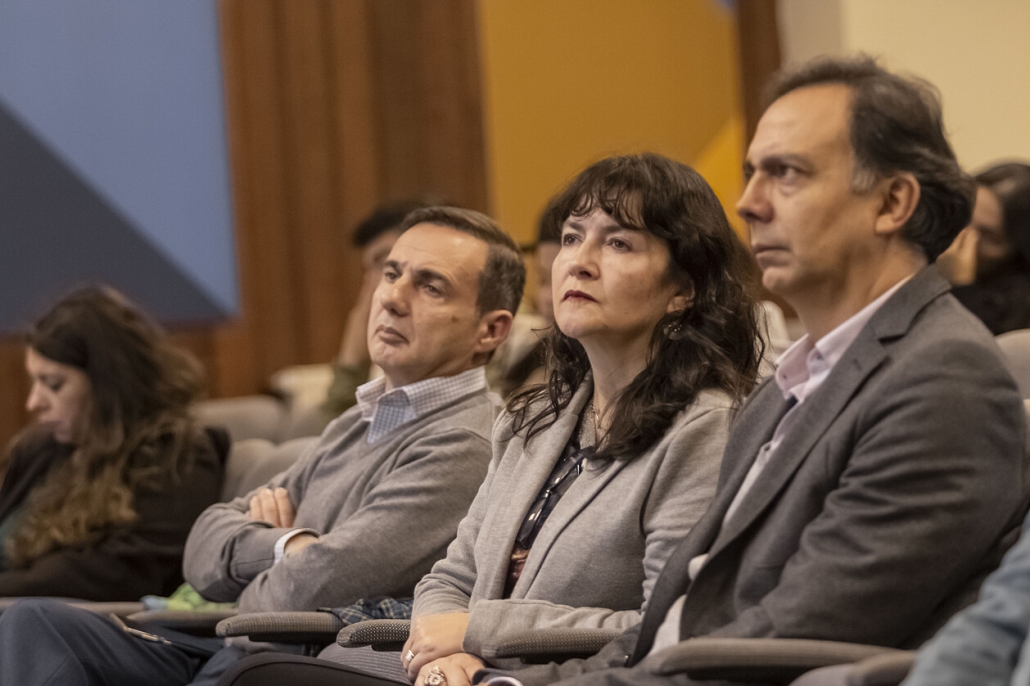
The Mixed Advisory Council of Campus Naturaleza UdeC includes members of the university community, related institutions, and civil society representatives who will inform about the different line actions of the project and, at the same time, gather suggestions and concerns from their respective sectors.

Nonguén and the hills adjacent to the university share a common history. Therefore, the experience of the Experimental Unit of Ecological Restoration in this area managed by CONAF is very valuable, as it provides background for future implementation of ecological restoration and ex situ conservation actions for biodiversity within the university's initiative.

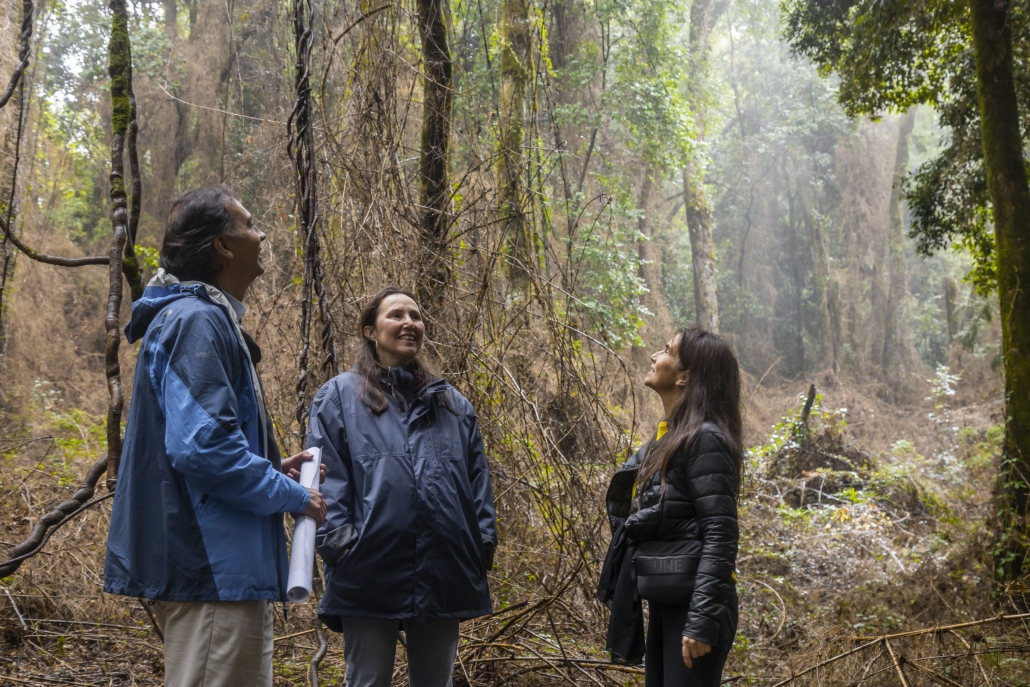
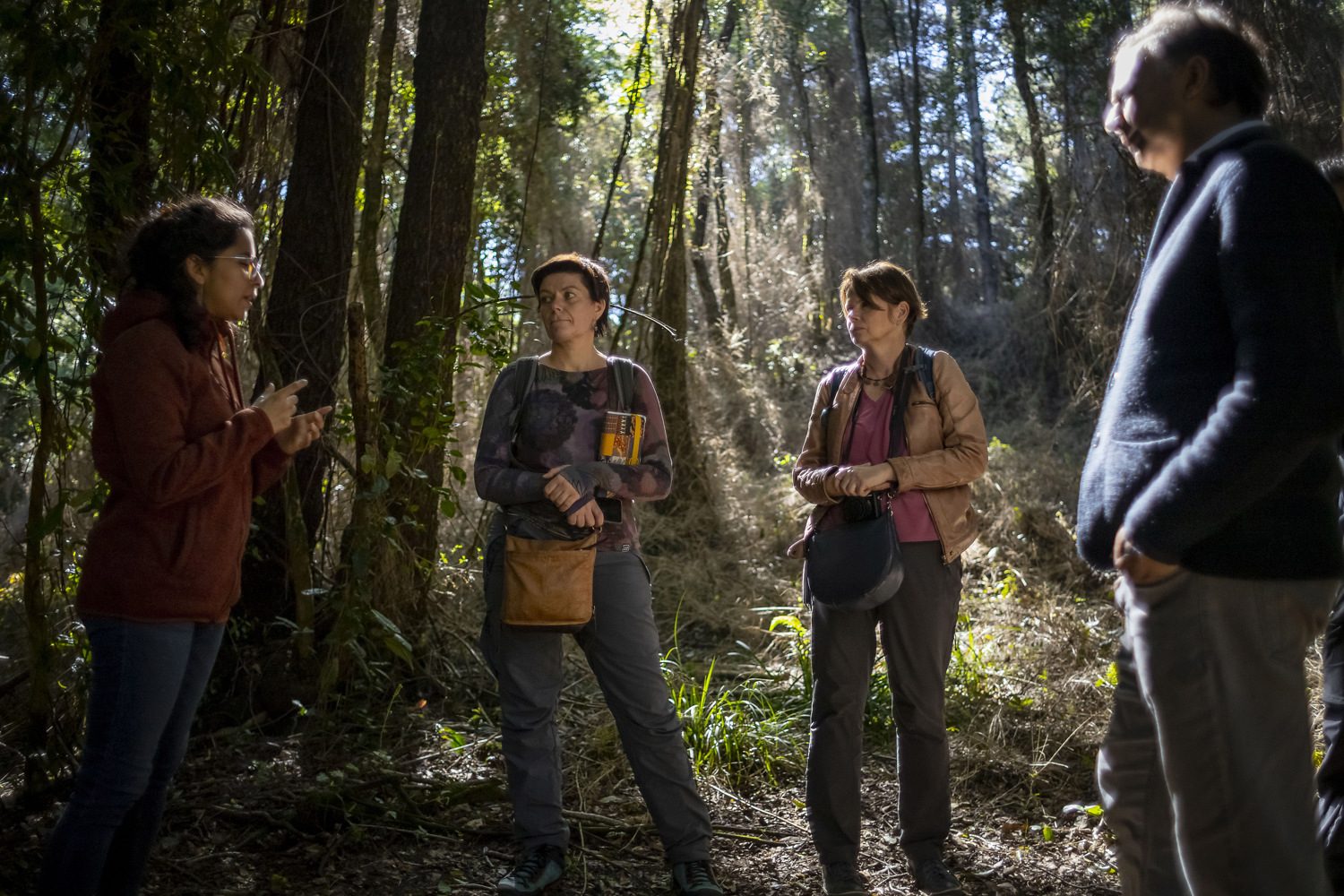
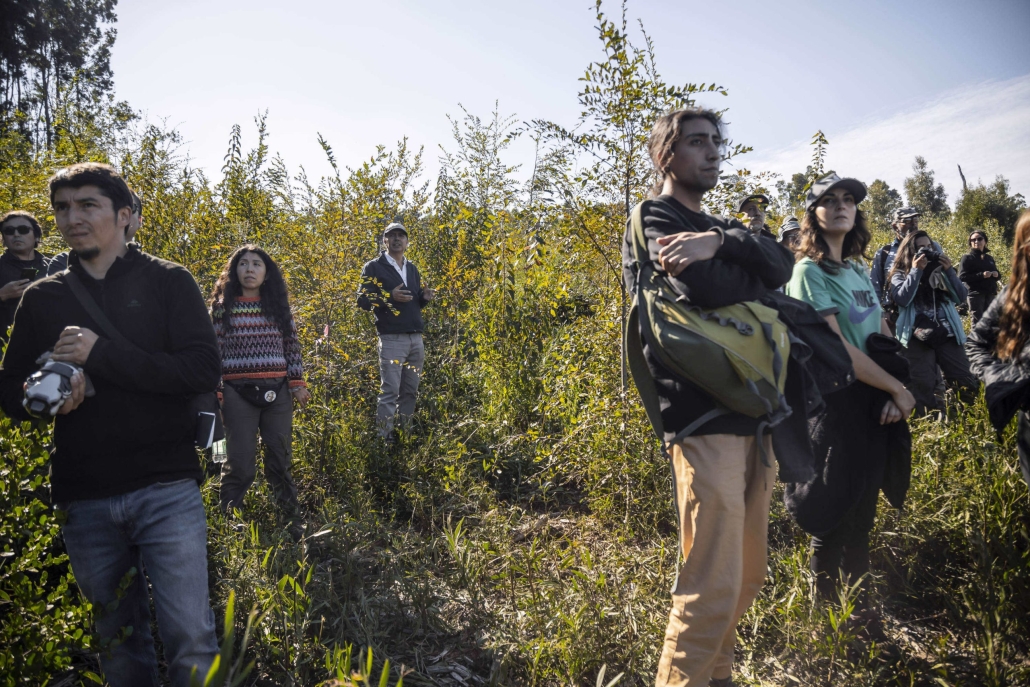
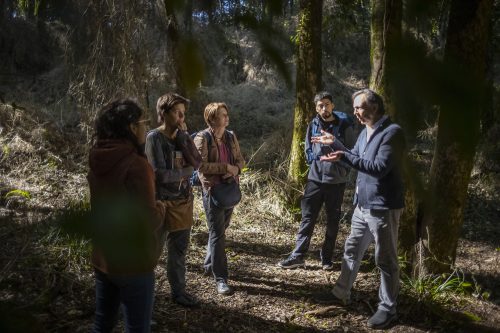
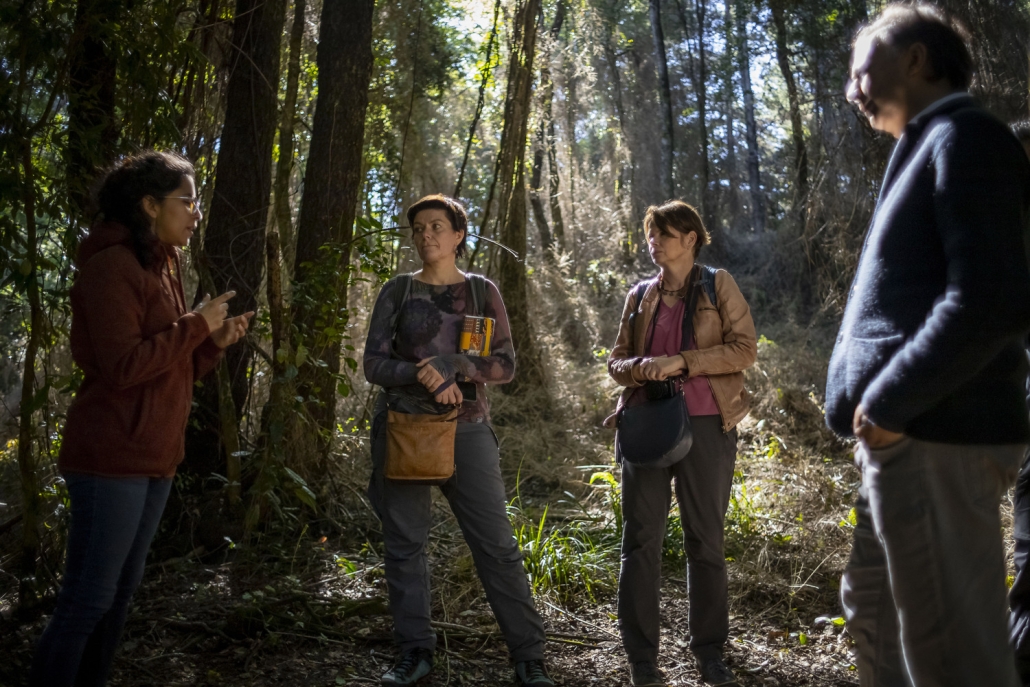
Dr. Cristian Echeverría Leal, director of the Campus Naturaleza project, explains that “the Mixed Advisory Council was invited to learn about one of the first ecological restoration experiences of the deciduous forests of Concepción, in the Nonguén National Park, which began in 2011 thanks to a public-private partnership. During the visit, the different members of the Advisory Council, from their various sectors, could clearly understand the efforts required to reverse the degradation of native forests in the area, which involves multisectoral and interdisciplinary work, from understanding forestry operations and removing invasive species to plant propagation techniques, involving the local community, and the importance of science to ensure that ecological attributes and promote the ecosystem recovering toward the desired trajectory.”

“One of the action lines of Campus Naturaleza is the ecological restoration of areas currently covered with eucalyptus monocultures (Eucalyptus globulus) and areas invaded by wattles (Acacia melanoxylon) and other exotic species. As the plan for the coming years is to restore these areas, this visit to Nonguén National Park by the Mixed Advisory Council it was important in order to learn about an experience similar to what is intended to be carried out, given the proximity of Campus Naturaleza ecosystems to Nonguén National Park,” he emphasizes.

Representatives of the Mixed Advisory Council

Bárbara Müller Catalán, a member of the Mixed Advisory Council and representative of the Environmental Department of the Municipality of Concepción, comments that by visiting the restoration experiment in the national park, “you can see ecological restoration theory in a more didactic way, approaching of what is going to be Campus Naturaleza project. Essentially, it was a very tangible way of seeing how this initiative will develop. This has been a very explanatory day with the project team, and they answered many questions about this beautiful work that involves a lot of patience.”

Meanwhile, José Miguel Cid Baeza, a counselor of Campus Naturaleza and representative of Union number 3 of the University of Concepción workers, says that “it is truly wonderful, almost miraculous, to see how nature, under certain basic conditions, can recover. It is also interesting to realize the technique and method being used, which will also be applied into Campus Naturaleza.”

“Native forest is a source of life. I think Campus Naturaleza is an excellent initiative. It is an invitation to dream and believe that the city can be connected with the forest and that people themselves can become agents of change” comments Sebastián Parra from the Cultural Corporation Actos Sinestésicos.

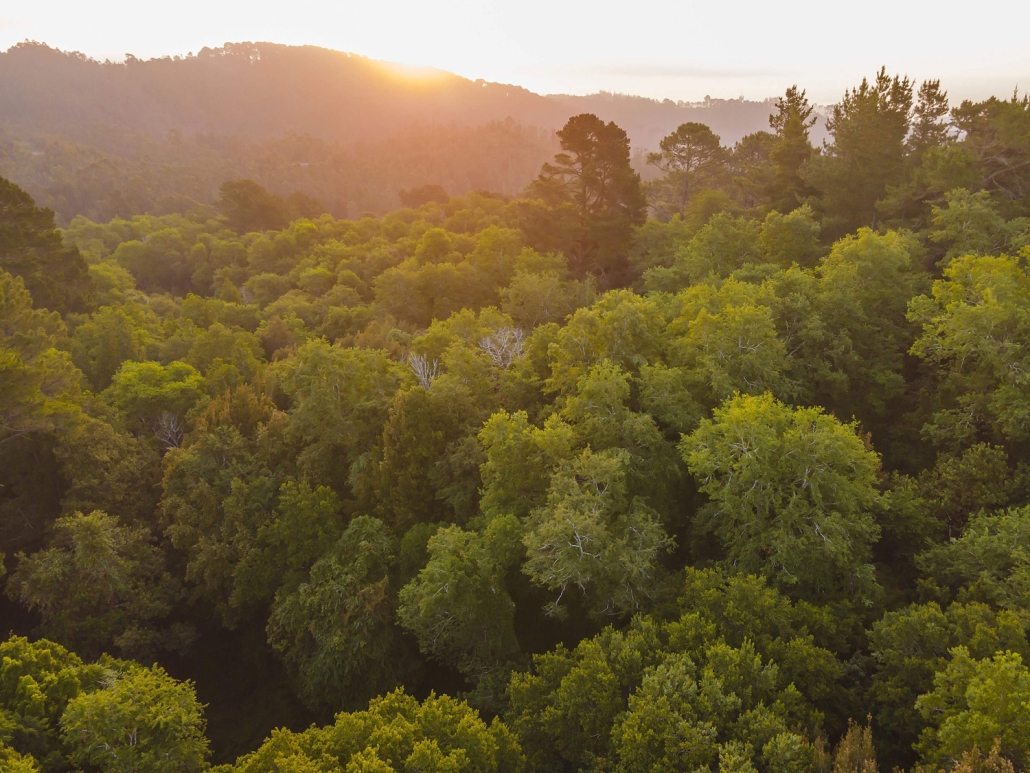
The Campus Naturaleza University of Concepción project will develop conservation actions in 25 hectares of aquatic ecosystems and relic ecosystems of Concepción's deciduous forest, located on the hills adjacent to the university. Additionally, ecological restoration, ex-situ conservation, comprehensive health and human well-being actions, and other initiatives will be implemented.

Nature conservation cannot be achieved without involving communities.

Camila Iturra, Senior Donor Programme Manager de Fauna & Flora,


The story of Fauna and Flora International (FFI), an English NGO dedicated to nature conservation, has ancient roots, originally beginning with goals diametrically opposed to its current mission: animal hunting. "British aristocrats, concerned about the lack of animals to hunt in South Africa, decided to create a group for this purpose. However, over time, a national park was established (Kruger National Park), and the organization shifted its focus towards wildlife conservation."

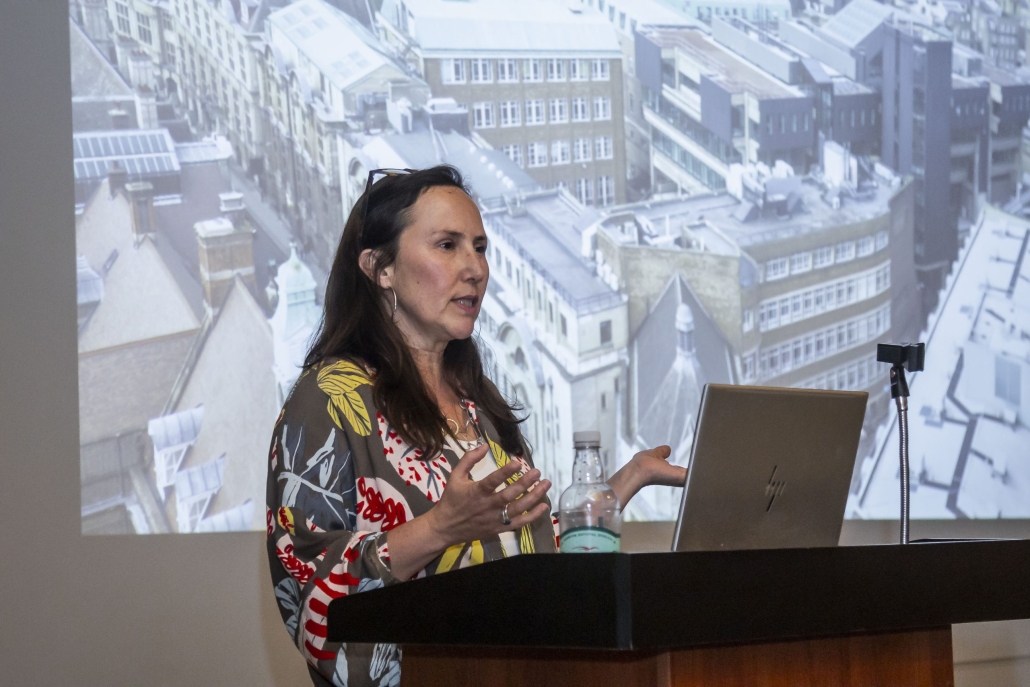
Camila Iturra, Senior Donor Programme Manager at Fauna & Flora International, describes the organization's beginnings as the most established institution internationally in this field. Its mission is to create a sustainable future for the planet, where biodiversity is conserved by the people living closest to it.

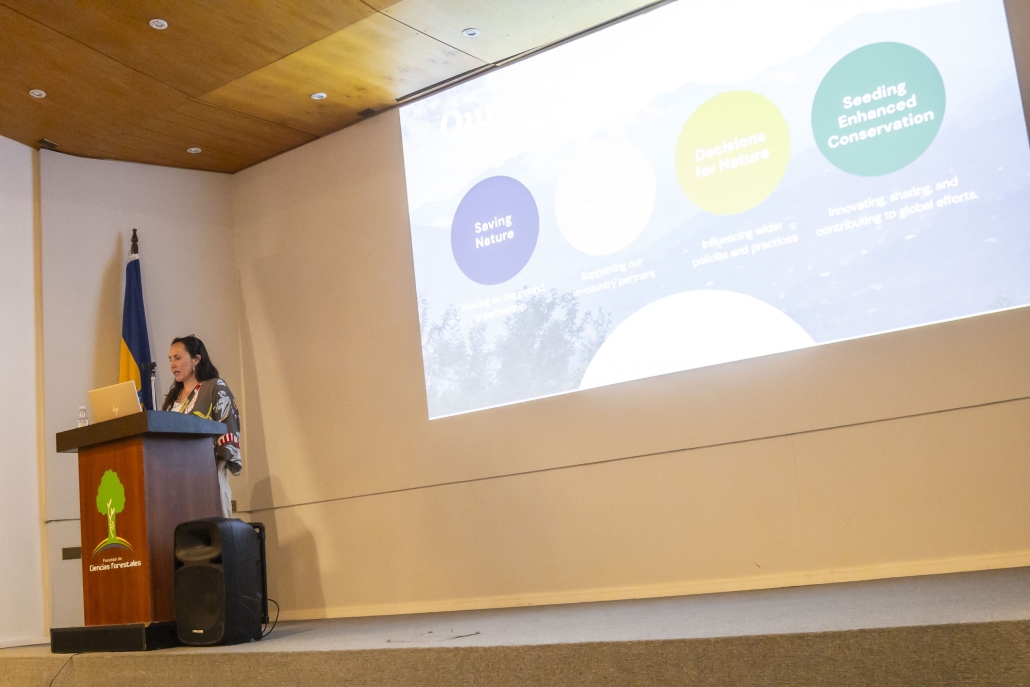
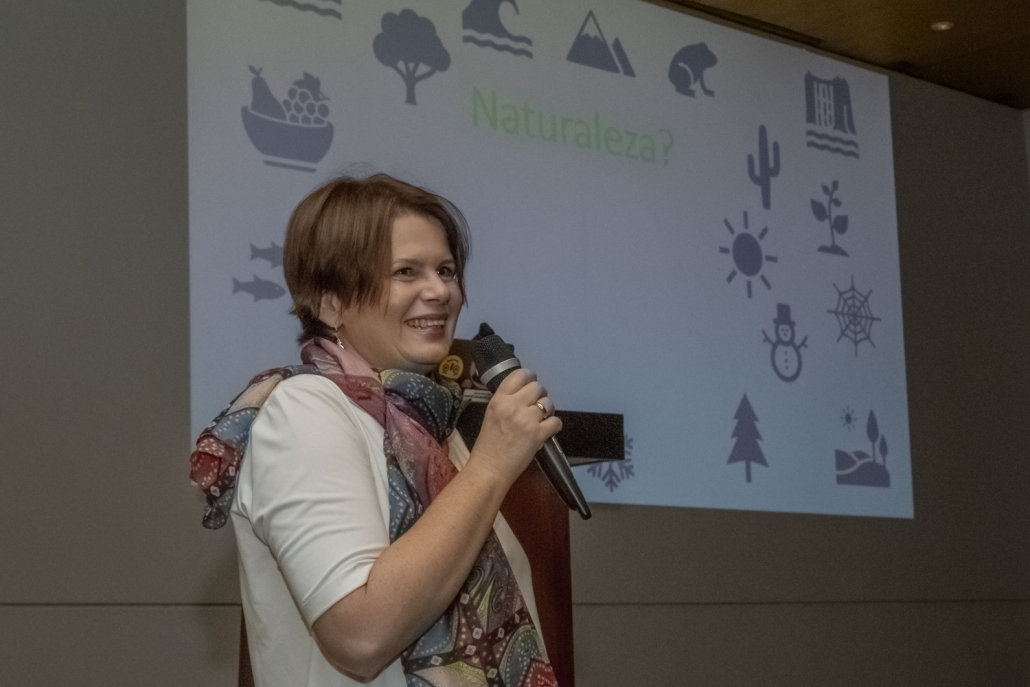
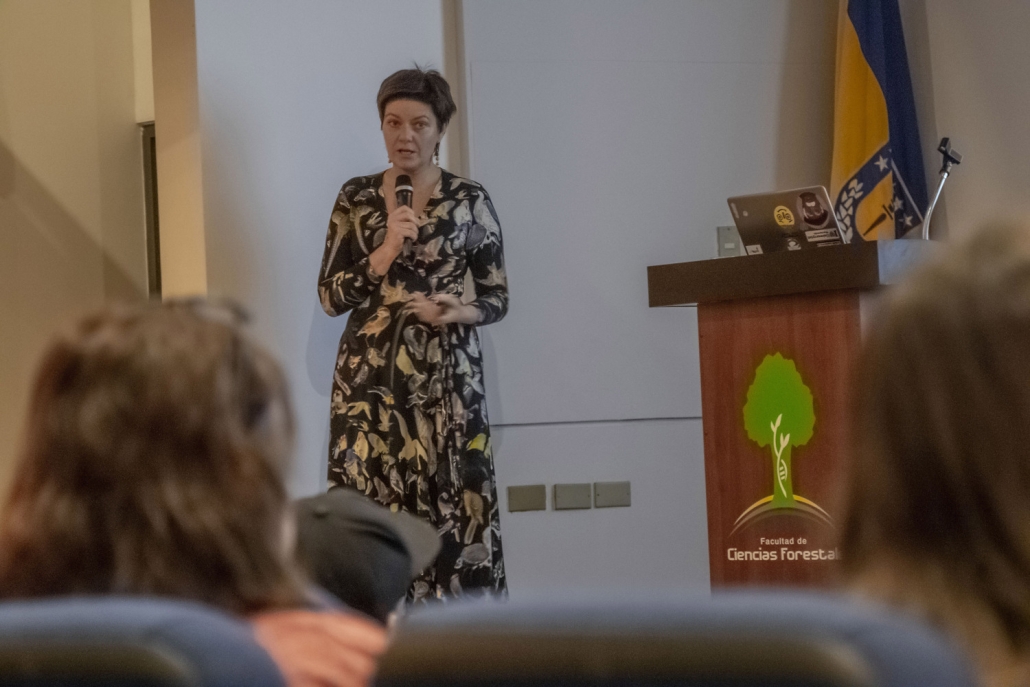
The Chilean professional, who has spent most of her life in England, visited Concepción to learn about the Campus Naturaleza project and share her global perspective on conservation with students from the Faculty of Forestry Sciences at the University of Concepción.

"It takes quite a bit of time to talk to people and build trust," comments Iturra, regarding the work of Fauna & Flora International, which is closely linked to communities near project sites. "There are always challenges, but they can be resolved over time. Each project works, but it's common to encounter setbacks. Not everyone near the projects agrees, because they think it's done to make money. So, it's difficult to explain why we actually do this, what the objectives are, and that we are not there to make money or do business," she explains.

Over time, have you observed a paradigm shift at the global level concerning the conservation of fauna and flora?

Yes, I have worked for 24 years at the institution, and the perspective has changed significantly regarding the importance of environmental conservation. In the last 10 years, the climate crisis and incidents like fires, among others, directly affect people every day. People want to know who has the solution and are increasingly understanding that we need to undertake projects to conserve nature, as this will help address these problems.

While we have worked on various successful conservation initiatives worldwide for a long time, I highlight what happened in Belize. There, a local community of Maya indigenous people came to us seeking assistance to conserve a nearby forest.

They wanted to cut down those trees for real estate and business purposes. So, 25 years ago, Fauna & Flora started working with them, and today, it's a forest that has grown significantly. This is an example of how a group of 30 people not only managed to conserve a forest but also allowed it to flourish. Today, they have even purchased a part of that forest, and it's a beautiful place where they have managed to conserve endangered species in a project that serves as an example of sustainability, working closely with the local community.

Similarly, in the town of Cairú on the Atlantic coast of Brazil, something very similar happened with successful work with the local community, and these initiatives are repeated in Africa, Central Asia, and other places around the world.

In this regard, is there any pressure on the scientific community to develop conservation projects worldwide?

Personally, I don't feel there's more pressure because we are already prepared, and we know what we want to do. What is needed is support from governments, the business world, and various actors in the international community. Their collaboration is crucial, considering the global commitments made by different countries.

An example is Campus Naturaleza, where scientific efforts are driving a project aimed at forest restoration and conservation, seeking support from the university.

I believe it's a privilege for the city to have such a close natural environment. Therefore, I think Campus Naturaleza will become a focal point, attracting more attention from individuals and organizations over time.

Opinion Column: Latent Risk of Forest Fires and the Need for Territorial Planning

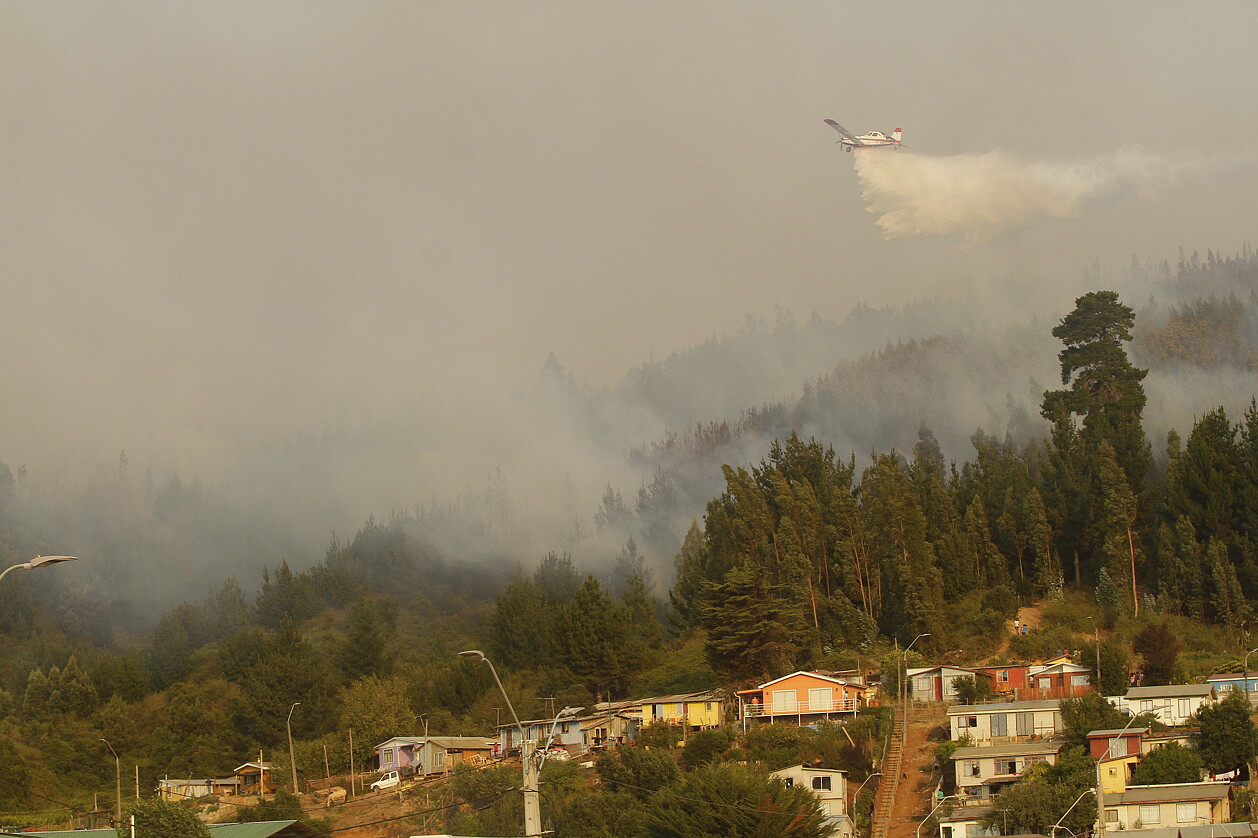
In the current context of high temperatures, climate change, and human-induced alterations, among other factors, forest fires emerge as the most imminent risk affecting people, native ecosystems, and productive areas.

The characteristics that make some areas more prone to forest fires are the accumulation of biomass, that is, fuel, over several years. Another relevant aspect is the continuity of this fuel throughout the landscape

Currently, there are extensive, highly homogeneous landscapes with high biomass accumulation over many years, even decades. This, combined with existing climatic conditions such as heat waves and drought, makes them more vulnerable to the occurrence of fires

In this season, the risks of large-scale fires exist. Previously, research conducted in 2022 and 2023 by the UdeC Landscape Ecology Laboratory revealed that the communes of Santa Juana, Hualqui, Penco, and Tomé had high vulnerability. Unfortunately, these risks were confirmed with thousands of hectares at the mercy of the flames, whose severity claimed human lives, forests, and wildlife.

On the other hand, some tree species also have an impact on the spread of fires maritime pines existing in the Concepción area, is emblematic, as these are very long-lived trees, in some cases centuries old, that concentrate a large amount of biomass. The presence of these individuals results in greater fire propagation in the face of factors such as heat waves or winds exceeding 30 kilometers per hour.

In the same vein, the establishment of regular, in-line plantations also accelerates the spread of a fire. Research conducted in the United States has shown that in the case of plantations for forest restoration or recovery, it is necessary to break the landscape homogeneity by planting in a disorderly manner to create gaps, rather than a continuous fuel load at both the site and landscape scales.

In the past thirty years, the distance between forest plantations and residential areas in rural sectors or populated zones has shortened. While there is currently a discussion between academia and the public sector to advance the identification of risk areas, particularly at the interface between forest plantations and urban areas, among other aspects, there is a clear need for territorial planning that minimizes risks and maximizes ecosystem services for human well-being, not merely as indicative. There is a need to take a step forward to truly enhance territorial planning in order to reduce vulnerability to fires, advance sustainability, and strengthen the resilience of socio-ecological systems.

Dr. Cristian Echeverría Leal

Forestry Engineer, M.Phil., Ph.D., University of Cambridge, England, Academic Faculty of Forestry Sciences, UdeC, Director of the Campus Naturaleza Project, Universidad de Concepción

Initiation of Ex Situ Conservation at Campus Naturaleza

The University of Concepción will allocate 6 hectares to implement the first collection for ex situ conservation of threatened Chilean species in the Campus Naturaleza project.  


No one knows if an ark of Noah will be needed. While the biblical figure or archetype sparks debate, the presence of an artifact that allows for the preservation of the threatened is an aspect present in the human mind since time immemorial.

Pressure on fragile ecosystems exists and is increasing due to global climate crisis and other factors associated with human beings. In this context, ex situ conservation emerges as a concrete tool that allows the preservation of threatened plant species, in the form of a botanical garden or living collections of species at risk of extinction.

The Campus Naturaleza project at the University of Concepción will implement, in the mid-term, 6 hectares of ex situ conservation. This action will complement in-situ conservation in 25 hectares of relict ecosystems of Deciduous Forest of Concepción, aquatic ecosystems, as well as future ecological restoration efforts, human well-being, and integral health, among other aspects.

Dr. Cristian Echeverría L, Director of the Campus Naturaleza project at the University of Concepción, explains that the first species to inhabit the ex situ conservation areas will be the three species of the Nothofagus genus threatened in South America and endemic to Chile. These are Nothofagus alessandrii (ruil), endangered, N. glauca (hualo), and N. macrocarpa (roble de Santiago), vulnerable, according to the International Union for Conservation of Nature (IUCN) and its information platform, the most comprehensive and exhaustive about global biodiversity to date.

Dr. Echeverría, who is also Director of the Landscape Ecology Laboratory (LEP UdeC), explains that they worked on the World Red List of Nothofagus, in conjunction with the Botanic Gardens Conservation International (BGCI). These global evaluation efforts "revealed the urgent need to conserve these species that are seriously threatened."

Eucalyptus planting, adjacent to the main relict of Deciduous Forest of Concepción, which will be the first to be harvested.

Due to international funding from the Franklinia Foundation in Switzerland and in partnership with the University of Chile, Forest Institute (Infor), Catholic University of Maule, University of Talca, INIA, Club del Árbol de Talca, INIA, and BGCI, the Conservation and Restoration of Threatened Nothofagus Species in South America project is being executed. This initiative is led by the University of Concepción, through the Landscape Ecology Laboratory.

Safeguarding genetic diversity

The director of the Campus Naturaleza project expresses that the objective of the international initiative is to develop successful conservation actions. In this framework, "our House of Studies has allocated six hectares currently covered by a eucalyptus plantation to convert into the first successful collection of threatened Nothofagus from Chile. All the knowledge gathered around Franklinia, which is a collaborative work of several Chilean institutions, will be applied here from 2024 to establish site preparation and then, by mid-2024, fulfill the aspiration to initiate the first phase of ex situ conservation."

Similarly, from the Botanic Gardens Conservation International (BGCI) in England, the Projects Manager for Plant Conservation in the Latin America and Caribbean region, Noelia Álvarez de Román, points out that "ex situ plant collections play a very important role in biodiversity conservation in the context of anthropogenic pressure, habitat alteration, and climate change. Unfortunately, and increasingly, there are cases where the only way to prevent the extinction of a species is through ex situ conservation."

Regarding Chile's specific case, the conservation project aims to preserve the genetic diversity of the three endangered Nothofagus species through ex situ collections (seed banks and living collections). "These collections will also support in situ conservation efforts, including ecological restoration activities in degraded areas where these species are distributed. Another key aspect of the project involves training conservationists and local communities in activities such as seed collection, propagation, and ecological restoration. Additionally, the project's sustainability includes a robust outreach program aimed at highlighting the importance of Nothofagus conservation within civil society and among decision-makers," he emphasizes. ex situ (seed banks and living collections). "These collections will also contribute to in situ conservation actions, involving ecological restoration activities in degraded distribution areas of the species. Another important aspect of the project is training conservationists and local communities in aspects such as seed collection, propagation, and ecological restoration. Additionally, the project's sustainability includes a robust dissemination program highlighting the importance of Nothofagus conservation among civil society and decision-makers," he emphasizes.

Meanwhile, Dr. Echeverría indicates that "site preparation involves clearing areas currently covered by exotic tree species. These actions are short-term, scheduled for January or February, to minimize soil impact," says the UdeC academic, adding that clearing exotic plantations contributes to the goal of preventing forest fires this season.

Reducing fuel load

Juan Emilio Espinoza, Property and Forest Management Manager at the University of Concepción, explains that "the university has a total area of 303 hectares, with 80% covered by vegetation. This includes mainly eucalyptus plantations and native forest. This year, we are considering reducing the combustible material through harvesting, to create space and replace forest plantations with native forest."

The forest engineer reveals, "We are talking about three species of the genus Nothofagus that are threatened. We will bring them here to the university. For this purpose, we have developed management plans and guidelines to establish which stands will be harvested (eucalyptus), which plantations will be removed, and where vegetation-free and fuel reduction strips need to be established. In the former, trees in plantations (eucalyptus and pines) and shrubs are cut to reduce fuel load. The latter involves thinning to reduce stand density. The objective here is to break the continuity in case of a forest fire, preventing its spread from one stand to another, ensuring a wide cleared zone that inhibits fire advancement," he asserts.

It should be noted that due to the extreme weather conditions expected this summer, guided tours to the Campus Naturaleza project area will be restricted. While the university has protocols and emergency measures in case of fire, community collaboration is crucial. Therefore, there is a special call to respect the measures, stay informed, and participate in the care of this privileged natural environment near the city.

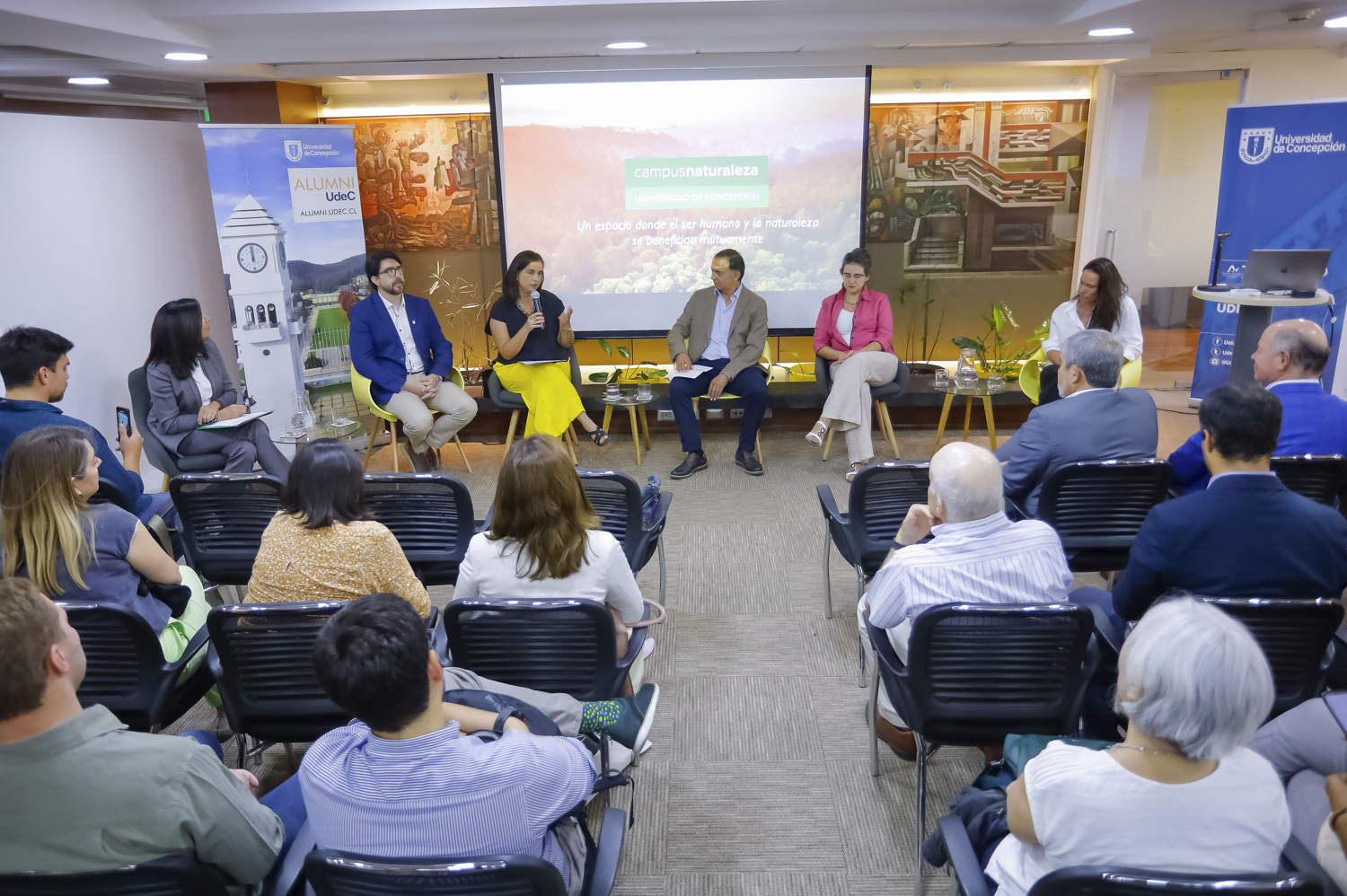
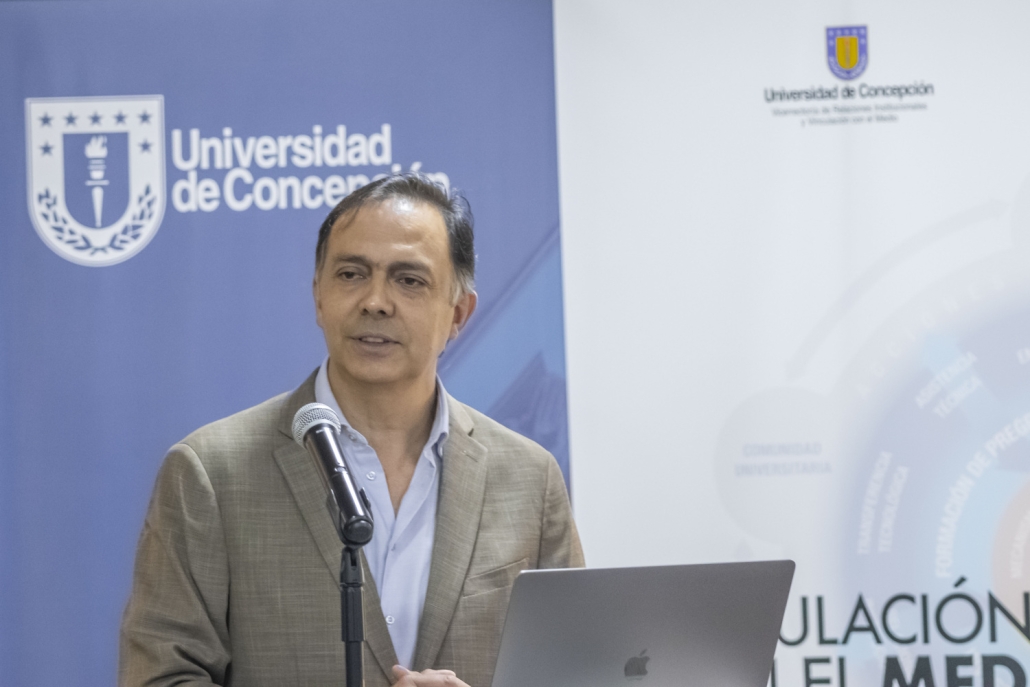
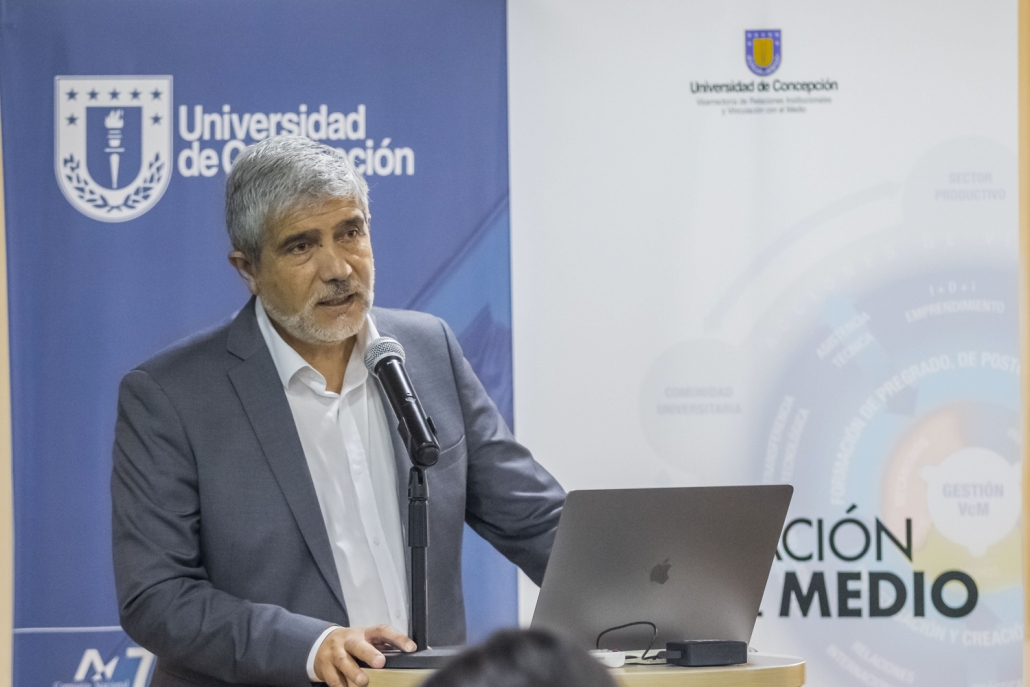
Universities reflect on global environmental challenges and commitments.
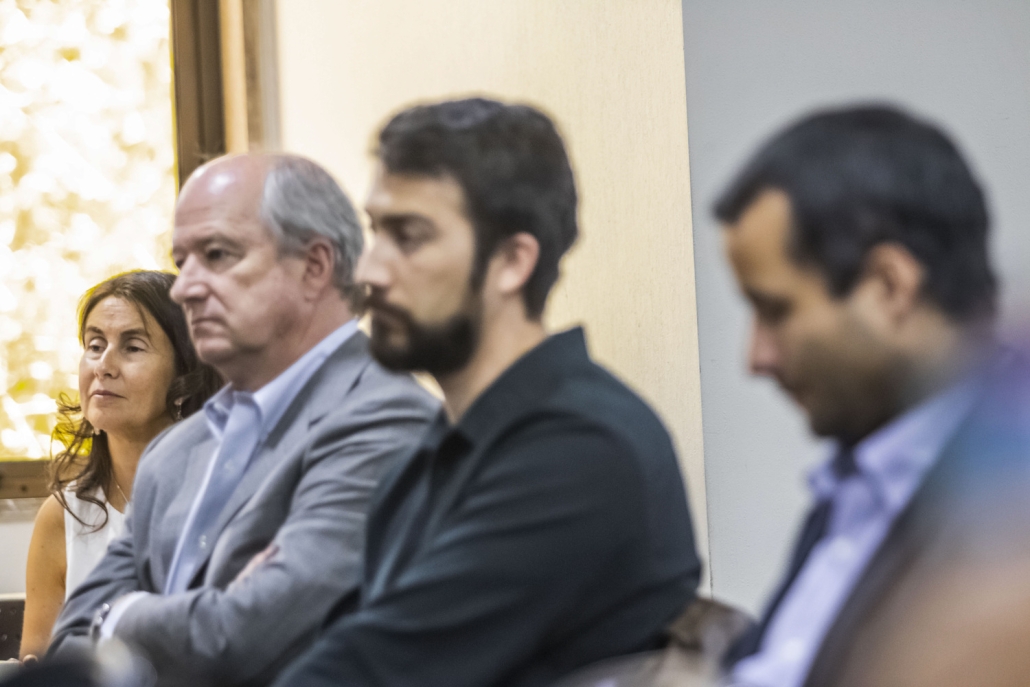
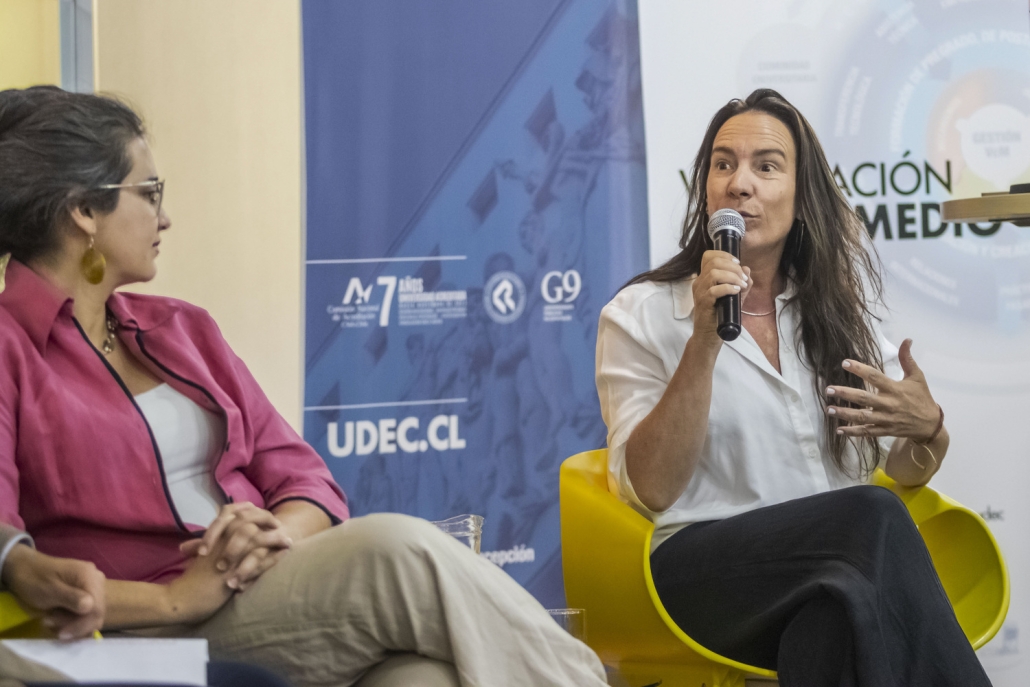
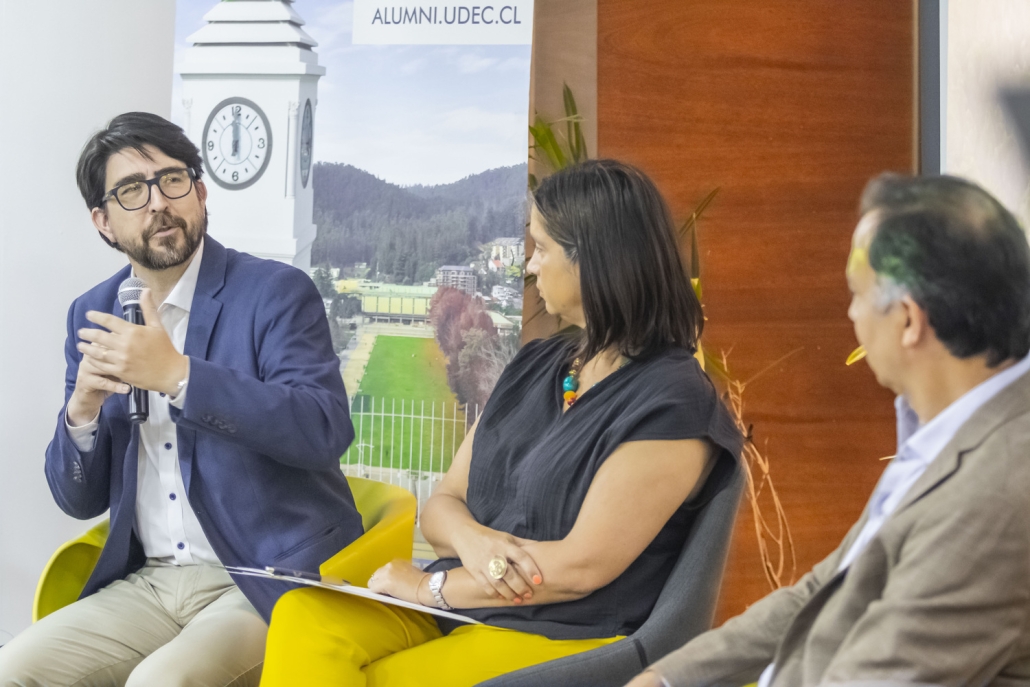
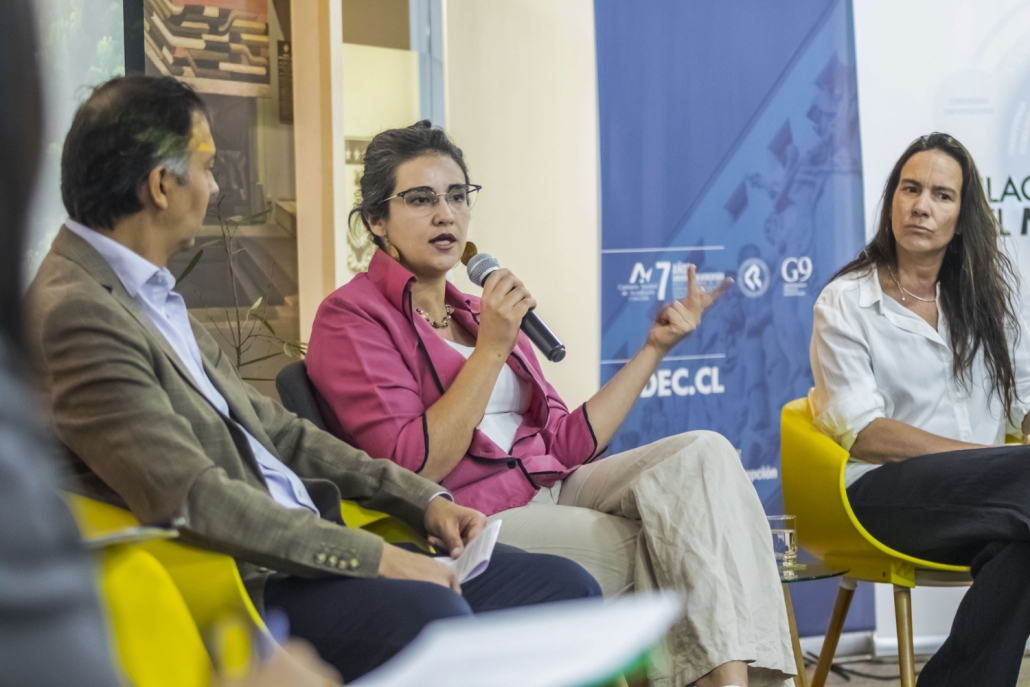
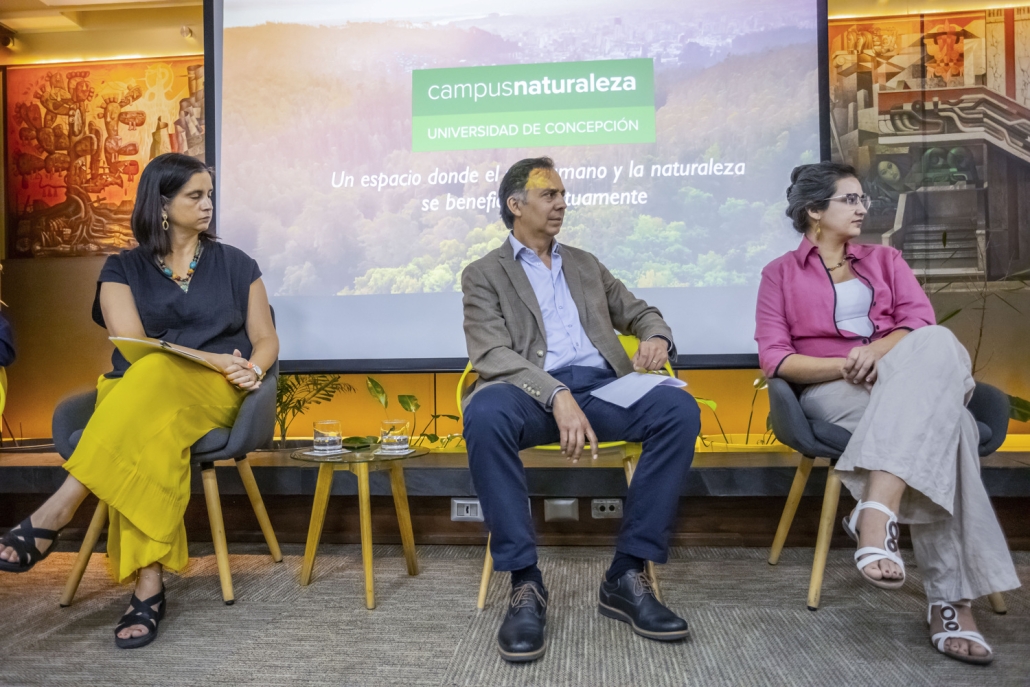
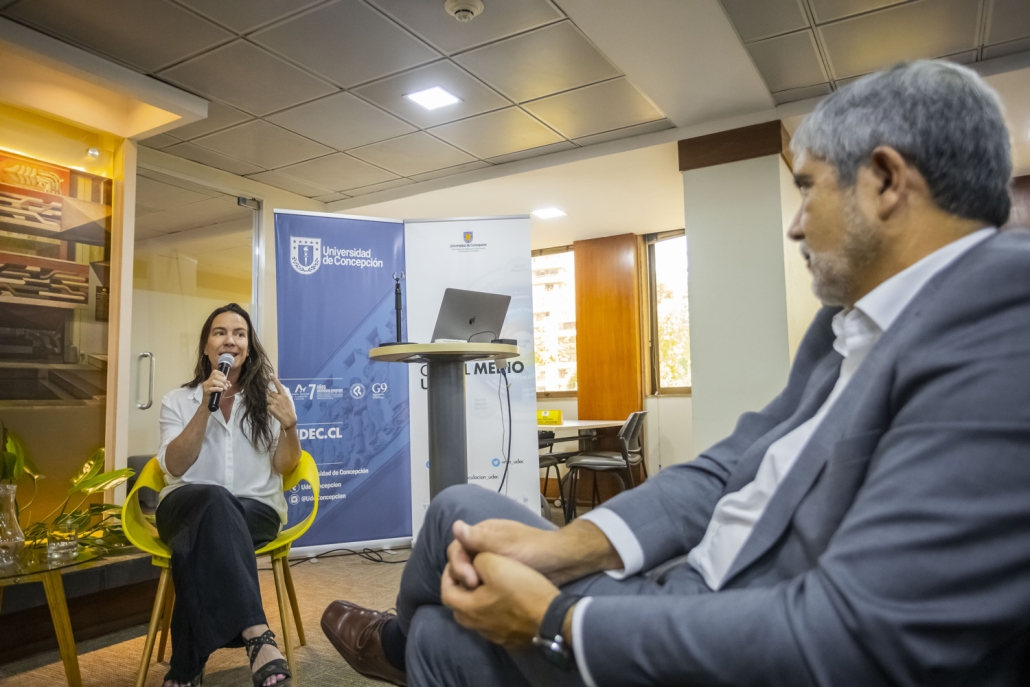
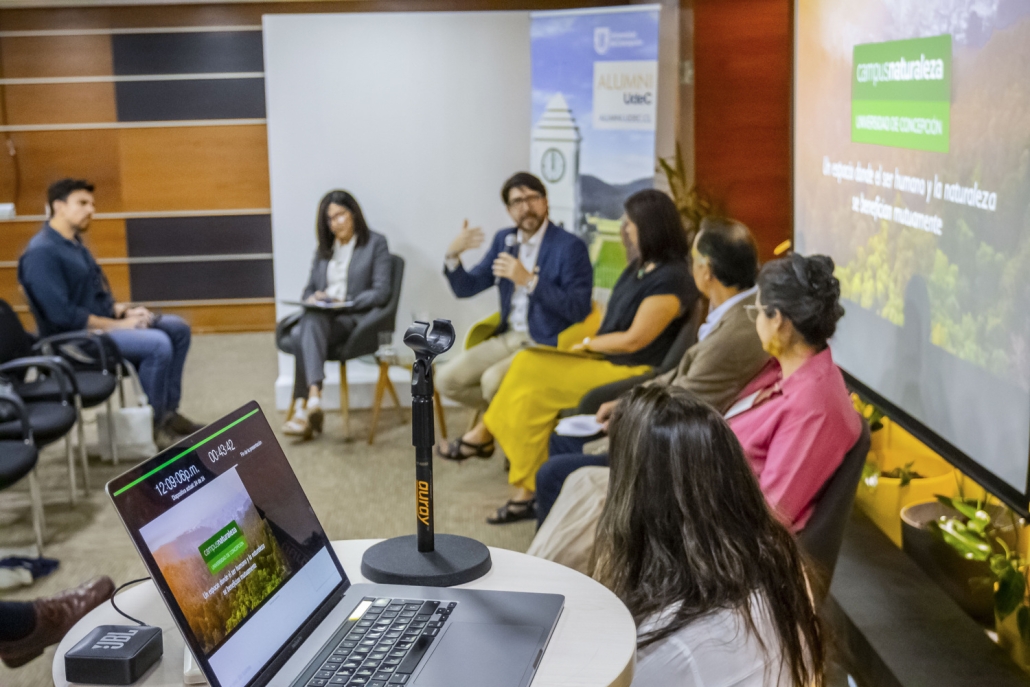
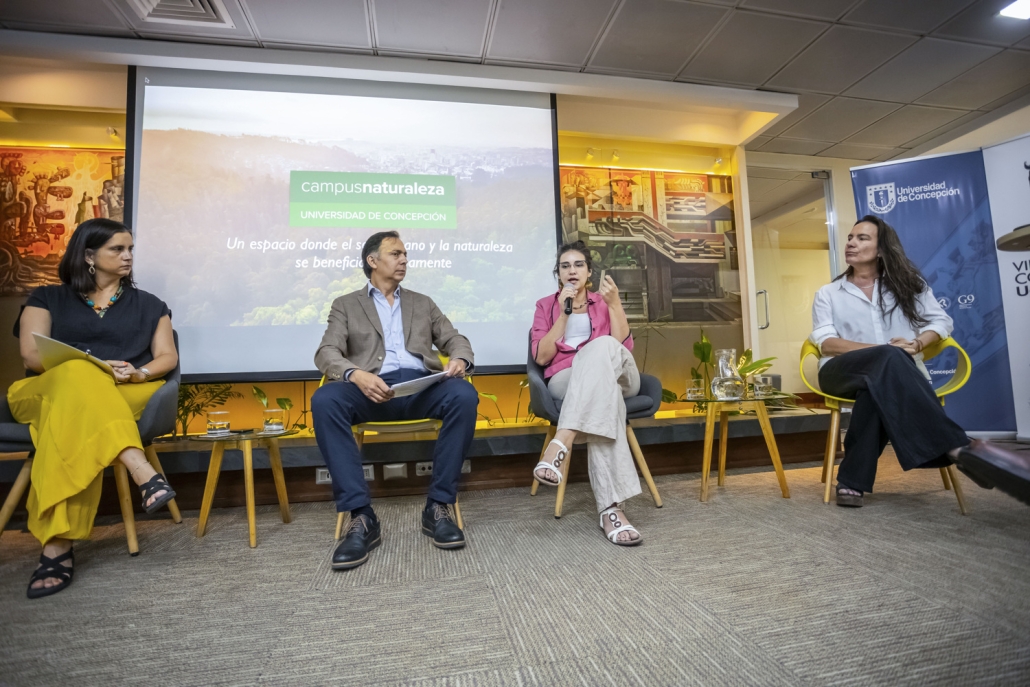
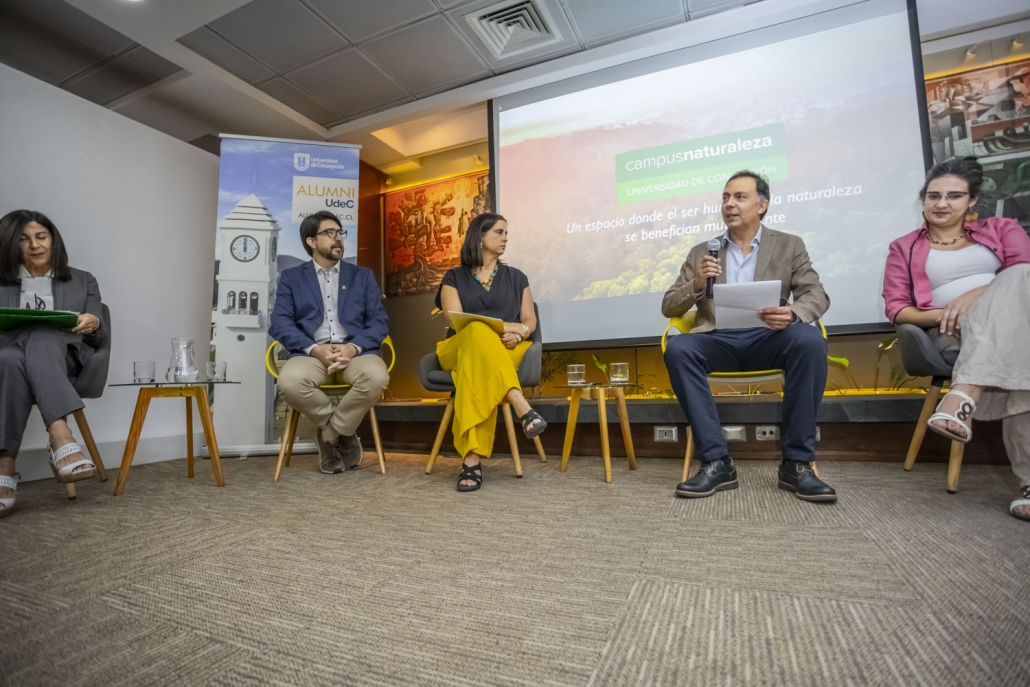
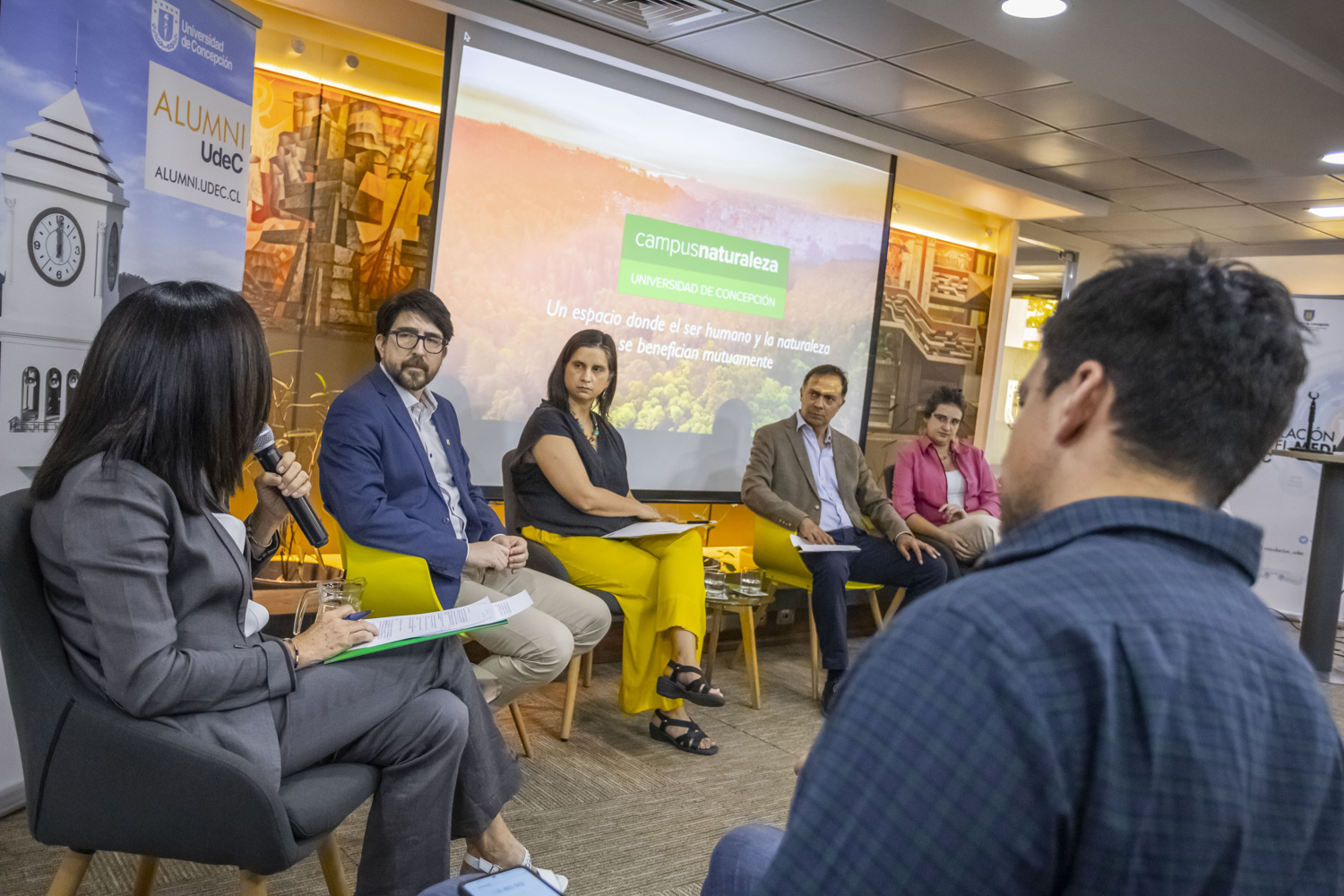
The event, organized by the University of Concepción and held in Santiago, involved the participation of various stakeholders from the public, academic, private, and social sectors. The event also featured the presentation of the Campus Naturaleza Universidad de Concepción project, an initiative focused on biodiversity conservation and the benefits of continuous human interaction with the natural environment.


Themes such as how universities and various stakeholders are responding to current environmental challenges were part of the topics discussed in the panel discussion "Universities and meeting global environmental commitments." The event, held in Santiago, was organized by the Campus Naturaleza project in collaboration with the University of Concepción's Santiago campus.

Representatives from academia, the Ministry of Agriculture, the Ministry of Environment, the Council of Rectors of Chilean Universities, and business organizations gathered to discuss key questions related to climate change and sustainability, among other topics.

"The Rector of the University of Concepción, Dr. Carlos Saavedra Rubilar, stated: 'Universities are strongly committed to achieving the Sustainable Development Goals (SDGs) set in 2015, of which we are already halfway through. Unfortunately, we need to be honest and critical, but also committed to accelerating our progress and moving faster. In this context, universities are involved in at least 14 of these goals at different levels of action. One of these key objectives is the care and preservation of biodiversity on our planet.'"

He added that "'in this way, the Campus Naturaleza Universidad de Concepción project fulfills all dimensions of institutional work and will be pivotal in the educational processes of a variety of undergraduate and graduate programs, as well as continuing education, among others. It will generate new knowledge in different areas and will foster a deep connection not only for our students with their natural environment, but also for the surrounding communities of Campus Concepción, the Penquista community, the country, and, dare I say, the planet.'"

In the same vein, the Vice-Rector for Economic and Administrative Affairs, Miguel Quiroga, explained, 'Now begins the bidding process for the Master Plan of the Campus Naturaleza project, following a process where the bidding terms and other requirements were approved. This means that we will understand how we will operate from 2024 and in the long term.'

"This master plan should indicate to us where we should start locating each of these activities, among other subjects. So, as we continue to grow, we will also have a guide that will show us the different developments the project should undergo, in a planned manner," stated the academic authority.

On her part, Ignacia Fernández Gatica, Undersecretary of Agriculture, expressed, "We have a law that was passed, which sets a target for carbon neutrality by 2050, and certainly, it calls upon all of us more because it is a national goal. As the Ministry of Agriculture, we have significant challenges, and within this framework, there is a strong agenda focused on sustainability, meeting mitigation and adaptation goals to fulfill our commitments towards achieving carbon neutrality. It is also important to do this in a context where agriculture, particularly livestock farming and the forestry sector, among others, have goals that are aligned rather than conflicting, and to do so in an increasingly sustainable and environmentally friendly manner," emphasized the authority.

In turn, Dr. Mylthon Jiménez Castillo, Vice-Rector for Research and Development at the Universidad Austral de Chile and representative of the Chilean Universities Council (CRUCH), emphasized, "Universities are spaces of trust, where the community typically seeks support to make decisions at multiple levels. Moreover, within the CRUCH in general, we are committed to integrating these concepts into the students' education. They are called upon to confront complex environmental situations where sustainability, the country's commitments, and the actions of their own professions can bring about changes at various scales."

Biodiversity protection

Campus Naturaleza Universidad de Concepción is a groundbreaking national initiative that emphasizes biodiversity protection and the benefits of human interaction with the natural environment, among other aspects. In this regard, its director, Dr. Cristian Echeverría Leal, explained that within the context of global environmental commitments, Campus Naturaleza addresses a series of challenges, given that "many of our socio-ecological systems are at risk." He added that the project serves as "a window to observe the invaluable biodiversity that persists in the last remnants of coastal native forests adjacent to the university's Heritage Campus in Concepción."

"The lines of action converge on science as the cornerstone for developing a project that includes ex situ conservation initiatives (botanical garden with threatened Chilean species), ecological restoration, and scientific research to assist nature in its recovery journey," emphasized the academic.

He also explained that this initiative does not develop in isolation. "We understand that the community is a fundamental pillar for executing these actions. Therefore, our work has also been focused on raising awareness among people about how much we depend on a healthy and restored nature. Since the beginning of the project, we have worked with civil society actors to convey this imprint and build a social fabric that supports it into the future."

In relation to this, Daniela Manuschevich Vizcarra, Head of the Division of Natural Resources and Biodiversity at the Ministry of Environment, highlighted Campus Naturaleza for its connection with the environment. She added, "As we are able to connect science, spatial aspects, ecological and functional analysis, but also with something deeper within human beings, we are indeed aiming for these deeper connections to be more sustainable in the long term."

Additionally, Marcela Bravo Puldain, General Manager of Acción Empresas, stated that Campus Naturaleza UdeC is a highly innovative idea, "absolutely necessary to raise awareness among the population about the enormous impact biodiversity has on our lives and to feel and learn that we are nature, we are not separate. Therefore, from the business world, it is of tremendous value for a university to have this."

Finally, Suzanne Wylie Moir, Executive Director of Fundación Reforestemos, emphasized that the project represents a milestone in the history of education and universities in Chile. "Contributing with a nature campus to the Biobío region, particularly to Concepción, and to the rest of the country, is truly a very significant contribution. Not only environmentally, given the native forests and the unique biodiversity in that area and their impact on our environment, but also socially, because ultimately what these places do is bring together students, faculty, communities, neighbors, NGOs, and the private sector, which is essential."

UdeC Forest Firefighters Trained in Native Ecosystem Protection

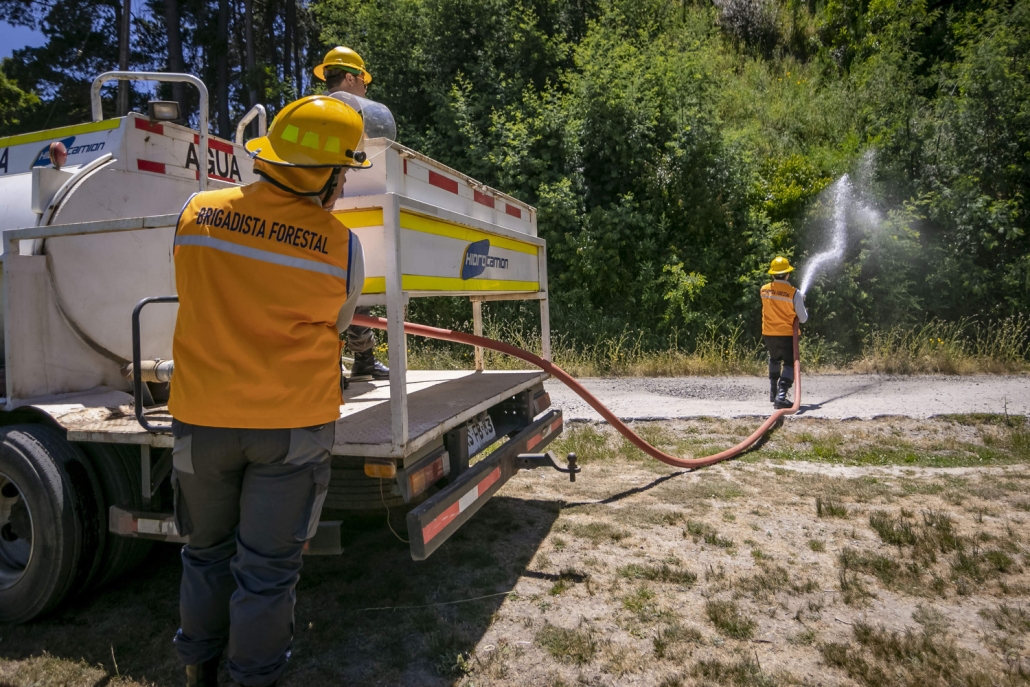
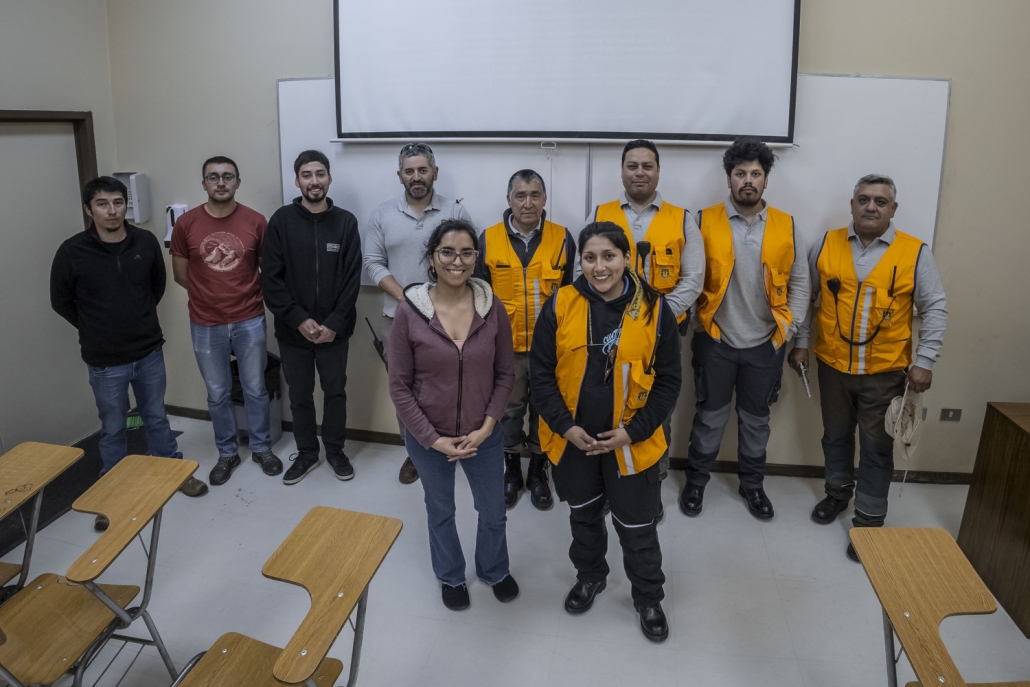
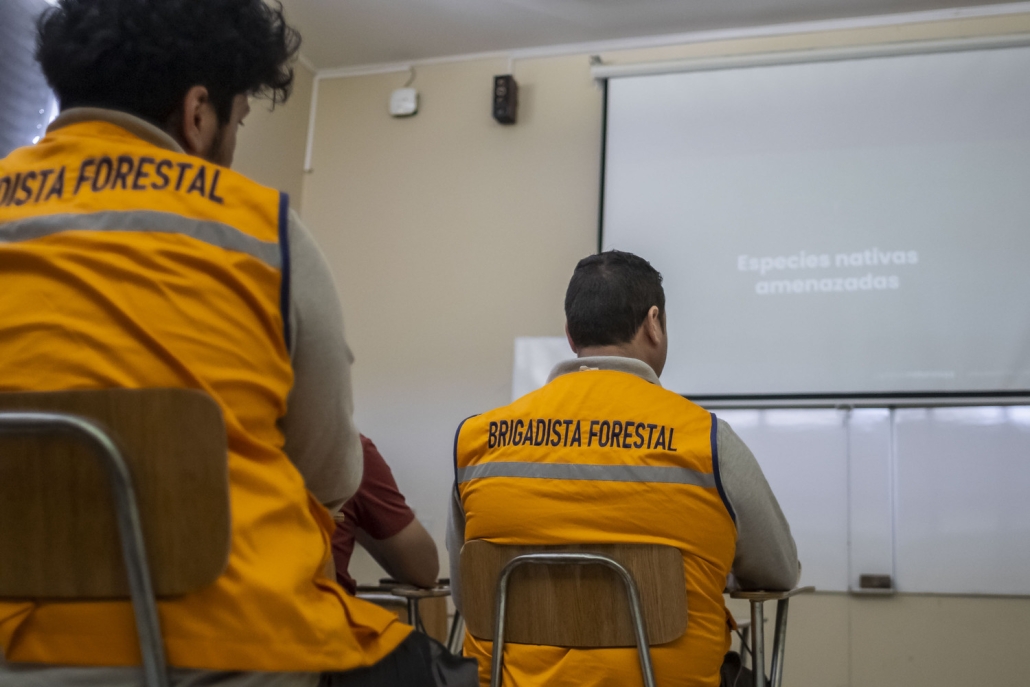
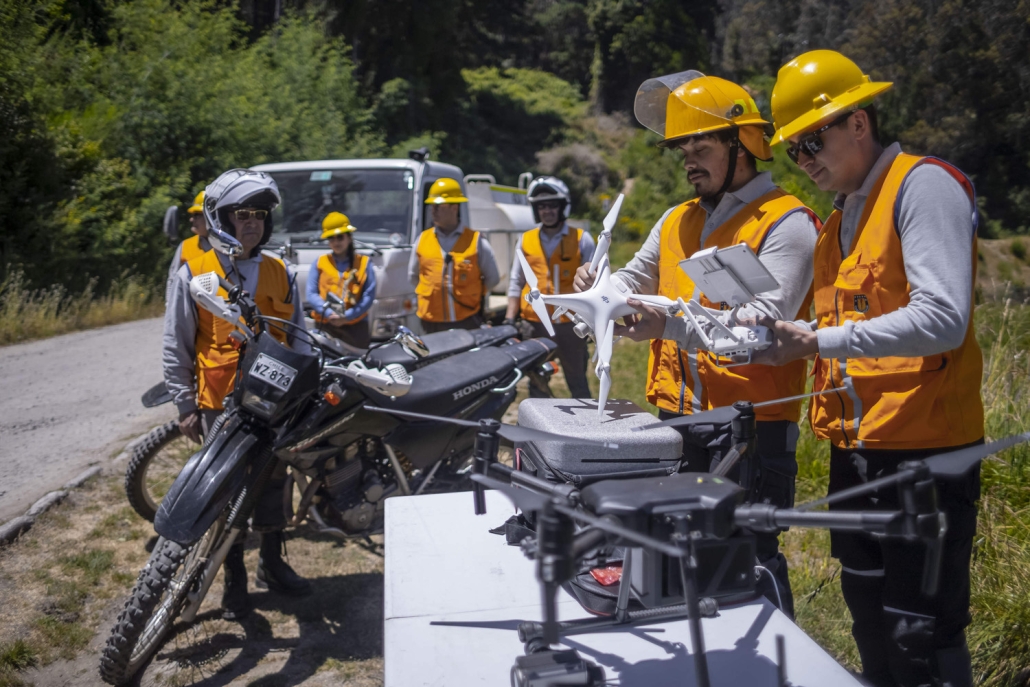
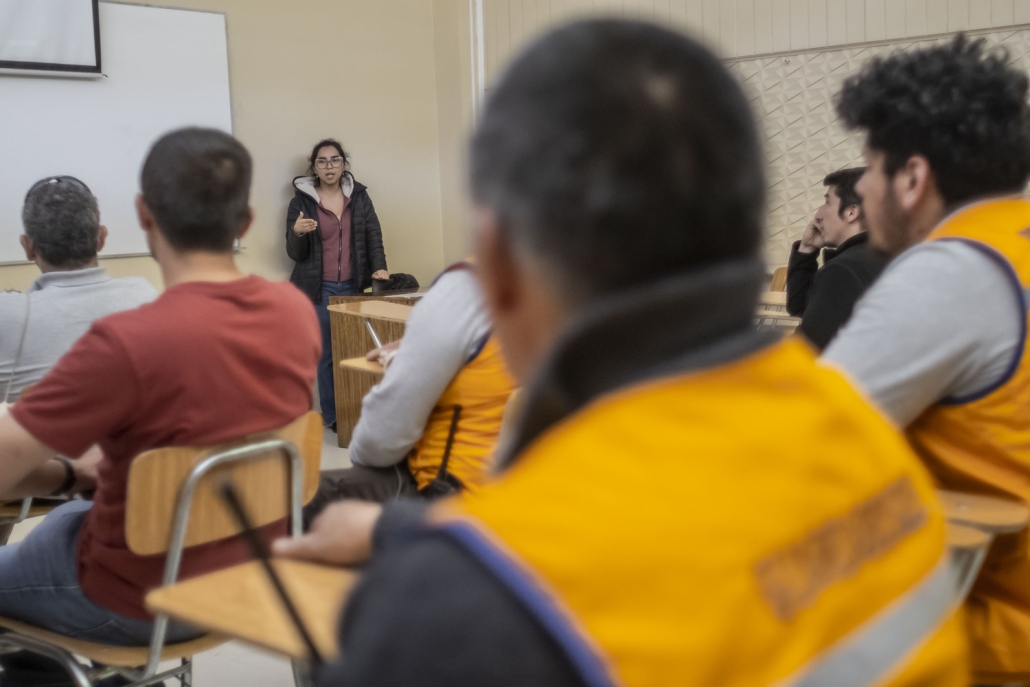
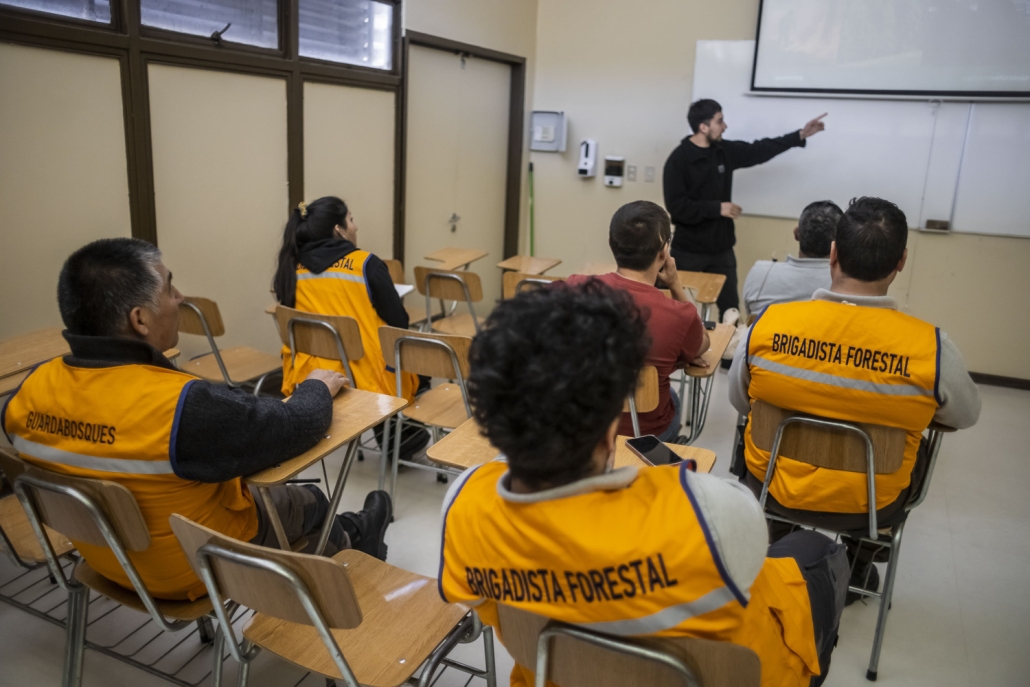
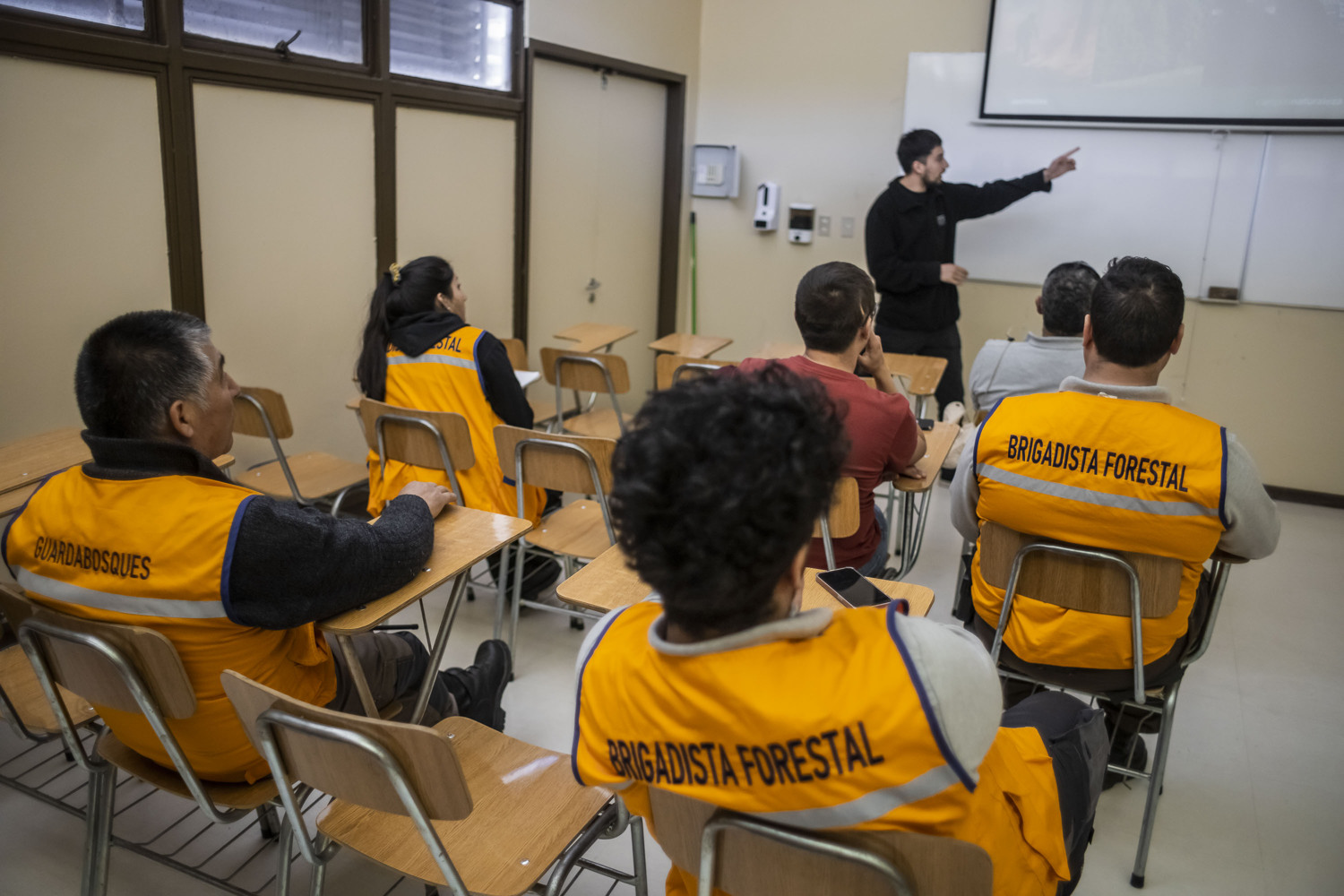
Relevant knowledge regarding the identification and protection of threatened flora and fauna species, among other topics, was the focus of the training for the UdeC Forest Fire Brigade conducted by professionals from the Campus Naturaleza project. The forest firefighters play a crucial role during this summer season and are also responsible for guarding the areas adjacent to the main campus and preventing actions that could lead to a forest fire.


Identification of pitao, naranjillo o michay araucano, among other native tree species, were part of the topics in which the University of Concepción Forest Firefighters were trained. Professionals from the Campus Naturaleza project discussed these and other aspects related to the protection of a unique and irreplaceable ecosystem that exists just minutes from the city and the Heritage Campus of the University of Concepción.

The UdeC Forest Fire Brigade prevents and, if necessary, combats the initial fire outbreaks around the university before the arrival of firefighters or external teams during the summer season. In this context, the UdeC Property and Forest Management Officer, Juan Emilio Espinoza Carvajal, stated that “the forest fire brigade is indeed the first line of response. They have a prevention protocol, a combat protocol, and therefore, they are the ones who will ultimately identify any risk situations that may exist, whether forest fires, risks to the fauna we have, or threats to endangered species, among others. They are always on the ground, conducting surveillance rounds, and they are the ones who will alert us in case of any emergency or situation.”

He added that this initiative was very significant, “since the brigade has the role of protecting all this natural heritage that we have at the University of Concepción, which now forms part of the Campus Naturaleza project. We hope this is the first of many training sessions where Campus Naturaleza can support the forest brigade. As the brigade feels more identified and trained, they will be able to act more effectively because they will understand the role they are playing and what we are truly protecting,” he emphasized.

Biodiversity

The Conservation Manager of the Campus Naturaleza UdeC project, Silvana Campos Villavicencio, expressed during the training that "native forests are distributed in small remnants, which reflect the progressive fragmentation and habitat loss that has occurred locally. Currently, there are multiple pressures due to their location in the urban-forest interface of Greater Concepción."

He explained that all threats make the fragments of native ecosystems and the species that inhabit them highly fragile and vulnerable, and that they therefore require effective conservation measures and prevention of risks associated with human beings.

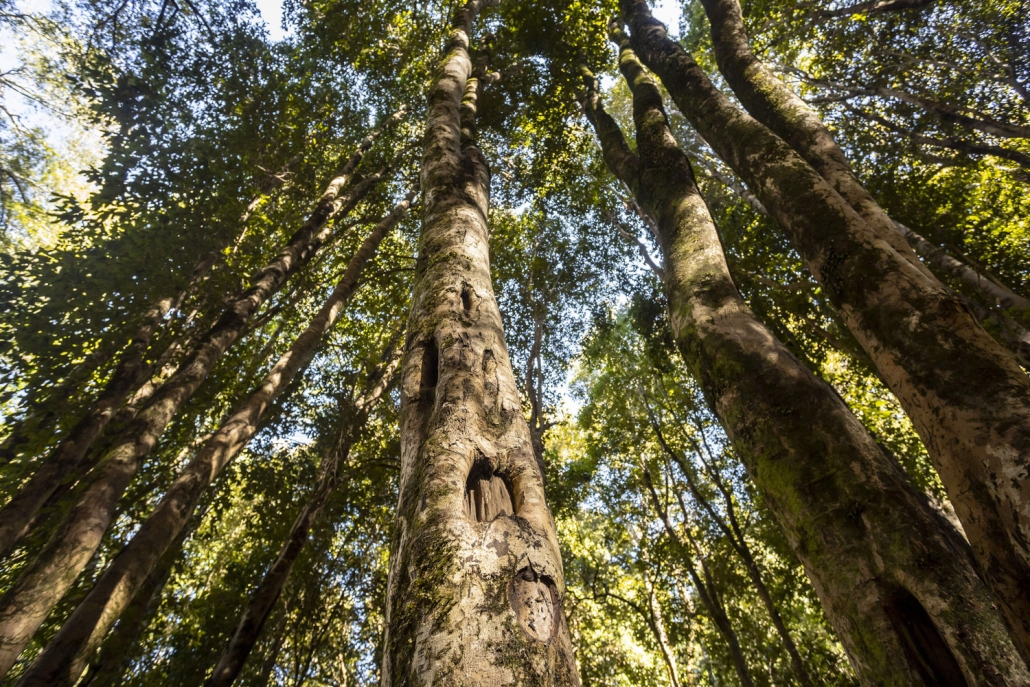
The remnants found within the project area correspond to the Deciduous Forest of Concepción, an ecosystem transitional between species inhabiting the central and southern regions of the country. For this reason, its characteristics are unique and not found elsewhere, with species such as the naranjillo, classified as Vulnerable (VU) according to Chile's Species Classification Regulation (RCE), indicating a high risk of extinction in the wild. Similarly, the pitao and the Araucanian michay shrub are also present, both facing a very high risk of extinction, categorized as Endangered (EN).

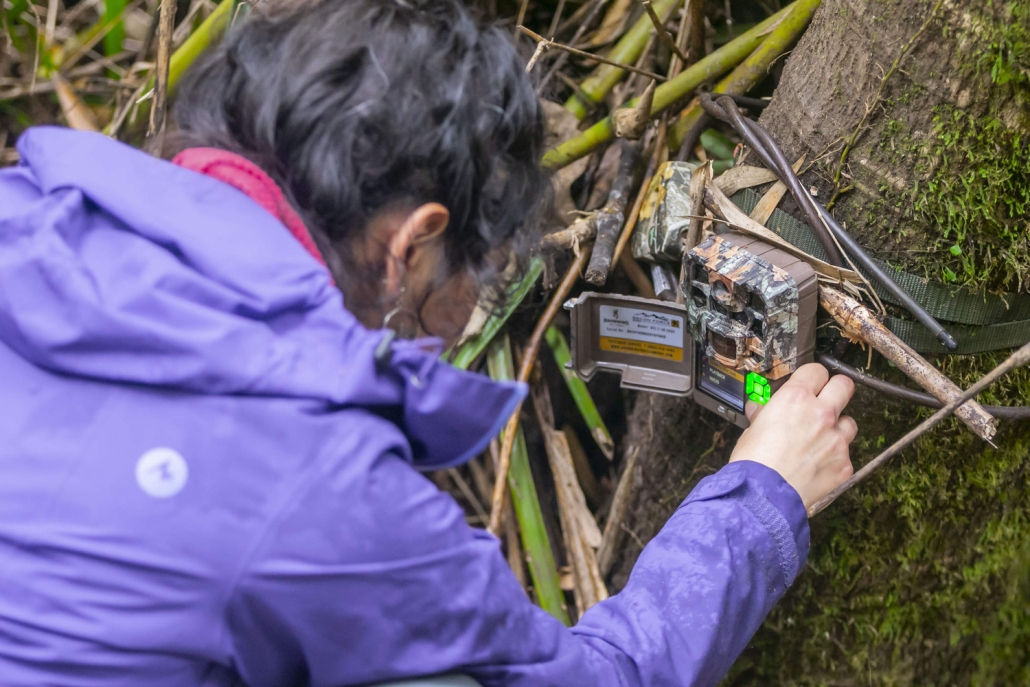
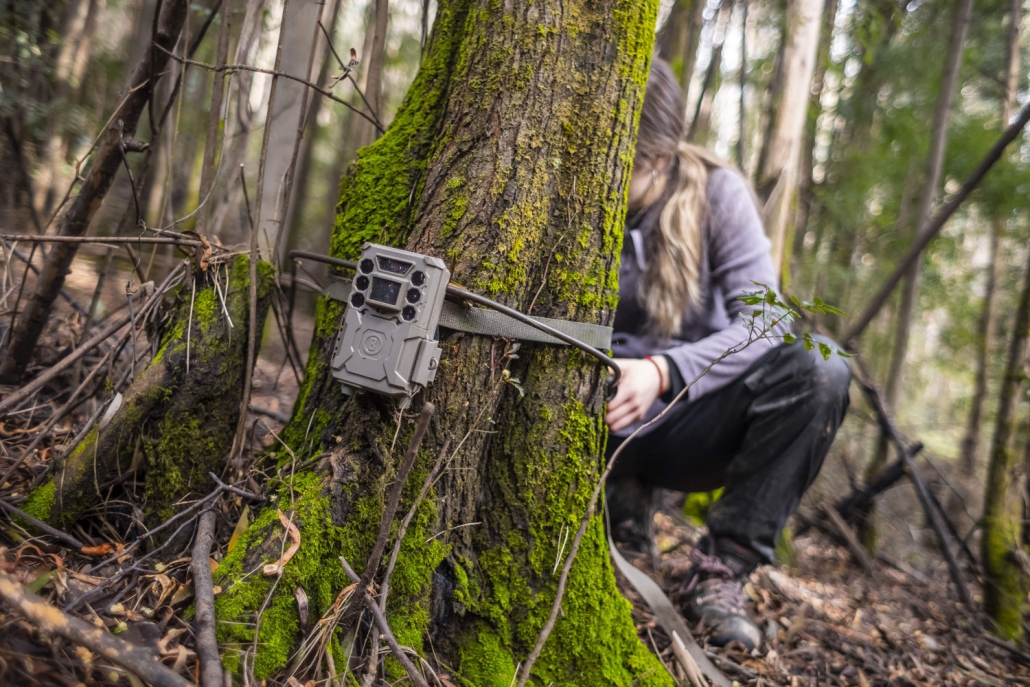
Regarding existing fauna, the Conservation Engineer of Natural Resources stated, "The use of camera traps or tracking devices and acoustic recorders are non-invasive methods to detect the presence or absence of fauna, enabling us to establish a standardized and georeferenced baseline of the species inhabiting the area. The gathered information allows for studying daily or seasonal behavioral patterns of the species, conducting biodiversity estimates and analyses, and observing trends and changes in site usage."

In the same vein, Valentina Valeria Macaya, UdeC forest firefighter, member of the Fire Department, and Marine Biologist, stated, "It's important to take care of the forest, fire prevention, because here we have endemic species, species found only in this part of Chile." She also emphasized that fire prevention is a crucial aspect for protecting the existing native ecosystems near the university. "My role as a firefighter can contribute in some way to conserving the UdeC's heritage, and it's something that helps me grow as a biologist," she concluded.

The Forest Brigade consists of seven members who conduct patrols at different times throughout the day on the grounds adjacent to the UdeC Heritage Campus to detect possible suspicious activities by individuals and thereby prevent incidents, among other tasks. They are also responsible for implementing emergency protocols as necessary, within the university's plan framework, which began in November and will remain active until April 2024.

Release of Monitos del Monte on the UdeC Campus Naturaleza Project Land

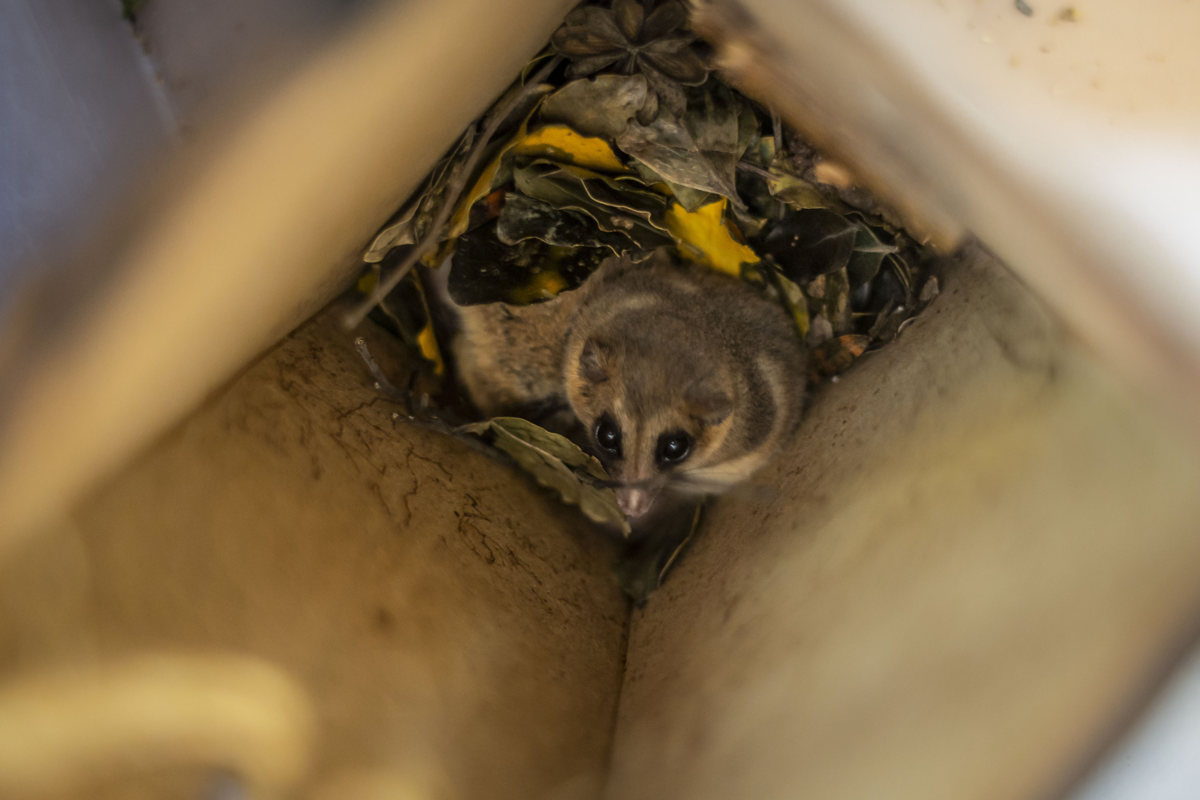
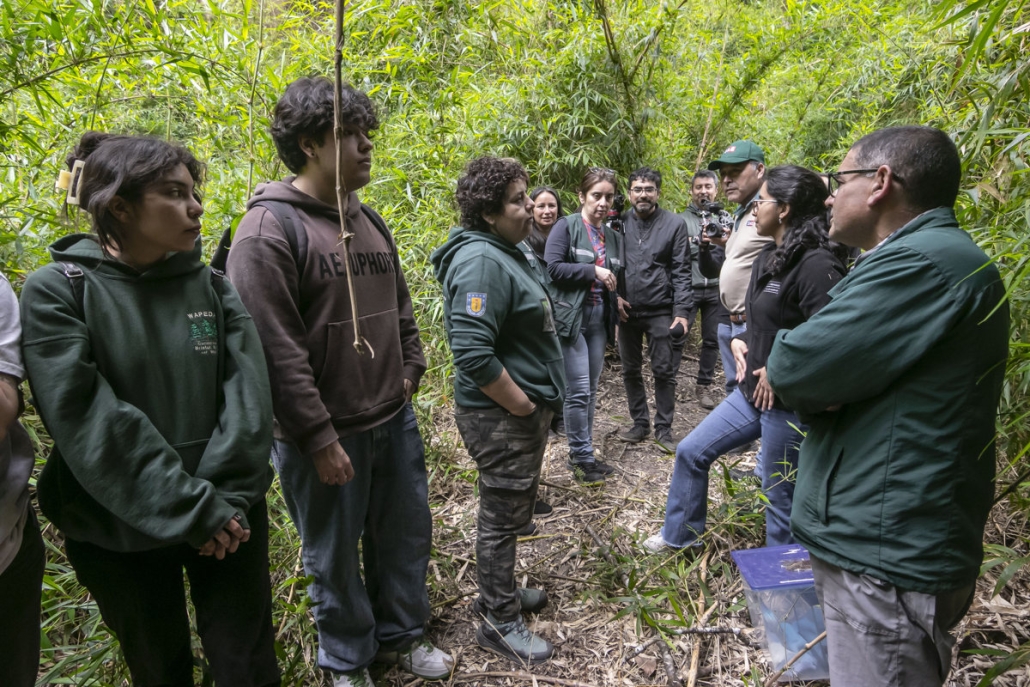
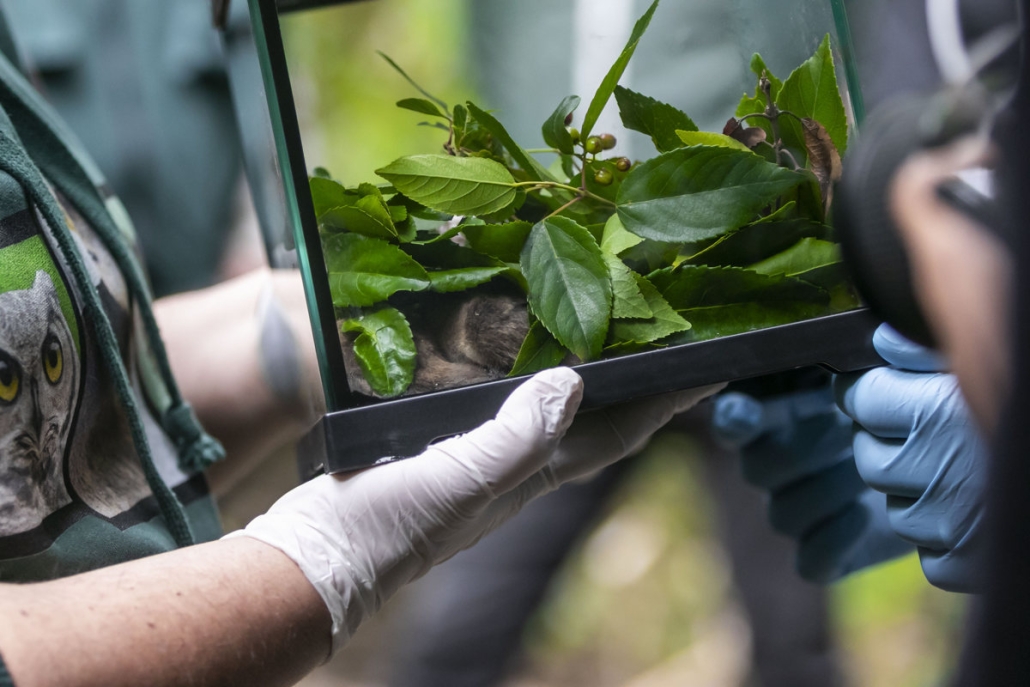
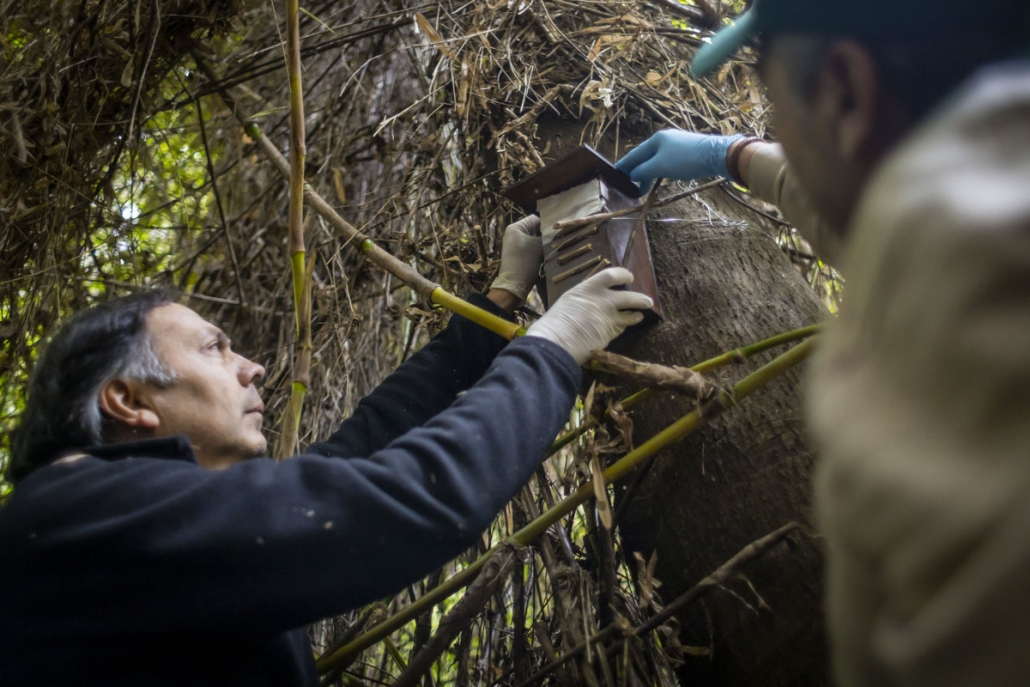
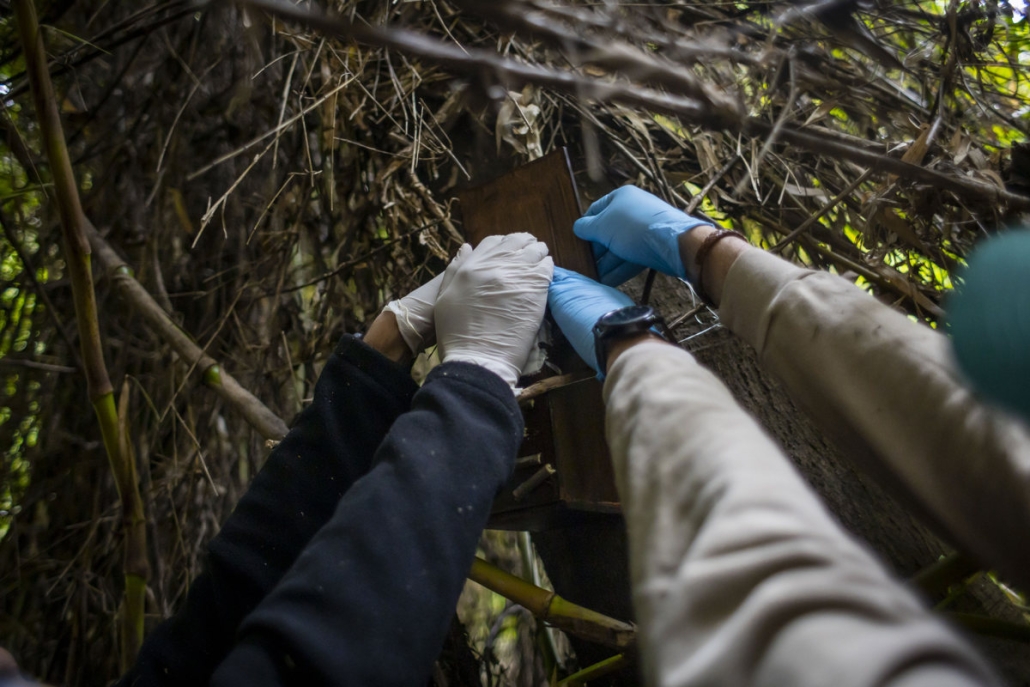
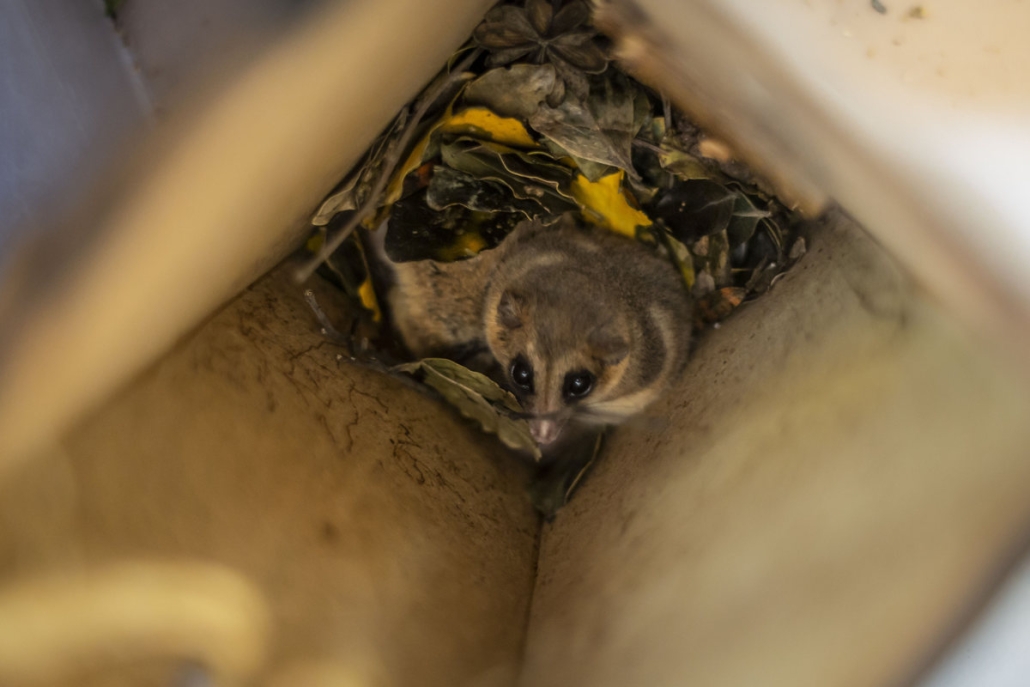
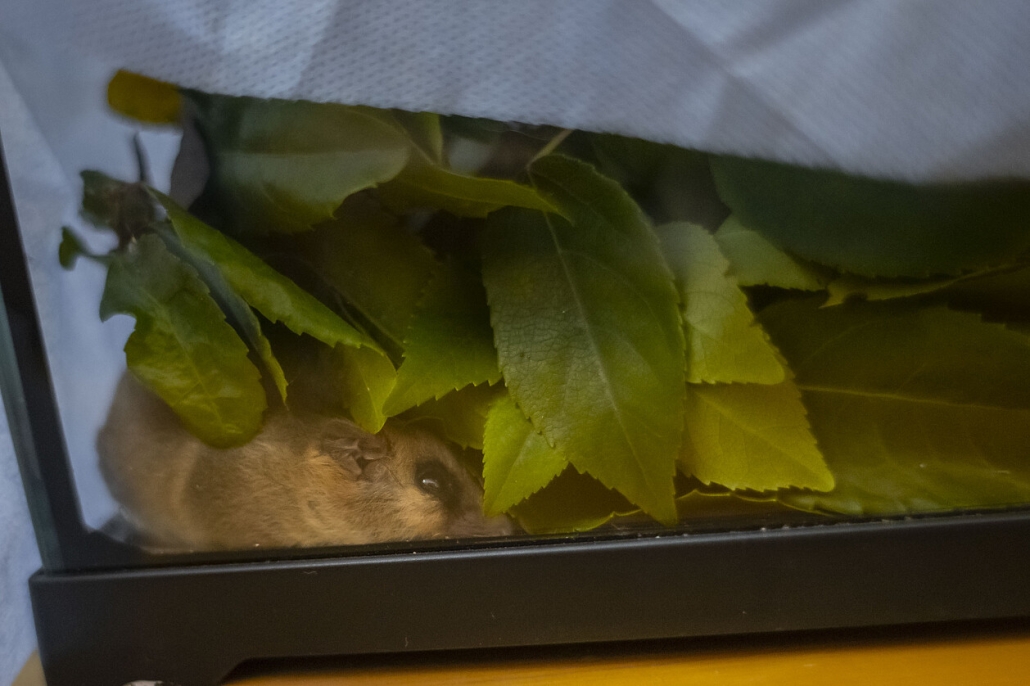
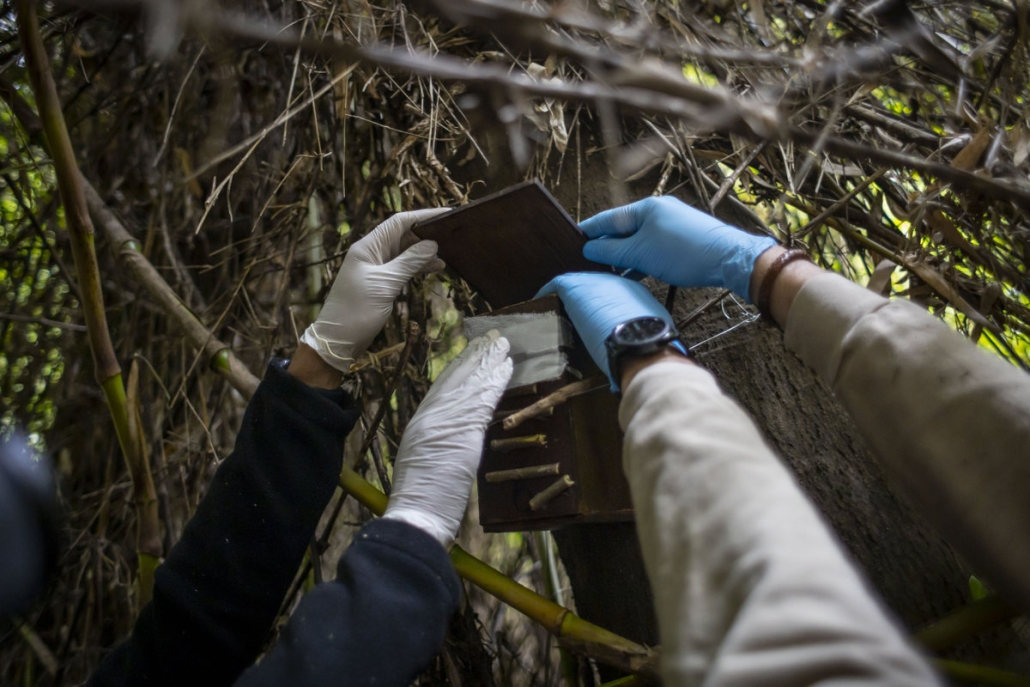
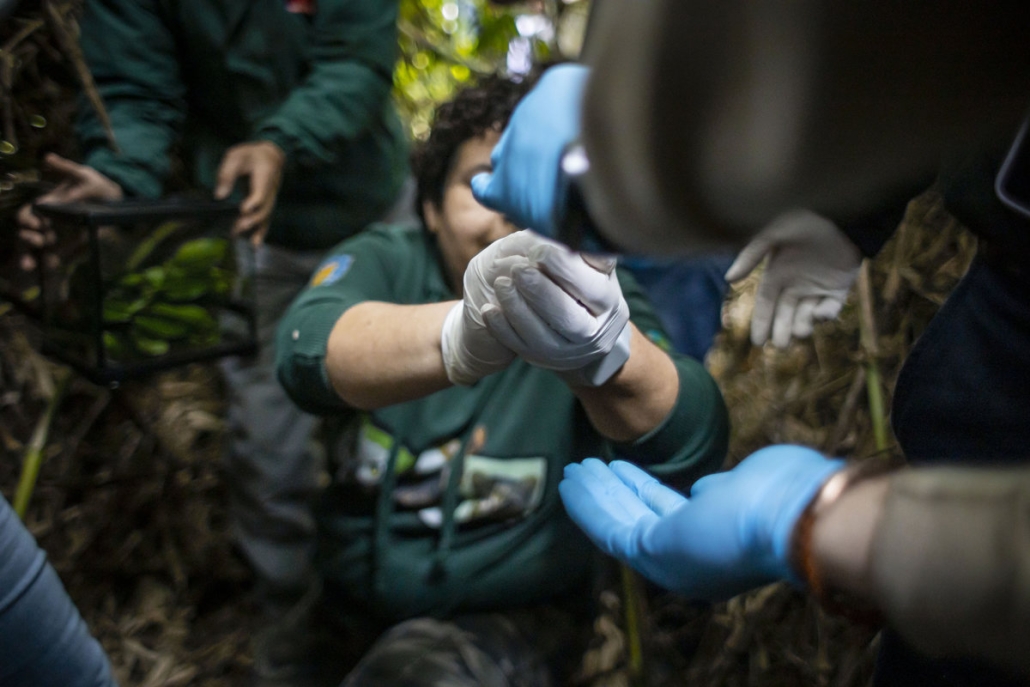
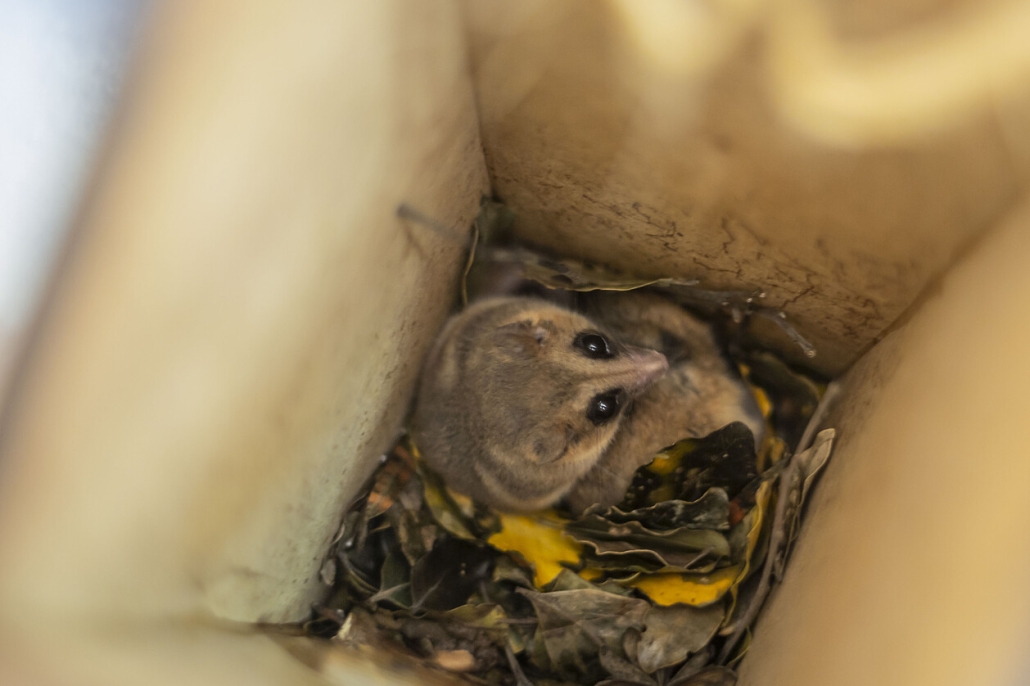
Two specimens of Monito del Monte (Dromiciops gliroides), from the Wildlife Rehabilitation Center of the University of Concepción in Chillán, were released into the remnants of native forest that are part of the University of Concepción’s Campus Naturaleza project. This is the first of several similar activities to be conducted in collaboration with the Agricultural and Livestock Service (SAG), aiming to expand the habitat for various endemic fauna species in the area.


There were many ashes and embers. At first, we thought it was a mouse, but then we realized it was a Monito del Monte. We called SAG, and they gave us instructions on how to care for it until they arrived. Now they invited me to the release, and it is exciting to be part of this,” said Mauricio Nahuelquin. He recounted that they were cleaning up the Poñen area (Florida) after the February wildfires when they found a monito del monte (Dromiciops gliroides)starting a chain of events that ended with the marsupial being welcomed into its new home on the University of Concepción’s Campus Naturaleza project land.

This specimen, along with another from Chiguayante, spent 10 months under the care of the Wildlife Rehabilitation Center of the University of Concepción in Chillán. They are now part of a groundbreaking initiative at the national level. Through this project, the university will conserve 25 hectares of relict forests and aquatic ecosystems, and carry out nature conservation actions, ecological restoration, human well-being, and integrated health, among other facets.

Dr. Cristian Echeverría L, Director of the UdeC Campus Naturaleza Project, comments that this activity "confirms the university's commitment to ensuring long-term biodiversity protection while expanding habitat areas for various species. All of this is approached from an interdisciplinary perspective and involves multiple faculties committed to biodiversity protection and its connection to human well-being."

"The Campus Naturaleza project is seen as a place that will ensure the continuity of certain species in the future," adds Dr. Cristian Echeverría L. "This is a space that safeguards local biodiversity, where it is possible to receive fauna affected by various anthropogenic factors such as fires or habitat destruction. This is the first of several releases aimed at expanding habitat so that different species can develop, disperse, and reproduce within the project's action lines, immersed in areas containing the last remnants of what was once the Bosque Caducifolio de Concepción"an ecosystem transitioning between species found in the central and southern regions of the country. For this reason, its characteristics are unique and not found elsewhere," he emphasizes.

From Chillán

Dr. Paula Aravena B., Veterinary Doctor and Director of the Wildlife Rehabilitation Center of the University of Concepción in Chillán, expresses that "these specimens of monito del montewere victims of the latest forest fires, where they suffered smoke inhalation and burns on their skin. We have a female specimen that entered our center on February 4 from Florida, and a male specimen that entered from Chiguayante shortly after."

She adds that their role in the native forest is crucial. "They play a very significant ecological role in fertilizing the native forest, as they consume seeds and defecate them intact, unlike rodents that often break them down. Here, they ingest the seeds, leaving behind feces that enhance the seeds' ability to germinate compared to seeds left alone in the natural environment."

Additionally, they" monitos del monte move within a home range of approximately one square kilometer; during this movement, they spread native forest seeds to different locations within that territory"

"Forest fires cause them to inhale carbon monoxide, which occupies the space in the body where oxygen-carrying molecules should be. As a result, the animal begins to lose the amount of lung oxygen and becomes intoxicated, leading to death. It's very difficult to remedy this, especially considering they are very small specimens, weighing around 30 grams; the male, when he arrived, weighed only 10 grams. Therefore, guiding a patient of this size towards recovery and ensuring their health is challenging"

"Subsequently, various dietary adjustments must be made for them to acclimate to their new ecosystem, which in this case is an area protected by the university itself. It's a healthy space where there are also other specimens, abundant food exists, which will enable them to have a good life in the future," adds the specialist".

In another context, the Regional Director of the Agricultural and Livestock Service (SAG), Roberto Ferrada, points out that "it is very satisfying to be here, a couple of blocks from downtown Concepción, releasing these specimens after 10 months of recovery, reintegrating them into their environment. In addition, we want to acknowledge the tremendous work done by the staff of this center and also by Mauricio, who reported this female affected by the forest fires last February. Once again, we see the result of collaborative work between the community represented today by Mauricio, who provided timely notice to SAG, allowing for their transfer to the Rescue Center, which enables us to share this good news with the community."

Regarding forest fires that could affect the region during the summer season, the SAG director reminded that "when forest fires occur, animals flee the area seeking refuge, relocating naturally. If we find specimens escaping, we must let them continue their path. In cases where they are injured or burned, we must intervene as they require our assistance. Therefore, we request reporting to SAG to coordinate their rescue or direct transfer to authorized centers for timely care," stated the director.

The Monito del Monte is protected under the Hunting Law and classified as a beneficial species for silvoagricultural activities. Both specimens will live on the grounds of the University of Concepción's Campus Naturaleza project, where there are native ecosystems and suitable habitats for their development.

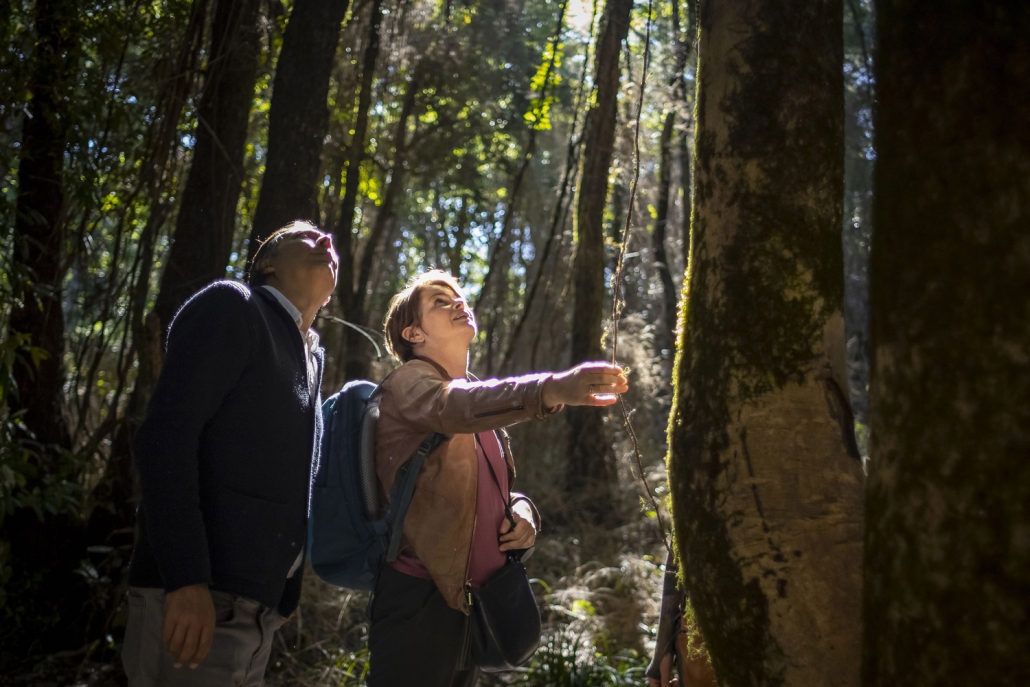
European Researchers Visit Campus Naturaleza UdeC

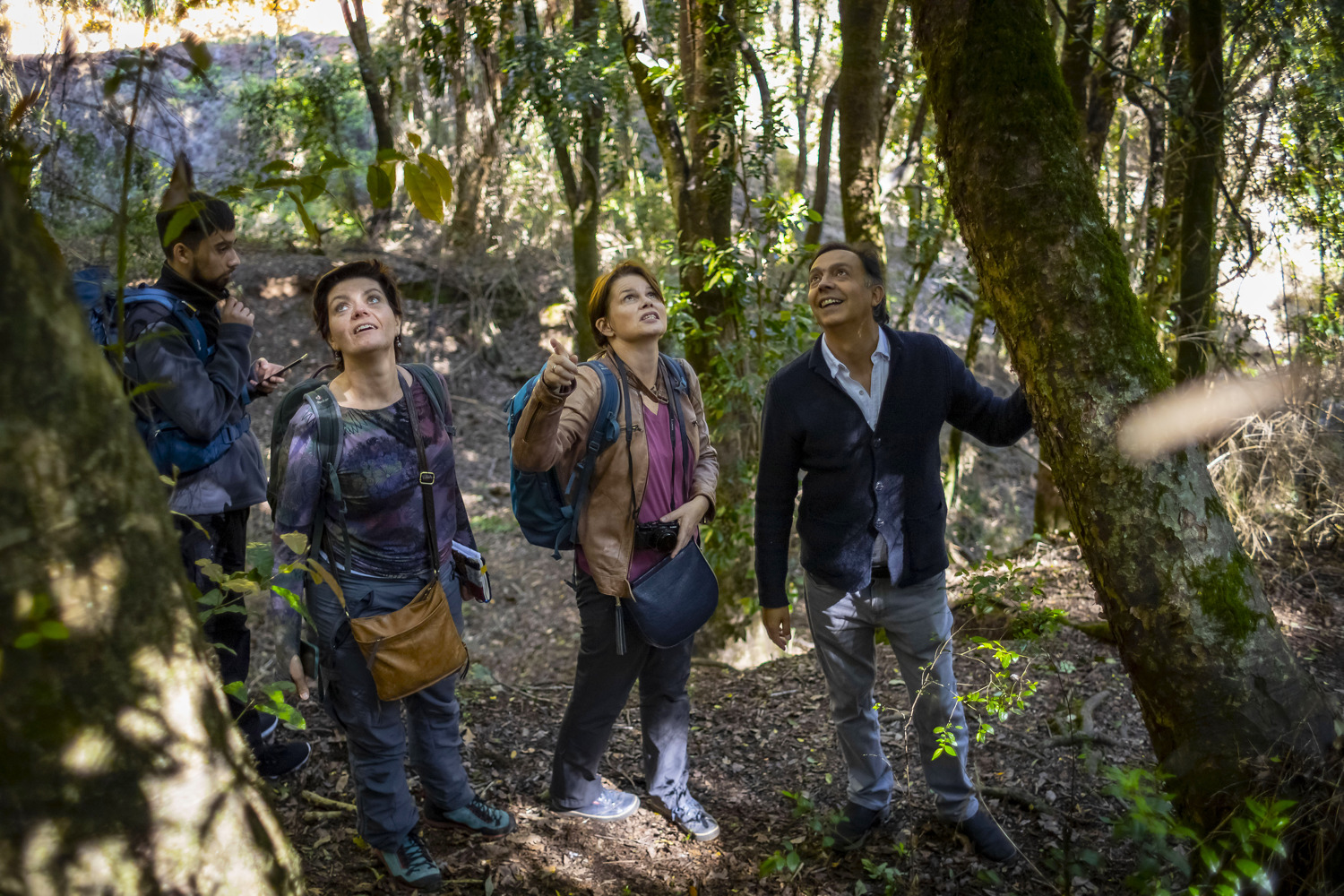
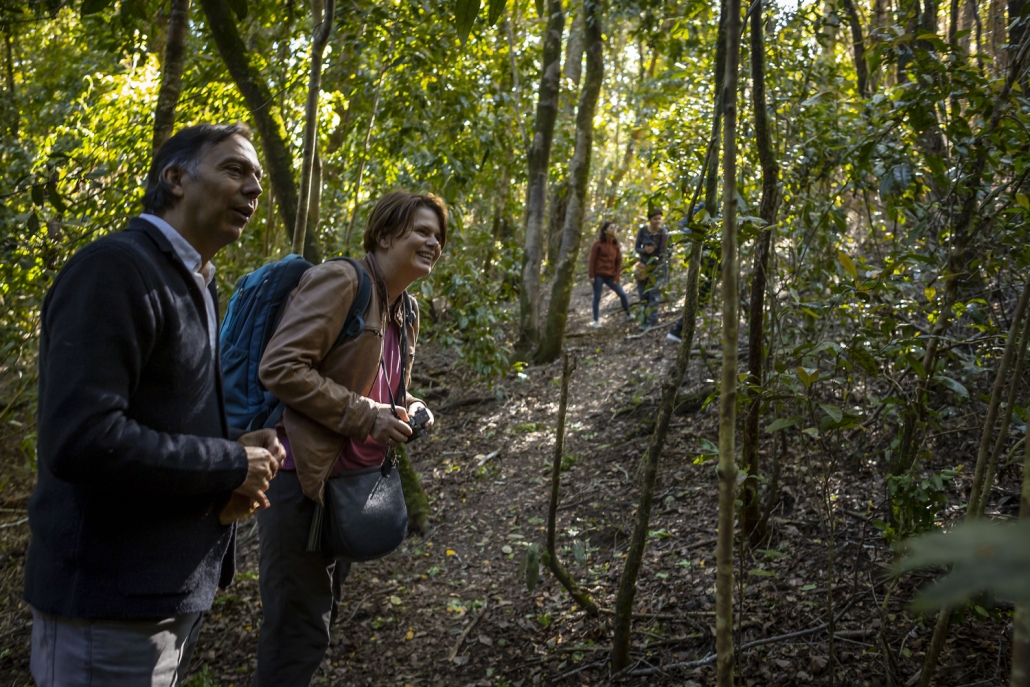
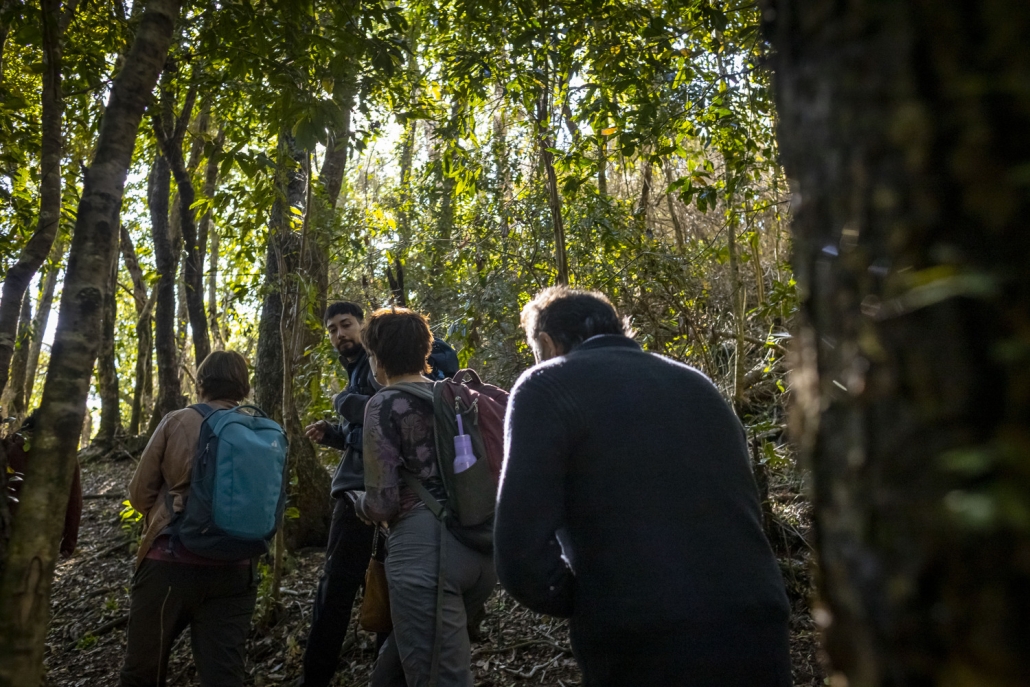
With a visit to the native forest, the stay of researchers Sylwia Kulczyk and Marta Derek concluded. The academics from the University of Warsaw in Poland shared their impressions and discussed Campus Naturaleza's relevance to increasingly global issues.


"I don't know of any other project that opens up so many possibilities, both for ecological research and for people, considering that it's a site adjacent to the university campus," said Dr. Sylwia Kulczyk, a researcher at the University of Warsaw, Poland, commenting on her impressions of the visit alongside researcher Marta Derek to the grounds where the Campus Naturaleza project of the University of Concepción will be implemented.

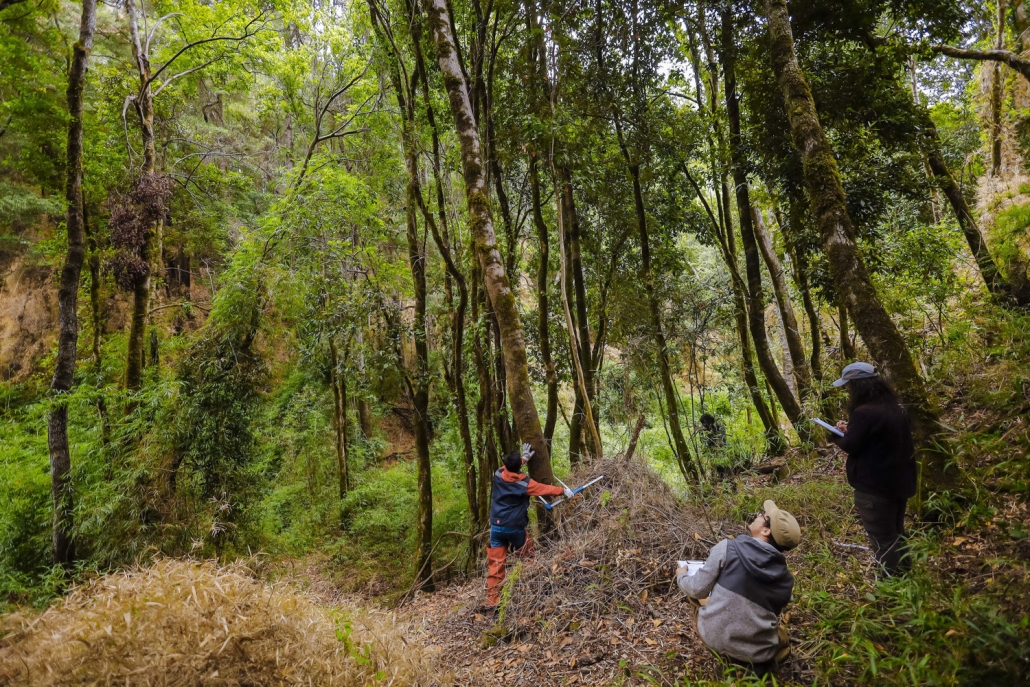
Both researchers held a discussion on the connection between nature and people from the perspective of cultural ecosystem services for students at the Faculty of Forestry Sciences. They also explored the main remnant of the coastal native forest, which is the heart of this unprecedented initiative in Chile, addressing biodiversity conservation and the benefits of ongoing human contact with the natural environment, among other aspects.

"We need to make these connections between the forest and people, students, and visitors. There are so many options that, honestly, during our visit to the forest, we were impressed because it opens up so many possibilities. Personally, I would like to visit again in a few years; I am sure that this project will grow significantly. Because of all this, we would like to observe and support you from outside in this process," Kulczyk remarked.

She emphasized the importance of understanding public perception of the project from her experience. "We ask our general audience in Poland about plants, if they recognize sounds, among other elements, to get an idea of where we stand and what we can work on."

She added that globally, there is a shift in paradigms regarding human interest in nature. "There is a demand, for example, for guided tours to explore nature with specialists. In Warsaw, we had an experience with a European expert on edible plants. We were invited, and we thought it was crazy that people would pay $70 for a two-hour tour, but people are interested. It turns out that knowledge about edible plants is new, but my own grandmother knew about these plants because they used them for food during the war. So there are new learnings that are rediscoveries of existing knowledge and they interest people, in a context where it's complex to combine scientific knowledge with the public world."
Global Themes

The pandemic, climate change, nature, and people's mental health are important global issues, explained Dr. Marta Derek, also a researcher at the University of Warsaw. "In Poland, for example, we conducted research on how people use nature, and during the pandemic, we found that many people started going to natural places, especially those outside the city. I believe this is a global trend, where people realize the importance of nature in their lives, and we have data showing that mental health benefits from people's contact with nature."

She added that to further these aspects, communication is crucial, not only in terms of informing people but also in understanding them and meeting their needs "and doing so in a sustainable manner," she clarified.

"So, when we were thinking about understanding what people do in the forest, it's possible. You can do it in many ways, like asking, conducting surveys; we thought that taking people into the forest and talking to them there would allow us to really see what's important to them, because when you're with someone in the forest, you can comment on what really interests you. So we interpret this in a way that shows us the things that are really important to them, like plants or animals," she emphasized.

Regarding the Campus Naturaleza project at the University of Concepción, she noted that while it is an area with restricted access, it is still a place known to people, and therefore, some tasks must be handled carefully. "One of the things we did in Poland was analyze people's footprints in apps, how people use these tools, how they walk, run, or ride a bicycle. So, for example, if you think about what path we should leave open to the public, it's good to open paths that are already in use because otherwise, I guess, it won't work."

She added, "If we think about what kind of trees, for example, we want to show people, it's good to know what they already know about them. And since we probably want to communicate something about the native forest, people need to understand what it is and why it's important."

The academics from the University of Warsaw, members of the International Association of Landscape Ecology, were invited as part of the Fondecyt 1231230 project, led by the Landscape Ecology Laboratory at the University of Concepción.

Images owned by the Campus Naturaleza project, University of Concepción
EN