Plantación con especies amenazadas da inicio a futuro jardín botánico UdeC

Planting with endangered species marks the beginning of the future UdeC botanical garden

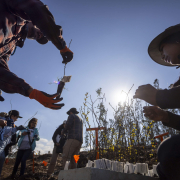
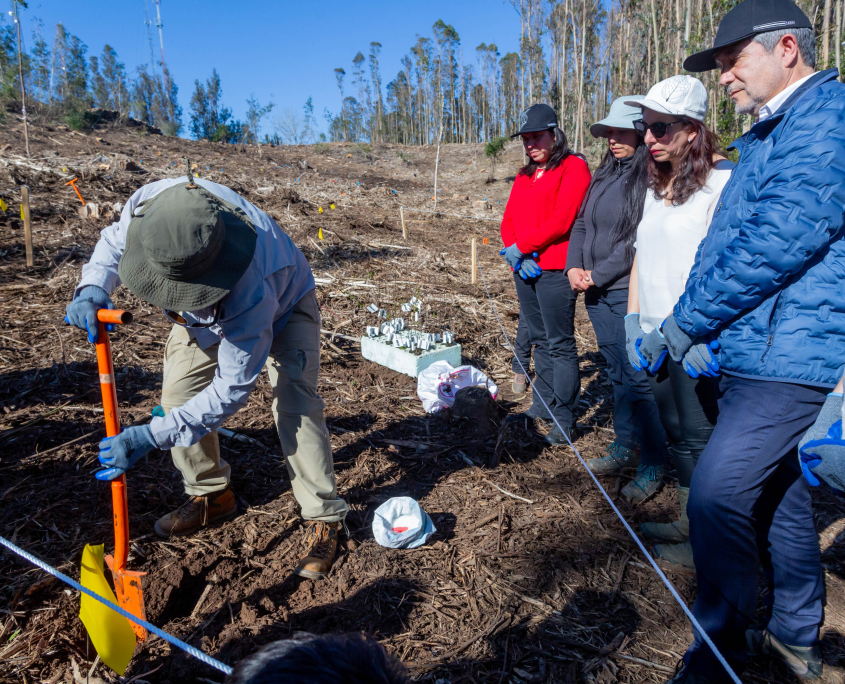
University authorities led the planting activities of three species of Nothofagus endangered and endemic to Chile. This milestone inaugurates the ex situ conservation line of the Campus Naturaleza project and future botanical garden of the University of Concepción.


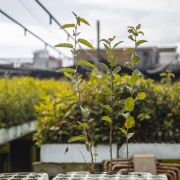
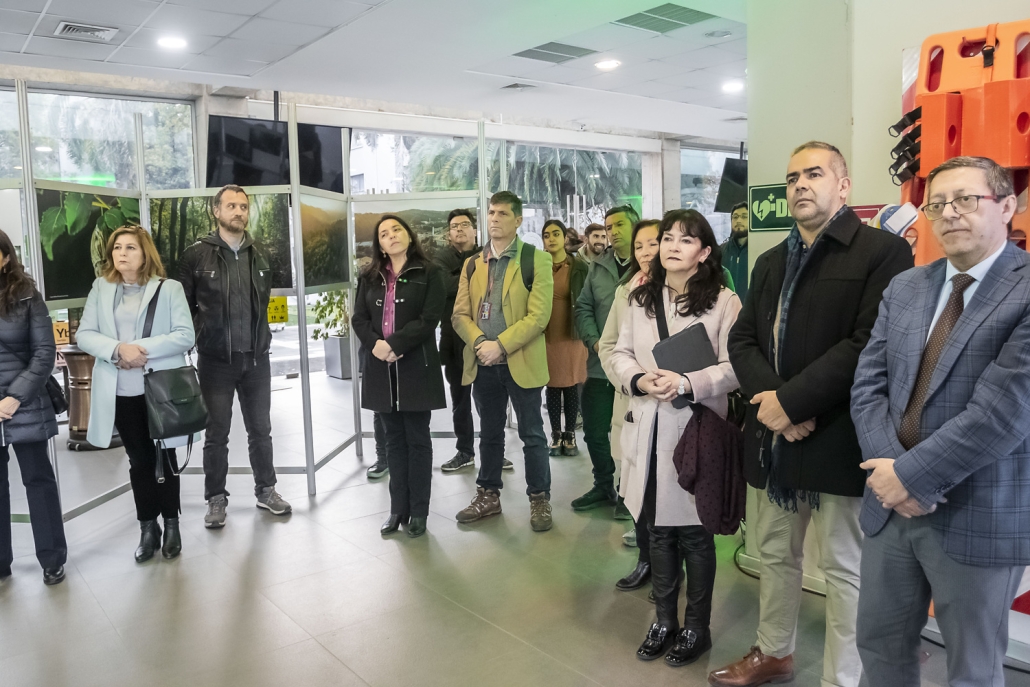
The ruil (Nothofagus alessandrii), hualo (N. glauca) and Santiago oak (N. macrocarpa), Nothofagus tree species that are endangered and endemic to Chile, were the protagonists of the planting days, which begin the first ex-situ collection for the future UdeC botanical garden. The activities were headed by the Rector of the University of Concepción, Dr. Carlos Saavedra Rubilar, the Vice-Rector Dr. Paulina Rincón González, the Vice-Rector for Economic and Administrative Affairs, Dr. Miguel Quiroga Suazo, the Vice-Rector for Institutional Relations and Outreach, Dr. Ximena Gauché Marchetti and the Director of the UdeC Campus Naturaleza project, Dr. Cristian Echeverría Leal.

Ex-situ conservation (conserving species outside their natural range of distribution) is one of the lines of action of the Campus Naturaleza UdeC project, whose objective is to contribute to the persistence of these three species, which are key to the ecology of forests in the southern hemisphere. Currently, they show a worrying tendency towards disappearance in their natural habitats as a result of overexploitation, change in land use, fires and climate change, among other factors.

The Rector, Dr. Carlos Saavedra Rubilar, said that “this is a very symbolic act for the University, for the city and the country, in the sense of this effort that is being made to develop a bio-socio-cultural legacy. First of all, biodiversity in Chile will be protected, in this case of three species of Nothofagus that are threatened in the center of the country. With this possibility, we will allow their permanence over time; there will be 3,000 plants this year, 3,000 next year, which will cover at least 6 hectares and will give people the possibility to learn about these species in the coming years, to learn, but at the same time immersed in a space for research and training processes, where our students accompany the development and naturally the link in teaching.”

“Every time we approach these projects, we know the importance of this being more than conservation, but also a search for the functionality of the forest and how biodiversity is then enriched by this plantation. We are very pleased as a University, very pleased and also grateful for the international collaboration that is present in this project, seeking to protect national biodiversity,” adds the Rector.

In a similar vein, the Vice-Rector for Economic and Administrative Affairs, Dr. Miguel Quiroga Suazo, institutional sponsor of the project, states that “Campus Naturaleza has enormous value, not only for the University, but also as a legacy to future generations. It will allow us to show that it is possible to develop and enhance our missionary work, generating knowledge and training, while preserving and conserving unique spaces that still remain from the ancient deciduous forest of Concepción and its biodiversity, which will also be available for the community to enjoy.”

“In this context, ex situ conservation plays a crucial role in the Campus Naturaleza project as a response from the university to climate challenges. This type of conservation involves protecting and maintaining species outside their natural habitat, which is vital when these habitats and species are threatened by climate change, urbanisation, agriculture or deforestation. In addition, it allows the genetic diversity of threatened species to be maintained, making them more resilient to changes in the environment, providing a biological reserve that can be key to their survival. Campus Naturaleza thus becomes a space for scientific research regarding the adaptation of these species to new habitats and climatic conditions,” he concludes.

Likewise, Pedro Ramírez Glade, Director of the Corporación Universidad de Concepción, emphasized that “this activity is of tremendous importance, because a botanical garden is being started here, with the first species of Nothofagus. I believe that the Universidad de Concepción will stand out worldwide in this regard, even more so with species that are only found in Chile and that are threatened. I congratulate those who have conceived, promoted and also made the beginning of this initiative a reality,” he emphasized.

The University of Concepción has allocated 6 hectares for the implementation of the future botanical garden. This territory was previously covered by a forest plantation of exotic eucalyptus trees, for which 3 hectares of the total were harvested between April and July of this year.
Ex situ conservation

The Nothofagus genus includes 37 species distributed across 7 countries in the southern hemisphere. In Chile, the species ruil (Nothofagus alessandrii), hualo (N. glauca), and Santiago oak (N. macrocarpa) grow between the Metropolitan and Biobío regions, where they are showing a worrying tendency toward extinction, according to Dr. Cristian Echeverría Leal, Director of the UdeC Campus Naturaleza project. “There is growing concern about the loss of biodiversity and the effects of climate change on our planet’s ecosystems. The Chilean context presents a critical scenario for the conservation of biodiversity. Urban pressure, deforestation, and climate change have seriously affected our ecosystems, especially the deciduous forests of south-central Chile. For this reason, there are mechanisms for the conservation of endangered species, with ex situ conservation being a fundamental modality, which arises from a deep vocation for the conservation of biodiversity and the commitment to sustainable development.”

“The first ex situ collection represents a significant step towards the implementation of the future UdeC botanical garden; with it, the University takes a step forward in the protection of these emblematic species,” says the academic, adding that the genus, also known as “roble,” grows only in southern Chile and Argentina. “Of the 10 species of Nothofagus that exist in South America, three species are threatened and are only found in Chile.”

The experience of planting a tree

Tatiana Bustamante Betancourt, who works at the Faculty of Engineering, says that “the experience of planting a tree is something I have wanted to do for a long time. In fact, it was something curious, because at lunch with my colleagues I told them that I wanted to plant a tree and the next day the invitation email arrived. For this reason, I consider it a gift from the University, which allows me to be here for this activity. I am very happy about it. In addition, the idea of ​​following up not only on the little tree we planted, but on the entire project in general, seems to me to be a wonderful initiative to contribute, not only to society, but to the planet.”

Meanwhile, Vanessa Rojas Flores is sure that the botanical garden initiative also involves planting a culture. The Translation and Interpretation student from the Faculty of Humanities and Arts at UdeC says that it is “quite gratifying and a novelty for me, since my career is quite far from the subject of ecosystems and the environment. So it was quite pleasant to participate and know that in a few years this will be a beautiful garden, where people will be able to learn about, admire and also enjoy nature for a while, which is quite important. I even knew that this environment was populated by forests, but I had never had access here,” she confesses.

The Campus Naturaleza project of Universidad de Concepción is an unprecedented initiative in our country. Based on science and community involvement, the Casa de Estudios Penquista proposes a new interaction between humans and nature, comprehensively addressing in situ and ex situ conservation, ecological restoration, biocultural education and comprehensive human health.
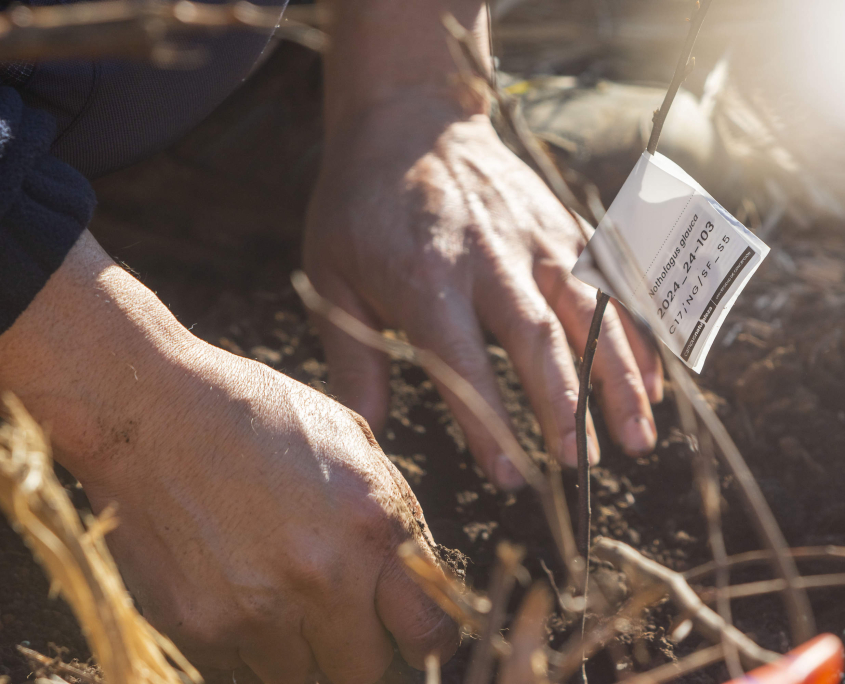
plantación de especies de Nothofagus amenazados y endémicos de Chile, días 30 y 31 de agosto

GALLERY 2, planting of endangered and endemic Nothofagus species from Chile, August 30 and 31

Plantación de primera colección ex situ para futuro jardín botánico

GALLERY 1, plantation of the first ex situ collection with threatened Nothofagus species from Chile for the future UdeC botanical garden

Preliminary actions are being taken to implement the future UdeC botanical garden

At the end of August, three Nothofagus tree species will be planted, a milestone that will begin the ex situ conservation line of the Campus Naturaleza Universidad de Concepción project. The ruil, hualo and Santiago oak are endemic species of our country and threatened in their natural habitats, so contributing to their conservation is a relevant action at a local and international level.

First of all, it was necessary to cut down the existing eucalyptus plantation and subject its residues to a shredding process with machines to generate mulch. This allows to reduce both the loss of soil moisture in the summer months and the regeneration of invasive species. Subsequently, a plantation template is delimited on the ground, which represents the pattern where each plant will be established. This template follows a spatial scheme close to nature, which was generated from native reference ecosystems without intervention, investigated in field campaigns for the three species.
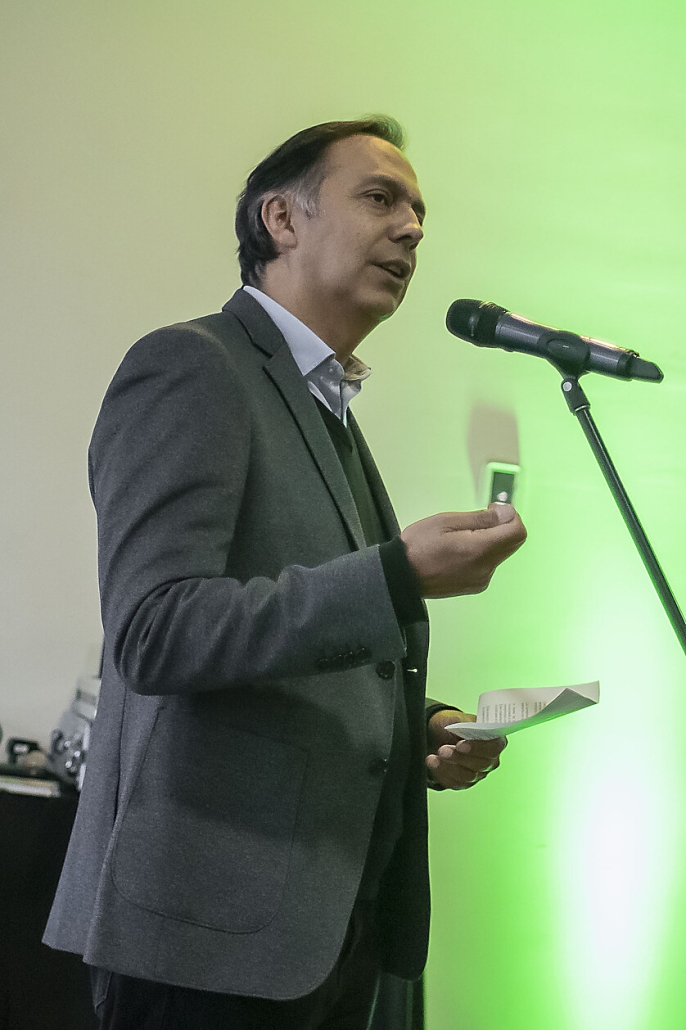
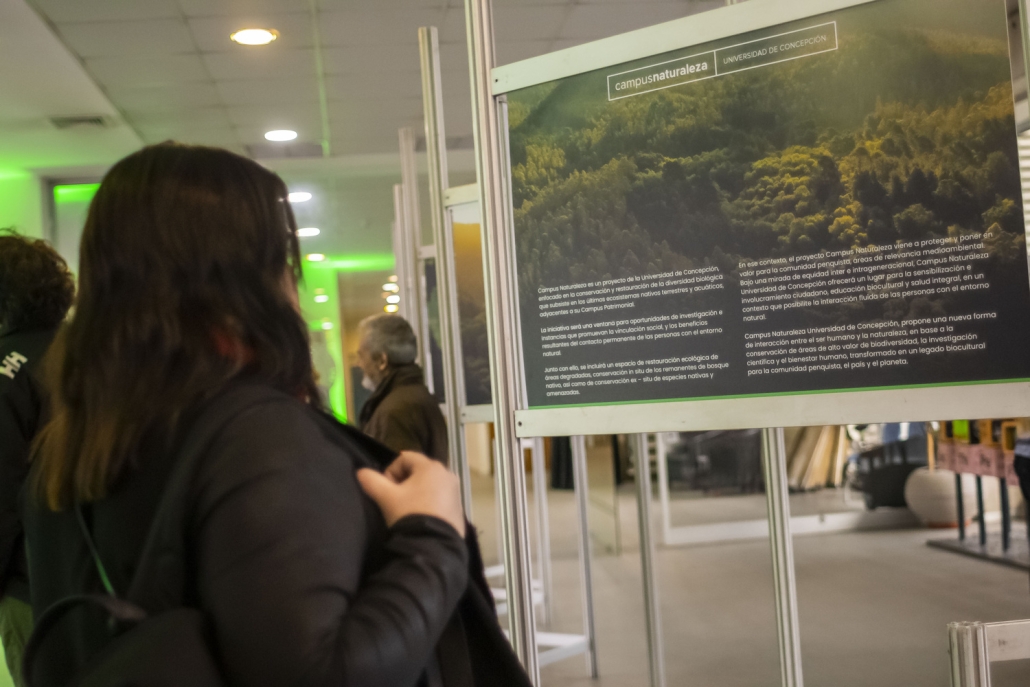
These are some of the preliminary actions that are being carried out to implement the first botanical garden of the University of Concepción.

Reference ecosystem

Three Nothofagus tree species, endemic to our country and threatened in their natural habitats by different factors, will be the protagonists of the plantation, a relevant milestone within the framework of the ex situ conservation line (botanical garden) of the Campus Naturaleza project.

The conservation of the endangered ruil (Nothofagus alessandrii), hualo (N. glauca) and Santiago oak (N. macrocarpa), both in a vulnerable state, according to the Red List of the International Union for Conservation of Nature (IUCN), are part of the objectives.

Various factors such as land use change, overexploitation, urbanization, fires and climate change, among others, have contributed to fragmenting and destroying the habitat of these species and others of the Nothofagus genus, between the Metropolitan and Maule regions. These trees are key to the ecology of forests in the southern hemisphere and are currently showing a worrying tendency towards disappearance.

Dr. Cristian Echeverría Leal, Director of the Campus Naturaleza UdeC project, points out that scientific evidence points “towards a trend that has raised all the alarms. The current climate crisis, combined with factors of human origin, could result in a progressive disappearance of the Nothofagus species endemic to Chile. Faced with this scenario, the international scientific community has put forward some guidelines, in the sense that it is necessary to avoid the extinction of these threatened species, through an integrated conservation approach. This includes ex situ conservation, which refers to the conservation of species outside their natural distribution range,” he explains.

The UdeC academic argues that ex situ conservation is becoming a lifeline that can perpetuate the living genetic material of these species through the implementation of a space commonly known as a botanical garden. “That is the direction of all the work that the University of Concepción has developed, in relation to bringing this problem to light, together with other institutions and making all possible efforts, implementing long-term insurance that will help prevent the disappearance of these emblematic species in the forests of the southern hemisphere of the planet,” he says.

Implementation

The University of Concepción will have six hectares available for the implementation of the first stage of its botanical garden; of these, three are already suitable to receive the first Nothofagus plants, which are currently growing in the nursery of the Forestry Institute (INFOR).

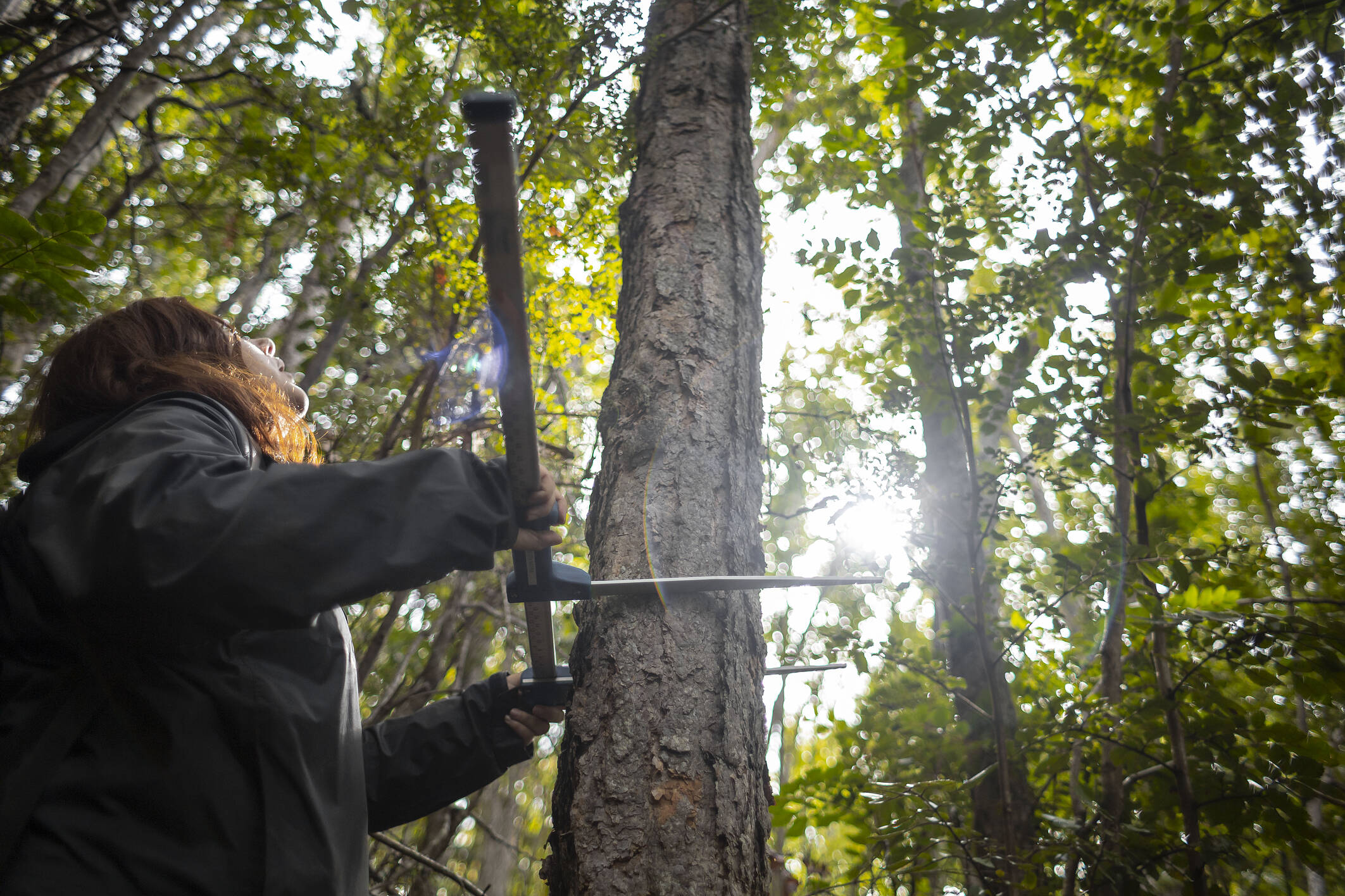
Monitoring in inspiration forest, reference ecosystem

Dr. Cristian Echeverría maintains that the planting of these specimens will mark the beginning of the ex situ conservation line of the Campus Naturaleza project, on surfaces close to the Casa de Estudios in Penquista. “This planting will be an important milestone for the conservation of biodiversity in Chile. To reach this point, a series of previous efforts had to be made, such as the survey of the reference ecosystems of these species, updating the status of their populations and their distribution in the country, identifying seed trees, among other activities.”

In this same sense, he adds that it was necessary to carry out a series of seed collection campaigns in the places where these Nothofagus species grow naturally between the Metropolitan and Maule regions. “Among others, the actions mentioned were possible thanks to the work of a team made up of professionals and specialists also from other institutions. The information collected in the field has also allowed us to build up a body of knowledge, which will undoubtedly be an important input to apply in the ex situ conservation line of the project.”

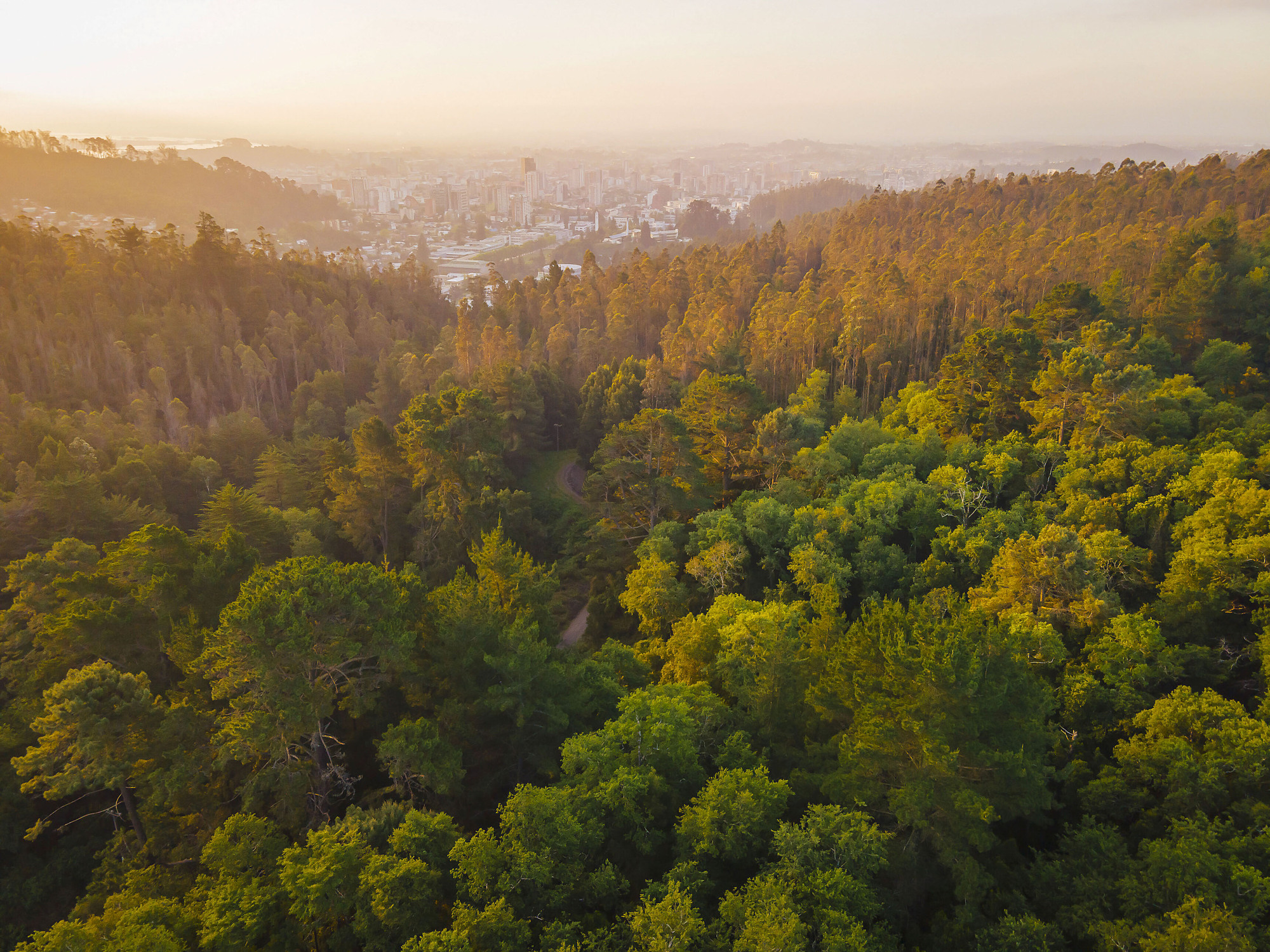
Campus Naturaleza Universidad de Concepción is an unprecedented initiative in Chile, in which 25 hectares of relict deciduous forest ecosystems in Concepción and aquatic ecosystems will be preserved. In addition, actions for human well-being and comprehensive health, among others, will be implemented in the context of a project whose pillars are found in science and in the benefits provided by the permanent relationship between humans and nature.

In turn, thirty-seven species, distributed in 7 countries in the southern hemisphere, make up the genus Nothofagus. The Red List of the International Union for Conservation of Nature (IUCN) reveals that the ruil, the hualo and the Santiago oak are the three species of Nothofagus threatened in South America and endemic to Chile, that is, they only exist in our country.

Fungus species discovered, previously documented only in Chiloé and Valdivia

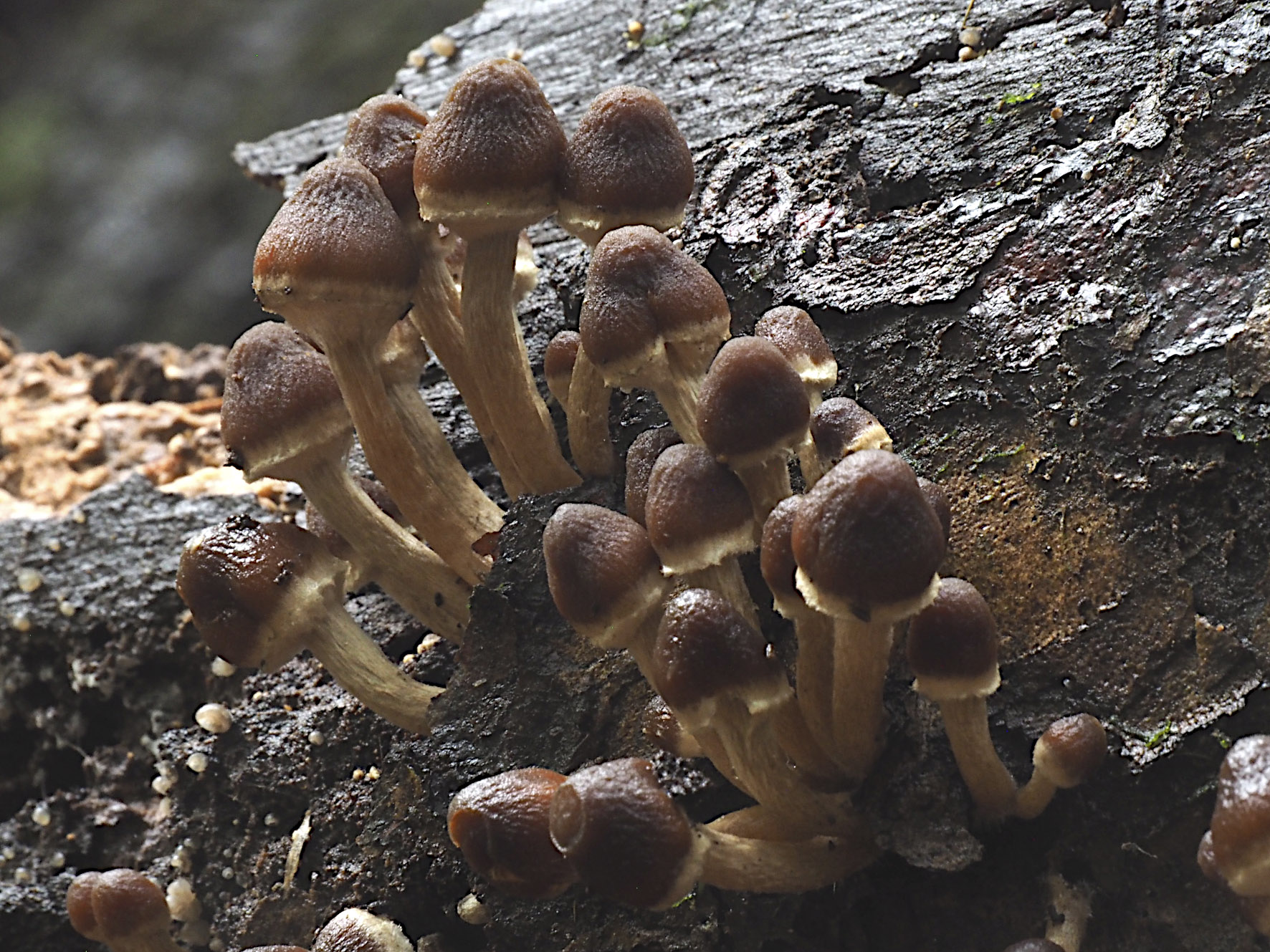
An elusive species of fungus, recorded only in the south of the country, was discovered in the native forest of the Campus Naturaleza project a few weeks ago, in the surroundings of the Patrimonial Campus of the University of Concepción. The research of Professor Götz Palfner, professor of the Faculty of Natural and Oceanographic Sciences of the University, together with two students, becomes the northernmost discovery of the species Psathyrella chiloensis Singer.


“There is no previous drawing or photo of the species, only the textual description, published in 1969.” Professor Götz Palfner, a German biologist who has been in Chile for many years as a research professor in the Department of Botany, Faculty of Natural Sciences and Oceanography of the University of Concepción, refers to the unprecedented discovery he made a few weeks ago, of which there is not even a previous graphic record.

While researching in the native forest remnant, which today forms part of the Universidad de Concepción Campus Naturaleza project, she recorded, together with students Scarleth Jerez and Carolina Sobarzo, three native species of fungi that had not previously been seen in the area.

“We went to the native forest of Campus Naturaleza and we were checking the soil, wood, decomposition where Carolina had discovered a fallen trunk of a native tree with different species of fungi, there were more mushrooms in the same spot, there on stumps of native trees.”

“To our surprise, we found three native species of fungi that had not been previously recorded in the native forest. One of them, the most important, is called Psathyrella chiloensis and was originally discovered in Chiloé in 1967 by Rolf Singer, a prominent mycologist of the time. Apart from this type material, there is only one other previous record from the Valdivia area, published in 1998 by Eduardo Valenzuela and collaborators. With this record in Campus Naturaleza, the known distribution of the species increases considerably, because it is the most northern record known.”

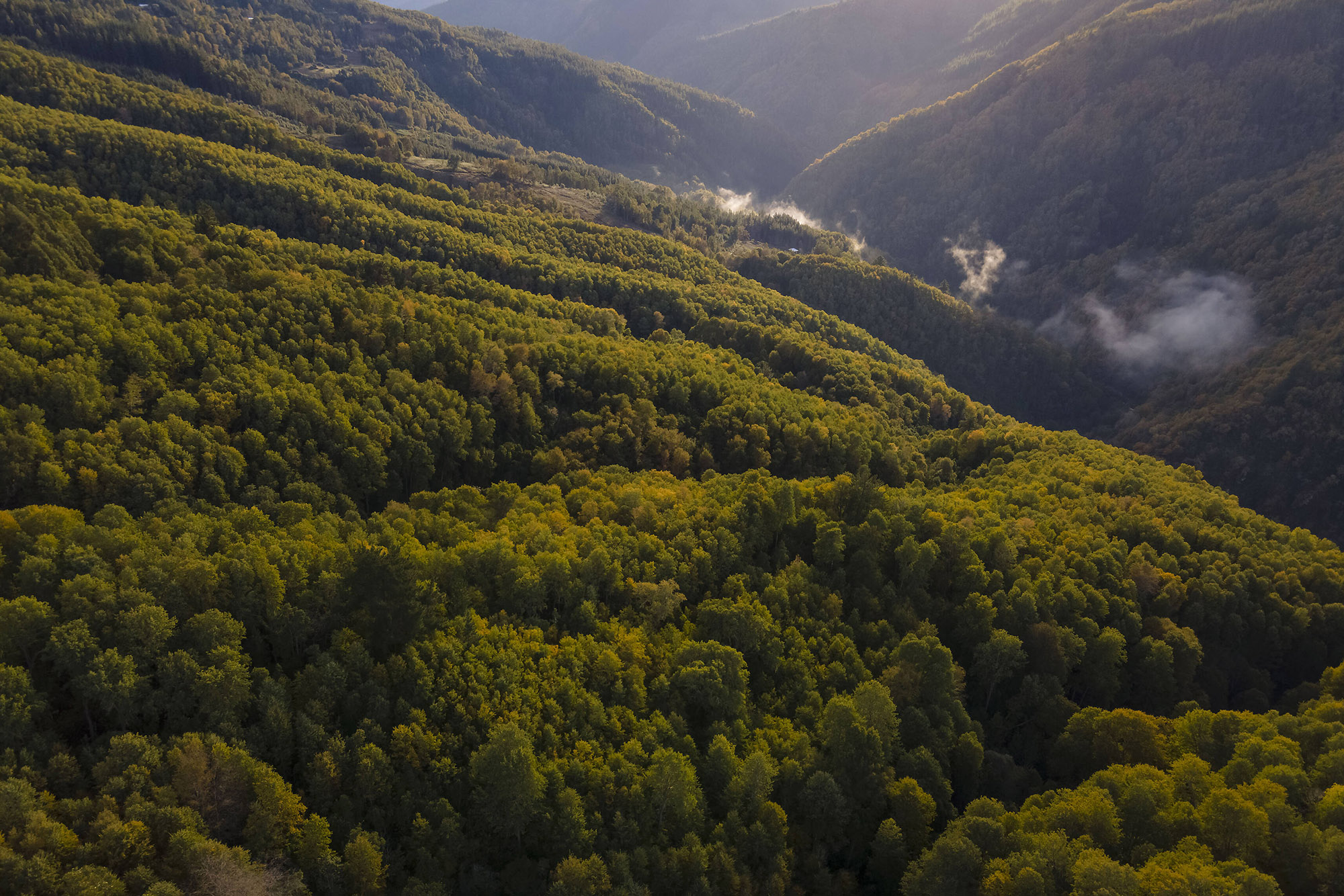
The native forest located just a few minutes from the University is often visited by researchers and academics from different faculties and corresponds to a relict ecosystem of deciduous forest in Concepción. It is home to unique and varied tree species, which mark the transition between the native forests of the central and southern areas of the country, making it a prime conservation space as part of the Campus Naturaleza Universidad de Concepción project.

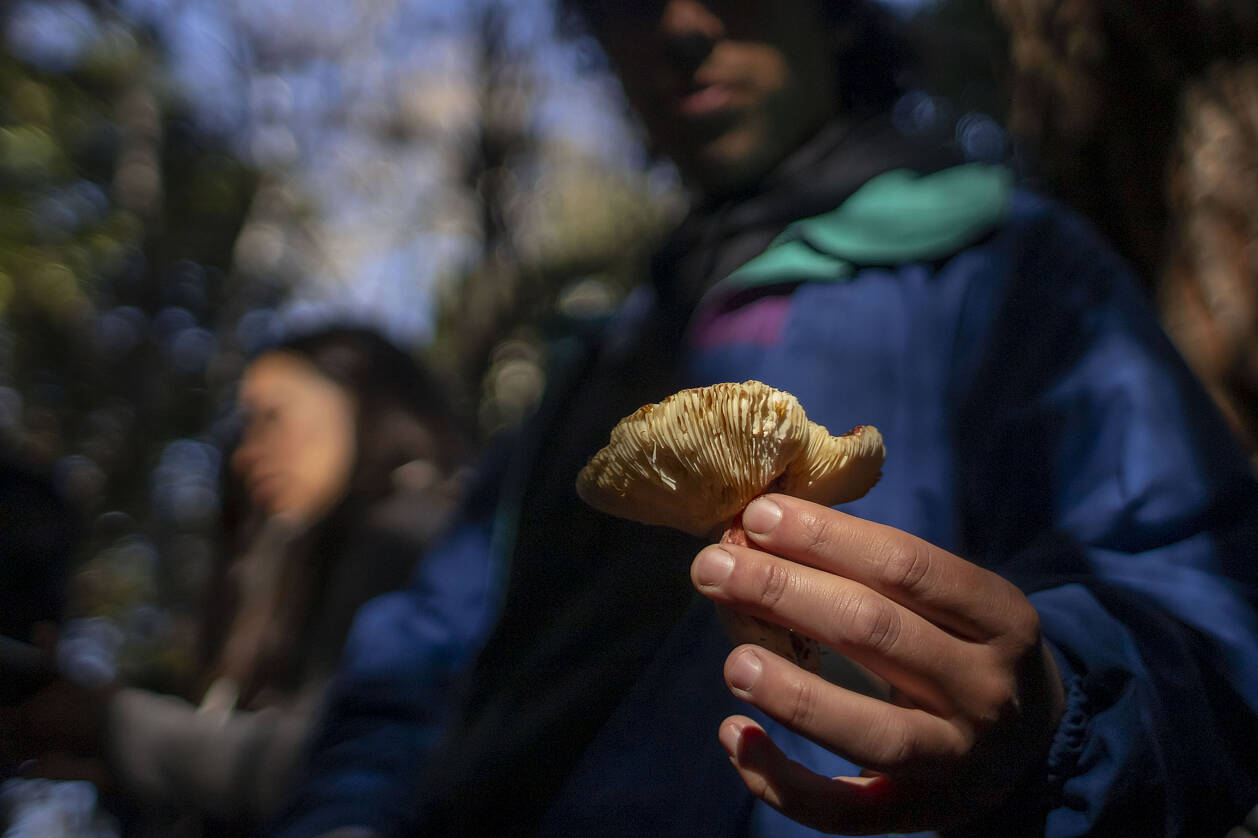
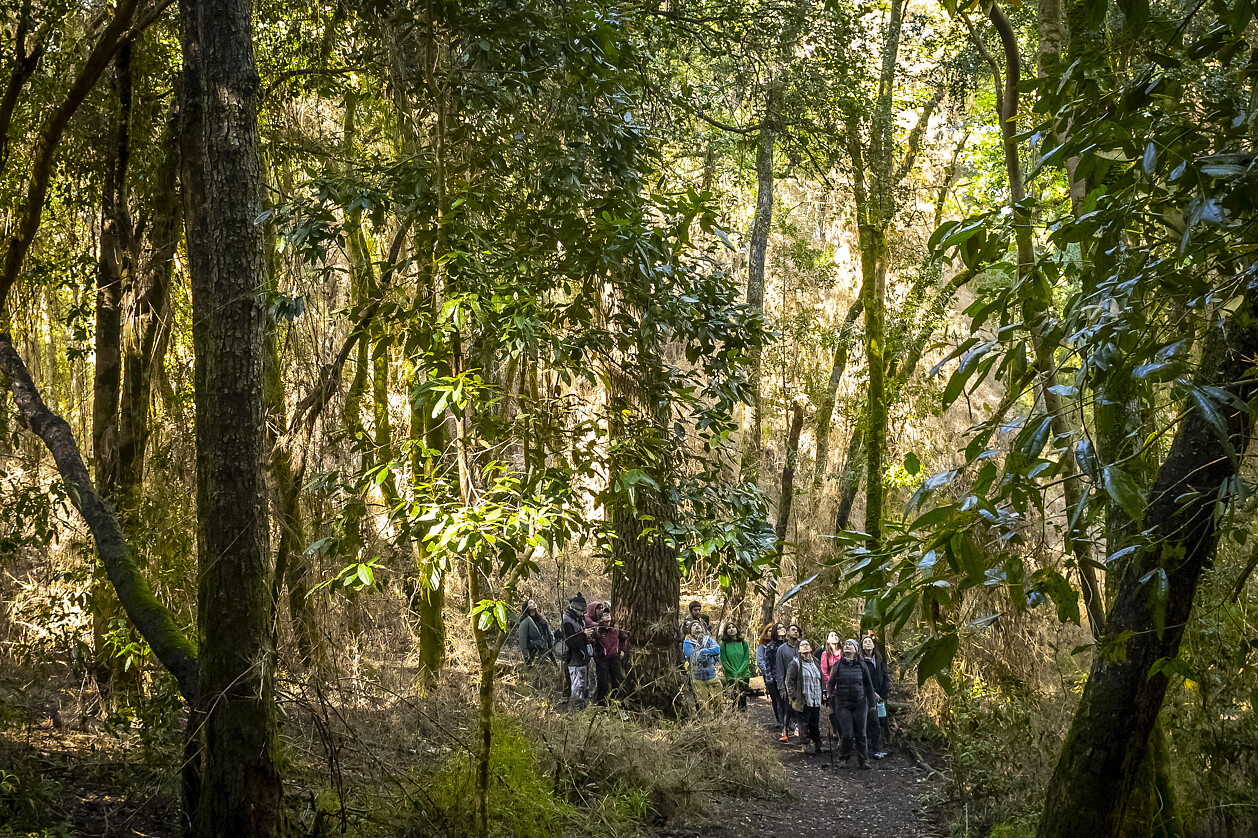
Image, guided tour of the native forest, Campus Naturaleza project, University of Concepción

Kingdom fungi

Regarding the importance of fungi as a relevant actor in native ecosystems, Professor Palfner, who is an associate academic of the Campus Naturaleza project, highlights that they interact with other components of the forest, but “they play their greatest ecological role with plants, in all types of vegetation. Fungi form their own kingdom, the fungi kingdom. This is distinguished from animals, from plants, they are a separate group of organisms, but, nevertheless, they form multiple associations with plants. Wherever we find vegetation, we always find fungi, which play different roles, as decomposers of plant remains, but also as symbionts, mutualistic symbionts, and also symbionts that parasitize plants.”

He argues that native forests, by having more plant diversity, also host more fungal diversity. “In monoculture plantations there is much less fungal diversity. Native forests in Chile and native forests everywhere in the world have millions of years of evolutionary history and species diversification. So they are much richer in fungal species due to their evolutionary history than an exotic pine or eucalyptus plantation, which consists of trees that were only introduced here perhaps 50 or at most 100 years ago.”

“We found some fungi in pine plantations, in eucalyptus plantations, that are even specifically associated with these exotic trees, but they are not compatible with native trees. So first of all, in exotic plantations we have much less diversity of fungi and they are also alochthonous species, as we scientists call them, foreign species that come from other parts of the world and are not compatible with the native forest.”

Edible and poisonous species

The academic maintains that in the hills near the UdeC they have always found a great variety of species, “some edible ones too, such as the changles, for example, of the Ramaria genus. There is even loyo. These are the best edible species.”

He reveals that there is no law or general rule that allows one to safely separate an edible mushroom from a toxic or poisonous mushroom. “I always say that there are a couple of rules that people who like to collect wild mushrooms to eat should always respect. First, collect only the species that they really know and recognize, which they know are edible and which are not easy to confuse with unknown species or even with toxic species.”

“And the second rule is to learn the poisonous species, because there are few. In fact, in Chile we only have two or three species of toxic fungi that are dangerous, that can cause fatal poisoning. They only grow in pine plantations or under other exotic trees and not in the native forest. However, it is not a strict limit, because the problem is that pines also invade the native forest and invade it along with their associated fungi. So where there is pine next to native forest, it cannot be ruled out that a poisonous species of pine may suddenly appear in the native forest as well,” he says.

“There is also a species of Amanita that has a light yellow cap and the rest of the mushroom is white, which is called Amanita gemmata, the toxic variety, or Toxic Amanita, as a synonym. It was named this because it is suspected of having caused serious, even fatal, poisoning in south-central Chile. There is another that has a red cap, sometimes quite large and with white dots on top. That is the Amanita muscaria and it is indeed toxic too, but it has a less dangerous toxin than the deadly amanitas called ibotenic acid or another form of the same toxin called muscimol. They cause symptoms such as vomiting, nausea, vertigo, and also headaches, but they are not fatal.”

“He emphasizes that the most dangerous amanita is the Amanita phalloides, which is green and has toxins that destroy liver and kidney tissue. That is why it causes the death of the patient, of the person who ingests it. Specifically, the deadly species are those that produce this necrosis of the liver and kidneys.”

Regarding the different colours of mushrooms, his opinion is that all that remains is to marvel. “More than anything, enjoy the great variety of colours that mushrooms have, because colour says nothing about whether the mushroom is edible or poisonous. There are some beliefs, there are people who say, for example, that when you cut a mushroom and it turns blue it is poisonous, but that is not true. Colour has no direct relationship with the edibility or toxicity of the mushroom. I would say that it is almost a playground of nature, where it experiments with different and varied colours.”

Professor Palfner does emphasize the ecological importance of the native forest of Campus Naturaleza, “because it houses a high diversity of fungi, both decomposers and fungi that form mycorrhizae, as well as parasites, which are endemic, meaning that they only exist in the native forest of Chile, perhaps in part of Argentina as well, but nowhere else in the world.”

“For this reason, this is part of a unique biological heritage that we have here in the south of Chile and that we find here in the heart of the city of Concepción, in the remnants of native forest that have survived. We must care for and conserve both the forest and all the endemic fungi that are associated with it,” argues the specialist.

“I think that finding three little-known native species in an area of ​​approximately 20 square metres is a clear indicator that this relic is a refuge for many native species, and I think that increases its conservation value considerably. I have been visiting the forest for many years and we have often found species that we had not previously discovered or seen,” he says.

Conserving biodiversity in a changing world: The crucial role of botanical gardens

Amid growing concerns about the loss of biodiversity and the effects of climate change on our planet's ecosystems, ex situ conservation is emerging as a fundamental tool in the conservation of endangered species. And it is in this context that botanical gardens and arboreta take on even greater relevance, not only as spaces for recreation and education, but also as vital refuges for endangered flora.

The Universidad de Concepción (UdeC), through its Campus Naturaleza project, will dedicate six hectares to the creation of the first collection of three species of Nothofagus threatened in South America: the ruil (N. alessandrii), the hualo (N. glauca) and the Santiago oak (N. macrocarpa). This initiative, which is born from a deep vocation for the conservation of biodiversity and a commitment to sustainable development, represents a significant step towards the protection of these emblematic species.

The genus Nothofagus, commonly known as "oak", is made up of 37 species distributed discontinuously in the southern hemisphere. These species form large areas of forest, ranging from sea level to 4,000 m above sea level in temperate and tropical environments. In Latin America, Nothofagus forests grow only in southern Chile and Argentina. Of the 10 species of Nothofagus that exist in South America, three species are threatened and are only found in Chile.

Despite their cultural, social, economic, aesthetic, scientific and ecological value, these species face multiple threats, including deforestation due to land use change, habitat fragmentation and climate change. Given this challenging scenario, the creation of a space dedicated to their conservation, outside their natural distribution, not only ensures their survival in a controlled environment, but also provides a genetic bank for future research and reintroduction programs in the wild.

Ex situ conservation seeks to complement in situ conservation and ecological restoration efforts. Importantly, ex situ conservation is not intended to replace in situ conservation efforts, i.e. the protection of species in their natural habitat. Rather, it complements these actions by offering additional insurance against extinction and providing the opportunity to study and better understand the needs and behavior of species in a controlled environment.

The future botanical garden within the UdeC Campus Naturaleza will not only be a space for contemplation and natural beauty, but also a space for research and education dedicated to the conservation of biodiversity. Through outreach programs and collaboration with other institutions and communities, we seek to foster environmental awareness and promote the protection of our natural heritage.

In conclusion, ex situ conservation plays a crucial role in preserving endangered species in a changing world. Botanical gardens, with their capacity to house and care for endangered species that may not survive climate change, serve as refuges. Our University's initiative to dedicate a space for the conservation of Nothofagus is an example of its commitment to biodiversity and a legacy for future generations.

Dr. Cristian Echeverría Leal

Director of the Campus Nature Project

University of Concepcion

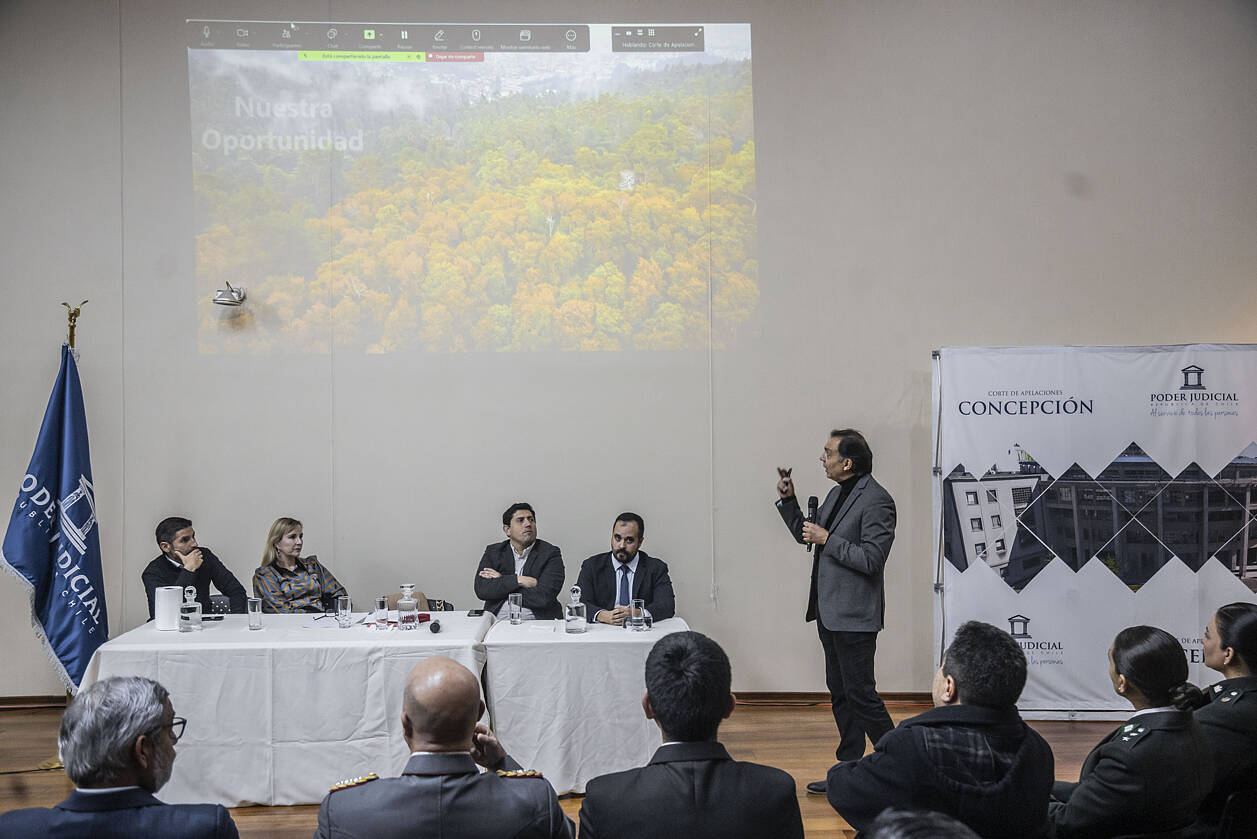
Campus Naturaleza UdeC is presented at the forum “Sustainability Challenges of the Judicial Branch of Concepción”

With the presentation “Balancing the dimensions of Strong Sustainability in the Biobío Region: Campus Naturaleza UdeC”, the project director, Dr. Cristian Echeverría Leal, participated in the panel forum “Sustainability Challenges”, organized by the Sustainability Committee of the Judiciary, with the support of the Penquista Court of Appeals.

The academic from the Faculty of Forest Sciences at UdeC explained the differences between sustainability approaches and their evolution from the triple helix to the so-called strong sustainability. He also presented the UdeC Campus Naturaleza project, detailing its genesis, lines of action and the activities carried out during the last year.

“Campus Naturaleza UdeC is a pioneering initiative of its kind, where our University reaffirms its commitment to the community where it was born, protecting this unique space for the conservation of biodiversity and human well-being. Presenting Campus Naturaleza at the “Sustainability Challenges” Forum was a very good experience, since we were able to get closer to a branch of the State that has a high interest in improving our relationship with nature and knowing how our institutional project is being executed,” said Echeverría.

The event was opened by the President of the Court of Appeals of Concepción, Mauricio Silva Pizarro, who said in his speech: “along with the growing reaction of governments around the world regarding the issue (climate change), each of us citizens must be concerned and take care of it, since the future of the new generations will depend on what we decide and do.”

The panel also included Julián Perret García, Deputy Manager of Central Public Affairs at Colbún; Felipe Hormazábal Canales, Deputy Manager of Sustainability, Safety and Occupational Health at Blumar; Rodrigo Tapia Riffo, Administrator of the Cañete Court of First Instance and Family Court; and Federico Quijada Leyton, architect and master's degree holder in energy-efficient building project management.

Children Participate in Educational Pilot Program that Fosters Connections with Nature

The collaboration between the Campus Naturaleza project of the University of Concepción and the NGO Pewma, Education with Nature, made it possible to launch the Pilot of Education with Nature for Early Childhood in 2023. The success of the initiative allows us to envision permanent programs and generate evidence of the educational benefits of permanent contact between children and the natural environment.


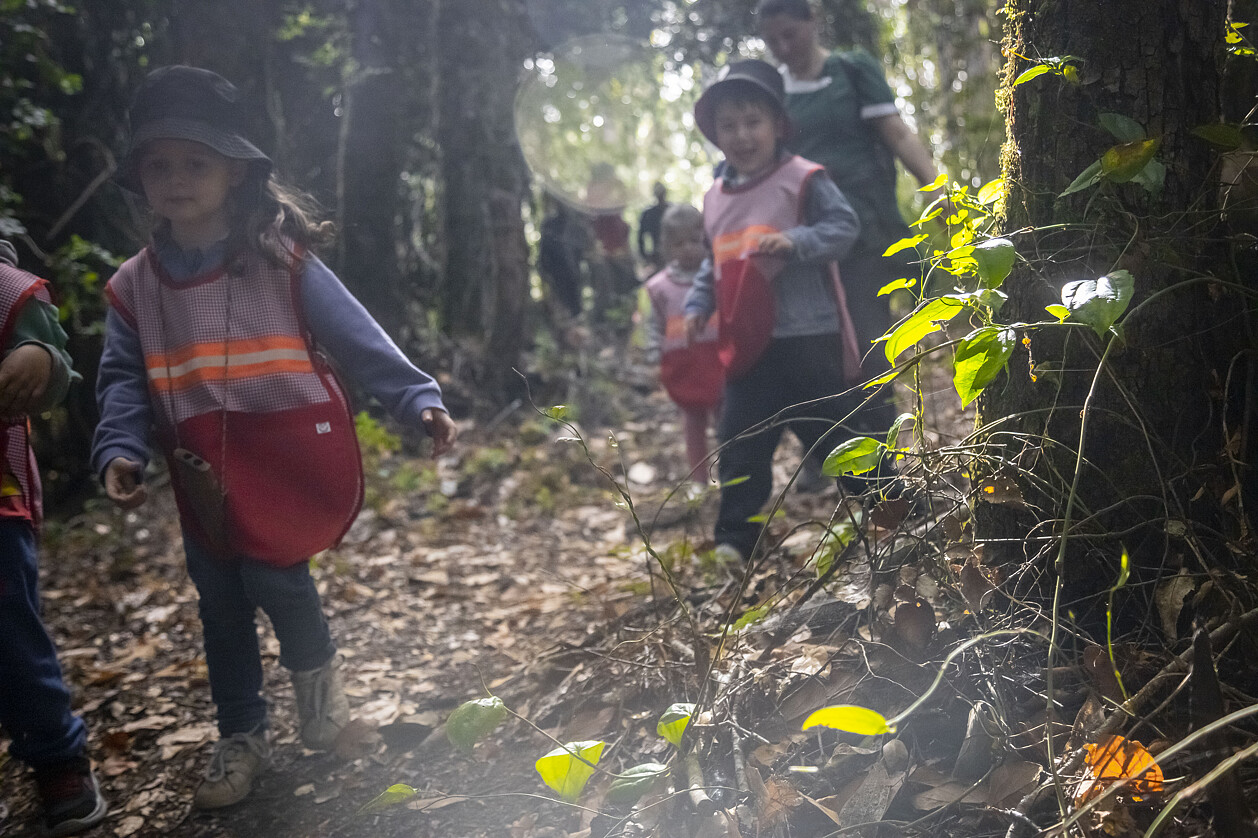
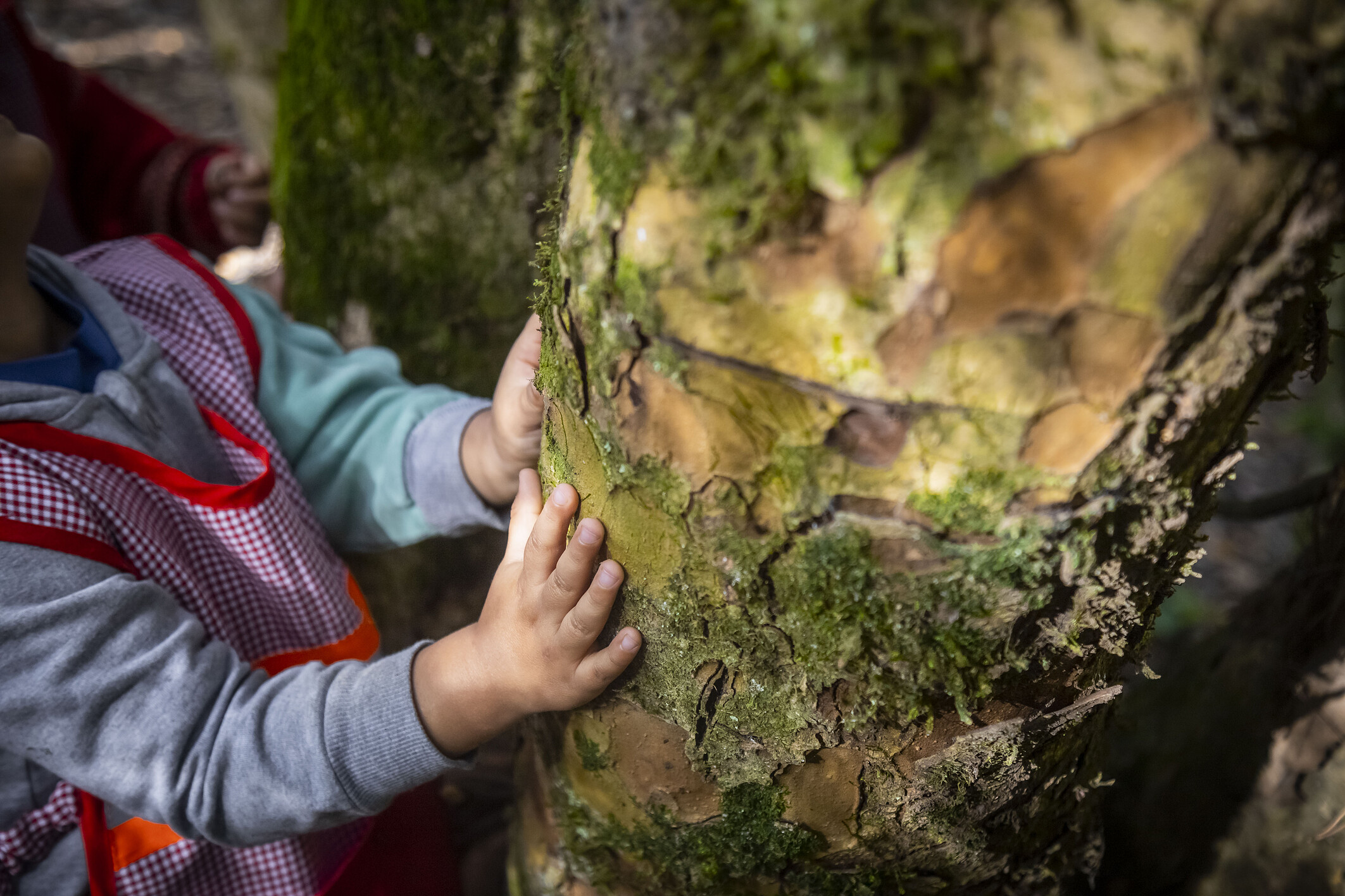
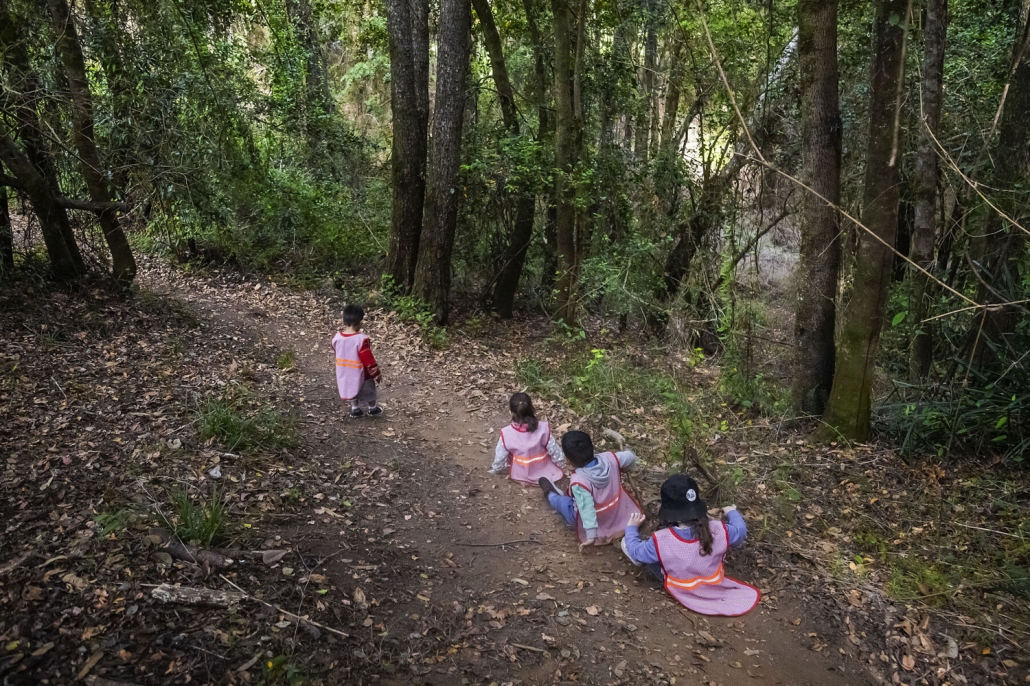
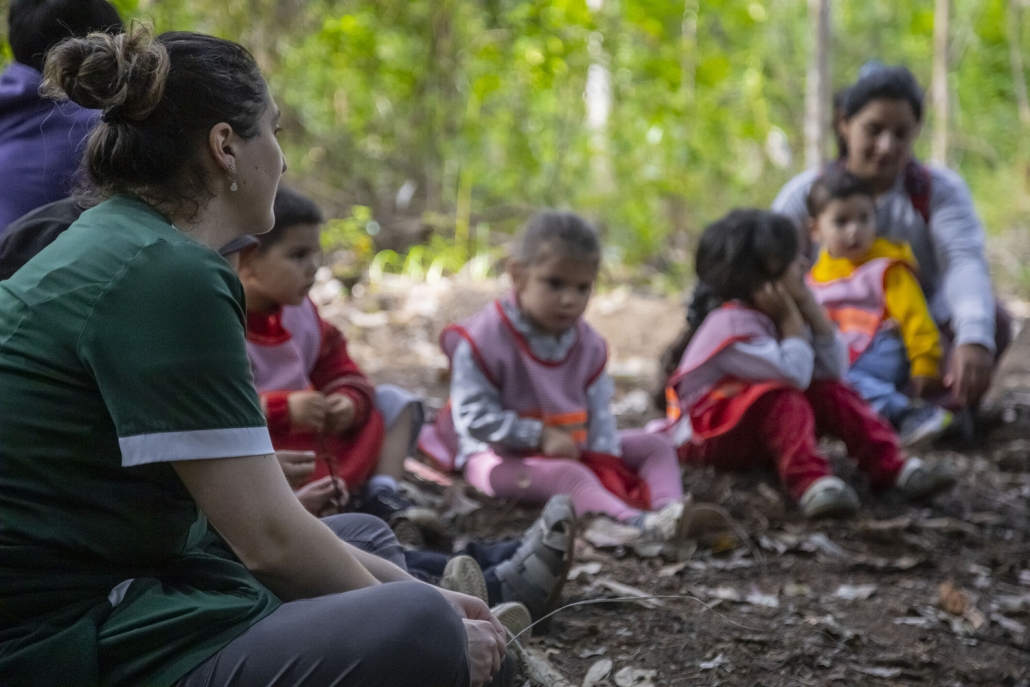
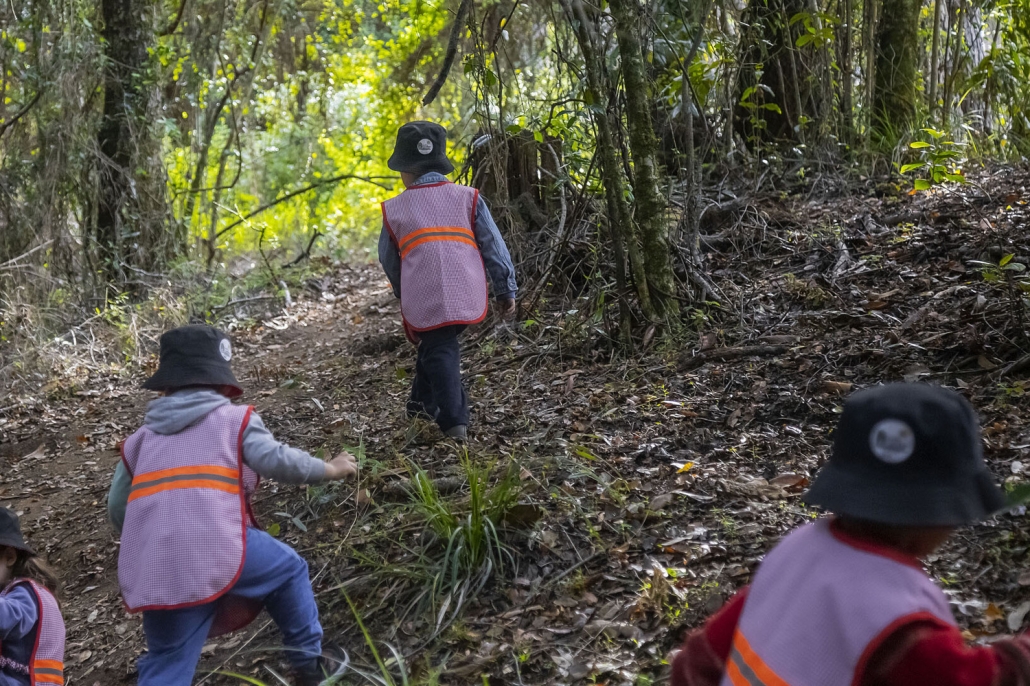
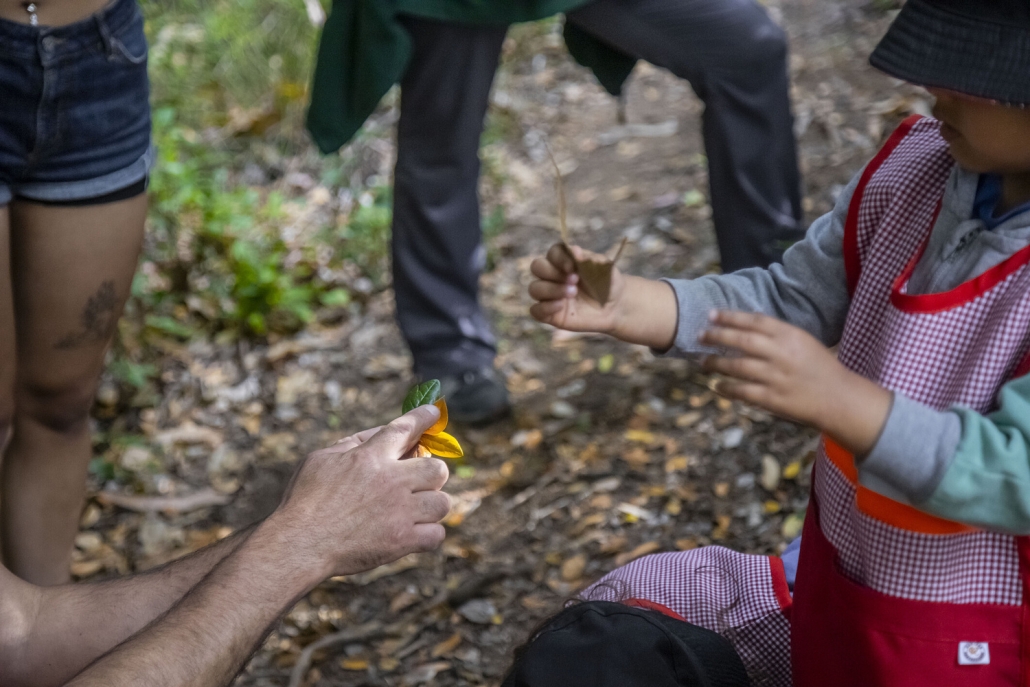
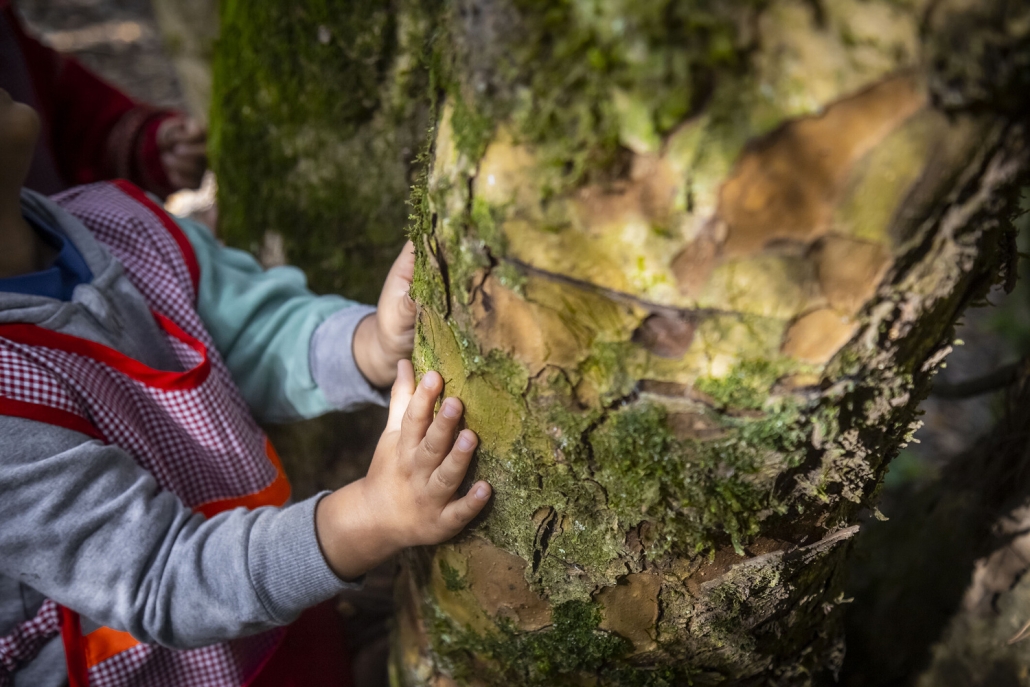
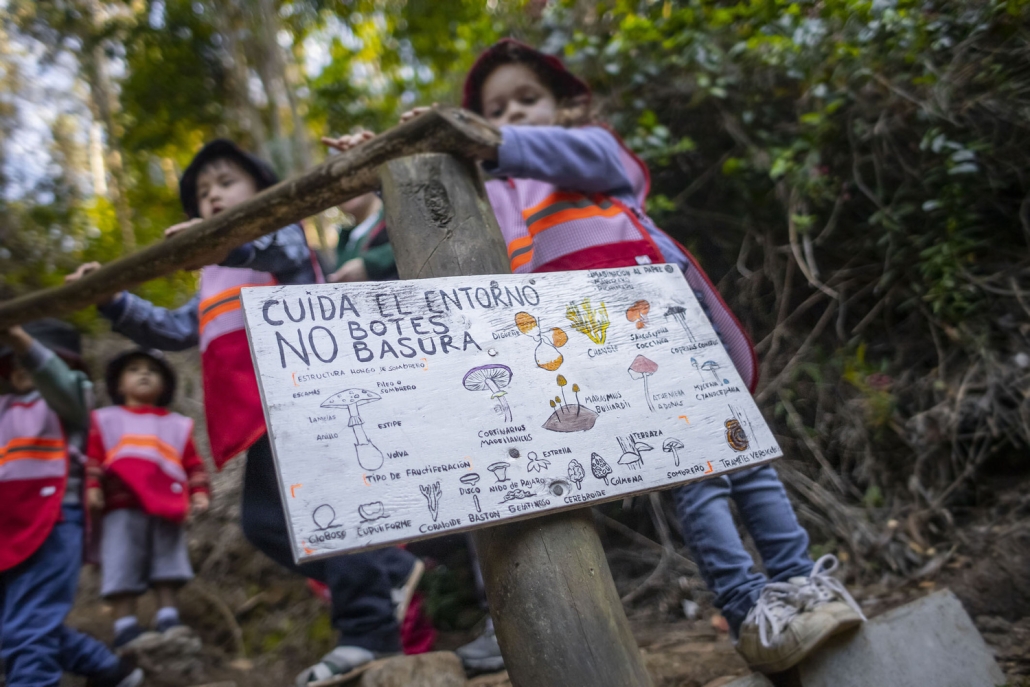
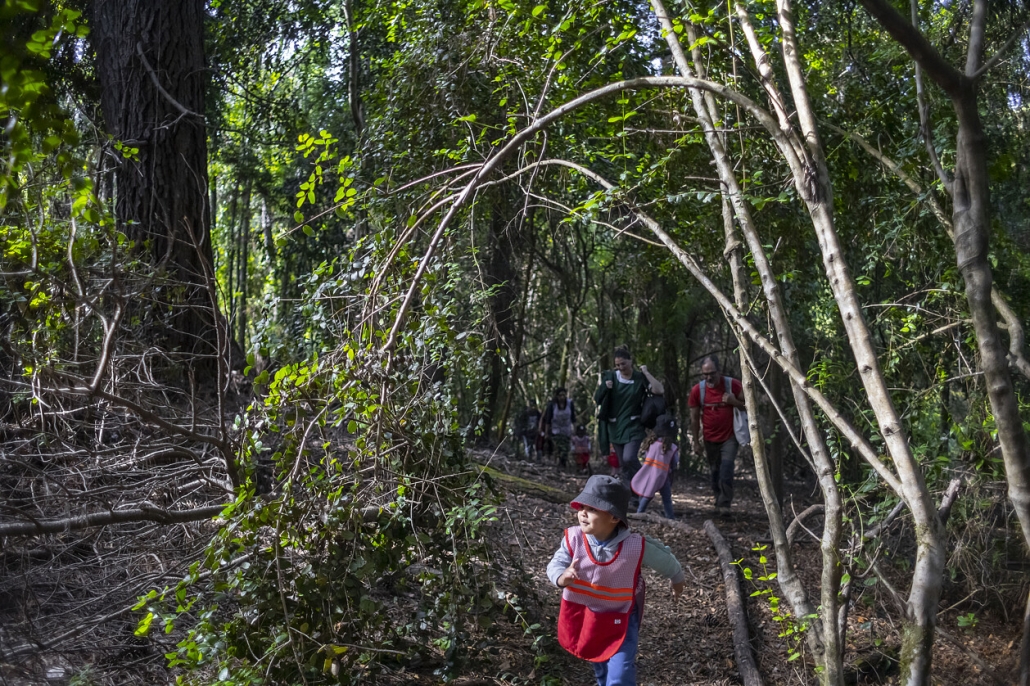
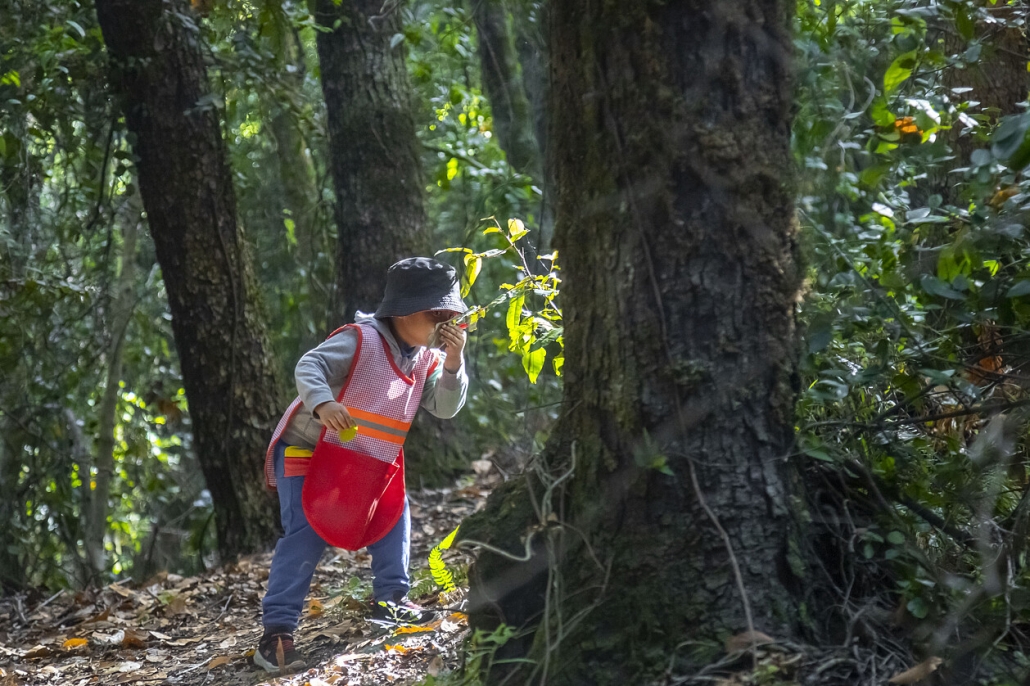
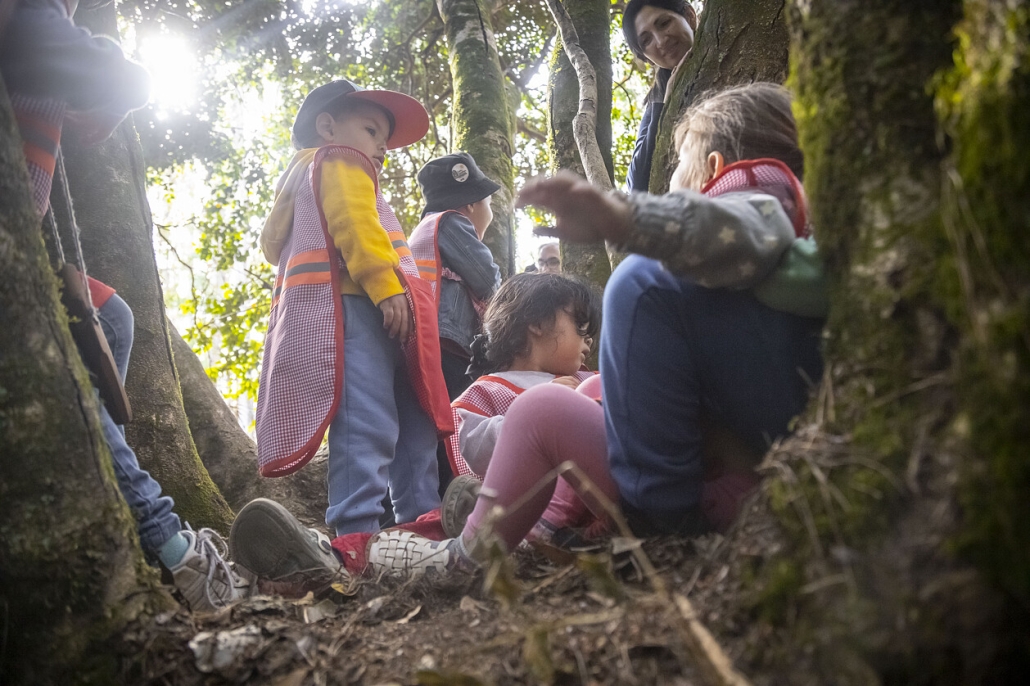
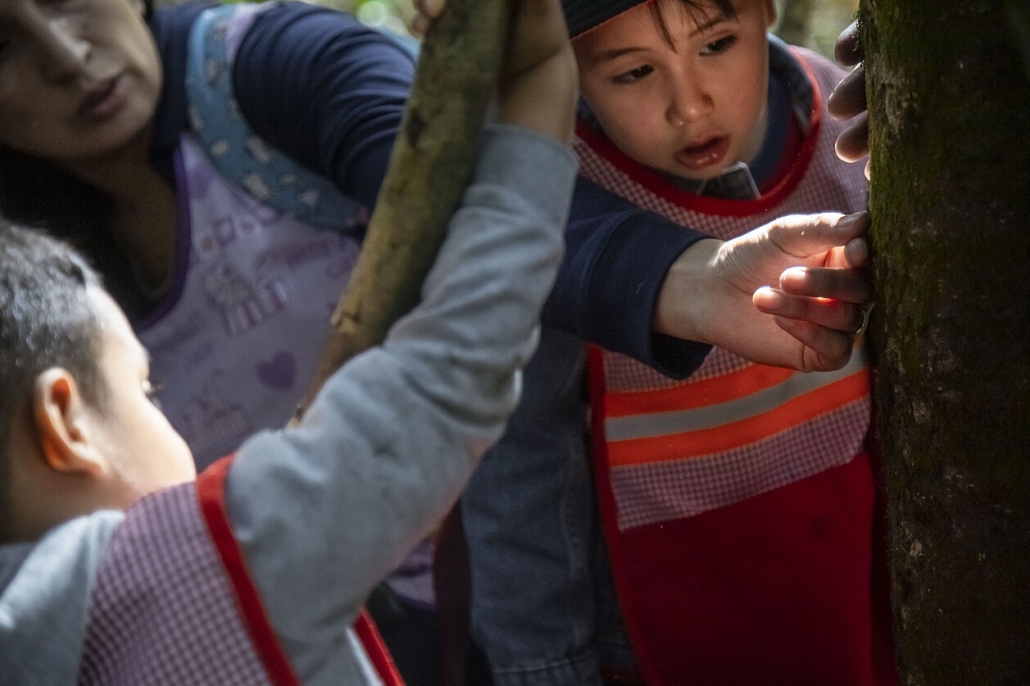
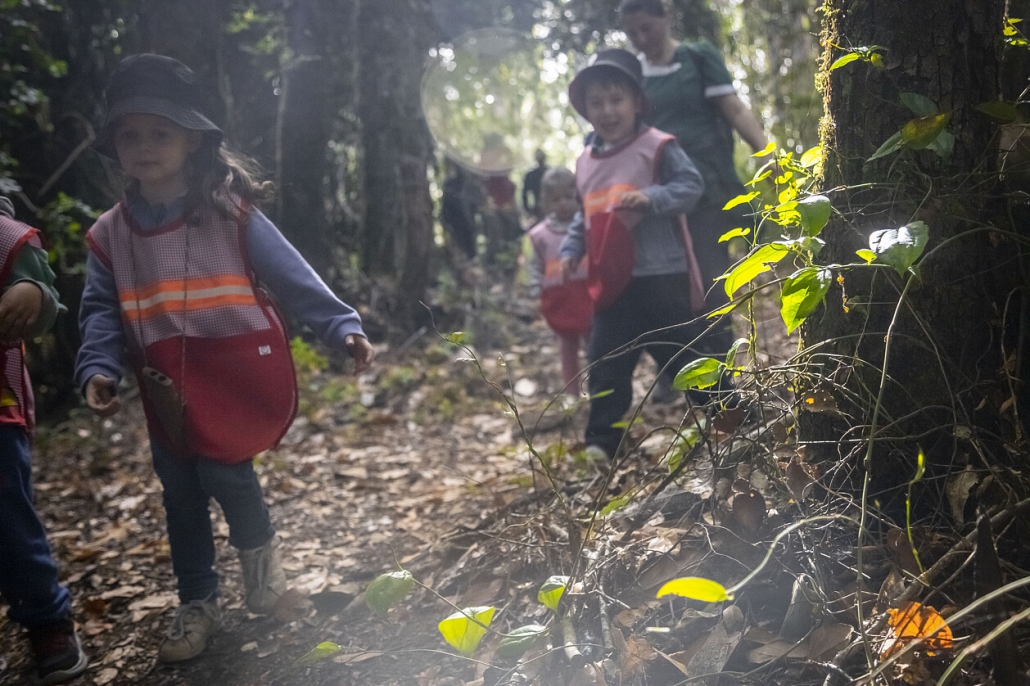
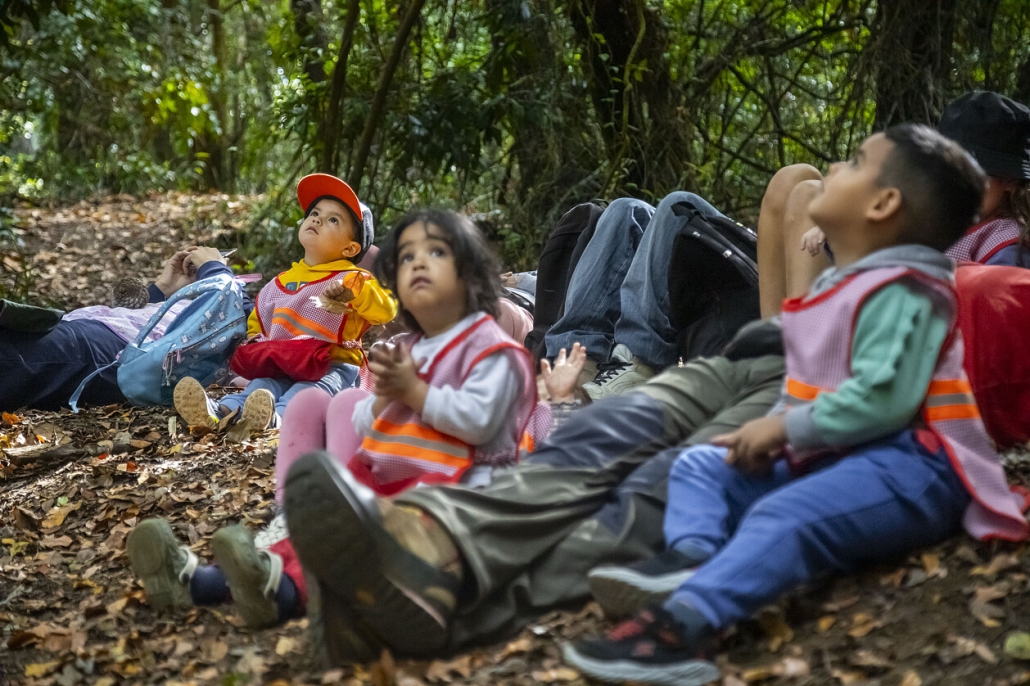
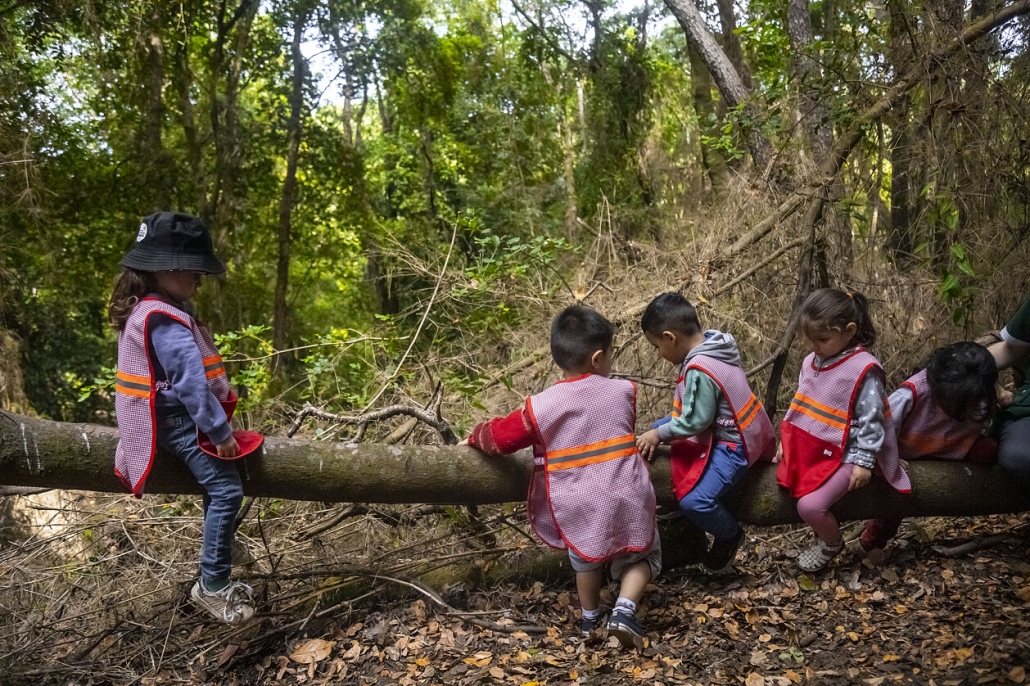
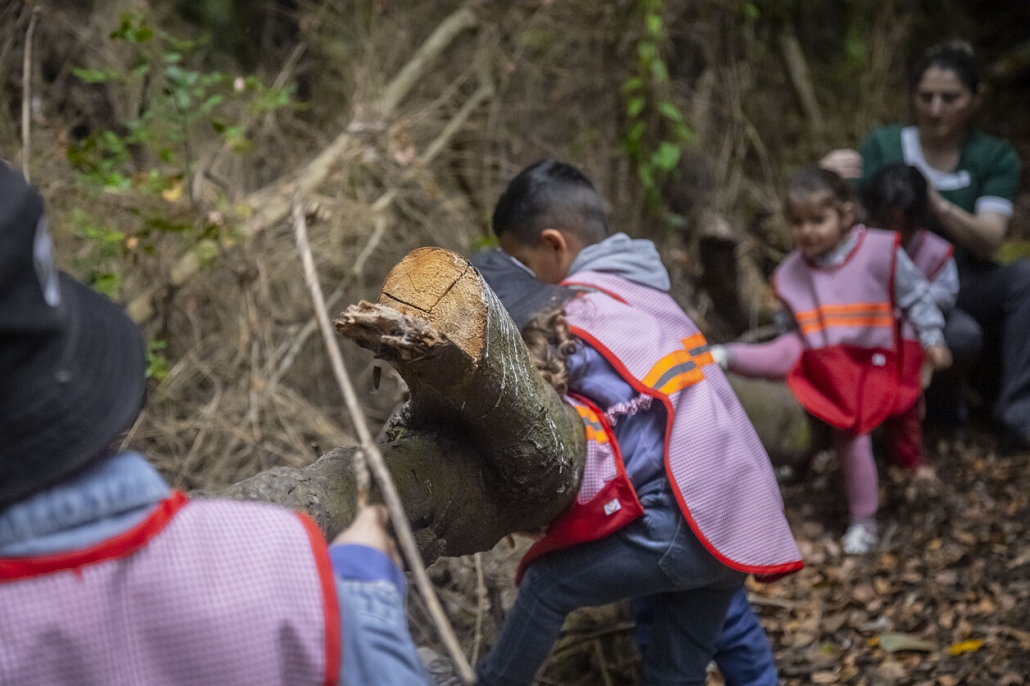
Running, playing with the leaves or simply missing a moment of the sight of the aunts in the garden. Almost the only moment of silence occurs when they are invited to look up, towards the tops of the trees. They are children, and they are amazed when they can hear the sounds of birds, smell the earth and feel the forest, in an environment so close to the city that it is almost unbelievable.

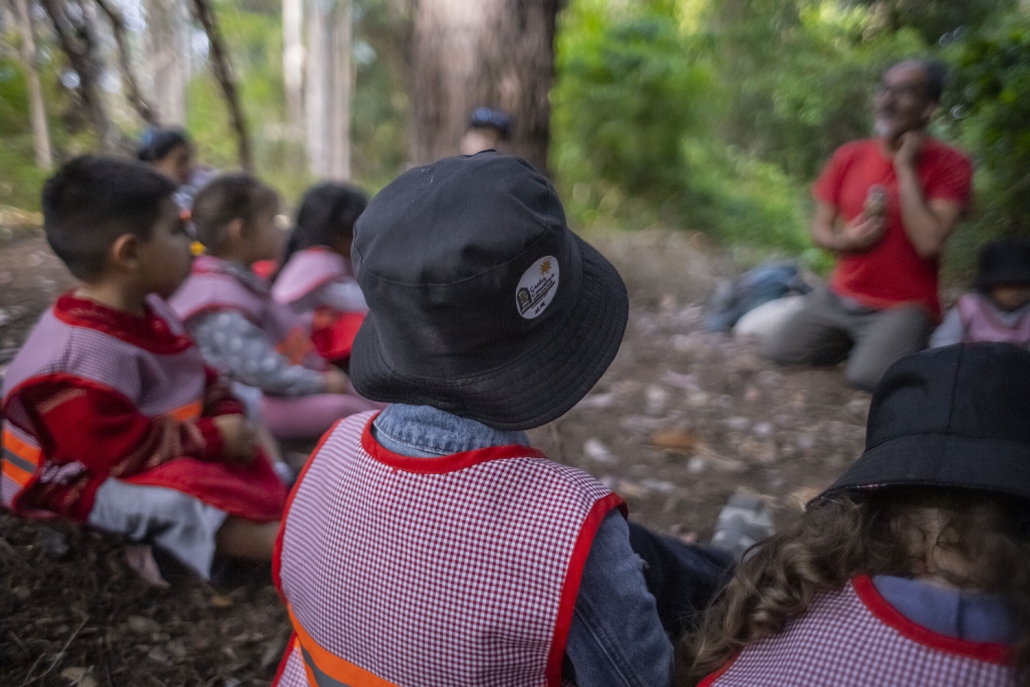
The children are part of the Education with Nature Pilot for Early Childhood. This instance is developed thanks to the collaboration between the Campus Naturaleza project of the University of Concepción and the NGO Pewma Educación Con la Naturaleza.

The pilot project, which has been running since mid-2023 with the CEDIN, Pequeño Pudú, and Los Sobrinitos kindergartens, began its second cycle in 2024. These establishments are located close to the UdeC Heritage Campus and the land where the Campus Naturaleza project will be implemented, which will conserve 25 hectares of relict deciduous forest ecosystems in Concepción, aquatic ecosystems, and will also develop actions for ecological restoration, human well-being, biocultural environmental education, and mental health, among others.

Dr. Cristóbal Pizarro P., an associate researcher at the Campus Naturaleza project at the University of Concepción, points out that “science has shown that stimulating this type of emotional bond with nature at an early age is key, as it generates autonomy in the development of physical, intellectual, social and emotional skills, related to and adapted to the environment. These skills are not exclusively cognitive (knowing nature), but also stimulate social, psychoactive and motor skills, since one can exercise, learn, sing and ultimately enjoy nature with other people in a recreational and educational environment.”

She says that these skills are (and will be) key to adapting to climate change and strengthening environmentally responsible, participatory and committed citizenship. “To achieve this, the role of education professionals is of utmost importance, both in the practice and in training in this type of pedagogical approach. To this end, in addition to the NGO Pewma and the schools, we are collaborating with several teachers and interns from the UdeC School of Education.”

Educational approach

The NGO Pewma has been developing this pedagogical approach for decades throughout the Biobío and Ñuble region. In this regard, Juan González E., the organization's pedagogical coordinator, comments that "this pedagogical approach, in the first instance, strengthens a constant rapprochement and link with the territory-place in which these school communities are inserted. We wish to promote in girls, boys, educators and accompanying families, a space to enable permanent access to develop learning outside the classroom, where human dimensions such as well-being, connection with nature, social learning, playing with the senses, risk management and seeing nature as a space for movement can be enhanced."

“In this way, we frequently go out for walks in these different places, every two to three weeks: the streets near the educational center (kindergarten), the surrounding hills, and finally we go into the native forest of Campus Naturaleza; that is, we generate a process of constant approach to explore and re-recognize the place, its characteristics and its diverse daily routines. In this approach, a discovery is fostered through wonder, play, singing, rhymes and laughter, while sharing, walking and living together,” explains the educator and philosophy professor.

Graciela Silva M., Director of the Community Center, Nursery and Kindergarten Los Sobrinitos, comments that “each conversation, discovery and wonder at what nature offers is transformed into a great learning experience that responds to the essence of each child. We see this as a great opportunity for toddlers, mainly because of the active and didactic learning they experience in different experiences in natural environments, where a range of interactions opens up for dialogue, questions, explanations, curiosity and new ways of learning, which lays solid foundations for continuing the path of knowing, doing and feeling.”

“There they can acquire multiple skills for the comprehensive development of their lives, so necessary these days, since children are being exposed to different scenarios that are not favorable to them at such an early age, such as lack of family and social time, overexposure to technological devices, among others,” says the educator.

Similarly, Ana Castillo, a teacher at the Mi Pequeño Pudú kindergarten, says that the project is important because it allows teachers to instill “care for nature, respect, and coexistence in an environment that attracts children’s attention. “They always ask us when we are going out again, when is the day. We first showed them pictures and then reinforced that with field trips, where we reviewed the animals that live in the forest, such as the culpeo fox, the pudú, the guiña, the monito del monte, among others. Everything is done with songs and other fun activities for the little ones.”

“Our children are three to four years old, so they already understand a lot, so it was a beautiful experience for them. We also invited the family, they were very involved in this activity, we went out with them, so the children liked to participate more,” she explains in relation to an educational approach that strengthens physical health and the idea of ​​socializing with their peers in a natural environment, she says.

Dr. Pizarro adds that “our plan is to consolidate the work in this pilot with these three establishments, with permanent educational trips to nature. We would like to establish permanent nature education programs in these and other establishments that can support educators in integrating cross-curricular elements that address the development of different skills. To this end, we are already making progress in the design and evaluation of the trips, and to be able to generate evidence on the educational benefits of nature in the long term. In this process, we would like to inspire other establishments and organizations to work in a network, and also influence the people who make the decisions, to systematically integrate nature education in public and private education, as has been done in many other countries, with excellent results,” states the UdeC academic.

Project Campus Naturaleza UdeC Celebrates One Year of Life

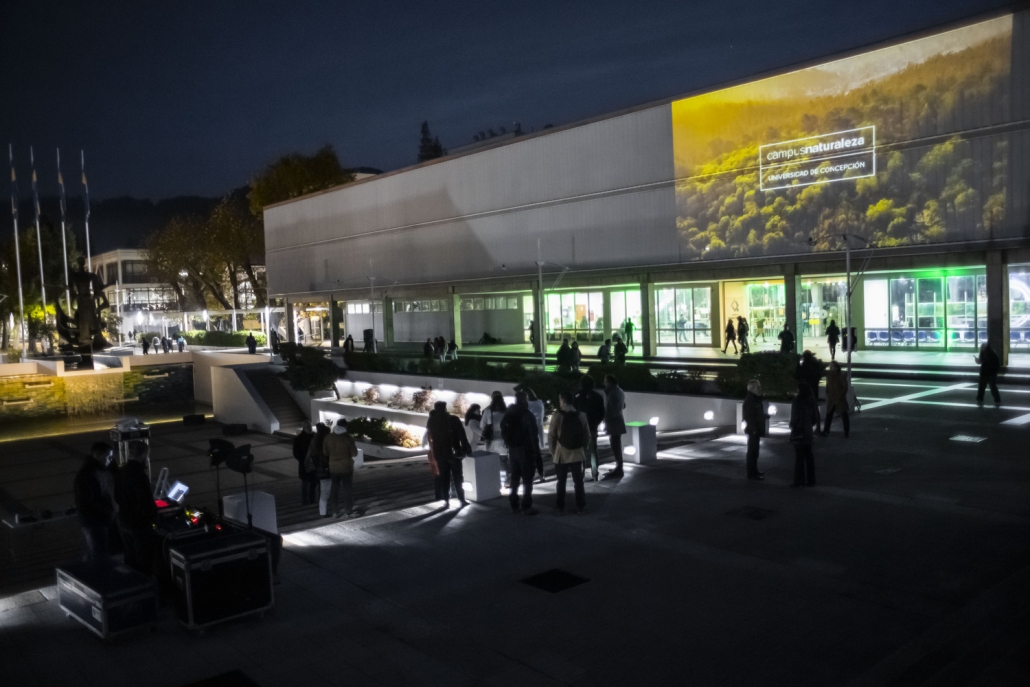
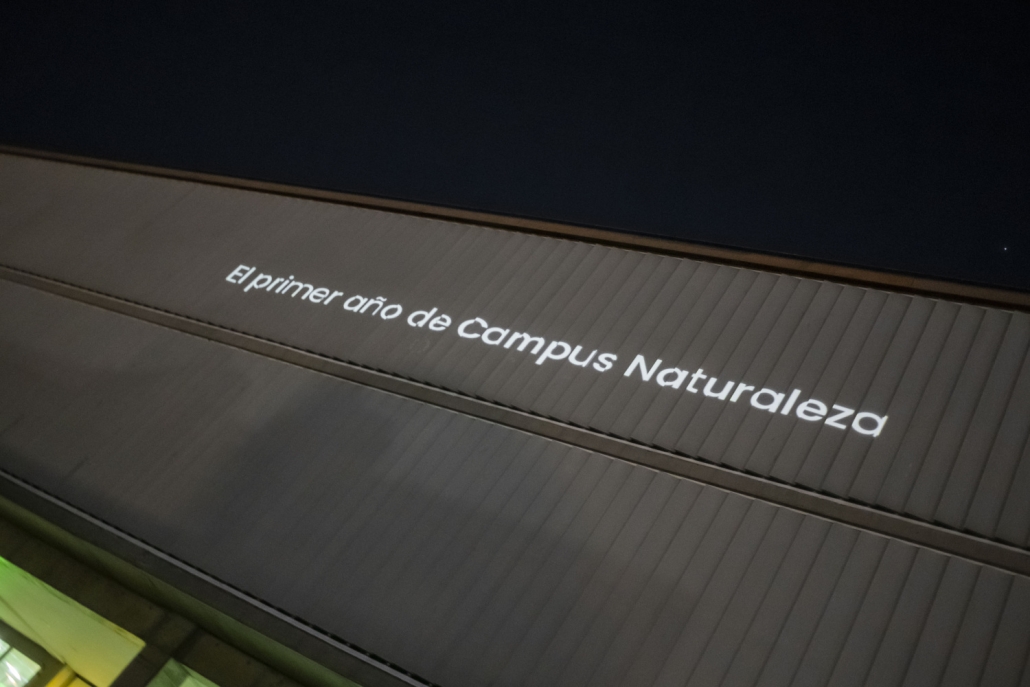
Various actions marked the first year of a project based on science and the benefits that nature provides to humans. The unprecedented initiative by the University of Concepción aims to consolidate its governance model, community engagement, and biodiversity conservation, among other aspects.


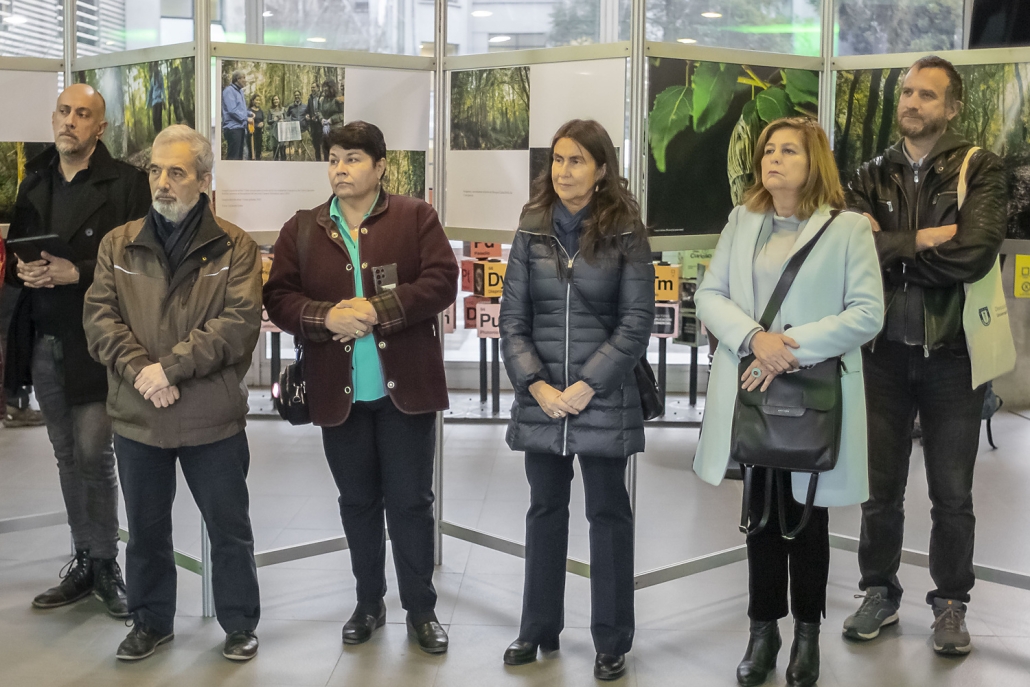
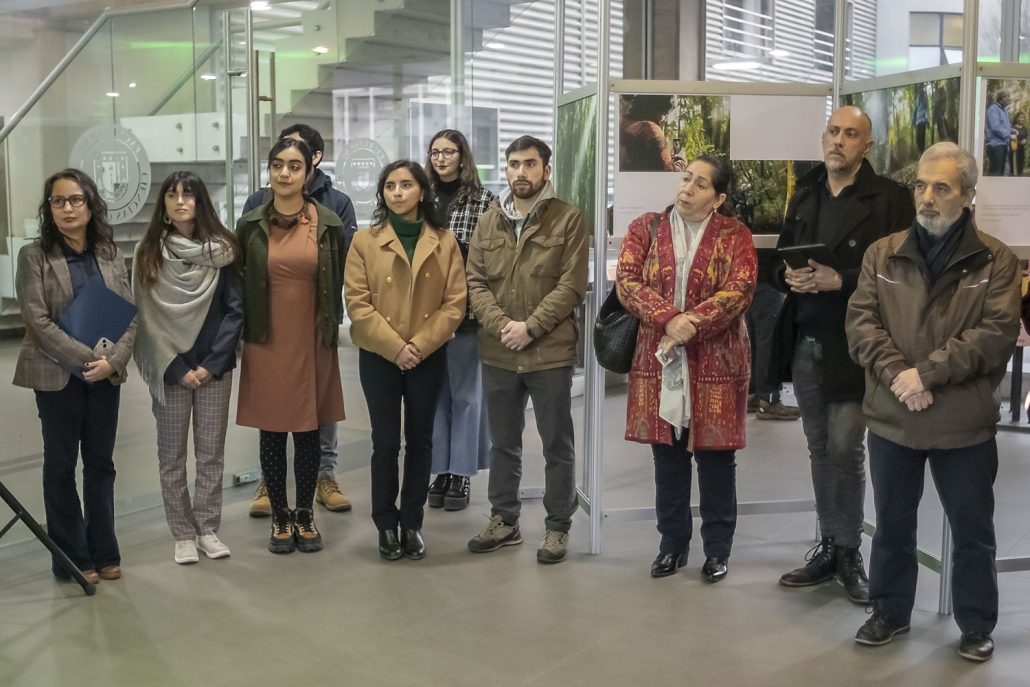
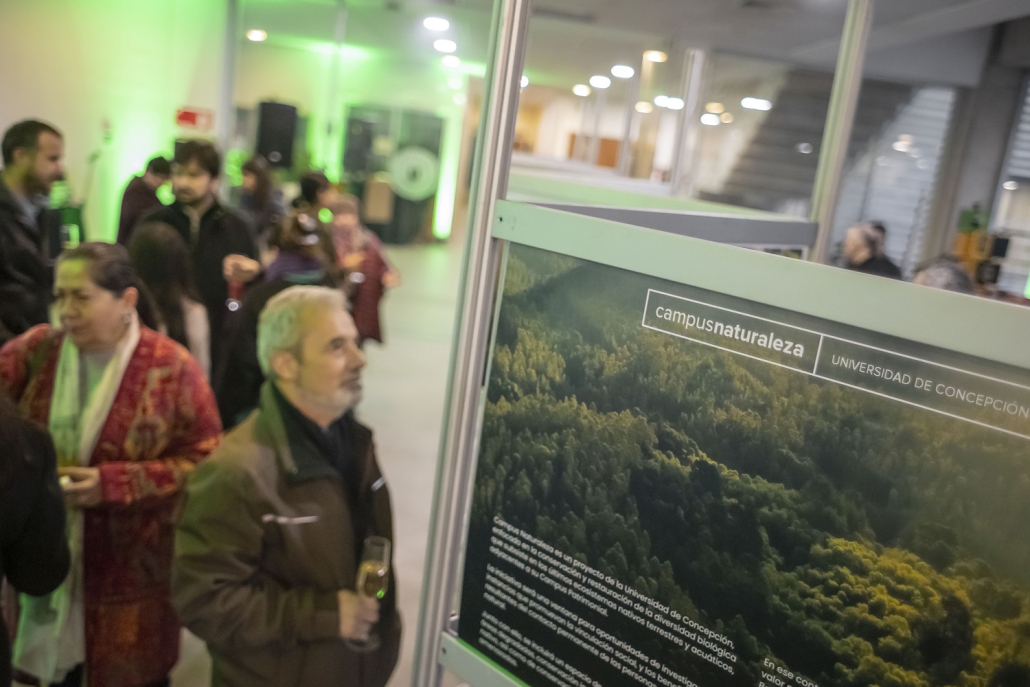
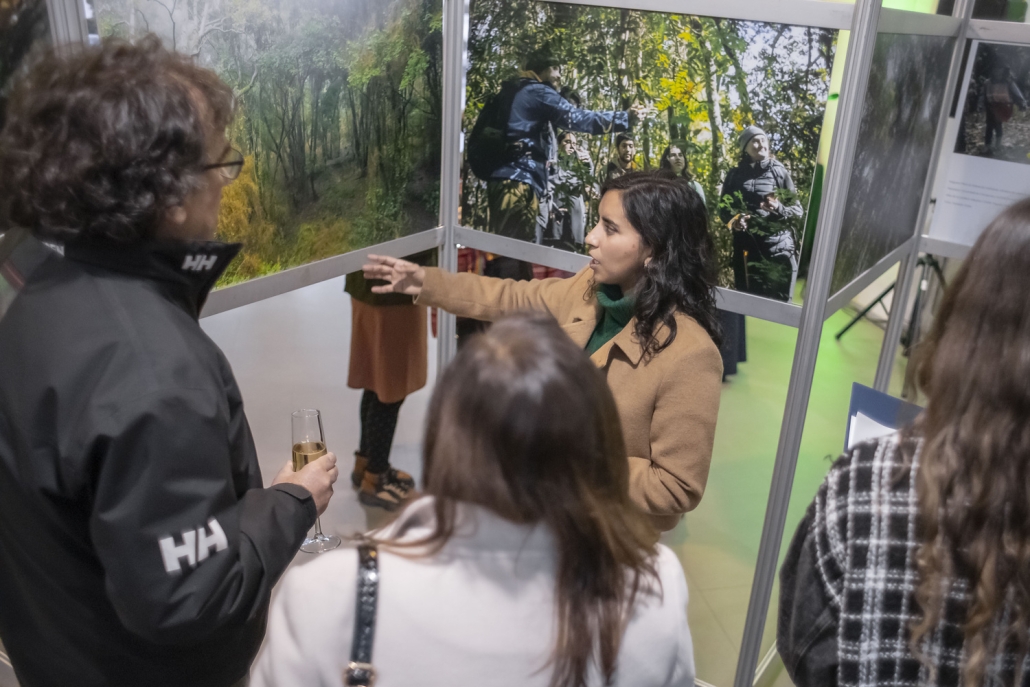
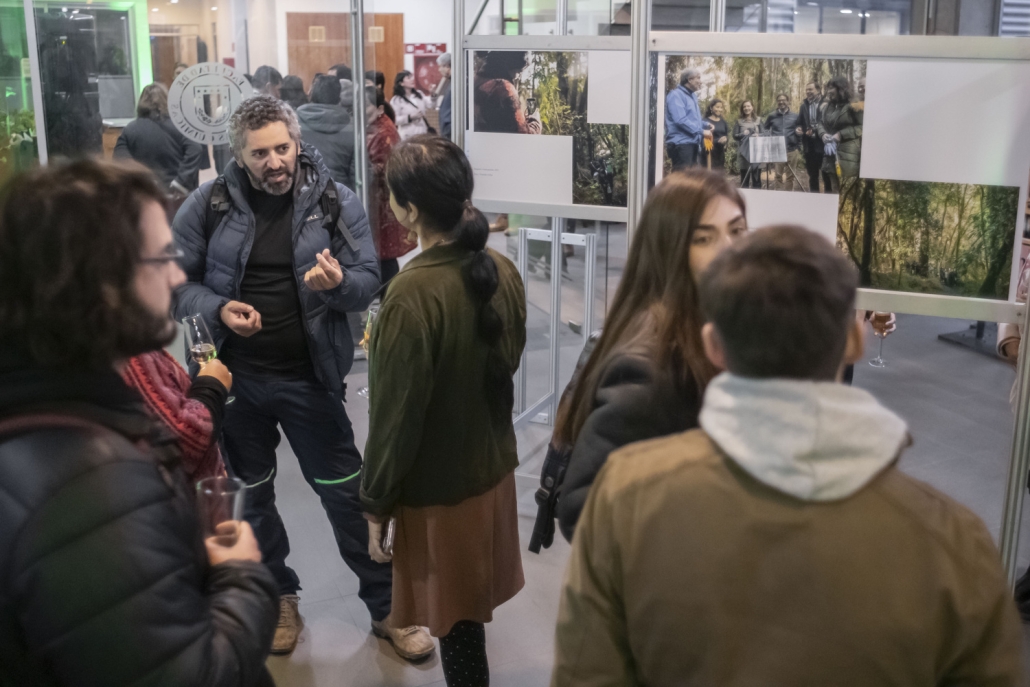
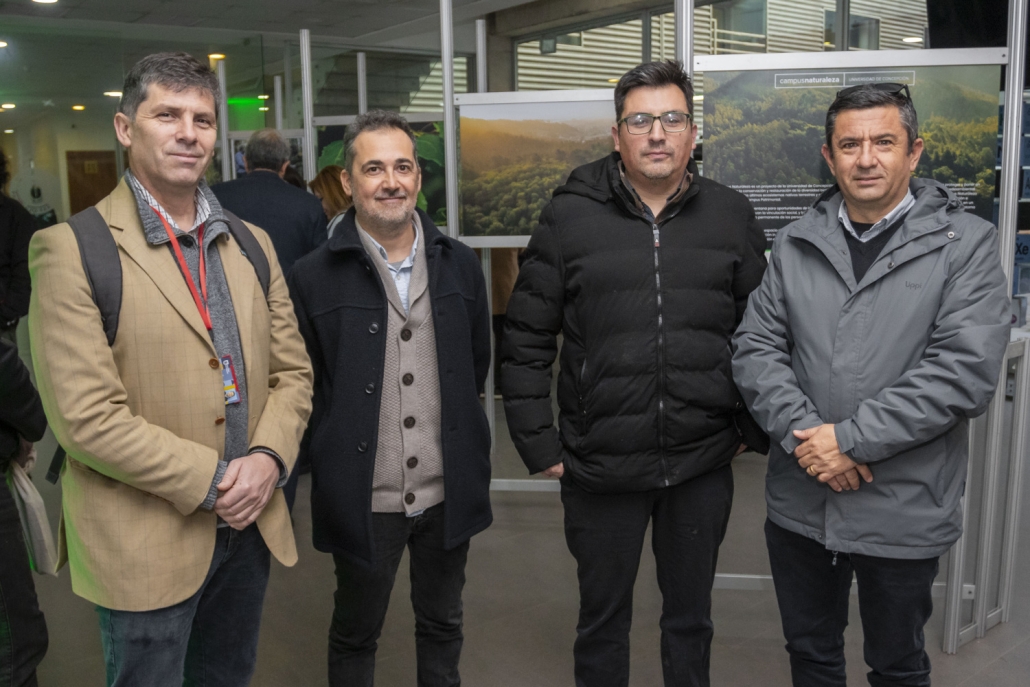
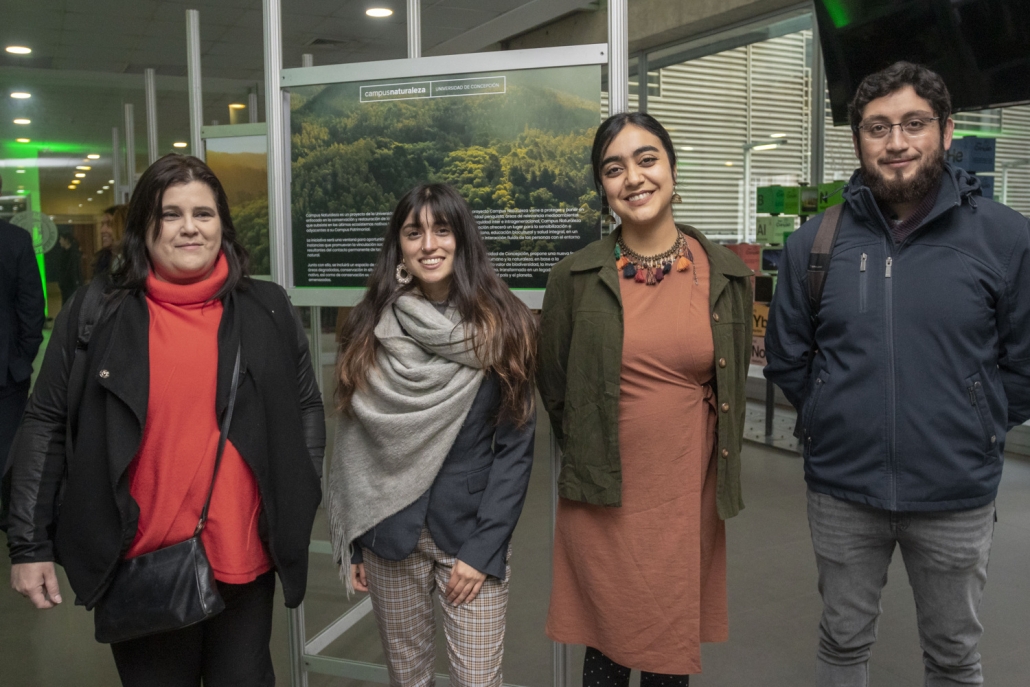
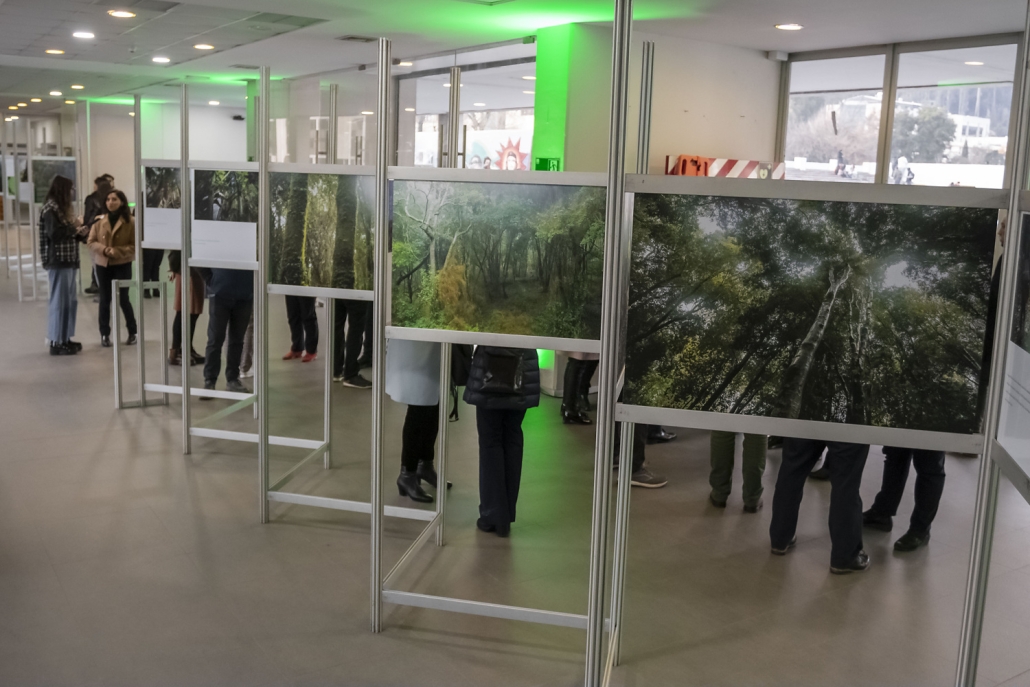
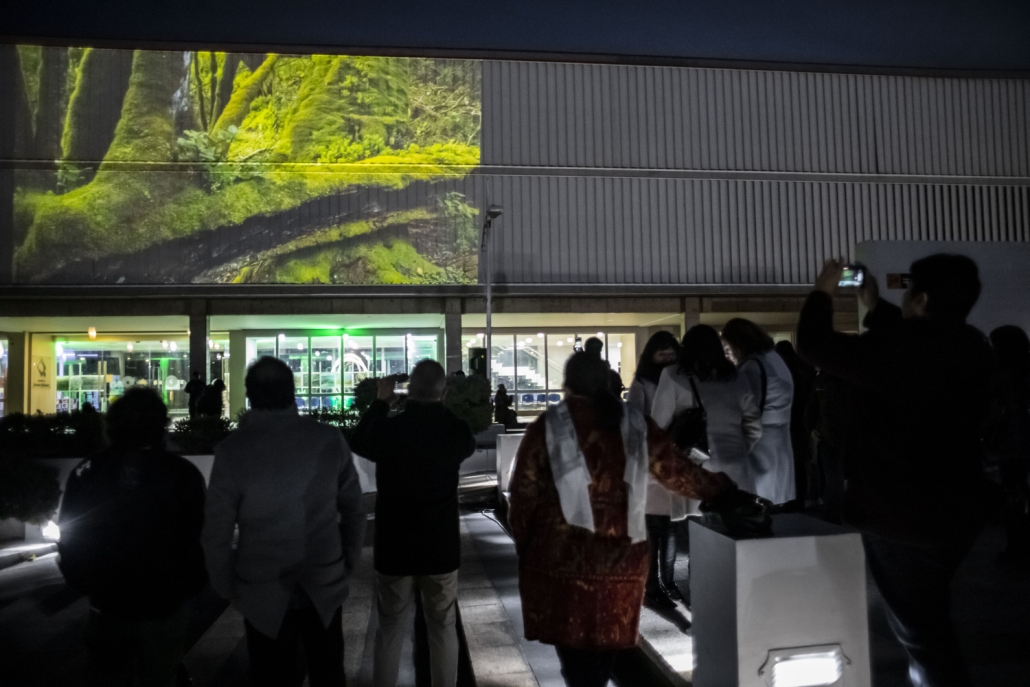
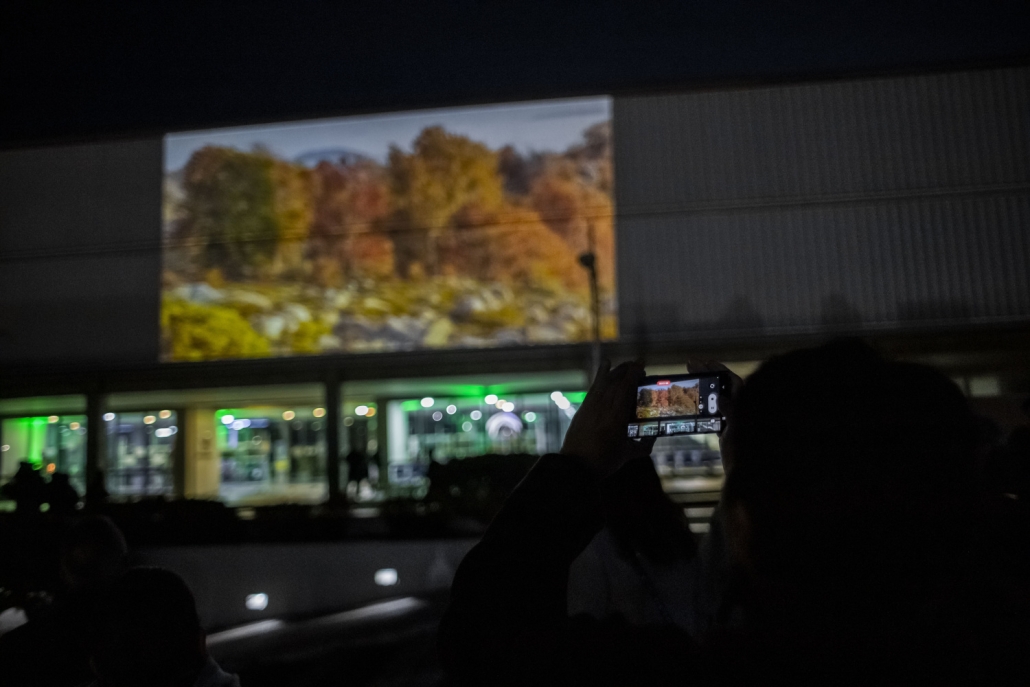
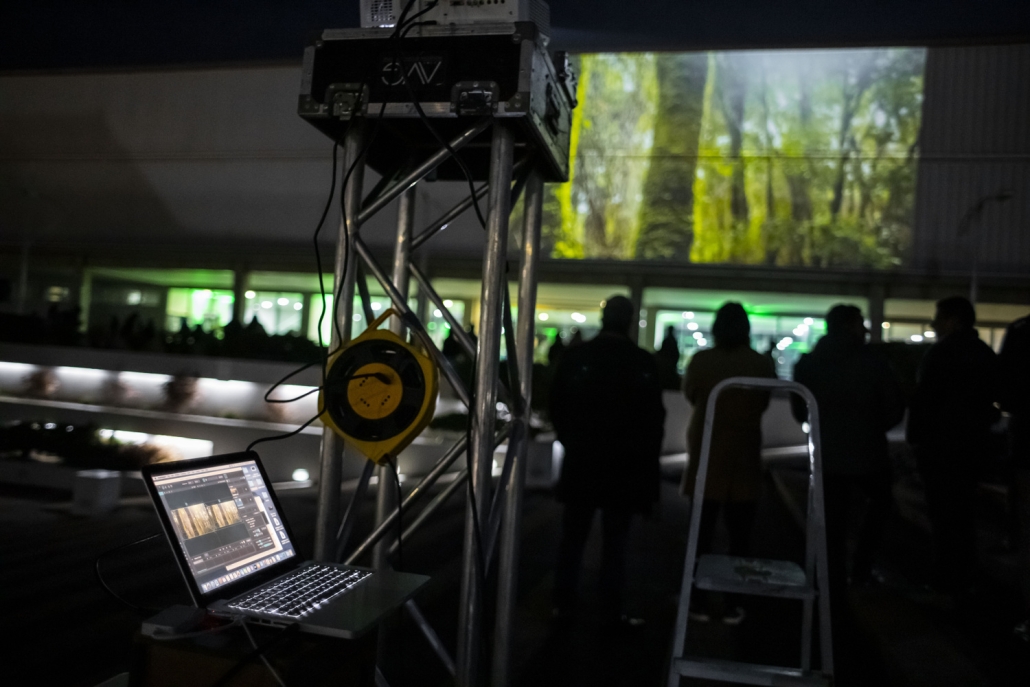
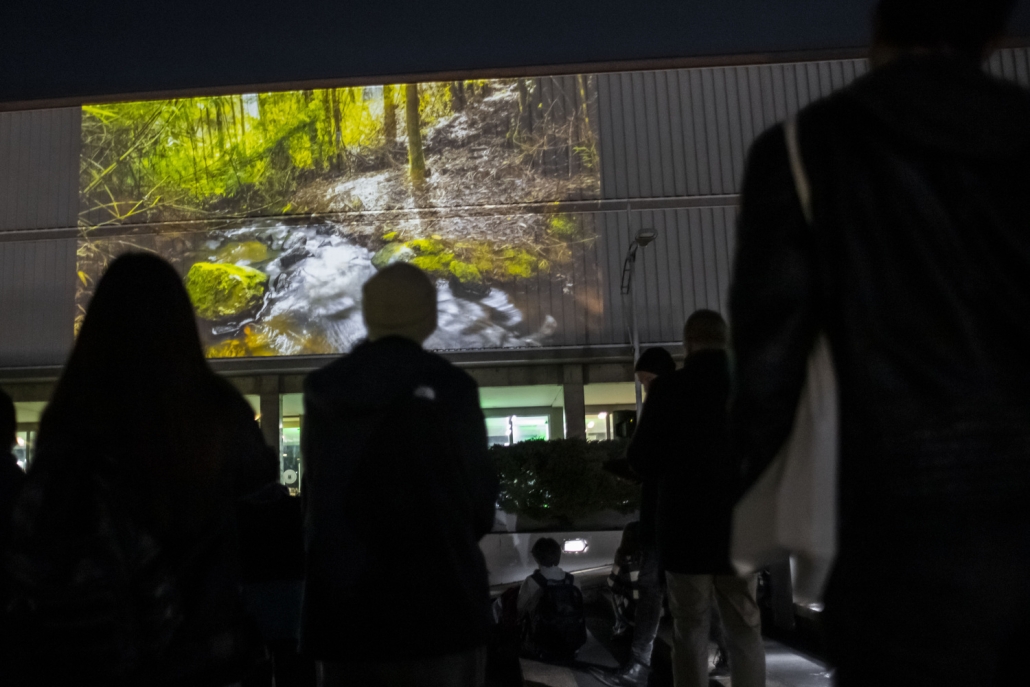
An exhibition and projection of images on the façade of the Faculty of Chemical Sciences commemorated the first year of the Campus Naturaleza Universidad de Concepción project. The photographs, depicting significant events since before the project's launch in May 2023, were combined with a selection titled "Threatened Ecosystems of Chile" by the experienced national photographer Guy Wenborne Huyghe to provide the thematic context for the activities.

The Campus Naturaleza project will conserve 25 hectares of native ecosystems on land adjacent to the UdeC Heritage Campus, made up of remnants of deciduous forests in Concepción and aquatic ecosystems. In addition, ecological restoration, human well-being, mental health and ex situ conservation (botanical garden) actions will be carried out, the first phase of which is already underway.

Regarding the activities, the Rector of the University of Concepción, Dr. Carlos Saavedra Rubilar, emphasizes that "this exhibition precisely engages with a change in the perception of nature and its objectives. It invites us to reflect on the importance of preserving Chile's native ecosystems and raising awareness about the threats they face, such as deforestation and climate change."

He adds, "The timing could not be more appropriate, not only because we are celebrating the institutional anniversary or because last weekend we celebrated Heritage Day, but above all because our country is in what we call ecological overshoot, making it the first Latin American country to reach this level of deficit, something we know is not good news. However, we will continue to contribute from our natural and intellectual spaces to be a country that vindicates the importance of nature, enhancing it and bringing it to its rightful place."

Similarly, the Vice-Rector for Economic and Administrative Affairs, Dr. Miguel Quiroga Suazo, institutional sponsor of the project, indicates that the initiative has a value "that goes beyond the direct impact it may have on conservation and biodiversity, and therefore on the objectives of sustainable development. That is the possibility of conserving and preserving these unique spaces for future generations. Its greatest value comes from the possibility of developing a project that can reconcile the development of academic activity and our mission with nature conservation, contribute to the well-being of communities and development, and become a meeting point and interaction between man and nature."

He also adds, "This initiative is closely linked to the mission, values, and objectives contained in our institutional strategic plan, and aspires to consolidate and become the university's fifth campus. From this perspective, it not only aspires to generate cutting-edge and impactful science but also to contribute to the training of new professionals and scientists, to continue connecting with our territory, and to help position us as one of the leading universities in this field worldwide."

Unique Project

Campus Naturaleza is a unique project at the national level, and regarding this, its director, Dr. Cristian Echeverría Leal, explains that, given this singularity, it was necessary to articulate a governance model to include all relevant actors. "There are advisory bodies such as the Technical Advisory Committee, which provides support from experts in various fields of university knowledge. There is also the Mixed Advisory Council, composed of 12 actors from different areas of local activities, which aims to integrate the community in a pioneering way. Similarly, and composed of members of the Board of Directors of the Corporation (UdeC) and the Academic Council, the Mixed Commission was established, which is responsible for making final decisions," he explains.

The academic emphasizes that, even before the launch at the end of May 2023, work began on different facets that are now fundamental pillars of the project. "The baseline survey and subsequent biodiversity monitoring allowed us to characterize the existing native species on the UdeC property, as well as their distribution, among other indicators. On the other hand, the outreach program has given us the opportunity to involve and engage the support of various local actors and to visualize collaboration opportunities within and outside the university, addressing different audiences, and informing about the project's characteristics long before the launch."

The native ecosystems, fragile and irreplaceable, contain unique tree species that serve as a transition between the forests of the central and southern zones of the country. For this reason, the community plays a central role in ensuring their long-term survival, as Dr. Echeverría comments. "The project relies on the collaboration of the community, which is why a guided tours program was established, which was very successful in 2023. This program allows people to visit the main remnant of coastal native forest just minutes from the city in an orderly manner and with project monitors. This way, we ensure that the community gets to know these spaces without altering the habitat of the different species that exist there."

The guided tours also contribute to the development of another line of action. "Different scientific studies conclude that constant contact with the natural environment brings benefits to people. The project also has a unit focused on integral health and biocultural environmental education, which also integrates children from nearby kindergartens. This is a pilot for nature education for early childhood, which addresses various objectives such as emotional bonds with nature, development of physical, intellectual, social, and emotional skills, among others," emphasizes the academic.

Assumes New Deputy Director

In early May of this year, Dr. Andrea Fernández Covarrubias, a faculty member of the Faculty of Architecture, Urbanism, and Geography at the University of Concepción, assumed the deputy directorship of the project, replacing Dr. Cristóbal Pizarro P., who coordinated the outreach area in the project's first phase, among other tasks. "I hope to contribute to the Master Plan process and to the challenge of making the interaction with the community visible, from an integrative perspective. Likewise, to continue the community engagement processes that the previous deputy director was developing. In this sense, I highlight the importance of involvement with the community, since this space is located in a very powerful and consolidated social environment."

In the perspective of the challenges, she indicates that "among the most relevant aspects is the understanding of urban-ecological interaction. How connections between nature and the built environment will be established facing the future, as the closeness and proximity of this natural space to the city have the potential to increase the relationship with its inhabitants and also highlight the basic interrelationships and environmental characteristics of our territory. This opportunity is undoubtedly one of the relevant purposes that this project will grant to the city, the region, and the country. Its scopes are in a currently unknown dimension because there is no space with these characteristics of naturalness and proximity to the city."

Meanwhile, Dr. Cristian Echeverría highlights one of the latest actions carried out in December 2023, which combined the components of outreach and biodiversity conservation: the first release of two monito del monte specimens(Dromiciops gliroides) affected by the fires of the summer of 2023, on the grounds of Campus Naturaleza, together with the Agricultural and Livestock Service (SAG) and the Wildlife Rehabilitation Center of UdeC. "Campus Naturaleza is being seen as a place that will ensure the continuity of certain species in the future, as a space that safeguards local biodiversity, where it is possible to receive wildlife damaged by human-related factors, such as fires or habitat destruction."

On the other hand, the preparations for the establishment of the first botanical garden of the University of Concepción are actions that will mark the project in this 2024, explains Dr. Echeverría. "The first phase of the eucalyptus plantation harvest, which is already underway, is necessary to have an area to implement the first ex situ collection of threatened Nothofagus species in Chile (botanical garden). Ex situ conservation refers to the conservation of threatened tree species outside their natural distribution and which may not survive due to the climate crisis and alterations produced by humans. For this reason, ex situ conservation is a synonym for a lifeline, which will allow us to conserve species native to the Metropolitan, O'Higgins, and Maule regions and bring them to Campus Naturaleza, in a task that is complex from a technical point of view but that awakens all hopes from a scientific and also human point of view, as it aligns with the university's objectives of leaving a biocultural legacy for future generations," concludes the academic.

The Biocultural Legacy of the Campus Naturaleza UdeC Project: A Year of Achievements and Challenges

In May 2023, the University of Concepción launched the ambitious Campus Naturaleza UdeC project, a pioneering initiative aimed at implementing nature-based solutions in collaboration with the local community and scientific knowledge. As the first year of this project concludes, it is timely to reflect on the achievements, challenges, and future prospects of this initiative.

The Chilean context presents a critical scenario for biodiversity conservation. Urban pressure, deforestation, and climate change have severely impacted our ecosystems, especially the deciduous forests of central-southern Chile. In this regard, Campus Naturaleza UdeC emerges as an innovative and necessary response, addressing in an integrated manner in situ and ex situ conservation, ecological restoration, biocultural education, and the holistic health of individuals.

The project has witnessed a complex conservation landscape. Concepción’s coastal wetlands and remnant deciduous forests, vital ecosystems that host rich biodiversity, have been under constant threat. Our response has been to protect these ecosystems to ensure their persistence. In parallel, we have taken decisive steps in ex situ conservation, with the implementation of the first living collection of threatened Nothofagus trees, which will be launched this year. This effort not only preserves critical species, but also acts as a vital genetic bank for future restorations.

A central pillar of our work has been the engagement with local communities. From the beginning, we have understood that effective and long-term conservation is only possible through close collaboration with those who inhabit and depend on these ecosystems. Through citizen science and biocultural education programs, we have involved communities at every stage of the process, strengthening their connection and commitment to nature. This collaboration has generated a sense of belonging and shared responsibility, crucial for the long-term success of the project. This connection with the community not only strengthens the project but also ensures its sustainability in the long run.

The success of Campus Naturaleza UdeC can also be attributed to its inclusive and transparent governance model. This model has enabled participatory and effective decision-making, ensuring that the voices of all stakeholders are heard and considered. Furthermore, the institutional support of the University of Concepción has been a decisive factor. Our University has not only provided the necessary resources but also offered continuous support and a firm commitment to the project's objectives.

This first year has laid the groundwork for a long-lasting biocultural legacy. As we move forward, we will continue to face challenges, but we do so with the conviction that our actions are building sustainable development for current and future generations. Biodiversity conservation is a shared responsibility, and at the University of Concepción, we are proud to lead this crucial effort.

Campus Naturaleza UdeC is not just a conservation project; it is an initiative that brings communities together, reinforces institutional commitment, and establishes an unprecedented model for the conservation and restoration of our natural heritage.

Dr. Cristian Echeverría Leal

Project Director, Campus Naturaleza, University of Concepción

Images owned by the Campus Naturaleza project, University of Concepción
EN