Learning in Nature’s classroom
Biocultural environmental education


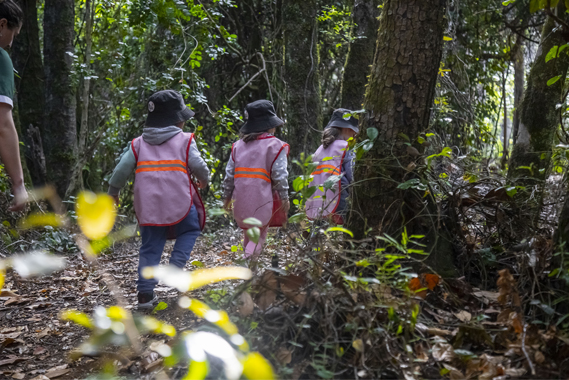
Biocultural environmental education
Biocultural environmental education is grounded in the recognition that biodiversity, communities, cultures and territories are all deeply interconnected.
At Campus Naturaleza, we bring together science, exploration, local knowledge, creativity and participation to turn the natural environment into a living classroom –
a place where children, young people and adults can observe, ask questions, experiment and take action.
What does ‘biocultural’ mean?
It means recognising that nature and society are not separate. Species, landscapes, cultural practices, memories and ways of living in a place all shape
one another.
This approach lets us learn about biodiversity while strengthening our identity, our care for the environment, and our sense of shared responsibility towards it.
Exploration, play and learning in natural environments.
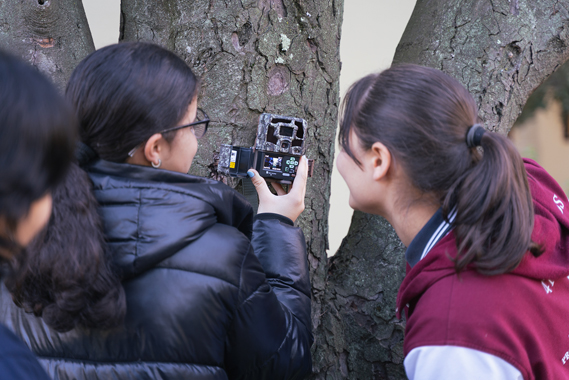
Inquiry-based learning where pupils observe and monitor the biodiversity and ecosystems on their doorstep.
Tours for school groups, university students, organisations and the public.
Community participation in observation and data collection, such as water quality monitoring.
A programme for members of the university community who support educational, wellbeing and outreach activities.
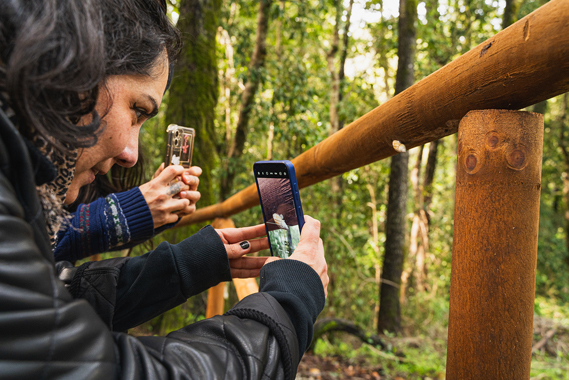
Workshops and experiences that foster observation, creativity and a connection with our natural heritage.

campusnaturaleza@udec.cl
Concepción, Chile
Campus Naturaleza UdeC