Protecting biodiversity
In situ conservation


La conservación in situ permite resguardar especies, ecosistemas y procesos ecológicos en los lugares donde ocurren naturalmente.
En Campus Naturaleza protegemos remanentes de bosque nativo, humedales, esteros y quebradas mediante monitoreo científico, manejo de amenazas y acciones orientadas a mantener la conectividad del paisaje.
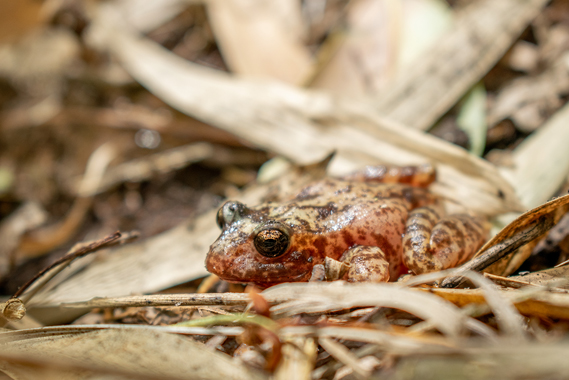
Campus Naturaleza’s ecosystems sit within a highly fragmented peri-urban landscape. They are home to native, endemic and threatened species that depend on safe, connected habitat to feed, reproduce and move freely.
Protecting these areas also safeguards essential natural processes such as water regulation, soil formation, pollination and natural regeneration.
Hectáreas destinadas a conservación in situ.
Especies de flora nativa registradas acumuladas a diciembre de 2025.
Especies de fauna nativa registradas acumuladas.
Especies en categoría de conservación.

campusnaturaleza@udec.cl
Concepción, Chile
Campus Naturaleza UdeC