Recovering Landscape
Restoring ecosystems


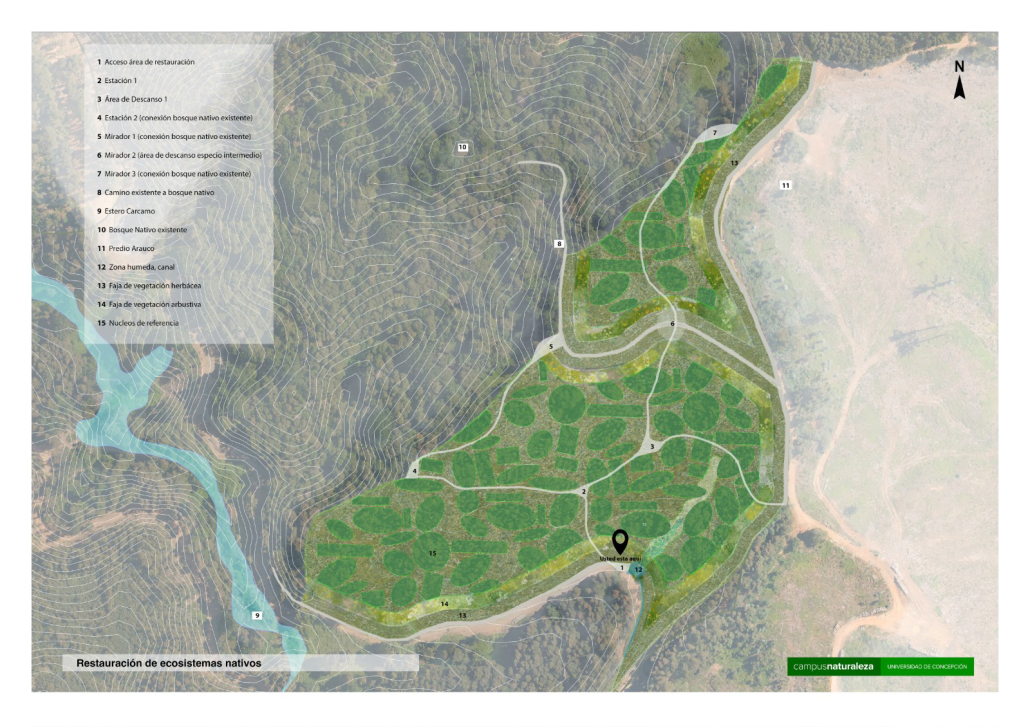
Restoring an ecosystem means helping it to recover its biodiversity and capacity to sustain life.
At Campus Naturaleza, we’re transforming land dominated by non-native plantations,and other degraded areas, into diverse, functional and resilient native ecosystems.
Every intervention is designed using ecological assessments, reference ecosystems and ongoing monitoring- helping us determine the best strategy required at each site: natural regeneration, assisted regeneration, rehabilitation or ecological reconstruction.
Nonguén National Park, in the Biobío Region, serves as a valuable reference ecosystem, helping us understand how to restore Concepción’s deciduous forest at Campus Naturaleza.
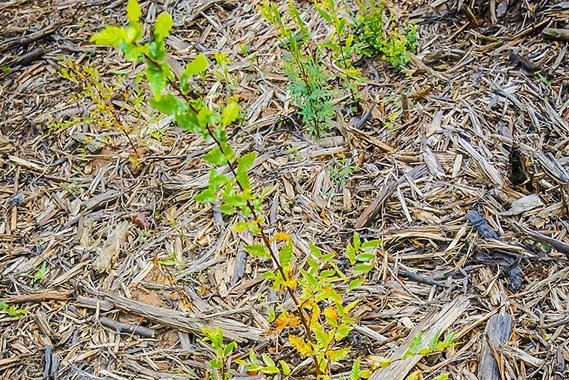
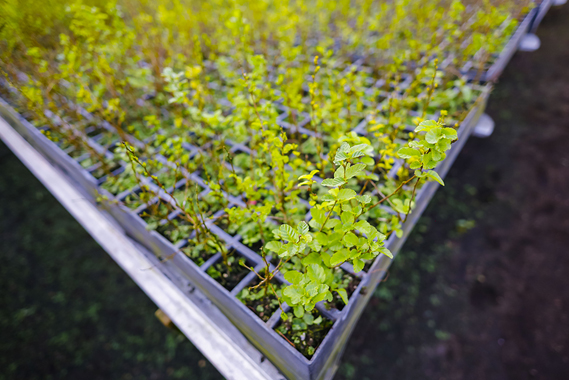
Restored areas expand the remaining native forest, connect habitats and facilitate the movement of wildlife. They also strengthen essential functions such as water regulation, soil protection and carbon sequestration.

campusnaturaleza@udec.cl
Concepción, Chile
Campus Naturaleza UdeC